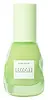
This calming essence is formulated around Aloe Barbadensis Leaf Juice and Urea to calm redness and hydrate skin.
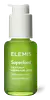
This barrier-repair serum is formulated around Persea Gratissima Oil and Niacinamide to strengthen the skin barrier and calm redness.


What's inside
What's inside
 Key Ingredients
Benefits
Concerns
Ingredients Side-by-side
Aloe Barbadensis Leaf Juice
Skin Conditioning


Water
Skin ConditioningPEG-8
HumectantGlycerin
Humectant

Urea
Buffering


Sodium Polyacrylate
Absorbent
PEG-40 Hydrogenated Castor Oil
Emulsifying

Trideceth-9
EmulsifyingAlpha-Glucan Oligosaccharide
Cleansing
Phenoxyethanol
Preservative
Hydroxyacetophenone
Antioxidant
Menthyl Ethylamido Oxalate
Skin ConditioningActinidia Chinensis Fruit Extract
EmollientCitrus Nobilis Fruit Extract
MaskingCucumis Sativus Fruit Extract
Emollient
Coconut Alkanes
Emollient


Disodium EDTA
ChelatingParfum
Masking


Chondrus Crispus Extract
Skin Conditioning
Propylene Glycol
Humectant
Limonene
Perfuming
Citrus Aurantium Dulcis Peel Oil
Masking
Coco-Caprylate/Caprate
Emollient
Glyceryl Acrylate/Acrylic Acid Copolymer
HumectantCitrus Aurantium Bergamia Fruit Oil
Masking
Benzyl Alcohol
Perfuming
Lithothamnion Calcareum Extract
Skin ConditioningChlorophyllin-Copper Complex
Antioxidant
Helianthus Annuus Seed Oil
Emollient
Dehydroacetic Acid
Preservative
Potassium Sorbate
Preservative
Rhizobian Gum
Sodium Hyaluronate
Humectant

Mentha Viridis Leaf Oil
Astringent
Sodium Benzoate
Masking
Citric Acid
Buffering

Chlorphenesin
Antimicrobial
Centella Asiatica Extract
Cleansing
Aloe Barbadensis Leaf Juice, Water, PEG-8, Glycerin, Urea, Sodium Polyacrylate, PEG-40 Hydrogenated Castor Oil, Trideceth-9, Alpha-Glucan Oligosaccharide, Phenoxyethanol, Hydroxyacetophenone, Menthyl Ethylamido Oxalate, Actinidia Chinensis Fruit Extract, Citrus Nobilis Fruit Extract, Cucumis Sativus Fruit Extract, Coconut Alkanes, Disodium EDTA, Parfum, Chondrus Crispus Extract, Propylene Glycol, Limonene, Citrus Aurantium Dulcis Peel Oil, Coco-Caprylate/Caprate, Glyceryl Acrylate/Acrylic Acid Copolymer, Citrus Aurantium Bergamia Fruit Oil, Benzyl Alcohol, Lithothamnion Calcareum Extract, Chlorophyllin-Copper Complex, Helianthus Annuus Seed Oil, Dehydroacetic Acid, Potassium Sorbate, Rhizobian Gum, Sodium Hyaluronate, Mentha Viridis Leaf Oil, Sodium Benzoate, Citric Acid, Chlorphenesin, Centella Asiatica Extract
Water
Skin ConditioningGlycerin
Humectant
Jojoba Esters
Emollient
Persea Gratissima Oil
Skin Conditioning
Persea Gratissima Fruit Extract
EmollientNiacinamide
Smoothing




Ceramide NP
Skin Conditioning
Ceramide Ns
Skin Conditioning
Ceramide AP
Skin Conditioning
Ceramide EOP
Skin Conditioning
Ceramide Eos
Skin Conditioning
Hydrolyzed Rice Protein
Skin ConditioningAllantoin
Skin Conditioning
Oryza Sativa Bran Oil
Emollient
Bisabolol
Antioxidant
Zingiber Officinale Root Extract
Masking
Curcuma Longa Root Extract
Antioxidant
Tocopherol
Antioxidant
Palmitoyl Tripeptide-8
Skin Conditioning
Vitis Vinifera Fruit Extract
Skin ConditioningPotassium Palmitoyl Hydrolyzed Wheat Protein
CleansingBoswellia Serrata Extract
Skin Conditioning
Populus Tremuloides Bark Extract
AntiseborrhoeicCaprylic/Capric Triglyceride
Masking
Sodium Phytate
ChelatingCetyl Alcohol
Emollient
Melia Azadirachta Flower Extract
Skin ConditioningMelia Azadirachta Leaf Extract
Skin ConditioningOcimum Sanctum Leaf Extract
Skin ConditioningBehenic Acid
Cleansing
Cholesterol
Emollient
Ethylhexylglycerin
Skin ConditioningOcimum Basilicum Flower/Leaf Extract
TonicElettaria Cardamomum Seed Extract
Perfuming
Jasminum Officinale Flower/Leaf Extract
Masking
Corallina Officinalis Extract
Skin Conditioning
Sodium Carbonate
BufferingSodium Chloride
MaskingCI 75810
Cosmetic ColorantCamellia Sinensis Leaf Extract
Antimicrobial
Cananga Odorata Flower Extract
Perfuming
Caprooyl Phytosphingosine
Skin Conditioning
Caprooyl Sphingosine
Skin ConditioningCucumis Melo Fruit Extract
Skin ConditioningCucumis Sativus Fruit Extract
Emollient
Pyrus Malus Fruit Extract
Skin Conditioning
Rose Extract
Skin ConditioningRubus Idaeus Leaf Extract
Skin ConditioningAscorbyl Palmitate
Antioxidant
Dextran
Hydroxyacetophenone
Antioxidant
Xanthan Gum
EmulsifyingButylene Glycol
Humectant
Carbomer
Emulsion StabilisingCetearyl Olivate
Sorbitan Olivate
Emulsifying
1,2-Hexanediol
Skin Conditioning
Caprylyl Glycol
Emollient
Hydrogenated Vegetable Oil
Emollient
Lavandula Angustifolia Flower/Leaf/Stem Extract
Masking
Santalum Album Wood Extract
Perfuming
Tocopheryl Acetate
Antioxidant
Ceteareth-25
CleansingSodium Hydroxide
BufferingPhenoxyethanol
Preservative
Sodium Benzoate
Masking
Water, Glycerin, Jojoba Esters, Persea Gratissima Oil, Persea Gratissima Fruit Extract, Niacinamide, Ceramide NP, Ceramide Ns, Ceramide AP, Ceramide EOP, Ceramide Eos, Hydrolyzed Rice Protein, Allantoin, Oryza Sativa Bran Oil, Bisabolol, Zingiber Officinale Root Extract, Curcuma Longa Root Extract, Tocopherol, Palmitoyl Tripeptide-8, Vitis Vinifera Fruit Extract, Potassium Palmitoyl Hydrolyzed Wheat Protein, Boswellia Serrata Extract, Populus Tremuloides Bark Extract, Caprylic/Capric Triglyceride, Sodium Phytate, Cetyl Alcohol, Melia Azadirachta Flower Extract, Melia Azadirachta Leaf Extract, Ocimum Sanctum Leaf Extract, Behenic Acid, Cholesterol, Ethylhexylglycerin, Ocimum Basilicum Flower/Leaf Extract, Elettaria Cardamomum Seed Extract, Jasminum Officinale Flower/Leaf Extract, Corallina Officinalis Extract, Sodium Carbonate, Sodium Chloride, CI 75810, Camellia Sinensis Leaf Extract, Cananga Odorata Flower Extract, Caprooyl Phytosphingosine, Caprooyl Sphingosine, Cucumis Melo Fruit Extract, Cucumis Sativus Fruit Extract, Pyrus Malus Fruit Extract, Rose Extract, Rubus Idaeus Leaf Extract, Ascorbyl Palmitate, Dextran, Hydroxyacetophenone, Xanthan Gum, Butylene Glycol, Carbomer, Cetearyl Olivate, Sorbitan Olivate, 1,2-Hexanediol, Caprylyl Glycol, Hydrogenated Vegetable Oil, Lavandula Angustifolia Flower/Leaf/Stem Extract, Santalum Album Wood Extract, Tocopheryl Acetate, Ceteareth-25, Sodium Hydroxide, Phenoxyethanol, Sodium Benzoate
Reviews
Ingredients Explained
These ingredients are found in both products.
Ingredients higher up in an ingredient list are typically present in a larger amount.
This extract comes from cucumber. Cucumbers are mostly made up of water (95%), and the other 5% is composed of: vitamin C, caffeic acid, fatty acids, amino acids, and other minerals.
Cucumbers have anti-inflammatory, barrier repair, and hydrating properties.
They contain shikimate dehydrigenase, an enzyme shown to help reduce inflammation and soothe the skin.
The amino acids found in cucumbers help nourish our skin's natural acid mantle (it's an important part of our skin barrier). This slightly acidic film acts as a barrier to protect us from bacteria, viruses, and other contaminants.
Unless you have an allergy to cucumbers, this is generally a non-irritating ingredient.
Fun fact: Cucumis Sativus is native to South Asia and can now be found on every continent.
Learn more about Cucumis Sativus Fruit ExtractGlycerin (or glycerol) is a compound naturally found in your skin. It's a powerhouse humectant that pulls water into the stratum corneum.
Topically, glycerin does several things at once:
Your skin makes glycerin on its own (mostly from sebaceous oil breakdown) and shuttles it to your outermost layer of skin, or your epidermis, via aquaporin-3.
Aquaporin-3 is a transporter that is essential for normal skin hydration, elasticity, and repair. Interestingly, mice lacking in AQP3 have dry and less elastic skin that can be fully corrected with glycerin.
This ingredient is non-irritating, plays well with almost every ingredient, and works across all skin types. Typical use is anywhere between 3-10% but can go up to 79% in some leave-on products.
Just know very high concentrations (>40%) can feel tacky in low humidity.
Glycerin is the name for this ingredient in American English. British English uses Glycerol/Glycerine.
Learn more about GlycerinHydroxyacetophenone is a small phenolic molecule that earns its place in a formulas as an antioxidant and preservative booster.
As a phenol, it is able to neutralize free radicals to protect both the product and the skin from oxidative stress.
Though it can't kill microbes on its own, it works as a good supporting agent when combined with other preservatives like Phenoxyethanol or 1,2-Hexanediol.
This ingredient naturally occurs as piceol in Norwegian spruce needles (~0.4-1.1% dry weight and in cloudberries). Though the cosmetic-grade material is synthesized for purity and consistency.
You'll usually see it used at low levels and suppliers recommend up to 1% added to a water phase.
Safety testing was done at concentrations like 0.05% in SPF products and 0.5% in a Human Repeated Insult Patch Test. The safety evidence is assuring; this ingredient is safe for cosmetics in current use and also holds safety status as a food flavoring as well.
An honest caveat: the "soothing" and "anti-inflammatory" claims come mostly from supplier marketing rather than published clinical trials. The Cosmetic Ingredient Review's own literature search found no useful efficacy studies on this ingredient.
So the antioxidant and preservative-boosting roles are the well supported ones while the calming benefit is plausible but thinly evidenced.
Overall, this is a well-tolerated, low-irritation multitasker that quietly helps a formula stay fresh and stable.
Learn more about HydroxyacetophenonePhenoxyethanol is one of the most widely used preservatives in skincare (and for good reason!).
It has a large spectrum of antimicrobial activity and especially effective bacteria, yeast, and mold while only having a weak effect on your skin's natural microbiome.
On a cellular level, it disrupts the cell membranes of microbes by poking holes that make the cell leak. This shuts down the chemical reactions the microbe needs to make energy so it can no longer survive.
Another perk of this ingredient is that it stays functional across a wide pH range (3-10).
You'll often see it paired with boosters like Ethylhexylglycerin; one study showed that a 1:9 ratio of Ethylhexylglycerin to Phenoxyethanol damages bacterial membranes as effectively as doubling the Phenoxyethanol concentration on its own.
Typical use concentrations range from 0.3-1% depending on the formula, and this ingredient is capped at 1% int the EU.
Safety-wise, the fear mongering does not hold up to the evidence. The EU's Scientific Committee on Consumer Safety and FDA consider it safe as a preservative at up to 1%, including for children of all ages.
Adverse systemic effects only showed up in animal studies at exposures roughly 200x higher than what people get from cosmetics. And despite its very widespread use, this ingredient is a rare sensitizer and allergic reactions are uncommon.
Learn more about PhenoxyethanolSodium Benzoate is a preservative. It's used in both cosmetic and food products to inhibit the growth of mold and bacteria. It is typically produced synthetically.
Both the US FDA and EU Health Committee have approved the use of sodium benzoate. In the US, levels of 0.1% (of the total product) are allowed.
Sodium benzoate works as a preservative by inhibiting the growth of bacteria inside of cells. It prevents the cell from fermenting a type of sugar using an enzyme called phosphofructokinase.
It is the salt of benzoic acid. Foods containing sodium benzoate include soda, salad dressings, condiments, fruit juices, wines, and snack foods.
Studies for using ascorbic acid and sodium benzoate in cosmetics are lacking, especially in skincare routines with multiple steps.
We always recommend speaking with a professional, such as a dermatologist, if you have any concerns.
Learn more about Sodium BenzoateWater. It's the most common cosmetic ingredient of all. You'll usually see it at the top of ingredient lists, meaning that it makes up the largest part of the product.
So why is it so popular? Water most often acts as a solvent - this means that it helps dissolve other ingredients into the formulation.
You'll also recognize water as that liquid we all need to stay alive. If you see this, drink a glass of water. Remember to stay hydrated!
Learn more about Water

