
What's inside
What's inside
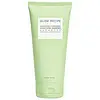 Key Ingredients
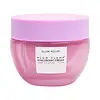
Benefits
Concerns
Ingredients Side-by-side
Water
Skin ConditioningGlycerin
Humectant



Sodium Cocoyl Alaninate
Sodium Methyl Cocoyl Taurate
Cleansing
Acrylates/C10-30 Alkyl Acrylate Crosspolymer
Emulsion StabilisingInulin
Skin ConditioningButylene Glycol
Humectant
Ceramide NP
Skin Conditioning


Colloidal Oatmeal
Absorbent

Caprylyl Glycol
Emollient
Lauryl Hydroxysultaine
CleansingCoco-Glucoside
CleansingSodium Hyaluronate
Humectant
Persea Gratissima Oil
Skin Conditioning
Persea Gratissima Fruit Extract
EmollientSaccharide Isomerate
Humectant
Micrococcus Lysate
Skin ConditioningGlyceryl Caprylate
EmollientPolyglyceryl-10 Laurate
Skin Conditioning
Styrene/Acrylates Copolymer
Sodium Cocoyl Isethionate
Cleansing1,2-Hexanediol
Skin Conditioning
Epidermidibacterium Keratini Ferment Filtrate
EmollientQuillaja Saponaria Bark Extract
CleansingSodium Phytate
Lecithin
Emollient
Dipotassium Glycyrrhizate
Humectant
Citric Acid
Buffering



Moringa Oleifera Seed Oil
Emollient
Sodium Citrate
BufferingButyl Avocadate
Skin Conditioning
Arginine
Masking
Phytosphingosine
Skin Conditioning
Hydrogenated Lecithin
Emulsifying
Hydroxypropyltrimonium Hyaluronate
Mannose
HumectantHydrolyzed Hyaluronic Acid
Humectant
Sodium Acetylated Hyaluronate
Humectant
Maltodextrin
Absorbent
Tocopherol
Antioxidant

Hyaluronic Acid
Humectant
Hydrolyzed Sodium Hyaluronate
Skin Conditioning
Sodium Hyaluronate Crosspolymer
Humectant
Potassium Hyaluronate
Skin ConditioningXanthan Gum
EmulsifyingAloe Ferox Leaf Extract
Skin ConditioningHexylene Glycol
EmulsifyingTriacetin
AntimicrobialGardenia Florida Fruit Extract
Skin ConditioningDextrin
AbsorbentParfum
Masking

Water, Glycerin, Sodium Cocoyl Alaninate, Sodium Methyl Cocoyl Taurate, Acrylates/C10-30 Alkyl Acrylate Crosspolymer, Inulin, Butylene Glycol, Ceramide NP, Colloidal Oatmeal, Caprylyl Glycol, Lauryl Hydroxysultaine, Coco-Glucoside, Sodium Hyaluronate, Persea Gratissima Oil, Persea Gratissima Fruit Extract, Saccharide Isomerate, Micrococcus Lysate, Glyceryl Caprylate, Polyglyceryl-10 Laurate, Styrene/Acrylates Copolymer, Sodium Cocoyl Isethionate, 1,2-Hexanediol, Epidermidibacterium Keratini Ferment Filtrate, Quillaja Saponaria Bark Extract, Sodium Phytate, Lecithin, Dipotassium Glycyrrhizate, Citric Acid, Moringa Oleifera Seed Oil, Sodium Citrate, Butyl Avocadate, Arginine, Phytosphingosine, Hydrogenated Lecithin, Hydroxypropyltrimonium Hyaluronate, Mannose, Hydrolyzed Hyaluronic Acid, Sodium Acetylated Hyaluronate, Maltodextrin, Tocopherol, Hyaluronic Acid, Hydrolyzed Sodium Hyaluronate, Sodium Hyaluronate Crosspolymer, Potassium Hyaluronate, Xanthan Gum, Aloe Ferox Leaf Extract, Hexylene Glycol, Triacetin, Gardenia Florida Fruit Extract, Dextrin, Parfum
Water
Skin ConditioningPropanediol
Solvent
Glycerin
Humectant
C13-15 Alkane
SolventCaprylic/Capric Triglyceride
Masking
C9-12 Alkane
SolventPrunus Domestica Seed Oil
Skin Conditioning
Pentylene Glycol
Skin ConditioningSqualane
Emollient
Terminalia Ferdinandiana Seed Oil
Antioxidant
Hyaluronic Acid
Humectant
Sodium Acetylated Hyaluronate
Humectant
Sodium Hyaluronate
Humectant
Davidsonia Jerseyana Fruit Extract
Antioxidant
Terminalia Ferdinandiana Fruit Powder
Antioxidant
Podocarpus Elatus Fruit Extract
Skin ConditioningPolyglutamic Acid
Skin Conditioning
Pleiogynium Timoriense Fruit Extract
Skin ConditioningSodium Hyaluronate Crosspolymer
Humectant
Hydrolyzed Sodium Hyaluronate
Skin Conditioning
Epilobium Fleischeri Flower/Leaf/Stem Extract
Skin ConditioningNiacinamide
Smoothing

Acrylates/C10-30 Alkyl Acrylate Crosspolymer
Emulsion StabilisingXylitylglucoside
Humectant
Isononyl Isononanoate
EmollientCaprylyl Glycol
Emollient
Anhydroxylitol
Humectant
Cetearyl Alcohol
Emollient

Glyceryl Stearate
Emollient
Arginine
Masking
Ethylhexylglycerin
Skin ConditioningSodium Chloride
Masking
Xylitol
Humectant
Stearic Acid
Cleansing
Tremella Fuciformis Polysaccharide
Emulsion Stabilising
Sodium Lauroyl Glutamate
Eclipta Prostrata Extract
Skin ConditioningGlucose
Humectant
Potassium Phosphate
BufferingButylene Glycol
Humectant
Melia Azadirachta Leaf Extract
Skin ConditioningHydroxypropylcellulose
EmulsifyingAlaria Esculenta Extract
Skin ProtectingSodium Phosphate
BufferingPotassium Chloride
Melia Azadirachta Flower Extract
Skin ConditioningCorallina Officinalis Extract
Skin Conditioning
1,2-Hexanediol
Skin Conditioning
Moringa Oleifera Seed Oil
Emollient
Coccinia Indica Fruit Extract
Skin ConditioningCitric Acid
Buffering
Potassium Sorbate
Preservative
Solanum Melongena Fruit Extract
Skin ConditioningAloe Barbadensis Flower Extract
EmollientGluconolactone
Skin Conditioning
Simmondsia Chinensis Seed Oil
Emollient
Curcuma Longa Root Extract
Masking
Ocimum Basilicum Flower/Leaf Extract
TonicOcimum Sanctum Leaf Extract
Skin Conditioning
Silica
Abrasive
Sodium Hydroxide
BufferingSodium Benzoate
Masking
Phenoxyethanol
Preservative
Parfum
Masking
Water, Propanediol, Glycerin, C13-15 Alkane, Caprylic/Capric Triglyceride, C9-12 Alkane, Prunus Domestica Seed Oil, Pentylene Glycol, Squalane, Terminalia Ferdinandiana Seed Oil, Hyaluronic Acid, Sodium Acetylated Hyaluronate, Sodium Hyaluronate, Davidsonia Jerseyana Fruit Extract, Terminalia Ferdinandiana Fruit Powder, Podocarpus Elatus Fruit Extract, Polyglutamic Acid, Pleiogynium Timoriense Fruit Extract, Sodium Hyaluronate Crosspolymer, Hydrolyzed Sodium Hyaluronate, Epilobium Fleischeri Flower/Leaf/Stem Extract, Niacinamide, Acrylates/C10-30 Alkyl Acrylate Crosspolymer, Xylitylglucoside, Isononyl Isononanoate, Caprylyl Glycol, Anhydroxylitol, Cetearyl Alcohol, Glyceryl Stearate, Arginine, Ethylhexylglycerin, Sodium Chloride, Xylitol, Stearic Acid, Tremella Fuciformis Polysaccharide, Sodium Lauroyl Glutamate, Eclipta Prostrata Extract, Glucose, Potassium Phosphate, Butylene Glycol, Melia Azadirachta Leaf Extract, Hydroxypropylcellulose, Alaria Esculenta Extract, Sodium Phosphate, Potassium Chloride, Melia Azadirachta Flower Extract, Corallina Officinalis Extract, 1,2-Hexanediol, Moringa Oleifera Seed Oil, Coccinia Indica Fruit Extract, Citric Acid, Potassium Sorbate, Solanum Melongena Fruit Extract, Aloe Barbadensis Flower Extract, Gluconolactone, Simmondsia Chinensis Seed Oil, Curcuma Longa Root Extract, Ocimum Basilicum Flower/Leaf Extract, Ocimum Sanctum Leaf Extract, Silica, Sodium Hydroxide, Sodium Benzoate, Phenoxyethanol, Parfum
Reviews
Ingredients Explained
These ingredients are found in both products.
Ingredients higher up in an ingredient list are typically present in a larger amount.
1,2-Hexanediol is a synthetic liquid and another multi-functional powerhouse.
It is a:
- Humectant, drawing moisture into the skin
- Emollient, helping to soften skin
- Solvent, dispersing and stabilizing formulas
- Preservative booster, enhancing the antimicrobial activity of other preservatives
Acrylates/C10-30 Alkyl Acrylate Crosspolymer is a synthetic polymer. It is used to thicken and improve the texture of products. Due to its properties, it can prevent water and oil ingredients from separating.
Arginine is an amino acid that is important for human development. Your body uses is it to produce hair keratin and skin collagen.
As a cosmetic ingredient, Arginine has antioxidant properties and can also help repair damaged skin. This ingredient is derived either synthetically or from animals.
Arginine isn't fungal acne safe when used in the presence of other lipids (fats, fatty acids, oils, esters, etc). Oils and fats occur naturally within the skin, so take caution when using Arginine if you're prone to fungal acne.
Learn more about ArginineButylene Glycol (or BG) is used within cosmetic products for a few different reasons:
Overall, Butylene Glycol is a safe and well-rounded ingredient that works well with other ingredients.
Though this ingredient works well with most skin types, some people with sensitive skin may experience a reaction such as allergic rashes, closed comedones, or itchiness.
Learn more about Butylene GlycolCaprylyl Glycol is a humectant and emollient, meaning it attracts and preserves moisture.
It is a common ingredient in many products, especially those designed to hydrate skin. The primary benefits are retaining moisture, skin softening, and promoting a healthy skin barrier.
Though Caprylyl Glycol is an alcohol derived from fatty acids, it is not the kind that can dry out skin.
This ingredient is also used as a preservative to extend the life of products. It has slight antimicrobial properties.
Learn more about Caprylyl GlycolCitric Acid is an alpha hydroxy acid (AHA) naturally found in citrus fruits like oranges, lemons, and limes.
Like other AHAs, citric acid can exfoliate skin by breaking down the bonds that hold dead skin cells together. This helps reveal smoother and brighter skin underneath.
However, this exfoliating effect only happens at high concentrations (20%) which can be hard to find in cosmetic products.
Due to this, citric acid is usually included in small amounts as a pH adjuster. This helps keep products slightly more acidic and compatible with skin's natural pH.
In skincare formulas, citric acid can:
While it can provide some skin benefits, research shows lactic acid and glycolic acid are generally more effective and less irritating exfoliants.
Most citric acid used in skincare today is made by fermenting sugars (usually from molasses). This synthetic version is identical to the natural citrus form but easier to stabilize and use in formulations.
Read more about some other popular AHA's here:
Learn more about Citric AcidGlycerin is already naturally found in your skin. It helps moisturize and protect your skin.
A study from 2016 found glycerin to be more effective as a humectant than AHAs and hyaluronic acid.
As a humectant, it helps the skin stay hydrated by pulling moisture to your skin. The low molecular weight of glycerin allows it to pull moisture into the deeper layers of your skin.
Hydrated skin improves your skin barrier; Your skin barrier helps protect against irritants and bacteria.
Glycerin has also been found to have antimicrobial and antiviral properties. Due to these properties, glycerin is often used in wound and burn treatments.
In cosmetics, glycerin is usually derived from plants such as soybean or palm. However, it can also be sourced from animals, such as tallow or animal fat.
This ingredient is organic, colorless, odorless, and non-toxic.
Glycerin is the name for this ingredient in American English. British English uses Glycerol/Glycerine.
Learn more about GlycerinHyaluronic acid is naturally found in healthy skin. It is a humectant, meaning it draws moisture to your skin.
This ingredient helps hydrate, soothe, and protect the skin.
What makes hyaluronic acid so hydrating? It has the capacity to bind or hold large amounts of water.
Fun fact: It is already naturally found in our bodies, such as the fluids of our eyes and our joints.
Studies find this ingredient to have anti-inflammatory and anti-microbial properties. This can help speed up wound-healing.
Hyaluronic acid can be irritating if the molecule has a low-molecular weight, or if the molecules are small.
One study found low-molecular weight hyaluronic acid to be pro-inflammatory, meaning some people may experience irritation. This is because our bodies use hyaluronic acid in the wound-healing process to signal to our bodies, via irritation, that something needs healing.
The same study found high-molecular weight hyaluronic acid to be anti-inflammatory.
These are some other common types of Hyaluronic Acid:
Learn more about Hyaluronic AcidThis ingredient is created by putting sodium hyaluronate through hydrolysis.
You might know this as 'mini' or 'ultra low-molecular weight' hyaluronic acid. The small molecule size means it is able to travel deeper in the skin.
According to studies, low molecular-weight hyaluronic acid can:
One study from 2011 found ultra-low weight HA to show pro-inflammatory properties. Another study from 2022 found it to downregulate UV-B induced inflammation.
Hydrolysis is a process of changing a molecule using water or enzymes.
This ingredient is water-soluble.
Learn more about Hydrolyzed Sodium HyaluronateMoringa Oleifera Seed Oil is the oil expressed from the seeds of Moringa oleifera plant. It is more commonly known as Moringa seed oil.
Moringa seeds have antioxidant, anti-inflammatory, and skin hydrating properties. These seeds are rich in oils, proteins, monounsaturated fats, and tocopherols.
As an emollient, moringa seed oil helps trap moisture in the skin by creating a film on top. This helps keep your skin hydrated and soft.
Many compounds in moringa seed oil are antioxidant and anti-inflammatory. These compounds include Vitamin E. , catechins, ferulic acid, and more.
Another compound found in Moringa seed oil is oleic acid.
Moringa trees are native to the Himalayan mountains.
This ingredient may not be fungal-acne safe.
Learn more about Moringa Oleifera Seed OilParfum is a catch-all term for an ingredient or more that is used to give a scent to products.
Also called "fragrance", this ingredient can be a blend of hundreds of chemicals or plant oils. This means every product with "fragrance" or "parfum" in the ingredients list is a different mixture.
For instance, Habanolide is a proprietary trade name for a specific aroma chemical. When used as a fragrance ingredient in cosmetics, most aroma chemicals fall under the broad labeling category of “FRAGRANCE” or “PARFUM” according to EU and US regulations.
The term 'parfum' or 'fragrance' is not regulated in many countries. In many cases, it is up to the brand to define this term.
For instance, many brands choose to label themselves as "fragrance-free" because they are not using synthetic fragrances. However, their products may still contain ingredients such as essential oils that are considered a fragrance by INCI standards.
One example is Calendula flower extract. Calendula is an essential oil that still imparts a scent or 'fragrance'.
Depending on the blend, the ingredients in the mixture can cause allergies and sensitivities on the skin. Some ingredients that are known EU allergens include linalool and citronellol.
Parfum can also be used to mask or cover an unpleasant scent.
The bottom line is: not all fragrances/parfum/ingredients are created equally. If you are worried about fragrances, we recommend taking a closer look at an ingredient. And of course, we always recommend speaking with a professional.
Learn more about ParfumSodium Acetylated Hyaluronate is a type of Hyaluronic Acid.
Hyaluronic Acids help moisturize, soothe, and protect the skin.
Read about common types of Hyaluronic Acid here:
Sodium Hyaluronate
Hydrolyzed Hyaluronic Acid
Hyaluronic Acid
Sodium Hyaluronate is hyaluronic acid's salt form. It is commonly derived from the sodium salt of hyaluronic acid.
Like hyaluronic acid, it is great at holding water and acts as a humectant. This makes it a great skin hydrating ingredient.
Sodium Hyaluronate is naturally occurring in our bodies and is mostly found in eye fluid and joints.
These are some other common types of Hyaluronic Acid:
Learn more about Sodium HyaluronateSodium Hyaluronate Crosspolymer is a type of hyaluronic acid. In fact, it is modified version of hyaluronic acid.
The structure of Sodium Hyaluronate Crosspolymer allows it to stay in the skin's top layer for a longer period of time. This allows for even more hydration and humectant action than hyaluronic acid.
These are some other common types of Hyaluronic Acid:
Learn more about Sodium Hyaluronate CrosspolymerWater. It's the most common cosmetic ingredient of all. You'll usually see it at the top of ingredient lists, meaning that it makes up the largest part of the product.
So why is it so popular? Water most often acts as a solvent - this means that it helps dissolve other ingredients into the formulation.
You'll also recognize water as that liquid we all need to stay alive. If you see this, drink a glass of water. Stay hydrated!
Learn more about Water
