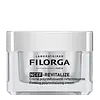
This anti-aging moisturizer is formulated around Hydrolyzed Hyaluronic Acid and Palmitoyl Tripeptide-1 to soften the look of wrinkles and hydrate skin.
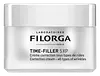
This anti-aging treatment is formulated around Adenosine and Dipeptide Diaminobutyroyl Benzylamide Diacetate to soften the look of wrinkles.

What's inside
What's inside
 Key Ingredients
Benefits
Concerns
Ingredients Side-by-side
Water
Skin ConditioningGlycerin
Humectant


Ethyl Oleate
Emollient



Butyrospermum Parkii Butter
Skin Conditioning


Hydrogenated Vegetable Oil
Emollient
Propanediol
Solvent
Methylsilanol Mannuronate
Skin ConditioningCetyl Alcohol
Emollient

Arachidyl Alcohol
Emollient
Cellulose
Absorbent
Mannitol
Humectant
Dimethicone
Emollient
Methylpropanediol
SolventSodium Stearoyl Glutamate
CleansingBehenyl Alcohol
Emollient
Stearyl Stearate
Emollient
Sodium Polyacrylate
Absorbent
Parfum
Masking
Arachidyl Glucoside
EmulsifyingSodium Benzoate
Masking
Citric Acid
Buffering

Polyacrylate Crosspolymer-6
Emulsion StabilisingTocopheryl Acetate
Antioxidant

PEG-20 Castor Oil
Emulsifying
Hydrolyzed Hyaluronic Acid
Humectant

Polyglyceryl-10 Dioleate
Emulsifying
Niacinamide
Smoothing






Copernicia Cerifera Cera
Emollient
Rhus Verniciflua Peel Wax
Magnesium Stearate
Cosmetic ColorantAlcohol Denat.
Antimicrobial

Taurine
BufferingCaprylic/Capric Triglyceride
Masking
Carnosine
Skin Conditioning
Sodium PCA
Humectant
Potassium Sorbate
Preservative
Pentylene Glycol
Skin Conditioning
Arginine
Masking
Tetramethyl Acetyloctahydronaphthalenes
Masking
Linalool
Perfuming
Sodium Phytate
ChelatingAdenosine
Skin Conditioning
Polyglyceryl-10 Dipalmitate
Emollient
Linalyl Acetate
Masking
PEG-60 Hydrogenated Castor Oil
Emulsifying
Zea Mays Oil
Emulsifying
Sodium Lactate
Buffering
Haberlea Rhodopensis Leaf Extract
Skin ConditioningCalcium Pantothenate
Inositol
Humectant
Tocopherol
Antioxidant
Retinol
Skin Conditioning
Dipeptide Diaminobutyroyl Benzylamide Diacetate
Skin Conditioning
Xanthan Gum
EmulsifyingBenzoic Acid
Masking
Rosa Moschata Seed Oil
Emollient
Geranyl Acetate
Perfuming
Glycine
Buffering
Acetyl Tetrapeptide-11
Skin Conditioning
Magnesium Sulfate
Nicotinamide Adenine Dinucleotide
Skin ConditioningAcetyl Tetrapeptide-9
Skin Conditioning
Ergothioneine
Antioxidant
Biotin
AntiseborrhoeicPalmitoyl Tripeptide-1
Skin Conditioning
Palmitoyl Tetrapeptide-7
Skin Conditioning
CI 17200
Cosmetic ColorantWater, Glycerin, Ethyl Oleate, Butyrospermum Parkii Butter, Hydrogenated Vegetable Oil, Propanediol, Methylsilanol Mannuronate, Cetyl Alcohol, Arachidyl Alcohol, Cellulose, Mannitol, Dimethicone, Methylpropanediol, Sodium Stearoyl Glutamate, Behenyl Alcohol, Stearyl Stearate, Sodium Polyacrylate, Parfum, Arachidyl Glucoside, Sodium Benzoate, Citric Acid, Polyacrylate Crosspolymer-6, Tocopheryl Acetate, PEG-20 Castor Oil, Hydrolyzed Hyaluronic Acid, Polyglyceryl-10 Dioleate, Niacinamide, Copernicia Cerifera Cera, Rhus Verniciflua Peel Wax, Magnesium Stearate, Alcohol Denat., Taurine, Caprylic/Capric Triglyceride, Carnosine, Sodium PCA, Potassium Sorbate, Pentylene Glycol, Arginine, Tetramethyl Acetyloctahydronaphthalenes, Linalool, Sodium Phytate, Adenosine, Polyglyceryl-10 Dipalmitate, Linalyl Acetate, PEG-60 Hydrogenated Castor Oil, Zea Mays Oil, Sodium Lactate, Haberlea Rhodopensis Leaf Extract, Calcium Pantothenate, Inositol, Tocopherol, Retinol, Dipeptide Diaminobutyroyl Benzylamide Diacetate, Xanthan Gum, Benzoic Acid, Rosa Moschata Seed Oil, Geranyl Acetate, Glycine, Acetyl Tetrapeptide-11, Magnesium Sulfate, Nicotinamide Adenine Dinucleotide, Acetyl Tetrapeptide-9, Ergothioneine, Biotin, Palmitoyl Tripeptide-1, Palmitoyl Tetrapeptide-7, CI 17200
Water
Skin ConditioningGlycerin
Humectant
Propylheptyl Caprylate
EmollientButylene Glycol
Humectant
Dicaprylyl Carbonate
EmollientHydroxyethyl Acrylate/Sodium Acryloyldimethyl Taurate Copolymer
Emulsion StabilisingSqualane
Emollient
Cetearyl Isononanoate
Emollient
Imperata Cylindrica Root Extract
Skin ConditioningSilica
Abrasive
Sucrose Palmitate
EmollientPhenoxyethanol
Preservative
Parfum
Masking
Stearalkonium Hectorite
Gel Forming1,2-Hexanediol
Skin Conditioning
Lauroyl Lysine
Skin Conditioning
Sodium Stearoyl Glutamate
CleansingGlyceryl Linoleate
Emollient
Cetyl Alcohol
Emollient
Caprylic/Capric Triglyceride
Masking
Tocopheryl Acetate
Antioxidant
Propylene Carbonate
SolventPolysorbate 60
Emulsifying
Sorbitan Isostearate
Emulsifying
Citric Acid
Buffering
Prunus Amygdalus Dulcis Oil
Skin Conditioning
Sodium Chloride
MaskingBiosaccharide Gum-1
Humectant
Carbomer
Emulsion StabilisingHydrogenated Vegetable Oil
Emollient
Adenosine
Skin Conditioning
Anigozanthos Flavidus Extract
Skin ConditioningBenzyl Alcohol
Perfuming
Sodium Lactate
Buffering
Caprylyl Glycol
Emollient
Sodium Hyaluronate
Humectant
Levulinic Acid
Perfuming
Glyceryl Caprylate
EmollientPotassium Sorbate
Preservative
Polysorbate 20
Emulsifying
Sodium Citrate
BufferingDipeptide Diaminobutyroyl Benzylamide Diacetate
Skin Conditioning
Sodium Hydroxide
BufferingCrithmum Maritimum Extract
Skin ConditioningGlucose
Humectant
Tocopherol
Antioxidant
P-Anisic Acid
MaskingPotassium Chloride
Calcium Chloride
AstringentAcrylates/C10-30 Alkyl Acrylate Crosspolymer
Emulsion StabilisingMagnesium Sulfate
Glutamine
Skin ConditioningSodium Phosphate
BufferingAscorbic Acid
Antioxidant
Sodium Acetate
BufferingLysine Hcl
Skin Conditioning
Arginine Hcl
Skin ConditioningPalmitoyl Tripeptide-1
Skin Conditioning
Alanine
Masking
Histidine Hcl
Skin ConditioningValine
MaskingLeucine
Skin ConditioningThreonine
Isoleucine
Skin ConditioningPalmitoyl Tetrapeptide-7
Skin Conditioning
Tryptophan
MaskingPhenylalanine
Masking
Tyrosine
MaskingGlycine
Buffering
Polysorbate 80
Emulsifying
Serine
Masking
Cystine
MaskingCyanocobalamin
Skin ConditioningGlutathione
Asparagine
MaskingAspartic Acid
Masking
Ornithine Hcl
Skin ConditioningGlutamic Acid
Humectant
Nicotinamide Adenine Dinucleotide
Skin ConditioningBiotin
AntiseborrhoeicProline
Skin Conditioning
Methionine
Skin ConditioningTaurine
BufferingHydroxyproline
Skin ConditioningGlucosamine Hcl
Coenzyme A
Skin ConditioningSodium Glucuronate
HumectantThiamine Diphosphate
Skin ConditioningRetinyl Acetate
Skin Conditioning
Inositol
Humectant
Niacin
SmoothingNiacinamide
Smoothing
Pyridoxine Hcl
Skin ConditioningCalcium Pantothenate
Riboflavin
Cosmetic ColorantSodium Tocopheryl Phosphate
Antioxidant
Thiamine Hcl
MaskingFolic Acid
Skin ConditioningWater, Glycerin, Propylheptyl Caprylate, Butylene Glycol, Dicaprylyl Carbonate, Hydroxyethyl Acrylate/Sodium Acryloyldimethyl Taurate Copolymer, Squalane, Cetearyl Isononanoate, Imperata Cylindrica Root Extract, Silica, Sucrose Palmitate, Phenoxyethanol, Parfum, Stearalkonium Hectorite, 1,2-Hexanediol, Lauroyl Lysine, Sodium Stearoyl Glutamate, Glyceryl Linoleate, Cetyl Alcohol, Caprylic/Capric Triglyceride, Tocopheryl Acetate, Propylene Carbonate, Polysorbate 60, Sorbitan Isostearate, Citric Acid, Prunus Amygdalus Dulcis Oil, Sodium Chloride, Biosaccharide Gum-1, Carbomer, Hydrogenated Vegetable Oil, Adenosine, Anigozanthos Flavidus Extract, Benzyl Alcohol, Sodium Lactate, Caprylyl Glycol, Sodium Hyaluronate, Levulinic Acid, Glyceryl Caprylate, Potassium Sorbate, Polysorbate 20, Sodium Citrate, Dipeptide Diaminobutyroyl Benzylamide Diacetate, Sodium Hydroxide, Crithmum Maritimum Extract, Glucose, Tocopherol, P-Anisic Acid, Potassium Chloride, Calcium Chloride, Acrylates/C10-30 Alkyl Acrylate Crosspolymer, Magnesium Sulfate, Glutamine, Sodium Phosphate, Ascorbic Acid, Sodium Acetate, Lysine Hcl, Arginine Hcl, Palmitoyl Tripeptide-1, Alanine, Histidine Hcl, Valine, Leucine, Threonine, Isoleucine, Palmitoyl Tetrapeptide-7, Tryptophan, Phenylalanine, Tyrosine, Glycine, Polysorbate 80, Serine, Cystine, Cyanocobalamin, Glutathione, Asparagine, Aspartic Acid, Ornithine Hcl, Glutamic Acid, Nicotinamide Adenine Dinucleotide, Biotin, Proline, Methionine, Taurine, Hydroxyproline, Glucosamine Hcl, Coenzyme A, Sodium Glucuronate, Thiamine Diphosphate, Retinyl Acetate, Inositol, Niacin, Niacinamide, Pyridoxine Hcl, Calcium Pantothenate, Riboflavin, Sodium Tocopheryl Phosphate, Thiamine Hcl, Folic Acid
Ingredients Explained
These ingredients are found in both products.
Ingredients higher up in an ingredient list are typically present in a larger amount.
Adenosine is a purine nucleoside that your body already makes in every cell. In skincare, it acts mainly as a skin conditioning and anti-aging agent.
The way it works is fairly well mapped out:
Your skin has cells called fibroblasts that build collagen (the stuff that keeps skin firm and smooth). Adenosine basically flips a switch on these cells that tells them to get to work making more collagen and other proteins. These cells slow down on their own as skin ages, so Adenosine helps give them a little nudge to keep going.
The clinical backing is pretty solid too.
A blind, randomized, placebo-controlled trial of 126 women aged 45-65 tested a 0.1% cream twice daily and found real improvements in crow's feet and frown lines using a precise 3D skin-mapping technique; these changes showed up by week 3 and held at 2 months.
A later study using Adenosine-loaded dissolving microneedle patches reported gains in wrinkle depth, dermal density, elasticity, and hydration.
On concentrations, South Korea's Ministry of Food and Drug Safety has set 0.04% as the approved functional anti-wrinkle level. You'll typically see this ingredient used somewhere in the 0.04-0.1% range since it works at low doses.
This ingredient has been found safe for cosmetics with the data showing no irritation or sensitization.
Overall, this is a great ingredient for any anti-aging routine and has no photosensitizing effect, so it suits both AM and PM use.
Learn more about AdenosineBiotin is a B vitamin that is naturally produced by our bodies. It is also called Vitamin H.
Our bodies use biotin in the metabolism process. It also helps our bodies use enzymes and move nutrients around. A biotin deficiency can lead to brittle hair and nails.
More research is needed on applying biotin topically. However, taking biotin orally has been shown to help nourish the skin, hair, and nails. They play a role in forming skin-hydrating fatty acids.
Biotin is water-soluble. It can be found in foods such as fish, eggs, dairy, nuts, and meat. Vitamin H stands for "haar" and "haut". These are the German words for hair and skin.
Learn more about BiotinCalcium Pantothenate is calcium salt from Vitamin B5. It can be naturally found in plants and animals.
Calcium Pantothenate is a potent antioxidant. Antioxidants help fight free-radical molecules. Free-radical molecules are capable of damaging our cells and other genetic material. Antioxidants help stabilize free-radicals by donating extra electrons. This may help reduce the signs of aging.
Our bodies use Calcium Pantothenate for various metabolic functinos. These functions include metabolizing carbohydrates, proteins, and fatty acids.
Learn more about Calcium PantothenateCaprylic/Capric Triglyceride (aka MCT Oil) is a lightweight emollient, solvent, and texture enhancer. It is considered a skin-softener by helping to prevent moisture loss.
Though it behaves like an oil, it is not technically one due to its chemical composition. One perk of this ingredient is that it is very stable, resistant to oxidation, and unlikely to go rancid.
In practice, that translates to a long shelf life and a consistently elegant skin feel.
While there is an assumption Caprylic Triglyceride can clog pores due to it being derived from coconut oil, there is no research supporting this. Just patch test if you have concerns.
Fractionated coconut oil and MCT Oil are both listed as Caprylic/Capric Triglyceride according to INCI. This is because INCI names are based on the ingredient’s final chemical composition and not its marketing name or source.
This ingredient is treated as the gold standard fungal acne safe oil. Even though it is coconut derived, the problematic lauric acid is stripped out.
This leaves just caprylic (C8) and capric (C10) acid. These chain lengths actually trend antifungal; a 2020 study found caprylic acid was enough to disrupt Malassezia furfur cell membrane, with a caprylic acid derivative damaging membrane structures at concentrations as low as 0.2%.
Learn more about Caprylic/Capric TriglycerideCetyl Alcohol is a fatty alcohol. Fatty Alcohols are most often used as an emollient or to thicken a product.
Its main roles are:
Though it has "alcohol" in the name, it is not related to denatured alcohol or ethyl alcohol.
The FDA allows products labeled "alcohol-free" to have fatty alcohols.
This ingredient may not be fungal acne safe. It is a primary fatty alcohol with a chain length above 12 carbons. A study from 2019 show Malassezia can feed on fatty alcohols in this range, so it may trigger fungal acne in those prone to it.
Learn more about Cetyl AlcoholCitric Acid is an alpha hydroxy acid (AHA) naturally found in citrus fruits like oranges, lemons, and limes.
Like other AHAs, citric acid can exfoliate skin by breaking down the bonds that hold dead skin cells together. This helps reveal smoother and brighter skin underneath.
However, this exfoliating effect only happens at high concentrations (20%) which can be hard to find in cosmetic products.
Due to this, citric acid is usually included in small amounts as a pH adjuster. This helps keep products slightly more acidic and compatible with skin's natural pH.
In skincare formulas, citric acid can:
While it can provide some skin benefits, research shows lactic acid and glycolic acid are generally more effective and less irritating exfoliants.
Most citric acid used in skincare today is made by fermenting sugars (usually from molasses). This synthetic version is identical to the natural citrus form but easier to stabilize and use in formulations.
Rosacea skin has a lower threshold for acids generally, with 62.5% of rosacea subjects in one study reacting to lactic acid in a sting test. This is why we mark citric acid as a potential rosacea trigger.
However, this ingredient shows up as a pH adjuster or chelator at roughly 0.1-1% in many products. These low levels are unlikely to be an issue for rosacea skin and becomes a potential trigger at exfoliating concentrations (20%). Because everybody's skin is unique, we recommend a patch test if you are unsure.
Learn more about Citric AcidThis small molecule peptide has similar benefits to Argireline, the "botox" peptide.
According to the manufacturer, this peptide mimics snake venom to freeze muscles. This prevents muscle movement and contractions to prohibit the formation of fine lines and wrinkles.
While this seems promising, research is lacking in proving this ingredient to be as effective as botox.
Learn more about Dipeptide Diaminobutyroyl Benzylamide DiacetateGlycerin (or glycerol) is a compound naturally found in your skin. It's a powerhouse humectant that pulls water into the stratum corneum.
Topically, glycerin does several things at once:
Your skin makes glycerin on its own (mostly from sebaceous oil breakdown) and shuttles it to your outermost layer of skin, or your epidermis, via aquaporin-3.
Aquaporin-3 is a transporter that is essential for normal skin hydration, elasticity, and repair. Interestingly, mice lacking in AQP3 have dry and less elastic skin that can be fully corrected with glycerin.
This ingredient is non-irritating, plays well with almost every ingredient, and works across all skin types. Typical use is anywhere between 3-10% but can go up to 79% in some leave-on products.
Just know very high concentrations (>40%) can feel tacky in low humidity.
Glycerin is the name for this ingredient in American English. British English uses Glycerol/Glycerine.
Learn more about GlycerinGlycine is the smallest amino acid and a key building block of collagen. It's part if your skin's Natural Moisturizing Factor (NMF), or the water-loving molecules in your outermost layer of skin (stratum corneum) that keeps everything hydrated and happy.
A study from 2022 found that an amino acid complex featuring taurine, arginine, and glycine significantly reduced skin irritation, improved redness, and accelerated the skin repair process.
Hydrogenated Vegetable Oil isn't a single oil. It's the labeling name for a blend of plant-derived oils that can include canola, rapeseed, safflower, sunflower, sesame, palm, palm kernel, cotton, soybean, olive, and more.
Hydrogenation is the processing step that reduces or removes the unsaturated bonds in the fatty acids to make the oil more resistant to oxidative and thermal damage.
In cosmetics, it acts as a skin conditioner, occlusive, and emollient that give products a rich body.
Concentrations are reported from 0.0004% to 60% with leave-on products going as high as 60% and rinse-off products staying at 8% or below.
The Cosmetic Ingredient Review has concluded this ingredient to be safe as used in cosmetics.
This ingredient does have a comedogenic rating of 3, but this doesn't mean a formula with this ingredient will clog pores. Human testing has proved that any finished product with this ingredient won't automatically make you break out; it really comes down to concentration, formula, and your skin.
Since this ingredient is a triglyceride built mostly from C16 and C18 fatty acids, this ingredient may not be fungal acne safe as that falls into the range the Malassezia yeast can metabolize.
Allergy-wise, the proteins responsible for plant food allergies are taken out of the refined oil. This is why reactions to refined oils are rare even from highly allergenic sources like peanut. Well-designed studies have also shown refined peanut oil is safely tolerated by the vast majority of peanut-allergic people.
However, the issue is with unrefined oils; be sure to reach out to the manufacturer if you have a plant food allergy about the type of oil used in their products.
The other catch for this INCI name is that it doesn't tell you which plants are in the blend so you would need to ask the brand.
Learn more about Hydrogenated Vegetable OilInositol is a sugar alcohol naturally found in the human body. Our bodies use this ingredient in the process of growing new cells.
Studies show inositol to be a key component for keratinocyte growth.
Keratinocytes make up the majority of the outermost layer of skin. These cells protect our skin from UV exposure, infection, and help keep skin hydrated.
This ingredient is also considered a humectant. Humectants help hydrate the skin by drawing moisture to it.
Learn more about InositolMagnesium Sulfate is a salt. More specifically, it is an epsom salt, or the bath salt used to help relieve muscle aches.
Despite having ‘sulfate’ in the name, it isn’t a surfactant or cleansing agent like sodium lauryl sulfate. Unlike those sulfates, magnesium sulfate doesn’t have the same cleansing or foaming properties (it's simply a type of salt).
In cosmetics, Magnesium Sulfate is used to thicken a product or help dilute other solids. It is a non-reactive and non-irritating ingredient.
One study shows magnesium deficiency may lead to inflammation of the skin. Applying magnesium topically may help reduce inflammation.
You can find this ingredient in sea water or mineral deposits.
Learn more about Magnesium SulfateNiacinamide is a multitasking form of vitamin B3 that strengthens the skin barrier, reduces pores and dark spots, regulates oil, and improves signs of aging.
And the best part? It's gentle and well-tolerated by most skin types, including sensitive and reactive skin.
You might have heard of "niacin flush", or the reddening of skin that causes itchiness. Niacinamide has not been found to cause this.
In very rare cases, some individuals may not be able to tolerate niacinamide at all or experience an allergic reaction to it.
If you are experiencing flaking, irritation, and dryness with this ingredient, be sure to double check all your products as this ingredient can be found in all categories of skincare.
When incorporating niacinamide into your routine, look out for concentration amounts. Typically, 5% niacinamide provides benefits such as fading dark spots. However, if you have sensitive skin, it is better to begin with a smaller concentration.
When you apply niacinamide to your skin, your body converts it into nicotinamide adenine dinucleotide (NAD). NAD is an essential coenzyme that is already found in your cells as "fuel" and powers countless biological processes.
In your skin, NAD helps repair cell damage, produce new healthy cells, support collagen production, strengthen the skin barrier, and fight environmental stressors (like UV and pollution).
Our natural NAD levels start to decline with age, leading to slower skin repair, visible aging, and a weaker skin barrier. By providing your skin niacinamide, you're recharging your skin's NAD levels. This leads to stronger, healthier, and younger looking skin.
Another name for vitamin B3 is nicotinamide. This vitamin is water-soluble and our bodies don't store it. We obtain Vitamin B3 from either food or skincare. Meat, fish, wheat, yeast, and leafy greens contain vitamin B3.
The type of niacinamide used in skincare is synthetically created.
Learn more about NiacinamideThis ingredient is also called NAD+.
It is a coenzyme naturally found in every living cell where it plays a role in energy metabolism, DNA repair, and the activation of enzymes that maintain cellular health. Niacinamide is one of its key precursors.
Our NAD+ levels naturally decline with age and several DNA repair mechanisms critical to skin health are directly dependent on NAD+ to function.
In-vitro studies on human fibroblasts have shown that exogenous NAD+ can protect agsinst UV-induced extrinsic and intrinsic aging.
Here's a big caveat: NAD+ is a large, polar moleculate that has difficult penetrating the skin's stratum corneum. It also degrades quickly when exposed to light, heat, or pH changes. That's why brands prefer to use smaller, more stable precursors like NMN or NR.
The optimal stability for NAD+ is a pH of 6-7.5 and it is typically used in concentration ranges from 0.5-2%.
If you're looking for the most well-studied topical route to support your skin's NAD+, niacinamide is your best bet.
Learn more about Nicotinamide Adenine DinucleotidePalmitoyl Tetrapeptide-7 (formerly Palmitoyl Tetrapeptide-3) is a synthetic peptide. Its main job is to fight what researchers call "inflammaging".
"Inflammaging" is the slow, low-grade chronic inflammation that quietly breaks down collagen as we age.
This ingredient calms down a specific inflammation signal in your skin cells (called IL-6). When left unchecked, this signal triggers enzymes that break down collagen and elastin.
Clinical testing showed statistically significant improvements in:
Studies also found the more of this ingredient used, the more your skin produces Collagen I, fibronectin, and hyaluronic acid.
You'll likely see this ingredient paired with Palmitoyl Tripeptide-1 in the well-known Matrixyl 3000 complex for enhanced anti-aging effects.
A 3% concentration applied twice daily for two months showed meaningful skin rejuvenation results in clinical panels.
Fungal acne note:
Usually a palmitic acid component can feed Malassezia in unbound form, but here is is covalently bonded to the peptide. This means it is very difficult for Malassezia to access, and therefore very unlikely to cause fungal acne.
Palmitoyl Tripeptide-1 (aka Pal-GHK) is a synthetic signal peptide made of three amino acids attached to palmitic acid.
That fatty acid attachment is the key: it boosts the peptide's ability to penetrate the skin barrier. This puts it closer to the dermal cells where it can actually make a difference.
Once there, it acts as a matrikine, a signaling peptide that prompts fibroblasts to produce more collagen, fibronectin, and hyaluronic acid.
In vitro studies show it can boost collagen production in skin cells even when UV-damaged skin samples were treated with it at a tiny concentration (it almost fully restored dermal collagen at 5ppm). It achieved this at 100x lower concentration than retinoic acid, which needed 500 ppm to do the same thing.
Human clinical data is promising, but modest:
A study of 23 female volunteers found a small but statistically significant increase (~4%) in skin thickness after treatment at 4 ppm.
A separate small trial of 15 women showed statistically significant reductions in wrinkle length, depth, and skin roughness after applying it twice daily for four weeks.
You'll likely see Pal-GHK paired with Palmitoyl Tetrapeptide-7 as part of the Matrixyl 3000 complex.
Fungal acne note:
Usually a palmitic acid component can feed Malassezia in unbound form, but here is is covalently bonded to the peptide. This means it is very difficult for Malassezia to access, and therefore very unlikely to cause fungal acne.
Parfum is a catch-all term for an ingredient or more that is used to give a scent to products.
Also called "fragrance", this ingredient can be a blend of hundreds of chemicals or plant oils. This means every product with "fragrance" or "parfum" in the ingredients list is a different mixture.
For instance, Habanolide is a proprietary trade name for a specific aroma chemical. When used as a fragrance ingredient in cosmetics, most aroma chemicals fall under the broad labeling category of “FRAGRANCE” or “PARFUM” according to EU and US regulations.
The term 'parfum' or 'fragrance' is not regulated in many countries. In many cases, it is up to the brand to define this term.
For instance, many brands choose to label themselves as "fragrance-free" because they are not using synthetic fragrances. However, their products may still contain ingredients such as essential oils that are considered a fragrance by INCI standards.
One example is Calendula flower extract. Calendula is an essential oil that still imparts a scent or 'fragrance'.
Depending on the blend, the ingredients in the mixture can cause allergies and sensitivities on the skin. Some ingredients that are known EU allergens include linalool and citronellol.
Parfum can also be used to mask or cover an unpleasant scent.
The bottom line is: not all fragrances/parfum/ingredients are created equally. If you are worried about fragrances, we recommend taking a closer look at an ingredient. And of course, we always recommend speaking with a professional.
Learn more about ParfumPotassium Sorbate is a preservative used to prevent yeast and mold in products. It is commonly found in both cosmetic and food products.
This ingredient comes from potassium salt derived from sorbic acid. Sorbic acid is a natural antibiotic and effective against fungus.
Both potassium sorbate and sorbic acid can be found in baked goods, cheeses, dried meats, dried fruit, ice cream, pickles, wine, yogurt, and more.
You'll often find this ingredient used with other preservatives.
Learn more about Potassium SorbateSodium Lactate is the sodium salt of lactic acid, an AHA. It is a humectant and sometimes used to adjust the pH of a product.
This ingredient is part of our skin's NMF, or natural moisturizing factor. Our NMF is essential for the hydration of our top skin layers and plasticity of skin. NMF also influences our skin's natural acid mantle and pH, which protects our skin from harmful bacteria.
High percentages of Sodium Lactate can have an exfoliating effect.
Fun fact: Sodium Lactate is produced from fermented sugar.
Learn more about Sodium LactateSodium Stearoyl Glutamate is an amino-acid based emulsifier. It is made by combining stearic acid with L-glutamic acid and neutralizing it to a sodium salt.
As an emulsifier, it works mainly as an oil-in-water one and helps keep the oil and water in your formulas blended. It also contributes to a smooth, non-greasy skin feel.
This ingredient is biodegradable and commonly available in natural/COSMOS-certified grades.
Learn more about Sodium Stearoyl GlutamateTaurine is an amino acid that is found in human skin as an osmolyte. An osmolyte is a small molecule that cells use to hold onto water and stay comfortable under stressful conditions.
In skin cell studies, taurine accumulation helps cells maintain hydration in low-humidity environments. Some dermatology research on osmolytes also link taurine to barrier support. Research also suggests that osomolyte systems can be disrupted in photoaged skin.
One animal study reported tropical taurine improved barrier function and collagen signaling, while another one found oral taurine can lessen UVB-related damage. It is important to note that evidence for taurine in skincare is mostly preclinical, meaning further studies are needed.
Learn more about TaurineTocopherol is a fat-soluble antioxidant known as Vitamin E.
You'll find this ingredient in the vast majority of skincare (for good reason). It works to neutralize free radicals, or unstable molecules generated by UV exposure, pollution, and other environmental stressors, before they can cause oxidative damage to your skin cells.
Topically applied tocopherol has been shown to protect against UV damage by ramping up the skin's own natural defense enzymes.
It also acts as a skin conditioning agent; some studies show that regular topical use can improve the skin's water-binding capacity over 2-4 weeks.
This ingredient is especially loved for being a team player. When combined with Vitamin C, the photoprotective effect of both ingredients roughly doubles and the combo also helps reduce UV-induced DNA damage.
This ingredient has some brightening potential but it's more of a prevention ingredient than spot-fader. Cell studies show it can slow down melanin production but it's worth noting that it's not the most powerful brightener out there.
In formulations, it also serves as a stabilizer that helps protect other oxidation-prone ingredients from degrading.
Concentrations usually range from 0.1-1% in most leave-on products.
Learn more about TocopherolTocopheryl Acetate is a stable, shelf-friendly form of vitamin E.
Formulators love it because plain vitamin E oxidizes quickly once it hits air. This acetate version stays stable and resists going off, helping to extend a product's shelf life.
It's actually inactive on its own and works like a slow-release "storage" form; the enzymes in your skin called esterases gradually convert it into active vitamin E over time.
One in vivo study showed 5% of the acetate in the living layer of the epidermis converted to vitamin E after 5 days of application. This study also found the skin gained protection against UV damage even though the conversion was slow and small.
Once converted, vitamin E acts as a skin's main fat-soluble antioxidant that fights free radicals to protect skin from damage.
Topical vitamin E generally boosts the skin's photoprotection, and it reduced UV-damage in animal models.
This ingredient has some brightening potential but it's more of a prevention ingredient than spot-fader. Cell studies show it can slow down melanin production but it's worth noting that it's not the most powerful brightener out there.
Overall, it has a pretty solid safety profile and has been found to be non-irritating and non-comedogenic. Allergic reactions may happen but stay rare due to how widely the ingredient gets used.
The concentration will vary depending on the formula; industry data shows 0.1% in baby lotions, 3% in lipsticks, and 5% in foot powders. You can also find this ingredient at 100% in a pure vitamin E oil.
Most leave-on skincare keeps it at the lower end, often between 0.5-1%.
Learn more about Tocopheryl AcetateWater. It's the most common cosmetic ingredient of all. You'll usually see it at the top of ingredient lists, meaning that it makes up the largest part of the product.
So why is it so popular? Water most often acts as a solvent - this means that it helps dissolve other ingredients into the formulation.
You'll also recognize water as that liquid we all need to stay alive. If you see this, drink a glass of water. Remember to stay hydrated!
Learn more about Water

