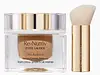
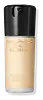
Estée Lauder Re-Nutriv Ultra Radiance Serum Creme Makeup Versus Mac Cosmetics Studio Radiance Serum-Powered Foundation

What's inside
What's inside
 Key Ingredients
Benefits
Concerns
Ingredients Side-by-side
Water
Skin ConditioningPhenyl Trimethicone
Skin Conditioning
Butylene Glycol
Humectant

Pentaerythrityl Tetraisostearate
Emollient

Dimethicone
Emollient
Caprylic/Capric Triglyceride
Masking
Butyloctyl Salicylate
Skin Conditioning

Glycerin
Humectant
Polyglyceryl-10 Decaoleate
Skin Conditioning
Lauryl PEG-9 Polydimethylsiloxyethyl Dimethicone
Skin Conditioning
Rhodochrosite Extract
Antioxidant
Dextrin Palmitate
Emulsifying
Diisostearyl Malate
EmollientDisteardimonium Hectorite
StabilisingPolymethylsilsesquioxane
Butyrospermum Parkii Butter
Skin Conditioning


Helianthus Annuus Seed Extract
Skin Conditioning
Citrullus Lanatus Fruit Extract
Skin Conditioning
Lens Esculenta Fruit Extract
Skin ConditioningSimmondsia Chinensis Seed Oil
Emollient
Pyrus Malus Fruit Extract
Skin Conditioning
Phoenix Dactylifera Fruit Extract
EmollientHordeum Vulgare Extract
EmollientBrassica Campestris Sterols
EmollientLaminaria Digitata Extract
Skin Protecting
Cucumis Sativus Fruit Extract
Emollient
Narcissus Tazetta Bulb Extract
Astringent

Pearl Powder
Nephrite Powder
Abrasive
Ruby Powder
Skin ConditioningGold
Cosmetic ColorantTocopherol
Antioxidant



Hydrolyzed Wheat Protein
Skin ConditioningOlivine Extract
Skin ConditioningAcetyl Glucosamine
Skin Conditioning
Cetyl PEG/PPG-10/1 Dimethicone
Emulsifying
Dimethicone/Vinyl Dimethicone Crosspolymer
Skin Conditioning
Methyl Trimethicone
Skin Conditioning
Propylene Glycol Dicaprate
EmollientCaprylyl Glycol
Emollient
Cholesterol
Emollient
Triethyl Citrate
Masking

Linoleic Acid
Cleansing
Disodium Stearoyl Glutamate
CleansingSodium Hyaluronate
Humectant
Sodium Lactate
Buffering
Sodium PCA
Humectant
Polyethylene
Abrasive
Hydroxyethyl Urea
Humectant
Magnesium Sulfate
Sapphire Powder
Boron Nitride
Absorbent
Trimethylsiloxysilicate
Emollient
Sorbitan Sesquioleate
Emulsifying
Dimethicone/PEG-10/15 Crosspolymer
Polyphenylsilsesquioxane
Lecithin
Emollient
Dipropylene Glycol
HumectantAluminum Dimyristate
Emulsion StabilisingTriethoxycaprylylsilane
Parfum
Masking
Sodium Metabisulfite
Antioxidant
Hydroxyacetophenone
Antioxidant
Tocopheryl Acetate
Antioxidant
BHT
Antioxidant
Sodium Citrate
BufferingPotassium Sorbate
Preservative
Sodium Benzoate
Masking
Phenoxyethanol
Preservative
Sorbic Acid
Preservative
CI 77891
Cosmetic ColorantMica
Cosmetic ColorantCI 77491
Cosmetic ColorantCI 77492
Cosmetic ColorantCI 77499
Cosmetic ColorantWater, Phenyl Trimethicone, Butylene Glycol, Pentaerythrityl Tetraisostearate, Dimethicone, Caprylic/Capric Triglyceride, Butyloctyl Salicylate, Glycerin, Polyglyceryl-10 Decaoleate, Lauryl PEG-9 Polydimethylsiloxyethyl Dimethicone, Rhodochrosite Extract, Dextrin Palmitate, Diisostearyl Malate, Disteardimonium Hectorite, Polymethylsilsesquioxane, Butyrospermum Parkii Butter, Helianthus Annuus Seed Extract, Citrullus Lanatus Fruit Extract, Lens Esculenta Fruit Extract, Simmondsia Chinensis Seed Oil, Pyrus Malus Fruit Extract, Phoenix Dactylifera Fruit Extract, Hordeum Vulgare Extract, Brassica Campestris Sterols, Laminaria Digitata Extract, Cucumis Sativus Fruit Extract, Narcissus Tazetta Bulb Extract, Pearl Powder, Nephrite Powder, Ruby Powder, Gold, Tocopherol, Hydrolyzed Wheat Protein, Olivine Extract, Acetyl Glucosamine, Cetyl PEG/PPG-10/1 Dimethicone, Dimethicone/Vinyl Dimethicone Crosspolymer, Methyl Trimethicone, Propylene Glycol Dicaprate, Caprylyl Glycol, Cholesterol, Triethyl Citrate, Linoleic Acid, Disodium Stearoyl Glutamate, Sodium Hyaluronate, Sodium Lactate, Sodium PCA, Polyethylene, Hydroxyethyl Urea, Magnesium Sulfate, Sapphire Powder, Boron Nitride, Trimethylsiloxysilicate, Sorbitan Sesquioleate, Dimethicone/PEG-10/15 Crosspolymer, Polyphenylsilsesquioxane, Lecithin, Dipropylene Glycol, Aluminum Dimyristate, Triethoxycaprylylsilane, Parfum, Sodium Metabisulfite, Hydroxyacetophenone, Tocopheryl Acetate, BHT, Sodium Citrate, Potassium Sorbate, Sodium Benzoate, Phenoxyethanol, Sorbic Acid, CI 77891, Mica, CI 77491, CI 77492, CI 77499
Water
Skin ConditioningPhenyl Trimethicone
Skin Conditioning
Tricaprylin
Perfuming
Glycerin
Humectant
Butylene Glycol
Humectant
C9-12 Alkane
SolventLauryl PEG-9 Polydimethylsiloxyethyl Dimethicone
Skin Conditioning
Octyldodecanol
Emollient
Trimethylsiloxysilicate
Emollient
Polyglyceryl-2 Triisostearate
Emulsifying
Olea Europaea Fruit Oil
Masking
Simmondsia Chinensis Seed Oil
Emollient
PPG-12/Smdi Copolymer
EmollientC12-15 Alkyl Benzoate
AntimicrobialPEG/PPG/Polybutylene Glycol-8/5/3 Glycerin
HumectantPolymethylsilsesquioxane
Sodium Hyaluronate
Humectant
Hydrolyzed Sodium Hyaluronate
Skin Conditioning
Helianthus Annuus Seed Extract
Skin Conditioning
Cucumis Sativus Fruit Extract
Emollient
Tremella Fuciformis Sporocarp Extract
Antioxidant
Hordeum Vulgare Extract
EmollientTocopheryl Acetate
Antioxidant
Sorbitol
Humectant
Trehalose
Humectant
Lecithin
Emollient
Disteardimonium Hectorite
StabilisingOctyldodecyl Xyloside
EmulsifyingPropylene Glycol Dicaprate
EmollientPolyglyceryl-3 Diisostearate
Emulsifying
Triethyl Citrate
Masking
Disodium Stearoyl Glutamate
CleansingPvp
Emulsion StabilisingSilica
Abrasive
Polysorbate 60
Emulsifying
Sorbitan Isostearate
Emulsifying
Betaine
Humectant
Dimethicone
Emollient
Hdi/PPG/Polycaprolactone Crosspolymer
Synthetic Fluorphlogopite
Tin Oxide
Abrasive
PEG-30 Dipolyhydroxystearate
Emulsifying
Hydroxyethyl Acrylate/Sodium Acryloyldimethyl Taurate Copolymer
Emulsion StabilisingAluminum Dimyristate
Emulsion StabilisingCitric Acid
Buffering
Silica Dimethicone Silylate
Absorbent
Triethoxycaprylylsilane
Hydroxyacetophenone
Antioxidant
BHT
Antioxidant
Disodium EDTA
ChelatingCaprylyl Glycol
Emollient
Sodium Dehydroacetate
Preservative
Potassium Sorbate
Preservative
Phenoxyethanol
Preservative
CI 77891
Cosmetic ColorantCI 77492
Cosmetic ColorantCI 77491
Cosmetic ColorantCI 77499
Cosmetic ColorantWater, Phenyl Trimethicone, Tricaprylin, Glycerin, Butylene Glycol, C9-12 Alkane, Lauryl PEG-9 Polydimethylsiloxyethyl Dimethicone, Octyldodecanol, Trimethylsiloxysilicate, Polyglyceryl-2 Triisostearate, Olea Europaea Fruit Oil, Simmondsia Chinensis Seed Oil, PPG-12/Smdi Copolymer, C12-15 Alkyl Benzoate, PEG/PPG/Polybutylene Glycol-8/5/3 Glycerin, Polymethylsilsesquioxane, Sodium Hyaluronate, Hydrolyzed Sodium Hyaluronate, Helianthus Annuus Seed Extract, Cucumis Sativus Fruit Extract, Tremella Fuciformis Sporocarp Extract, Hordeum Vulgare Extract, Tocopheryl Acetate, Sorbitol, Trehalose, Lecithin, Disteardimonium Hectorite, Octyldodecyl Xyloside, Propylene Glycol Dicaprate, Polyglyceryl-3 Diisostearate, Triethyl Citrate, Disodium Stearoyl Glutamate, Pvp, Silica, Polysorbate 60, Sorbitan Isostearate, Betaine, Dimethicone, Hdi/PPG/Polycaprolactone Crosspolymer, Synthetic Fluorphlogopite, Tin Oxide, PEG-30 Dipolyhydroxystearate, Hydroxyethyl Acrylate/Sodium Acryloyldimethyl Taurate Copolymer, Aluminum Dimyristate, Citric Acid, Silica Dimethicone Silylate, Triethoxycaprylylsilane, Hydroxyacetophenone, BHT, Disodium EDTA, Caprylyl Glycol, Sodium Dehydroacetate, Potassium Sorbate, Phenoxyethanol, CI 77891, CI 77492, CI 77491, CI 77499
Reviews
Ingredients Explained
These ingredients are found in both products.
Ingredients higher up in an ingredient list are typically present in a larger amount.
Aluminum Dimyristate is the salt of myristic acid, a fatty acid. It is used to stabilize a formula, add thickness, or for anti-caking. That's why you'll mostly find this ingredient in makeup products.
Like other aluminum salts in topical products, this ingredient does not significantly penetrate intact skin.
Although “aluminum” in an ingredient name can raise red flags for some consumers, the form and usage context matter significantly.
For typical topical applications, there is no substantial evidence of health risks - such as cancer, neurotoxicity, or systemic “aluminum overload.”
Learn more about Aluminum DimyristateBHT is a synthetic antioxidant and preservative.
As an antioxidant, it helps your body fight off free-radicals. Free-radicals are molecules that may damage your skin cells.
As a preservative, it is used to stabilize products and prevent them from degrading. Specifically, BHT prevents degradation from oxidation.
The concerns related to BHT come from oral studies; this ingredient is currently allowed for use by both the FDA and EU.
However, it was recently restricted for use in the UK as of April 2024.
Learn more about BHTButylene Glycol (or BG) is used within cosmetic products for a few different reasons:
Overall, Butylene Glycol is a safe and well-rounded ingredient that works well with other ingredients.
Though this ingredient works well with most skin types, some people with sensitive skin may experience a reaction such as allergic rashes, closed comedones, or itchiness.
Learn more about Butylene GlycolCaprylyl Glycol is a humectant, skin conditioner, emollient, and preservative booster derived from either caprylic acid or synthetically created.
Typical use levels vary from 0.3-1% as a preservative booster and go up to 2% to condition skin.
Because it is not a free-fatty acid, this ingredient is fungal acne safe (there's nothing for Malassezia to feed on).
Learn more about Caprylyl GlycolCi 77491 is also hydrated iron III oxide. It's sole purpose is to give a red/pink hue to products.
Iron III oxides are classified as inorganic chemicals for coloring.
Synthetically created Ci 77491 is considered safer than those naturally found. This is because the synthetically created version may contain less impurities. Iron oxides are generally non-toxic and non-allergenic.
Learn more about CI 77491CI 77492 is also hydrated iron III oxide. It's sole purpose is to give a yellow hue to products.
Iron III oxides are classified as inorganic chemicals for coloring.
Synthetically created CI 77492 is considered safer than those naturally found. This is because the synthetically created version may contain less impurities. Iron oxides are generally non-toxic and non-allergenic.
Learn more about CI 77492Ci 77499 is also hydrated iron III oxide. It is created from mixing red and black iron oxides. This helps give shades of darkness to a product.
Iron III oxides are classified as inorganic chemicals for coloring.
Ci 77891 is a white pigment from Titanium dioxide. It is naturally found in minerals such as rutile and ilmenite.
It's main function is to add a white color to cosmetics. It can also be mixed with other colors to create different shades.
Ci 77891 is commonly found in sunscreens due to its ability to block UV rays.
Learn more about CI 77891This extract comes from cucumber. Cucumbers are mostly made up of water (95%), and the other 5% is composed of: vitamin C, caffeic acid, fatty acids, amino acids, and other minerals.
Cucumbers have anti-inflammatory, barrier repair, and hydrating properties.
They contain shikimate dehydrigenase, an enzyme shown to help reduce inflammation and soothe the skin.
The amino acids found in cucumbers help nourish our skin's natural acid mantle (it's an important part of our skin barrier). This slightly acidic film acts as a barrier to protect us from bacteria, viruses, and other contaminants.
Unless you have an allergy to cucumbers, this is generally a non-irritating ingredient.
Fun fact: Cucumis Sativus is native to South Asia and can now be found on every continent.
Learn more about Cucumis Sativus Fruit ExtractDimethicone is a type of synthetic silicone created from natural materials such as quartz. It is also known as polydimethylsiloxane.
What it does:
Dimethicone comes in different viscosities:
Depending on the viscosity, dimethicone has different properties.
Ingredients lists don't always show which type is used, so we recommend reaching out to the brand if you have questions about the viscosity.
This ingredient is unlikely to cause irritation because it does not get absorbed into skin. However, people with silicone allergies should be careful about using this ingredient.
Note: Dimethicone may contribute to pilling. This is because it is not oil or water soluble, so pilling may occur when layered with products. When mixed with heavy oils in a formula, the outcome is also quite greasy.
Learn more about DimethiconeDSG is used as a surfactant.
Surfactants are cleansing ingredients that help remove oil, dirt, and other impurities from the skin. They work by reducing surface tension between water and oils/dirt to allow them to be easily rinsed away.
Disteardimonium Hectorite comes from the clay mineral named hectorite. It is used to add thickness to a product.
It can also help stabilize a product by helping to disperse other ingredients.
Hectorite is a rare, white clay mineral.
Learn more about Disteardimonium HectoriteGlycerin (or glycerol) is a compound naturally found in your skin. It's a powerhouse humectant that pulls water into the stratum corneum.
Topically, glycerin does several things at once:
Your skin makes glycerin on its own (mostly from sebaceous oil breakdown) and shuttles it to your outermost layer of skin, or your epidermis, via aquaporin-3.
Aquaporin-3 is a transporter that is essential for normal skin hydration, elasticity, and repair. Interestingly, mice lacking in AQP3 have dry and less elastic skin that can be fully corrected with glycerin.
This ingredient is non-irritating, plays well with almost every ingredient, and works across all skin types. Typical use is anywhere between 3-10% but can go up to 79% in some leave-on products.
Just know very high concentrations (>40%) can feel tacky in low humidity.
Glycerin is the name for this ingredient in American English. British English uses Glycerol/Glycerine.
Learn more about GlycerinHelianthus Annuus Seed Extract comes from sunflower seeds.
Sunflower seeds are rich in vitamin E. Studies show sunflowers contain antimicrobial and antioxidant properties.
The fatty acids found in sunflower seeds include (from highest amount to least): linoleic acid, myristic acid, palmitic acid, stearic acid, arachidic acid, oleic acid, and linolenic acid.
These fatty acids hydrate your skin. Emollients create a film on the skin to prevent moisture from escaping.
Learn more about Helianthus Annuus Seed ExtractHordeum Vulgare Extract is an extract of barley, the same grain used in beer and bread.
In skincare, it is a skin conditioning and hydrating agent. This ingredient contains polyphenols, vitamin E, and trace minerals like zinc, copper, and selenium that help neutralize free radicals behind oxidative skin stress.
Lab studies on human skin cells show it can support the skin barrier, boost cell survival, and speed repair after UV exposure.
The Cosmetic Ingredient Review Expert Panel has reviewed 16 barley-derived ingredients and concluded they're safe as used with the highest reported use concentration being 1.5% (in leave-on body/hand products).
Patch testing has also found it not to be a skin irritant or sensitizer at cosmetic levels.
However, barley is a recognized food allergen so people with a known barley/grain allergy should approach it cautiously.
Note: This ingredient is not gluten-free for those avoiding gluten for skin-contact reasons.
Learn more about Hordeum Vulgare ExtractHydroxyacetophenone is a small phenolic molecule that earns its place in a formulas as an antioxidant and preservative booster.
As a phenol, it is able to neutralize free radicals to protect both the product and the skin from oxidative stress.
Though it can't kill microbes on its own, it works as a good supporting agent when combined with other preservatives like Phenoxyethanol or 1,2-Hexanediol.
This ingredient naturally occurs as piceol in Norwegian spruce needles (~0.4-1.1% dry weight and in cloudberries). Though the cosmetic-grade material is synthesized for purity and consistency.
You'll usually see it used at low levels and suppliers recommend up to 1% added to a water phase.
Safety testing was done at concentrations like 0.05% in SPF products and 0.5% in a Human Repeated Insult Patch Test. The safety evidence is assuring; this ingredient is safe for cosmetics in current use and also holds safety status as a food flavoring as well.
An honest caveat: the "soothing" and "anti-inflammatory" claims come mostly from supplier marketing rather than published clinical trials. The Cosmetic Ingredient Review's own literature search found no useful efficacy studies on this ingredient.
So the antioxidant and preservative-boosting roles are the well supported ones while the calming benefit is plausible but thinly evidenced.
Overall, this is a well-tolerated, low-irritation multitasker that quietly helps a formula stay fresh and stable.
Learn more about HydroxyacetophenoneThis is a silicone-polyether copolymer with skin conditioning, emulsifying, texture enhancing, and surfactant properties. It is used to help blend water and silicone based ingredients to improve slip and spreadability.
Due to its large molecular size and hydrophilic-lipophilic structure (it loves both oil and water), this ingredient is minimally absorbed into the skin.
Lecithin is a term for a group of substances found in the cell membranes of plants, animals, and humans. They are made up of phospholipids.
Thanks to its amphiphilic structure (water-loving head and oil-loving tail), it is a true multitasker:
It plays well with most ingredients and is typically used at 0.1-1%. However, concentrations up to 50% have been reported in moisturizers.
Learn more about LecithinPhenoxyethanol is one of the most widely used preservatives in skincare (and for good reason!).
It has a large spectrum of antimicrobial activity and especially effective bacteria, yeast, and mold while only having a weak effect on your skin's natural microbiome.
On a cellular level, it disrupts the cell membranes of microbes by poking holes that make the cell leak. This shuts down the chemical reactions the microbe needs to make energy so it can no longer survive.
Another perk of this ingredient is that it stays functional across a wide pH range (3-10).
You'll often see it paired with boosters like Ethylhexylglycerin; one study showed that a 1:9 ratio of Ethylhexylglycerin to Phenoxyethanol damages bacterial membranes as effectively as doubling the Phenoxyethanol concentration on its own.
Typical use concentrations range from 0.3-1% depending on the formula, and this ingredient is capped at 1% int the EU.
Safety-wise, the fear mongering does not hold up to the evidence. The EU's Scientific Committee on Consumer Safety and FDA consider it safe as a preservative at up to 1%, including for children of all ages.
Adverse systemic effects only showed up in animal studies at exposures roughly 200x higher than what people get from cosmetics. And despite its very widespread use, this ingredient is a rare sensitizer and allergic reactions are uncommon.
Learn more about PhenoxyethanolPhenyl Trimethicone is a silicon-based polymer. It is derived from silica.
Phenyl Trimethicone is used as an emollient and prevents products from foaming.
As an emollient, it helps trap moisture in the skin. It is considered an occlusive.
Learn more about Phenyl TrimethiconePolymethylsilsesquioxane is a silicone used as a film forming agent.
When applied to the skin, this ingredient creates an invisible film on the surface. This film still allows oxygen to pass through, but prevents moisture from escaping. This can help condition and hydrate the skin. It also leaves a silky feel when applied.
Polymethylsilsesquioxane has not been shown to clog pores. It has been deemed safe to use up to 55%, but most cosmetics use much less.
If you have concerns about using this ingredient, we recommend speaking with a professional.
Learn more about PolymethylsilsesquioxanePotassium Sorbate is a preservative used to prevent yeast and mold in products. It is commonly found in both cosmetic and food products.
This ingredient comes from potassium salt derived from sorbic acid. Sorbic acid is a natural antibiotic and effective against fungus.
Both potassium sorbate and sorbic acid can be found in baked goods, cheeses, dried meats, dried fruit, ice cream, pickles, wine, yogurt, and more.
You'll often find this ingredient used with other preservatives.
Learn more about Potassium SorbatePropylene Glycol Dicaprate is an emollient and emulsifier. It is created from a mixture of fatty acids.
Jojoba oil is one of the most well-studied plant-derived ingredients in cosmetics. It is an emollient with a special structure.
Because it is made up of 97-98% wax esters, it closely mirrors the linear monoesters found in human sebum. This makes it skin compatible, non-greasy, and lightweight.
Unlike other plant oils, jojoba wax doesn't easily penetrate skin. It mostly works in the uppermost layers as an emollient. This just means it forms a light barrier on the skin to help retain moisture.
Formulations with jojoba esters up to 90% reduced transepidermal water loss (TEWL) and increased barrier recovery by 81% (outperforming bisabolol at 47%).
Besides barrier support, the science also suggests jojoba to have anti-inflammatory effects and potential applications for skin infections, aging, and wound healing.
Fun fact: Indigenous cultures have used jojoba as a moisturizer and to help treat burns for centuries.
Fungal acne: The Malassezia yeast is known to metabolize fatty acids in the C11-24 range and jojoba's dominant fatty acid components fall into this range. This ingredient may not be fungal acne safe.
Learn more about Simmondsia Chinensis Seed OilSodium Hyaluronate is the salt form of hyaluronic acid. It is a long sugar chain that is naturally found in your skin, joints, and connective tissue that maintains hydration and elasticity.
In skincare, it works as a humectant. It pulls water from the environment and deeper layers of skin and binds it to the surface.
Interestingly, the size of the molecule affects its behavior:
Some clinical evidence links low molecular weight versions to improved wrinkle depth, elasticity, anti-inflammatory effects, and barrier repair.
Many serums use a blend of both weights so you can get surface hydration plus longer-lasting and deeper effects.
You'll typically see concentrations between 0.1-2% for this ingredient.
Learn more about Sodium HyaluronateTocopheryl Acetate is a stable, shelf-friendly form of vitamin E.
Formulators love it because plain vitamin E oxidizes quickly once it hits air. This acetate version stays stable and resists going off, helping to extend a product's shelf life.
It's actually inactive on its own and works like a slow-release "storage" form; the enzymes in your skin called esterases gradually convert it into active vitamin E over time.
One in vivo study showed 5% of the acetate in the living layer of the epidermis converted to vitamin E after 5 days of application. This study also found the skin gained protection against UV damage even though the conversion was slow and small.
Once converted, vitamin E acts as a skin's main fat-soluble antioxidant that fights free radicals to protect skin from damage.
Topical vitamin E generally boosts the skin's photoprotection, and it reduced UV-damage in animal models.
This ingredient has some brightening potential but it's more of a prevention ingredient than spot-fader. Cell studies show it can slow down melanin production but it's worth noting that it's not the most powerful brightener out there.
Overall, it has a pretty solid safety profile and has been found to be non-irritating and non-comedogenic. Allergic reactions may happen but stay rare due to how widely the ingredient gets used.
The concentration will vary depending on the formula; industry data shows 0.1% in baby lotions, 3% in lipsticks, and 5% in foot powders. You can also find this ingredient at 100% in a pure vitamin E oil.
Most leave-on skincare keeps it at the lower end, often between 0.5-1%.
Learn more about Tocopheryl AcetateTriethoxycaprylylsilane is a silicon-based surface modifier that makes sunscreens feel silky and makeup stay put.
Its main job is to coat mineral particles like titanium dioxide, zinc oxide, and color pigments in a thin, oily layer so they spread smoothly, don't clump, and stick to skin better.
This ingredient is typically used at low levels (up to 2.5% in eyeshadow and 1% in lipstick).
Learn more about TriethoxycaprylylsilaneTriethyl Citrate comes from citric acid. It has masking, perfuming, and solvent properties. As a solvent, this ingredient helps disperse ingredients evenly in skincare.
One manufacturer claims this ingredient can:
According to perfume manufacturers, this ingredient is almost odorless but has a mild fruity, wine and plum scent. It can be used to mask the scent of other ingredients.
This ingredient can be plant-sourced or synthetic; it can naturally be found in cabbage and white wine.
Learn more about Triethyl CitrateThis silicone is an emollient. Emollients create a thin film on the skin to prevent moisture from escaping.
It is not soluble in water and helps increase water-resistance in products.
According to a manufacturer, it can blend seamlessly with silicone oils, such as Cyclopentasiloxane.
Learn more about TrimethylsiloxysilicateWater. It's the most common cosmetic ingredient of all. You'll usually see it at the top of ingredient lists, meaning that it makes up the largest part of the product.
So why is it so popular? Water most often acts as a solvent - this means that it helps dissolve other ingredients into the formulation.
You'll also recognize water as that liquid we all need to stay alive. If you see this, drink a glass of water. Remember to stay hydrated!
Learn more about Water

