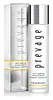
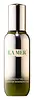
Elizabeth Arden PREVAGE® Anti-Aging Antioxidant Infusion Essence Versus La Mer The Regenerating Serum
This anti-aging essence is formulated around Saccharomyces Ferment Filtrate and Hydroxydecyl Ubiquinone to soften the look of wrinkles and brighten dull-looking skin.
This anti-aging serum is formulated around Niacinamide and Acetyl Hexapeptide-8 to soften the look of wrinkles and strengthen the skin barrier.

What's inside
What's inside
 Key Ingredients
Benefits
Concerns
Ingredients Side-by-side
Water
Skin ConditioningSaccharomyces Ferment Filtrate
Humectant




Butylene Glycol
Humectant
Glycerin
Humectant
PEG-8 Dimethicone
Emulsifying
Alcohol
Antimicrobial



Alcohol Denat.
Antimicrobial
C12-15 Alkyl Benzoate
AntimicrobialCamellia Sinensis Leaf Extract
Antimicrobial





Caprylyl Glycol
Emollient
Carnosine
Skin Conditioning
Ceratonia Siliqua Seed Extract
Skin ConditioningCetyl Palmitate
Emollient
Cholesterol
Emollient
Citric Acid
Buffering
Dipropylene Glycol
HumectantErgothioneine
Antioxidant
Ferulic Acid
Antimicrobial
Hexylene Glycol
EmulsifyingHydrogenated Phosphatidylcholine
Emulsifying
Hydroxydecyl Ubiquinone
Antioxidant
Magnesium Ascorbyl Phosphate
Antioxidant

Parfum
Masking

PEG-100 Stearate
Surfactant
Pentylene Glycol
Skin Conditioning
Polysorbate 20
Emulsifying
Resveratrol
Antioxidant
Sodium Hyaluronate
Humectant
Sodium Laureth Sulfate
Cleansing
Sodium PCA
Humectant
Xanthan Gum
EmulsifyingChlorphenesin
Antimicrobial
Phenoxyethanol
Preservative
Sodium Benzoate
Masking
Water, Saccharomyces Ferment Filtrate, Butylene Glycol, Glycerin, PEG-8 Dimethicone, Alcohol, Alcohol Denat., C12-15 Alkyl Benzoate, Camellia Sinensis Leaf Extract, Caprylyl Glycol, Carnosine, Ceratonia Siliqua Seed Extract, Cetyl Palmitate, Cholesterol, Citric Acid, Dipropylene Glycol, Ergothioneine, Ferulic Acid, Hexylene Glycol, Hydrogenated Phosphatidylcholine, Hydroxydecyl Ubiquinone, Magnesium Ascorbyl Phosphate, Parfum, PEG-100 Stearate, Pentylene Glycol, Polysorbate 20, Resveratrol, Sodium Hyaluronate, Sodium Laureth Sulfate, Sodium PCA, Xanthan Gum, Chlorphenesin, Phenoxyethanol, Sodium Benzoate
Water
Skin ConditioningAlgae Extract
Emollient
Dimethicone
Emollient
Hdi/Trimethylol Hexyllactone Crosspolymer
Hydrogenated Polyisobutene
EmollientCaprylic/Capric/Myristic/Stearic Triglyceride
EmollientDimethicone/Vinyl Dimethicone Crosspolymer
Skin Conditioning
PEG-8 Dimethicone
Emulsifying
Triethylhexanoin
MaskingPEG-10 Dimethicone
Skin Conditioning
Polysilicone-11
Macadamia Integrifolia Seed Oil
Skin Conditioning
Decyl Glucoside
Cleansing
Glyceryl Triacetyl Ricinoleate
Emollient
Glycerin
Humectant
Niacinamide
Smoothing

Sesamum Indicum Seed Oil
Emollient
Medicago Sativa Seed Powder
Skin ConditioningHelianthus Annuus Seedcake
Abrasive
Prunus Amygdalus Dulcis Seed Meal
Abrasive
Eucalyptus Globulus Leaf Oil
Perfuming

Sodium Gluconate
ChelatingCopper Gluconate
Skin Conditioning
Calcium Gluconate
HumectantMagnesium Gluconate
Skin ConditioningZinc Gluconate
Skin Conditioning
Tocopheryl Succinate
Antioxidant
Niacin
SmoothingSesamum Indicum Seed Powder
Skin ConditioningCitrus Aurantifolia Peel Extract
Cleansing
Narcissus Tazetta Bulb Extract
Astringent
Citrus Reticulata Peel Extract
Skin ConditioningHumulus Lupulus Extract
AntimicrobialMimosa Tenuiflora Bark Extract
Skin ProtectingRosmarinus Officinalis Leaf Extract
AntimicrobialMelilotus Officinalis Extract
AstringentHydrolyzed Wheat Protein
Skin ConditioningHydrolyzed Yeast Protein
Skin ConditioningMarrubium Vulgare Extract
Skin ConditioningEryngium Maritimum Extract
TonicBifida Ferment Lysate
Skin Conditioning
Polygonum Cuspidatum Root Extract
Antioxidant
Adenosine Phosphate
Skin ConditioningAcetyl Carnitine Hcl
Skin ConditioningCreatine
Skin ConditioningCladosiphon Okamuranus Extract
Skin Conditioning
Punica Granatum Fruit Juice
MaskingNordihydroguaiaretic Acid
Antioxidant
Whey Protein
Skin ConditioningEthylbisiminomethylguaiacol Manganese Chloride
Antioxidant
Linolenic Acid
Cleansing
Caffeine
Skin Conditioning
Alcaligenes Polysaccharides
EmollientGelidiella Acerosa Extract
Skin Protecting
Dipotassium Glycyrrhizate
Humectant
Vitis Vinifera Seed Extract
Antimicrobial
Acetyl Hexapeptide-8
Humectant
Glycine Soja Seed Extract
Skin Conditioning
Gold
Cosmetic ColorantHydrolyzed Soy Protein
Humectant
Hydrogenated Lecithin
Emulsifying
Phenyl Trimethicone
Skin Conditioning
Ammonium Acryloyldimethyltaurate/Beheneth-25 Methacrylate Crosspolymer
Emulsion StabilisingIsododecane
EmollientHypnea Musciformis Extract
Skin Protecting
Tocopheryl Acetate
Antioxidant
Sigesbeckia Orientalis Extract
Skin ConditioningDipalmitoyl Hydroxyproline
Skin Conditioning
Acetyl Glucosamine
Skin Conditioning
Linoleic Acid
Cleansing
Micrococcus Lysate
Skin ConditioningTourmaline
Glycosaminoglycans
EmollientSoy Amino Acids
Skin ConditioningButylene Glycol
Humectant
Laminaria Digitata Extract
Skin Protecting
Faex Extract
Skin ConditioningTrisiloxane
Skin Conditioning
Tartaric Acid
Buffering
Tetraacetylphytosphingosine
Skin ConditioningDextrin
AbsorbentTocopherol
Antioxidant
Pentylene Glycol
Skin Conditioning
Bis-Stearyl Dimethicone
Emollient
Laureth-12
EmulsifyingPotassium Sorbate
Preservative
Parfum
Masking
Caprylyl Glycol
Emollient
Lecithin
Emollient
Hydroxypropyl Cyclodextrin
MaskingMaltodextrin
Absorbent
Cyclodextrin
AbsorbentAlcohol Denat.
Antimicrobial
Sodium Hydroxide
BufferingXanthan Gum
EmulsifyingSilica
Abrasive
Citric Acid
Buffering
Glutathione
Polymethylsilsesquioxane
Disodium EDTA
ChelatingBHT
Antioxidant
Phenoxyethanol
Preservative
Limonene
Perfuming
Linalool
Perfuming
Hydroxycitronellal
Perfuming
Citronellol
Perfuming
Geraniol
Perfuming
CI 61570
Cosmetic ColorantWater, Algae Extract, Dimethicone, Hdi/Trimethylol Hexyllactone Crosspolymer, Hydrogenated Polyisobutene, Caprylic/Capric/Myristic/Stearic Triglyceride, Dimethicone/Vinyl Dimethicone Crosspolymer, PEG-8 Dimethicone, Triethylhexanoin, PEG-10 Dimethicone, Polysilicone-11, Macadamia Integrifolia Seed Oil, Decyl Glucoside, Glyceryl Triacetyl Ricinoleate, Glycerin, Niacinamide, Sesamum Indicum Seed Oil, Medicago Sativa Seed Powder, Helianthus Annuus Seedcake, Prunus Amygdalus Dulcis Seed Meal, Eucalyptus Globulus Leaf Oil, Sodium Gluconate, Copper Gluconate, Calcium Gluconate, Magnesium Gluconate, Zinc Gluconate, Tocopheryl Succinate, Niacin, Sesamum Indicum Seed Powder, Citrus Aurantifolia Peel Extract, Narcissus Tazetta Bulb Extract, Citrus Reticulata Peel Extract, Humulus Lupulus Extract, Mimosa Tenuiflora Bark Extract, Rosmarinus Officinalis Leaf Extract, Melilotus Officinalis Extract, Hydrolyzed Wheat Protein, Hydrolyzed Yeast Protein, Marrubium Vulgare Extract, Eryngium Maritimum Extract, Bifida Ferment Lysate, Polygonum Cuspidatum Root Extract, Adenosine Phosphate, Acetyl Carnitine Hcl, Creatine, Cladosiphon Okamuranus Extract, Punica Granatum Fruit Juice, Nordihydroguaiaretic Acid, Whey Protein, Ethylbisiminomethylguaiacol Manganese Chloride, Linolenic Acid, Caffeine, Alcaligenes Polysaccharides, Gelidiella Acerosa Extract, Dipotassium Glycyrrhizate, Vitis Vinifera Seed Extract, Acetyl Hexapeptide-8, Glycine Soja Seed Extract, Gold, Hydrolyzed Soy Protein, Hydrogenated Lecithin, Phenyl Trimethicone, Ammonium Acryloyldimethyltaurate/Beheneth-25 Methacrylate Crosspolymer, Isododecane, Hypnea Musciformis Extract, Tocopheryl Acetate, Sigesbeckia Orientalis Extract, Dipalmitoyl Hydroxyproline, Acetyl Glucosamine, Linoleic Acid, Micrococcus Lysate, Tourmaline, Glycosaminoglycans, Soy Amino Acids, Butylene Glycol, Laminaria Digitata Extract, Faex Extract, Trisiloxane, Tartaric Acid, Tetraacetylphytosphingosine, Dextrin, Tocopherol, Pentylene Glycol, Bis-Stearyl Dimethicone, Laureth-12, Potassium Sorbate, Parfum, Caprylyl Glycol, Lecithin, Hydroxypropyl Cyclodextrin, Maltodextrin, Cyclodextrin, Alcohol Denat., Sodium Hydroxide, Xanthan Gum, Silica, Citric Acid, Glutathione, Polymethylsilsesquioxane, Disodium EDTA, BHT, Phenoxyethanol, Limonene, Linalool, Hydroxycitronellal, Citronellol, Geraniol, CI 61570
Alternatives
Ingredients Explained
These ingredients are found in both products.
Ingredients higher up in an ingredient list are typically present in a larger amount.
Alcohol Denat. is an alcohol with a denaturant property. It is created by mixing ethanol with other additives.
The "denat" part just means "denatured"; common denaturants include Denatonium Benzoate, t-butyl alcohol, and Diethyl Phthalate. This step makes the alcohol undrinkable (and lets brand skip taxes related to beverage alcohol).
This ingredient gets a bad rep because it is irritating and drying due to its astringent property. Astringents draw out natural oils in tissue to constrict pores and dry out your skin.
However, alcohol denat. is not all that bad.
Due to its low molecular weight, alcohol denat. tends to evaporate quickly. One study on pig skin found half of applied alcohol evaporated in 10 seconds and less than 3% stayed on skin.
This also helps other ingredients become better absorbed upon application.
Studies are conflicted about whether this ingredient causes skin dehydration. One study from 2005 found adding emollients to propanol-based sanitizer decreased skin dryness and irritation. Another study found irritation only occurs if your skin is already damaged.
Small amounts of alcohol are generally tolerated by oily skin or people who live in humid environments.
The rule of thumb is this ingredient will probably not affect your skin much if it is near the end of an ingredients list.
One thing to note:
People with ALDH2 (aldehyde dehydrogenase 2) deficiency may experience skin irritation from continued alcohol use. About 8% of the world's population have this deficiency.
The Cosmetic Ingredient Review Expert Panel has determined denatured alcohols to be safe for use in concentrations between 0.05% and 12% (depending on which denaturant is used).
Also...
This ingredient has antimicrobial and solvent properties.
The antimicrobial property helps preserve products and increase their shelf life. As a solvent, it helps dissolve other ingredients.
Look for formulas that contain glycerin, hyaluronic acid, or panthenol if you want to offset any drying effect.
This ingredient will trip away your skin's natural oils/lipids that help it lock in moisture. This can worsen dryness, trigger eczema flare-ups, and aggravate rosacea.
Be sure to patch test any product with this ingredient if you have dry or sensitive skin, eczema, or rosacea.
Learn more about Alcohol Denat.Butylene Glycol (or BG) is used within cosmetic products for a few different reasons:
Overall, Butylene Glycol is a safe and well-rounded ingredient that works well with other ingredients.
Though this ingredient works well with most skin types, some people with sensitive skin may experience a reaction such as allergic rashes, closed comedones, or itchiness.
Learn more about Butylene GlycolCaprylyl Glycol is a humectant, skin conditioner, emollient, and preservative booster derived from either caprylic acid or synthetically created.
Typical use levels vary from 0.3-1% as a preservative booster and go up to 2% to condition skin.
Because it is not a free-fatty acid, this ingredient is fungal acne safe (there's nothing for Malassezia to feed on).
Learn more about Caprylyl GlycolCitric Acid is an alpha hydroxy acid (AHA) naturally found in citrus fruits like oranges, lemons, and limes.
Like other AHAs, citric acid can exfoliate skin by breaking down the bonds that hold dead skin cells together. This helps reveal smoother and brighter skin underneath.
However, this exfoliating effect only happens at high concentrations (20%) which can be hard to find in cosmetic products.
Due to this, citric acid is usually included in small amounts as a pH adjuster. This helps keep products slightly more acidic and compatible with skin's natural pH.
In skincare formulas, citric acid can:
While it can provide some skin benefits, research shows lactic acid and glycolic acid are generally more effective and less irritating exfoliants.
Most citric acid used in skincare today is made by fermenting sugars (usually from molasses). This synthetic version is identical to the natural citrus form but easier to stabilize and use in formulations.
Rosacea skin has a lower threshold for acids generally, with 62.5% of rosacea subjects in one study reacting to lactic acid in a sting test. This is why we mark citric acid as a potential rosacea trigger.
However, this ingredient shows up as a pH adjuster or chelator at roughly 0.1-1% in many products. These low levels are unlikely to be an issue for rosacea skin and becomes a potential trigger at exfoliating concentrations (20%). Because everybody's skin is unique, we recommend a patch test if you are unsure.
Learn more about Citric AcidGlycerin (or glycerol) is a compound naturally found in your skin. It's a powerhouse humectant that pulls water into the stratum corneum.
Topically, glycerin does several things at once:
Your skin makes glycerin on its own (mostly from sebaceous oil breakdown) and shuttles it to your outermost layer of skin, or your epidermis, via aquaporin-3.
Aquaporin-3 is a transporter that is essential for normal skin hydration, elasticity, and repair. Interestingly, mice lacking in AQP3 have dry and less elastic skin that can be fully corrected with glycerin.
This ingredient is non-irritating, plays well with almost every ingredient, and works across all skin types. Typical use is anywhere between 3-10% but can go up to 79% in some leave-on products.
Just know very high concentrations (>40%) can feel tacky in low humidity.
Glycerin is the name for this ingredient in American English. British English uses Glycerol/Glycerine.
Learn more about GlycerinParfum is a catch-all term for an ingredient or more that is used to give a scent to products.
Also called "fragrance", this ingredient can be a blend of hundreds of chemicals or plant oils. This means every product with "fragrance" or "parfum" in the ingredients list is a different mixture.
For instance, Habanolide is a proprietary trade name for a specific aroma chemical. When used as a fragrance ingredient in cosmetics, most aroma chemicals fall under the broad labeling category of “FRAGRANCE” or “PARFUM” according to EU and US regulations.
The term 'parfum' or 'fragrance' is not regulated in many countries. In many cases, it is up to the brand to define this term.
For instance, many brands choose to label themselves as "fragrance-free" because they are not using synthetic fragrances. However, their products may still contain ingredients such as essential oils that are considered a fragrance by INCI standards.
One example is Calendula flower extract. Calendula is an essential oil that still imparts a scent or 'fragrance'.
Depending on the blend, the ingredients in the mixture can cause allergies and sensitivities on the skin. Some ingredients that are known EU allergens include linalool and citronellol.
Parfum can also be used to mask or cover an unpleasant scent.
The bottom line is: not all fragrances/parfum/ingredients are created equally. If you are worried about fragrances, we recommend taking a closer look at an ingredient. And of course, we always recommend speaking with a professional.
Learn more about ParfumPeg-8 Dimethicone is a water-soluble silicone. It reduces tackiness, boosts moisture, and enhances the spreadability of products.
Pentylene Glycol (1,2-pentanediol) is a multitasking little diol with three main roles in a formula:
Research on alkanediols (the family pentylene glycol belongs to) show they work by disrupting microbial cell membranes. This disruption helps the primary preservative system in a product work more effectively at lower doses.
On the safety side, the Cosmetic Ingredient Review Expert Panel has concluded this ingredient to be safe as used in current cosmetic practices + concentrations.
Typical use levels in a formula run about 1-5%.
Learn more about Pentylene GlycolPhenoxyethanol is one of the most widely used preservatives in skincare (and for good reason!).
It has a large spectrum of antimicrobial activity and especially effective bacteria, yeast, and mold while only having a weak effect on your skin's natural microbiome.
On a cellular level, it disrupts the cell membranes of microbes by poking holes that make the cell leak. This shuts down the chemical reactions the microbe needs to make energy so it can no longer survive.
Another perk of this ingredient is that it stays functional across a wide pH range (3-10).
You'll often see it paired with boosters like Ethylhexylglycerin; one study showed that a 1:9 ratio of Ethylhexylglycerin to Phenoxyethanol damages bacterial membranes as effectively as doubling the Phenoxyethanol concentration on its own.
Typical use concentrations range from 0.3-1% depending on the formula, and this ingredient is capped at 1% int the EU.
Safety-wise, the fear mongering does not hold up to the evidence. The EU's Scientific Committee on Consumer Safety and FDA consider it safe as a preservative at up to 1%, including for children of all ages.
Adverse systemic effects only showed up in animal studies at exposures roughly 200x higher than what people get from cosmetics. And despite its very widespread use, this ingredient is a rare sensitizer and allergic reactions are uncommon.
Learn more about PhenoxyethanolWater. It's the most common cosmetic ingredient of all. You'll usually see it at the top of ingredient lists, meaning that it makes up the largest part of the product.
So why is it so popular? Water most often acts as a solvent - this means that it helps dissolve other ingredients into the formulation.
You'll also recognize water as that liquid we all need to stay alive. If you see this, drink a glass of water. Remember to stay hydrated!
Learn more about WaterXanthan gum is used as a stabilizer and thickener within cosmetic products. It helps give products a sticky, thick feeling - preventing them from being too runny.
On the technical side of things, xanthan gum is a polysaccharide - a combination consisting of multiple sugar molecules bonded together.
Xanthan gum is a pretty common and great ingredient. It is a natural, non-toxic, non-irritating ingredient that is also commonly used in food products.
Learn more about Xanthan Gum

