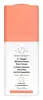
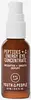
Drunk Elephant C-Tango Multivitamin Eye Cream Versus Youth To The People Peptides + C Energy Eye Concentrate
This anti-aging eye moisturizer is formulated around Sodium Ascorbyl Phosphate and Tetrahexyldecyl Ascorbate to soften the look of wrinkles and brighten dull-looking skin.
This anti-aging eye moisturizer is formulated around Ascorbyl Glucoside and Palmitoyl Tetrapeptide-7 to soften the look of wrinkles and brighten dull-looking skin.

What's inside
What's inside
 Key Ingredients
Benefits
Concerns
Ingredients Side-by-side
Water
Skin ConditioningGlycerin
Humectant


Dicaprylyl Carbonate
EmollientCetearyl Alcohol
Emollient






Caprylic/Capric Triglyceride
Masking
Hydroxyethyl Acrylate/Sodium Acryloyldimethyl Taurate Copolymer
Emulsion StabilisingSodium Ascorbyl Phosphate
Antioxidant






Cetearyl Olivate
Sorbitan Olivate
Emulsifying
Sclerocarya Birrea Seed Oil
Humectant
Persea Gratissima Oil
Skin Conditioning
Plukenetia Volubilis Seed Oil
Emollient
Magnesium Ascorbyl Phosphate
Antioxidant
Ceteareth-6 Olivate
EmulsifyingTetrahexyldecyl Ascorbate
Antioxidant
Ascorbyl Glucoside
Antioxidant
Ascorbyl Palmitate
Antioxidant
Palmitoyl Tripeptide-1
Skin Conditioning
Glycine Soja Sterols
Emollient
Linoleic Acid
Cleansing

Phospholipids
Skin Conditioning
Ceramide NP
Skin Conditioning
Glycine Soja Protein
EmulsifyingCeramide AP
Skin Conditioning
Phytosphingosine
Skin Conditioning
Cholesterol
Emollient
Ceramide EOP
Skin Conditioning
Cucumis Sativus Fruit Extract
Emollient
Camellia Sinensis Leaf Extract
Antimicrobial
Palmitoyl Dipeptide-5 Diaminobutyroyl Hydroxythreonine
Skin Conditioning
Palmitoyl Dipeptide-5 Diaminohydroxybutyrate
Skin Conditioning
Dipeptide Diaminobutyroyl Benzylamide Diacetate
Skin Conditioning
Sodium Hyaluronate Crosspolymer
Humectant
C12-15 Alkyl Benzoate
AntimicrobialPanthenol
Skin Conditioning
Dipotassium Glycyrrhizate
Humectant
Hesperidin Methyl Chalcone
Antioxidant
Dipeptide-2
Skin Conditioning
Palmitoyl Tetrapeptide-7
Skin Conditioning
Fragaria Ananassa Seed Extract
Antioxidant
Medicago Sativa Extract
TonicMorus Alba Leaf Extract
Skin ConditioningHydrolyzed Rice Protein
Skin ConditioningSpilanthes Acmella Flower Extract
Skin ConditioningAloe Barbadensis Leaf Juice
Skin Conditioning
Ubiquinone
Antioxidant
Superoxide Dismutase
Antioxidant
Palmitoyl Tripeptide-38
Skin Conditioning
Acetyl Hexapeptide-8
Humectant
Pyrus Malus Fruit Extract
Skin Conditioning
Phytic Acid
Chelating
Actinidia Chinensis Fruit Extract
EmollientVaccinium Myrtillus Leaf Extract
AstringentTocopherol
Antioxidant
Thioctic Acid
Antioxidant
N-Hydroxysuccinimide
Skin ConditioningChrysin
Skin ConditioningMica
Cosmetic ColorantEthylhexyl Palmitate
Emollient
Phenoxyethanol
Preservative
Pentylene Glycol
Skin Conditioning
Sodium Lauroyl Lactylate
EmulsifyingTitanium Dioxide
Cosmetic Colorant

Hydroxypropyl Cyclodextrin
MaskingSodium Benzoate
Masking
Xanthan Gum
EmulsifyingCarbomer
Emulsion StabilisingTocopheryl Acetate
Antioxidant
Sodium Dextran Sulfate
Gel FormingSorbitan Isostearate
Emulsifying
Caprylyl Glycol
Emollient
Steareth-20
CleansingChlorhexidine Digluconate
Antimicrobial
Citric Acid
Buffering
Chlorphenesin
Antimicrobial
Polysorbate 60
Emulsifying
Potassium Sorbate
Preservative
Ethylhexylglycerin
Skin ConditioningWater, Glycerin, Dicaprylyl Carbonate, Cetearyl Alcohol, Caprylic/Capric Triglyceride, Hydroxyethyl Acrylate/Sodium Acryloyldimethyl Taurate Copolymer, Sodium Ascorbyl Phosphate, Cetearyl Olivate, Sorbitan Olivate, Sclerocarya Birrea Seed Oil, Persea Gratissima Oil, Plukenetia Volubilis Seed Oil, Magnesium Ascorbyl Phosphate, Ceteareth-6 Olivate, Tetrahexyldecyl Ascorbate, Ascorbyl Glucoside, Ascorbyl Palmitate, Palmitoyl Tripeptide-1, Glycine Soja Sterols, Linoleic Acid, Phospholipids, Ceramide NP, Glycine Soja Protein, Ceramide AP, Phytosphingosine, Cholesterol, Ceramide EOP, Cucumis Sativus Fruit Extract, Camellia Sinensis Leaf Extract, Palmitoyl Dipeptide-5 Diaminobutyroyl Hydroxythreonine, Palmitoyl Dipeptide-5 Diaminohydroxybutyrate, Dipeptide Diaminobutyroyl Benzylamide Diacetate, Sodium Hyaluronate Crosspolymer, C12-15 Alkyl Benzoate, Panthenol, Dipotassium Glycyrrhizate, Hesperidin Methyl Chalcone, Dipeptide-2, Palmitoyl Tetrapeptide-7, Fragaria Ananassa Seed Extract, Medicago Sativa Extract, Morus Alba Leaf Extract, Hydrolyzed Rice Protein, Spilanthes Acmella Flower Extract, Aloe Barbadensis Leaf Juice, Ubiquinone, Superoxide Dismutase, Palmitoyl Tripeptide-38, Acetyl Hexapeptide-8, Pyrus Malus Fruit Extract, Phytic Acid, Actinidia Chinensis Fruit Extract, Vaccinium Myrtillus Leaf Extract, Tocopherol, Thioctic Acid, N-Hydroxysuccinimide, Chrysin, Mica, Ethylhexyl Palmitate, Phenoxyethanol, Pentylene Glycol, Sodium Lauroyl Lactylate, Titanium Dioxide, Hydroxypropyl Cyclodextrin, Sodium Benzoate, Xanthan Gum, Carbomer, Tocopheryl Acetate, Sodium Dextran Sulfate, Sorbitan Isostearate, Caprylyl Glycol, Steareth-20, Chlorhexidine Digluconate, Citric Acid, Chlorphenesin, Polysorbate 60, Potassium Sorbate, Ethylhexylglycerin
Water
Skin ConditioningCaprylic/Capric Triglyceride
Masking
Propanediol
Solvent
Glycerin
Humectant
Sodium Acrylates Copolymer
Citrus Junos Seed Oil
Emollient
Panthenol
Skin Conditioning
Ascorbyl Glucoside
Antioxidant
Hylocereus Undatus Fruit Extract
Skin ConditioningIlex Guayusa Leaf Extract
Skin ProtectingIlex Paraguariensis Leaf Extract
Perfuming
Jania Rubens Extract
Skin Conditioning
Lactobacillus Ferment
Skin Conditioning
Maltodextrin
Absorbent
Malus Domestica Fruit Cell Culture Extract
Skin ConditioningMomordica Cochinchinensis Seed Extract
Skin ConditioningPunica Granatum Seed Extract
Skin ConditioningSodium Carrageenan
Emulsion StabilisingAdenosine
Skin Conditioning
Biotin
AntiseborrhoeicCaffeine
Skin Conditioning
Caprylyl Glycol
Emollient
Chrysin
Skin ConditioningDipeptide-2
Skin Conditioning
Hesperidin Methyl Chalcone
Antioxidant
Hydroxyacetophenone
Antioxidant
N-Hydroxysuccinimide
Skin ConditioningPalmitoyl Tetrapeptide-7
Skin Conditioning
Palmitoyl Tripeptide-1
Skin Conditioning
Sodium Hyaluronate
Humectant
Sodium Hydroxide
Buffering1,2-Hexanediol
Skin Conditioning
Niacinamide
Smoothing

Tocopherol
Antioxidant
Alcohol
Antimicrobial


Cellulose
Absorbent
CI 77891
Cosmetic ColorantCitric Acid
Buffering
Ethylhexylglycerin
Skin ConditioningHydroxyethylcellulose
Emulsion StabilisingLecithin
Emollient
Sodium Acetate
BufferingSodium Citrate
BufferingSteareth-20
CleansingSynthetic Fluorphlogopite
Tin Oxide
Abrasive
Xanthan Gum
EmulsifyingChlorhexidine Digluconate
Antimicrobial
Phenoxyethanol
Preservative
Potassium Sorbate
Preservative
Sodium Benzoate
Masking
Water, Caprylic/Capric Triglyceride, Propanediol, Glycerin, Sodium Acrylates Copolymer, Citrus Junos Seed Oil, Panthenol, Ascorbyl Glucoside, Hylocereus Undatus Fruit Extract, Ilex Guayusa Leaf Extract, Ilex Paraguariensis Leaf Extract, Jania Rubens Extract, Lactobacillus Ferment, Maltodextrin, Malus Domestica Fruit Cell Culture Extract, Momordica Cochinchinensis Seed Extract, Punica Granatum Seed Extract, Sodium Carrageenan, Adenosine, Biotin, Caffeine, Caprylyl Glycol, Chrysin, Dipeptide-2, Hesperidin Methyl Chalcone, Hydroxyacetophenone, N-Hydroxysuccinimide, Palmitoyl Tetrapeptide-7, Palmitoyl Tripeptide-1, Sodium Hyaluronate, Sodium Hydroxide, 1,2-Hexanediol, Niacinamide, Tocopherol, Alcohol, Cellulose, CI 77891, Citric Acid, Ethylhexylglycerin, Hydroxyethylcellulose, Lecithin, Sodium Acetate, Sodium Citrate, Steareth-20, Synthetic Fluorphlogopite, Tin Oxide, Xanthan Gum, Chlorhexidine Digluconate, Phenoxyethanol, Potassium Sorbate, Sodium Benzoate
Reviews
Ingredients Explained
These ingredients are found in both products.
Ingredients higher up in an ingredient list are typically present in a larger amount.
Ascorbyl Glucoside (AA-2G) is one of the most stable vitamin C derivatives out there.
It's made by attaching a glucose molecule to ascorbic acid; this glucose "cap" shields the vitamin C from air, light, heat, and metal ions that normally cause pure ascorbic acid to oxidize.
Once on your skin, the enzyme alpha-glucosidase snips off the glucose and gradually releases active ascorbic acid right where it's needed. Basically, it behaves like a slow-release pro-vitamin C with less of a stinging that high-strength ascorbic acid can cause.
The research supports the classic vitamin C benefits as well. In lab and human studies, AA-2G slowed down the skin's production of melanin (the pigment behind dark spots) and helped shield skin cells against sun damage better than ascorbyl phosphate.
These studies also showed AA-2G released vitamin C over a longer period.
A frequently cited manufacturer trial found that a 2% AA-2G face cream significantly improved wrinkle depth and skin roughness after 45 days.
And in 2009, a clinical trial showed it meaningfully lightened dark patches on the gums compared to a placebo.
There's also collagen-synthesis support (since vitamin C is a required cofactor for that) and an antioxidant effect too.
Typical usage is usually between 0.5-5% and most studies/products land around 2%.
AA-2G performs best when formulated at a mildly acidic pH (~5-7) which is much gentler than the pH that pure vitamin C demands (~2.5-3.5).
Just one thing worth knowing: the in-skin conversation rate is only about 55-60% by weight. So a 5% AA-2G product delivers roughly 2.75-3% of actual active vitamin C. On top of that, skin absorption is relatively low because the ingredient is water-soluble.
Learn more about Ascorbyl GlucosideCaprylic/Capric Triglyceride (aka MCT Oil) is a lightweight emollient, solvent, and texture enhancer. It is considered a skin-softener by helping to prevent moisture loss.
Though it behaves like an oil, it is not technically one due to its chemical composition. One perk of this ingredient is that it is very stable, resistant to oxidation, and unlikely to go rancid.
In practice, that translates to a long shelf life and a consistently elegant skin feel.
While there is an assumption Caprylic Triglyceride can clog pores due to it being derived from coconut oil, there is no research supporting this. Just patch test if you have concerns.
Fractionated coconut oil and MCT Oil are both listed as Caprylic/Capric Triglyceride according to INCI. This is because INCI names are based on the ingredient’s final chemical composition and not its marketing name or source.
This ingredient is treated as the gold standard fungal acne safe oil. Even though it is coconut derived, the problematic lauric acid is stripped out.
This leaves just caprylic (C8) and capric (C10) acid. These chain lengths actually trend antifungal; a 2020 study found caprylic acid was enough to disrupt Malassezia furfur cell membrane, with a caprylic acid derivative damaging membrane structures at concentrations as low as 0.2%.
Learn more about Caprylic/Capric TriglycerideCaprylyl Glycol is a humectant, skin conditioner, emollient, and preservative booster derived from either caprylic acid or synthetically created.
Typical use levels vary from 0.3-1% as a preservative booster and go up to 2% to condition skin.
Because it is not a free-fatty acid, this ingredient is fungal acne safe (there's nothing for Malassezia to feed on).
Learn more about Caprylyl GlycolChlorhexidine Digluconate is a preservative.
We don't have a description for Chrysin yet.
Citric Acid is an alpha hydroxy acid (AHA) naturally found in citrus fruits like oranges, lemons, and limes.
Like other AHAs, citric acid can exfoliate skin by breaking down the bonds that hold dead skin cells together. This helps reveal smoother and brighter skin underneath.
However, this exfoliating effect only happens at high concentrations (20%) which can be hard to find in cosmetic products.
Due to this, citric acid is usually included in small amounts as a pH adjuster. This helps keep products slightly more acidic and compatible with skin's natural pH.
In skincare formulas, citric acid can:
While it can provide some skin benefits, research shows lactic acid and glycolic acid are generally more effective and less irritating exfoliants.
Most citric acid used in skincare today is made by fermenting sugars (usually from molasses). This synthetic version is identical to the natural citrus form but easier to stabilize and use in formulations.
Rosacea skin has a lower threshold for acids generally, with 62.5% of rosacea subjects in one study reacting to lactic acid in a sting test. This is why we mark citric acid as a potential rosacea trigger.
However, this ingredient shows up as a pH adjuster or chelator at roughly 0.1-1% in many products. These low levels are unlikely to be an issue for rosacea skin and becomes a potential trigger at exfoliating concentrations (20%). Because everybody's skin is unique, we recommend a patch test if you are unsure.
Learn more about Citric AcidDipeptide-2 is a peptide. It can help to reduce the effects of aging.
Ethylhexylglycerin is created from glycerin. It is a multitasker ingredient that:
The CIR Expert Panel found minimal skin absorption or sensitization of any kind in a safety assessment. Though this ingredient is considered well-tolerated, a small number of cases of allergic dermatitis have been published since 2002. Just be sure to patch test if you are unsure.
Industry-reported use ranges from 8% in rinse-off products and 2% in leave-on formulations.
Learn more about EthylhexylglycerinGlycerin (or glycerol) is a compound naturally found in your skin. It's a powerhouse humectant that pulls water into the stratum corneum.
Topically, glycerin does several things at once:
Your skin makes glycerin on its own (mostly from sebaceous oil breakdown) and shuttles it to your outermost layer of skin, or your epidermis, via aquaporin-3.
Aquaporin-3 is a transporter that is essential for normal skin hydration, elasticity, and repair. Interestingly, mice lacking in AQP3 have dry and less elastic skin that can be fully corrected with glycerin.
This ingredient is non-irritating, plays well with almost every ingredient, and works across all skin types. Typical use is anywhere between 3-10% but can go up to 79% in some leave-on products.
Just know very high concentrations (>40%) can feel tacky in low humidity.
Glycerin is the name for this ingredient in American English. British English uses Glycerol/Glycerine.
Learn more about GlycerinHesperidin Methyl Chalcone (HMC) is a modified form of hesperidin, a citrus flavonoid. It has antioxidant properties.
In preclinical research, HMC has been studied for its ability to reduce oxidative stress and inflammation related to UVB exposure. Outside of cosmetics, HMC has been looked at for its effects on capillary leakage and swelling. This is why you'll often see this ingredient in eye creams.
Overall, HMC is a gentle and supportive ingredient. Further research is needed on the claims that this ingredient can "erase dark circles".
Learn more about Hesperidin Methyl ChalconeWe don't have a description for N-Hydroxysuccinimide yet.
Palmitoyl Tetrapeptide-7 (formerly Palmitoyl Tetrapeptide-3) is a synthetic peptide. Its main job is to fight what researchers call "inflammaging".
"Inflammaging" is the slow, low-grade chronic inflammation that quietly breaks down collagen as we age.
This ingredient calms down a specific inflammation signal in your skin cells (called IL-6). When left unchecked, this signal triggers enzymes that break down collagen and elastin.
Clinical testing showed statistically significant improvements in:
Studies also found the more of this ingredient used, the more your skin produces Collagen I, fibronectin, and hyaluronic acid.
You'll likely see this ingredient paired with Palmitoyl Tripeptide-1 in the well-known Matrixyl 3000 complex for enhanced anti-aging effects.
A 3% concentration applied twice daily for two months showed meaningful skin rejuvenation results in clinical panels.
Fungal acne note:
Usually a palmitic acid component can feed Malassezia in unbound form, but here is is covalently bonded to the peptide. This means it is very difficult for Malassezia to access, and therefore very unlikely to cause fungal acne.
Palmitoyl Tripeptide-1 (aka Pal-GHK) is a synthetic signal peptide made of three amino acids attached to palmitic acid.
That fatty acid attachment is the key: it boosts the peptide's ability to penetrate the skin barrier. This puts it closer to the dermal cells where it can actually make a difference.
Once there, it acts as a matrikine, a signaling peptide that prompts fibroblasts to produce more collagen, fibronectin, and hyaluronic acid.
In vitro studies show it can boost collagen production in skin cells even when UV-damaged skin samples were treated with it at a tiny concentration (it almost fully restored dermal collagen at 5ppm). It achieved this at 100x lower concentration than retinoic acid, which needed 500 ppm to do the same thing.
Human clinical data is promising, but modest:
A study of 23 female volunteers found a small but statistically significant increase (~4%) in skin thickness after treatment at 4 ppm.
A separate small trial of 15 women showed statistically significant reductions in wrinkle length, depth, and skin roughness after applying it twice daily for four weeks.
You'll likely see Pal-GHK paired with Palmitoyl Tetrapeptide-7 as part of the Matrixyl 3000 complex.
Fungal acne note:
Usually a palmitic acid component can feed Malassezia in unbound form, but here is is covalently bonded to the peptide. This means it is very difficult for Malassezia to access, and therefore very unlikely to cause fungal acne.
Panthenol is a common ingredient that helps hydrate and soothe the skin. It is found naturally in our skin and hair.
There are two forms of panthenol: D and L.
D-panthenol is also known as dexpanthenol. Most cosmetics use dexpanthenol or a mixture of D and L-panthenol.
Panthenol is famous due to its ability to go deeper into the skin's layers. Using this ingredient has numerous pros (and no cons):
Like hyaluronic acid, panthenol is a humectant. Humectants are able to bind and hold large amounts of water to keep skin hydrated.
This ingredient works well for wound healing. It works by increasing tissue in the wound and helps close open wounds.
Once oxidized, panthenol converts to pantothenic acid. Panthothenic acid is found in all living cells.
This ingredient is also referred to as pro-vitamin B5.
Learn more about PanthenolPhenoxyethanol is one of the most widely used preservatives in skincare (and for good reason!).
It has a large spectrum of antimicrobial activity and especially effective bacteria, yeast, and mold while only having a weak effect on your skin's natural microbiome.
On a cellular level, it disrupts the cell membranes of microbes by poking holes that make the cell leak. This shuts down the chemical reactions the microbe needs to make energy so it can no longer survive.
Another perk of this ingredient is that it stays functional across a wide pH range (3-10).
You'll often see it paired with boosters like Ethylhexylglycerin; one study showed that a 1:9 ratio of Ethylhexylglycerin to Phenoxyethanol damages bacterial membranes as effectively as doubling the Phenoxyethanol concentration on its own.
Typical use concentrations range from 0.3-1% depending on the formula, and this ingredient is capped at 1% int the EU.
Safety-wise, the fear mongering does not hold up to the evidence. The EU's Scientific Committee on Consumer Safety and FDA consider it safe as a preservative at up to 1%, including for children of all ages.
Adverse systemic effects only showed up in animal studies at exposures roughly 200x higher than what people get from cosmetics. And despite its very widespread use, this ingredient is a rare sensitizer and allergic reactions are uncommon.
Learn more about PhenoxyethanolPotassium Sorbate is a preservative used to prevent yeast and mold in products. It is commonly found in both cosmetic and food products.
This ingredient comes from potassium salt derived from sorbic acid. Sorbic acid is a natural antibiotic and effective against fungus.
Both potassium sorbate and sorbic acid can be found in baked goods, cheeses, dried meats, dried fruit, ice cream, pickles, wine, yogurt, and more.
You'll often find this ingredient used with other preservatives.
Learn more about Potassium SorbateSodium Benzoate is a preservative. It's used in both cosmetic and food products to inhibit the growth of mold and bacteria. It is typically produced synthetically.
Both the US FDA and EU Health Committee have approved the use of sodium benzoate. In the US, levels of 0.1% (of the total product) are allowed.
Sodium benzoate works as a preservative by inhibiting the growth of bacteria inside of cells. It prevents the cell from fermenting a type of sugar using an enzyme called phosphofructokinase.
It is the salt of benzoic acid. Foods containing sodium benzoate include soda, salad dressings, condiments, fruit juices, wines, and snack foods.
Studies for using ascorbic acid and sodium benzoate in cosmetics are lacking, especially in skincare routines with multiple steps.
We always recommend speaking with a professional, such as a dermatologist, if you have any concerns.
Learn more about Sodium BenzoateSteareth-20 is an emulsifier and solubilizer. It is created from stearyl alcohol with ~20 units of ethylene oxide to give it a strong preference for water.
As an emulsifier, it helps oil-in-water emulsions like lotions, creams, and cleansers stay stable. It also solubilizes small amounts of oil-loving ingredients (like fragrance) into water-based formulas.
You'll likely find this ingredient with steareth-2 (it's oil-loving sister) where the two work together to give products a cushiony feel.
Typical use levels sit at around 1-5% and this ingredient has been found to be non-irritating by the CIR Expert Panel.
Learn more about Steareth-20Tocopherol is a fat-soluble antioxidant known as Vitamin E.
You'll find this ingredient in the vast majority of skincare (for good reason). It works to neutralize free radicals, or unstable molecules generated by UV exposure, pollution, and other environmental stressors, before they can cause oxidative damage to your skin cells.
Topically applied tocopherol has been shown to protect against UV damage by ramping up the skin's own natural defense enzymes.
It also acts as a skin conditioning agent; some studies show that regular topical use can improve the skin's water-binding capacity over 2-4 weeks.
This ingredient is especially loved for being a team player. When combined with Vitamin C, the photoprotective effect of both ingredients roughly doubles and the combo also helps reduce UV-induced DNA damage.
This ingredient has some brightening potential but it's more of a prevention ingredient than spot-fader. Cell studies show it can slow down melanin production but it's worth noting that it's not the most powerful brightener out there.
In formulations, it also serves as a stabilizer that helps protect other oxidation-prone ingredients from degrading.
Concentrations usually range from 0.1-1% in most leave-on products.
Learn more about TocopherolWater. It's the most common cosmetic ingredient of all. You'll usually see it at the top of ingredient lists, meaning that it makes up the largest part of the product.
So why is it so popular? Water most often acts as a solvent - this means that it helps dissolve other ingredients into the formulation.
You'll also recognize water as that liquid we all need to stay alive. If you see this, drink a glass of water. Remember to stay hydrated!
Learn more about WaterXanthan gum is used as a stabilizer and thickener within cosmetic products. It helps give products a sticky, thick feeling - preventing them from being too runny.
On the technical side of things, xanthan gum is a polysaccharide - a combination consisting of multiple sugar molecules bonded together.
Xanthan gum is a pretty common and great ingredient. It is a natural, non-toxic, non-irritating ingredient that is also commonly used in food products.
Learn more about Xanthan Gum

