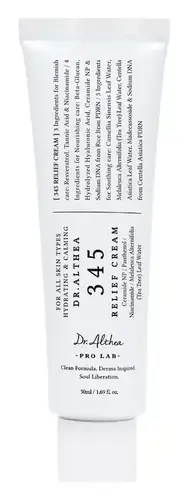
This anti-aging moisturizer is formulated around Niacinamide and Asiaticoside to soften the look of wrinkles and strengthen the skin barrier.
This barrier-repair day moisturizer is formulated around Simmondsia Chinensis Seed Oil and Butyrospermum Parkii Butter to strengthen the skin barrier and hydrate skin.


What's inside
What's inside
 Key Ingredients
No key ingredients
Benefits
Concerns
Ingredients Side-by-side
Water
Skin ConditioningDipropylene Glycol
HumectantHydrogenated Polydecene
EmollientCaprylic/Capric Triglyceride
Masking


Glycerin
Humectant
Pentaerythrityl Tetraethylhexanoate
Emollient
Glyceryl Stearate
Emollient

Cyclohexasiloxane
Emollient
Niacinamide
Smoothing









Cetyl Alcohol
Emollient
Polyglyceryl-6 Distearate
Emulsifying
Vinyldimethicone
Dicaprylyl Ether
Emollient
Polyglyceryl-10 Laurate
Skin Conditioning
Stearyl Alcohol
Emollient
Jojoba Esters
Emollient
Beeswax
Emulsion Stabilising


Panthenol
Skin Conditioning
1,2-Hexanediol
Skin Conditioning
Sodium Stearoyl Glutamate
CleansingMadecassic Acid
Skin Conditioning
Asiaticoside
Antioxidant
Xylitylglucoside
Humectant
Hydroxyethyl Acrylate/Sodium Acryloyldimethyl Taurate Copolymer
Emulsion StabilisingOlea Europaea Fruit Oil
Masking

Hydroxyacetophenone
Antioxidant
Anhydroxylitol
Humectant
Centella Asiatica Leaf Extract
Skin Conditioning
Asiatic Acid
Skin Conditioning
Glycoproteins
Skin Conditioning
Butylene Glycol
Humectant
Polyglyceryl-3 Beeswax
Emulsifying
Xylitol
Humectant
Centella Asiatica Oil
Antimicrobial
Methylpropanediol
SolventAllantoin
Skin Conditioning
Propanediol
Solvent
Candida Bombicola/Glucose/Methyl Rapeseedate Ferment
AntimicrobialCitrus Aurantium Dulcis Oil
Masking
Xanthan Gum
EmulsifyingHelianthus Annuus Seed Wax
Skin Conditioning
Ethylhexylglycerin
Skin ConditioningEthoxydiglycol
HumectantCitrus Nobilis Peel Oil
Masking
Glucose
Humectant
Disodium EDTA
ChelatingAdenosine
Skin Conditioning
Sorbitan Isostearate
Emulsifying
Lavandula Angustifolia Oil
Masking


Sodium Laurate
CleansingCyclodextrin
AbsorbentHydrolyzed Hyaluronic Acid
Humectant
Citrus Aurantium Bergamia Fruit Oil
Masking
Citrus Aurantium Dulcis Peel Oil
Masking
Rosmarinus Officinalis Leaf Oil
Masking
Litsea Cubeba Fruit Oil
Masking
Macadamia Ternifolia Seed Oil
Emollient
Polyglycerin-3
Humectant
Pvm/Ma Copolymer
Emulsion StabilisingLauric Acid
Cleansing
Sodium Polyacrylate
Absorbent
Octyldodecanol
Emollient
Glycine Soja Oil
Emollient
Hydrogenated Lecithin
Emulsifying
Glycolipids
Skin ConditioningCaffeine
Skin Conditioning
Madecassoside
Antioxidant
Centella Asiatica Extract
Cleansing
C12-13 Pareth-9
EmulsifyingCollagen Amino Acids
Moisturising
Ceramide NP
Skin Conditioning
Copaifera Officinalis Resin
MaskingCitrus Grandis Peel Oil
Masking
Juniperus Virginiana Oil
Masking
Cimicifuga Racemosa Root Extract
Antimicrobial
Silybum Marianum Extract
Skin Conditioning
Resveratrol
Antioxidant
Arginine
Masking
Taurine
BufferingGlycogen
HumectantHydrolyzed Elastin
EmollientEctoin
Skin Conditioning
Cedrus Atlantica Bark Oil
Masking
Retinol
Skin Conditioning
Lepidium Meyenii Root Extract
Skin ConditioningMaltodextrin
Absorbent
Ascorbic Acid
Antioxidant
Hydrolyzed Vegetable Protein
Skin ConditioningPelargonium Graveolens Flower Oil
Masking
Phytosphingosine
Skin Conditioning
Tocopherol
Antioxidant
Sucrose Distearate
Emollient
Sodium Hyaluronate
Humectant
Sodium DNA
Skin Conditioning
Jasminum Officinale Oil
Masking
Potassium Sorbate
Preservative
Phenoxyethanol
Preservative
Artemisia Absinthium Extract
Skin ConditioningMyrtus Communis Oil
Masking
Rose Flower Oil
Masking
Vanilla Planifolia Fruit Extract
Skin Conditioning
Cyanocobalamin
Skin ConditioningAspartic Acid
Masking
Ferula Galbaniflua Resin Oil
Antimicrobial
Glycine
Buffering
Glutamic Acid
Humectant
Limonene
Perfuming
Linalool
Perfuming
Citral
Perfuming
Camphor
Masking
Beta-Caryophyllene
Masking
Citrus Aurantium Peel Oil
Citrus Aurantium Bergamia Peel Oil
Perfuming
Lavandula Oil/Extract
Linalyl Acetate
Masking
Pinene
Masking
Water, Dipropylene Glycol, Hydrogenated Polydecene, Caprylic/Capric Triglyceride, Glycerin, Pentaerythrityl Tetraethylhexanoate, Glyceryl Stearate, Cyclohexasiloxane, Niacinamide, Cetyl Alcohol, Polyglyceryl-6 Distearate, Vinyldimethicone, Dicaprylyl Ether, Polyglyceryl-10 Laurate, Stearyl Alcohol, Jojoba Esters, Beeswax, Panthenol, 1,2-Hexanediol, Sodium Stearoyl Glutamate, Madecassic Acid, Asiaticoside, Xylitylglucoside, Hydroxyethyl Acrylate/Sodium Acryloyldimethyl Taurate Copolymer, Olea Europaea Fruit Oil, Hydroxyacetophenone, Anhydroxylitol, Centella Asiatica Leaf Extract, Asiatic Acid, Glycoproteins, Butylene Glycol, Polyglyceryl-3 Beeswax, Xylitol, Centella Asiatica Oil, Methylpropanediol, Allantoin, Propanediol, Candida Bombicola/Glucose/Methyl Rapeseedate Ferment, Citrus Aurantium Dulcis Oil, Xanthan Gum, Helianthus Annuus Seed Wax, Ethylhexylglycerin, Ethoxydiglycol, Citrus Nobilis Peel Oil, Glucose, Disodium EDTA, Adenosine, Sorbitan Isostearate, Lavandula Angustifolia Oil, Sodium Laurate, Cyclodextrin, Hydrolyzed Hyaluronic Acid, Citrus Aurantium Bergamia Fruit Oil, Citrus Aurantium Dulcis Peel Oil, Rosmarinus Officinalis Leaf Oil, Litsea Cubeba Fruit Oil, Macadamia Ternifolia Seed Oil, Polyglycerin-3, Pvm/Ma Copolymer, Lauric Acid, Sodium Polyacrylate, Octyldodecanol, Glycine Soja Oil, Hydrogenated Lecithin, Glycolipids, Caffeine, Madecassoside, Centella Asiatica Extract, C12-13 Pareth-9, Collagen Amino Acids, Ceramide NP, Copaifera Officinalis Resin, Citrus Grandis Peel Oil, Juniperus Virginiana Oil, Cimicifuga Racemosa Root Extract, Silybum Marianum Extract, Resveratrol, Arginine, Taurine, Glycogen, Hydrolyzed Elastin, Ectoin, Cedrus Atlantica Bark Oil, Retinol, Lepidium Meyenii Root Extract, Maltodextrin, Ascorbic Acid, Hydrolyzed Vegetable Protein, Pelargonium Graveolens Flower Oil, Phytosphingosine, Tocopherol, Sucrose Distearate, Sodium Hyaluronate, Sodium DNA, Jasminum Officinale Oil, Potassium Sorbate, Phenoxyethanol, Artemisia Absinthium Extract, Myrtus Communis Oil, Rose Flower Oil, Vanilla Planifolia Fruit Extract, Cyanocobalamin, Aspartic Acid, Ferula Galbaniflua Resin Oil, Glycine, Glutamic Acid, Limonene, Linalool, Citral, Camphor, Beta-Caryophyllene, Citrus Aurantium Peel Oil, Citrus Aurantium Bergamia Peel Oil, Lavandula Oil/Extract, Linalyl Acetate, Pinene
Water
Skin ConditioningSimmondsia Chinensis Seed Oil
Emollient
Alcohol
Antimicrobial
Glycerin
Humectant
Theobroma Cacao Seed Butter
Emollient
Butyrospermum Parkii Butter
Skin Conditioning
Hamamelis Virginiana Water
Astringent
Beeswax
Emulsion Stabilising
Glyceryl Stearate Citrate
Emollient
Tapioca Starch
Cetearyl Alcohol
Emollient
Lysolecithin
EmulsifyingIris Germanica Root Extract
Skin ConditioningHectorite
AbsorbentXanthan Gum
EmulsifyingGlyceryl Stearate
Emollient
Parfum
Masking
Limonene
Perfuming
Linalool
Perfuming
Citronellol
Perfuming
Geraniol
Perfuming
Citral
Perfuming
Eugenol
Perfuming
Water, Simmondsia Chinensis Seed Oil, Alcohol, Glycerin, Theobroma Cacao Seed Butter, Butyrospermum Parkii Butter, Hamamelis Virginiana Water, Beeswax, Glyceryl Stearate Citrate, Tapioca Starch, Cetearyl Alcohol, Lysolecithin, Iris Germanica Root Extract, Hectorite, Xanthan Gum, Glyceryl Stearate, Parfum, Limonene, Linalool, Citronellol, Geraniol, Citral, Eugenol
Reviews
Ingredients Explained
These ingredients are found in both products.
Ingredients higher up in an ingredient list are typically present in a larger amount.
Beeswax is natural wax produced by honey bees to build their honeycomb.
Because it forms a protective layer on your skin, it can help lock in moisture and reduce water loss. It is also widely used as a thickener and emulsifier in lip balms and lotions. Research suggests beeswax containing moisturizers can support skin barrier integrity.
In comedogenic testing, Beeswax scored a 0-2, which is on the low end. Whether or not a product clogs your pores really comes down to the formula as a whole (not any single ingredient on its own) and your skin.
Cera Alba is the white, bleached form of this ingredient.
Just so you know, beeswax is not vegan since it is animal-derived. It cannot be removed with water, but can be taken off with an oil cleanser.
People with a known Propolis allergy also report to have reactions from beeswax.
Beeswax's wax esters are derived primarily from palmitic and oleic acid (C16 and C18:1). Both of these fall within the C11-C24 feeding window.
The Malassezia yeast can potentially cleave these esters and release usable fatty acids, so this ingredient may not be fungal acne safe. However, not everyone will react to this ingredient.
Learn more about BeeswaxCitral is the molecule responsible for the fresh lemon scent in lemon, lime, and lemongrass. It is a fragrance ingredient that can be created from plant essential oils or synthetically.
Though Citral has documented antimicrobial activity against acne bacteria (which is where the marketing claims about it being good for acne-prone skin originate), real formulas use it at fragrance-level concentrations under 1% so there's likely no skin benefit.
You should know this ingredient is a known EU fragrance allergen.
Animal studies classifies this ingredient as a weak-to-moderate skin sensitizer and clinical patch testing on eczema patients confirmed it to be both a contact allergen and irritant.
The term 'citral' is a collective term for two geometric isomers: geranial/Citral A and neral/Citral B.
The term 'fragrance' is not regulated in many countries. In many cases, it is up to the brand to define this term. For instance, many brands choose to label themselves as "fragrance-free" because they are not using synthetic fragrances. However, their products may still contain ingredients such as essential oils that are considered a fragrance.
Learn more about CitralGlycerin (or glycerol) is a compound naturally found in your skin. It's a powerhouse humectant that pulls water into the stratum corneum.
Topically, glycerin does several things at once:
Your skin makes glycerin on its own (mostly from sebaceous oil breakdown) and shuttles it to your outermost layer of skin, or your epidermis, via aquaporin-3.
Aquaporin-3 is a transporter that is essential for normal skin hydration, elasticity, and repair. Interestingly, mice lacking in AQP3 have dry and less elastic skin that can be fully corrected with glycerin.
This ingredient is non-irritating, plays well with almost every ingredient, and works across all skin types. Typical use is anywhere between 3-10% but can go up to 79% in some leave-on products.
Just know very high concentrations (>40%) can feel tacky in low humidity.
Glycerin is the name for this ingredient in American English. British English uses Glycerol/Glycerine.
Learn more about GlycerinGlyceryl Stearate is made by reacting glycerin with stearic acid (typically sourced from plant oils like palm or coconut). It's an emulsifier, emollient, and mild occlusive.
Emulsifiers help ingredients like oil and water stay mixed so your formula stays nicely blended and uniform in texture.
This ingredient is typically used in concentrations between 1-10%. Studies have found it to be non-sensitizing, non-phototoxic, and non-photoallergenic.
A close cousin of this ingredient is Glyceryl Stearate SE ("self-emulsifying"). This just has a small amount of sodium or potassium stearate added so it can emulsify without a co-emulsifier.
Since this ingredient is an ester of a C18 fatty acid, it may not be fungal acne safe. The Malassezia yeast can potentially metabolize within the C11-C24 range.
Fun fact: The human body also creates Glyceryl Stearate naturally.
Learn more about Glyceryl StearateLimonene is a fragrance that adds scent and taste to a formulation.
It's found in the peel oil of citrus fruits and other plants such as lavender and eucalyptus. The scent of limonene is generally described as "sweet citrus".
Limonene acts as an antioxidant, meaning it helps neutralize free radicals.
When exposed to air, oxidized limonene may sensitize the skin. Because of this, limonene is often avoided by people with sensitive skin.
The term 'fragrance' is not regulated in many countries. In many cases, it is up to the brand to define this term. For instance, many brands choose to label themselves as "fragrance-free" because they are not using synthetic fragrances. However, their products may still contain ingredients such as essential oils that are considered a fragrance.
Learn more about LimoneneLinalool is a fragrance and helps add scent to products. It's derived from common plants such as cinnamon, mint, citrus, and lavender.
Like Limonene, this ingredient oxidizes when exposed to air. Oxidized linalool can cause allergies and skin sensitivity.
This ingredient has a scent that is floral, spicy tropical, and citrus-like.
Learn more about LinaloolWater. It's the most common cosmetic ingredient of all. You'll usually see it at the top of ingredient lists, meaning that it makes up the largest part of the product.
So why is it so popular? Water most often acts as a solvent - this means that it helps dissolve other ingredients into the formulation.
You'll also recognize water as that liquid we all need to stay alive. If you see this, drink a glass of water. Remember to stay hydrated!
Learn more about WaterXanthan gum is used as a stabilizer and thickener within cosmetic products. It helps give products a sticky, thick feeling - preventing them from being too runny.
On the technical side of things, xanthan gum is a polysaccharide - a combination consisting of multiple sugar molecules bonded together.
Xanthan gum is a pretty common and great ingredient. It is a natural, non-toxic, non-irritating ingredient that is also commonly used in food products.
Learn more about Xanthan Gum