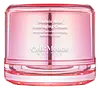
This anti-aging moisturizer is formulated around Niacinamide and Sodium DNA to soften the look of wrinkles and hydrate skin.
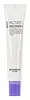
This barrier-repair moisturizer is formulated around Squalane and Asiaticoside to strengthen the skin barrier and calm redness.

What's inside
What's inside
 Key Ingredients
Benefits
Concerns
Ingredients Side-by-side
Water
Skin ConditioningPerfluorohexane
SolventButylene Glycol
Humectant

Glycerin
Humectant
Dicaprylyl Carbonate
EmollientCetearyl Alcohol
Emollient






Cyclopentasiloxane
Emollient
Glyceryl Stearate
Emollient
Niacinamide
Smoothing









Stearic Acid
Cleansing
Cyclohexasiloxane
Emollient
Hydroxyethyl Urea
Humectant
Polysorbate 60
Emulsifying
Isopropyl Myristate
Emollient
Perfluorodecalin
Skin ConditioningPerfluoromethylcyclopentane
Skin ConditioningHelianthus Annuus Seed Oil
Emollient
PEG-100 Stearate
Surfactant
Dimethicone
Emollient
Sorbitan Sesquioleate
Emulsifying
Chlorphenesin
Antimicrobial
Tocopheryl Acetate
Antioxidant

Panthenol
Skin Conditioning
Polyacrylamide
Helichrysum Italicum Flower Water
Skin ConditioningSaccharomyces Cerevisiae Extract
Skin Conditioning
Potassium Hydroxide
BufferingAlkanna Tinctoria Root Extract
Skin ConditioningC13-14 Isoparaffin
Emollient
Ethylhexylglycerin
Skin ConditioningHydroxypropyl Methylcellulose
Emulsion StabilisingSodium DNA
Skin Conditioning
Allantoin
Skin Conditioning
Parfum
Masking

Cocos Nucifera Oil
Masking
Adenosine
Skin Conditioning
Pullulan
Avena Sativa Kernel Extract
Abrasive
Disodium EDTA
ChelatingSalvia Hispanica Seed Extract
Emollient
Ocimum Basilicum Flower/Leaf/Stem Extract
TonicXanthan Gum
EmulsifyingLaureth-7
EmulsifyingBifida Ferment Lysate
Skin Conditioning
1,2-Hexanediol
Skin Conditioning
Centella Asiatica Extract
Cleansing
Porphyridium Cruentum Extract
Skin ConditioningPolygonum Cuspidatum Root Extract
Antioxidant
Scutellaria Baicalensis Root Extract
Astringent
Tocopherol
Antioxidant
Camellia Sinensis Leaf Extract
Antimicrobial
Macadamia Ternifolia Seed Oil
Emollient
Sodium Hyaluronate
Humectant
Glycyrrhiza Glabra Root Extract
Bleaching
Gardenia Taitensis Flower
Skin ConditioningBenzyl Alcohol
Perfuming

Rosmarinus Officinalis Leaf Extract
AntimicrobialChamomilla Recutita Flower Extract
Masking
Potassium Sorbate
Preservative
Dehydroacetic Acid
Preservative
Water, Perfluorohexane, Butylene Glycol, Glycerin, Dicaprylyl Carbonate, Cetearyl Alcohol, Cyclopentasiloxane, Glyceryl Stearate, Niacinamide, Stearic Acid, Cyclohexasiloxane, Hydroxyethyl Urea, Polysorbate 60, Isopropyl Myristate, Perfluorodecalin, Perfluoromethylcyclopentane, Helianthus Annuus Seed Oil, PEG-100 Stearate, Dimethicone, Sorbitan Sesquioleate, Chlorphenesin, Tocopheryl Acetate, Panthenol, Polyacrylamide, Helichrysum Italicum Flower Water, Saccharomyces Cerevisiae Extract, Potassium Hydroxide, Alkanna Tinctoria Root Extract, C13-14 Isoparaffin, Ethylhexylglycerin, Hydroxypropyl Methylcellulose, Sodium DNA, Allantoin, Parfum, Cocos Nucifera Oil, Adenosine, Pullulan, Avena Sativa Kernel Extract, Disodium EDTA, Salvia Hispanica Seed Extract, Ocimum Basilicum Flower/Leaf/Stem Extract, Xanthan Gum, Laureth-7, Bifida Ferment Lysate, 1,2-Hexanediol, Centella Asiatica Extract, Porphyridium Cruentum Extract, Polygonum Cuspidatum Root Extract, Scutellaria Baicalensis Root Extract, Tocopherol, Camellia Sinensis Leaf Extract, Macadamia Ternifolia Seed Oil, Sodium Hyaluronate, Glycyrrhiza Glabra Root Extract, Gardenia Taitensis Flower, Benzyl Alcohol, Rosmarinus Officinalis Leaf Extract, Chamomilla Recutita Flower Extract, Potassium Sorbate, Dehydroacetic Acid
Water
Skin ConditioningButylene Glycol
Humectant
Olea Europaea Fruit Oil
Masking
Glycerin
Humectant
Isododecane
EmollientSynthetic Wax
Abrasive
Squalane
Emollient
Cyclopentasiloxane
Emollient
Cetearyl Olivate
Cyclomethicone
Emollient
Cyclohexasiloxane
Emollient
1,2-Hexanediol
Skin Conditioning
Helianthus Annuus Seed Oil
Emollient
Glyceryl Stearate
Emollient
Sorbitan Olivate
Emulsifying
PEG-100 Stearate
Surfactant
Palmitic Acid
Emollient
Sodium Acrylates Copolymer
Stearic Acid
Cleansing
Dimethicone
Emollient
Lecithin
Emollient
C30-45 Olefin
Skin ConditioningPhenyl Methicone
Emollient
Betula Platyphylla Japonica Juice
Skin Conditioning
Ethylhexylglycerin
Skin ConditioningCitrus Aurantium Dulcis Oil
Masking
Portulaca Oleracea Extract
Skin Conditioning
Asiaticoside
Antioxidant
Asiatic Acid
Skin Conditioning
Madecassic Acid
Skin Conditioning
Stearoxytrimethylsilane
EmollientCitrus Limon Peel Oil
Masking

Disodium EDTA
ChelatingCitrus Aurantium Bergamia Fruit Oil
Masking
Coptis Japonica Extract
AntimicrobialGlycolic Acid
Buffering
Dimethyl Sulfone
SolventSalicylic Acid
Masking
Tocopherol
Antioxidant
Lavandula Angustifolia Oil
Masking
Dextrin
AbsorbentTheobroma Cacao Extract
Skin ConditioningSodium Hyaluronate
Humectant
Pelargonium Graveolens Flower Oil
Masking
Ocimum Basilicum Oil
Masking
Beta-Glucan
Skin Conditioning
Water, Butylene Glycol, Olea Europaea Fruit Oil, Glycerin, Isododecane, Synthetic Wax, Squalane, Cyclopentasiloxane, Cetearyl Olivate, Cyclomethicone, Cyclohexasiloxane, 1,2-Hexanediol, Helianthus Annuus Seed Oil, Glyceryl Stearate, Sorbitan Olivate, PEG-100 Stearate, Palmitic Acid, Sodium Acrylates Copolymer, Stearic Acid, Dimethicone, Lecithin, C30-45 Olefin, Phenyl Methicone, Betula Platyphylla Japonica Juice, Ethylhexylglycerin, Citrus Aurantium Dulcis Oil, Portulaca Oleracea Extract, Asiaticoside, Asiatic Acid, Madecassic Acid, Stearoxytrimethylsilane, Citrus Limon Peel Oil, Disodium EDTA, Citrus Aurantium Bergamia Fruit Oil, Coptis Japonica Extract, Glycolic Acid, Dimethyl Sulfone, Salicylic Acid, Tocopherol, Lavandula Angustifolia Oil, Dextrin, Theobroma Cacao Extract, Sodium Hyaluronate, Pelargonium Graveolens Flower Oil, Ocimum Basilicum Oil, Beta-Glucan
Ingredients Explained
These ingredients are found in both products.
Ingredients higher up in an ingredient list are typically present in a larger amount.
1,2-Hexanediol is a synthetic liquid and another multi-functional powerhouse.
It is a:
- Humectant, drawing moisture into the skin
- Emollient, helping to soften skin
- Solvent, dispersing and stabilizing formulas
- Preservative booster, enhancing the antimicrobial activity of other preservatives
Butylene Glycol (or BG) is used within cosmetic products for a few different reasons:
Overall, Butylene Glycol is a safe and well-rounded ingredient that works well with other ingredients.
Though this ingredient works well with most skin types, some people with sensitive skin may experience a reaction such as allergic rashes, closed comedones, or itchiness.
Learn more about Butylene GlycolCyclohexasiloxane is a type of silicone more commonly known as D6. It is an emollient and solvent.
Cyclohexasiloxane is used to evenly distribute ingredients throughout the product. When applied to the skin, Cyclohexasiloxane evaporates and leaves behind a silky feel.
As an emollient, it can help the skin feel soft and hydrated. It is also used to reduce frizz in hair products.
Learn more about CyclohexasiloxaneCyclopentasiloxane (D5) is a lightweight silicone that mostly acts as an emollient and solvent in cosmetics. Its the reason your products feel silky, fast-spreading, and non-greasy.
Since D5 is volatile, it does its thing and then evaporates off the skin quickly.
The safety profile of this ingredient is reassuring; the US CIR Expert Panel concluded D5 is safe as used in cosmetics and Health Canada concluded that D5 is not harmful to human health or the environment as currently used in cosmetics
There's a study that people mention about D5 in a rat study showing tumors. This study is related to long-term inhalation of high D5 levels.
Regulatory bodies have judged this study to be not applicable in topical skincare since skin absorption of D5 is very low and we're not really inhaling huge amounts of D5.
The only restriction for this ingredient is environmental. The European Chemicals Agency (ECHA) restricted D5 in wash-off cosmetics at or above 0.1% due to their persistence in water.
Learn more about CyclopentasiloxaneDimethicone is a type of synthetic silicone created from natural materials such as quartz. It is also known as polydimethylsiloxane.
What it does:
Dimethicone comes in different viscosities:
Depending on the viscosity, dimethicone has different properties.
Ingredients lists don't always show which type is used, so we recommend reaching out to the brand if you have questions about the viscosity.
This ingredient is unlikely to cause irritation because it does not get absorbed into skin. However, people with silicone allergies should be careful about using this ingredient.
Note: Dimethicone may contribute to pilling. This is because it is not oil or water soluble, so pilling may occur when layered with products. When mixed with heavy oils in a formula, the outcome is also quite greasy.
Learn more about DimethiconeDisodium EDTA is a chelating agent. It grabs onto and deactivates metal ions that sneak into your products from water, packaging, or air.
This ingredient mainly works behind the scenes and helps with:
On top of that, this ingredient can counteract the effects of hard water by binding to the minerals in it.
One thing worth knowing is that Disodium EDTA has been shown to be a mild penetration enhancer. It can help other ingredients absorb into skin more effectively which can be a double-edged sword (great for actives, but can also make the active too strong if you have sensitive skin).
Clinical patch testing showed no significant skin irritation at typical use concentrations and minimal dermal absorption.
You'll most likely see this ingredient near the end of an ingredient list. It's typically found in concentrations less than 1%.
Learn more about Disodium EDTAEthylhexylglycerin is created from glycerin. It is a multitasker ingredient that:
The CIR Expert Panel found minimal skin absorption or sensitization of any kind in a safety assessment. Though this ingredient is considered well-tolerated, a small number of cases of allergic dermatitis have been published since 2002. Just be sure to patch test if you are unsure.
Industry-reported use ranges from 8% in rinse-off products and 2% in leave-on formulations.
Learn more about EthylhexylglycerinGlycerin (or glycerol) is a compound naturally found in your skin. It's a powerhouse humectant that pulls water into the stratum corneum.
Topically, glycerin does several things at once:
Your skin makes glycerin on its own (mostly from sebaceous oil breakdown) and shuttles it to your outermost layer of skin, or your epidermis, via aquaporin-3.
Aquaporin-3 is a transporter that is essential for normal skin hydration, elasticity, and repair. Interestingly, mice lacking in AQP3 have dry and less elastic skin that can be fully corrected with glycerin.
This ingredient is non-irritating, plays well with almost every ingredient, and works across all skin types. Typical use is anywhere between 3-10% but can go up to 79% in some leave-on products.
Just know very high concentrations (>40%) can feel tacky in low humidity.
Glycerin is the name for this ingredient in American English. British English uses Glycerol/Glycerine.
Learn more about GlycerinGlyceryl Stearate is made by reacting glycerin with stearic acid (typically sourced from plant oils like palm or coconut). It's an emulsifier, emollient, and mild occlusive.
Emulsifiers help ingredients like oil and water stay mixed so your formula stays nicely blended and uniform in texture.
This ingredient is typically used in concentrations between 1-10%. Studies have found it to be non-sensitizing, non-phototoxic, and non-photoallergenic.
A close cousin of this ingredient is Glyceryl Stearate SE ("self-emulsifying"). This just has a small amount of sodium or potassium stearate added so it can emulsify without a co-emulsifier.
Since this ingredient is an ester of a C18 fatty acid, it may not be fungal acne safe. The Malassezia yeast can potentially metabolize within the C11-C24 range.
Fun fact: The human body also creates Glyceryl Stearate naturally.
Learn more about Glyceryl StearateHelianthus Annuus Seed Oil is a plant oil derived from the seeds of a sunflower.
It is rich in fatty acids, primarily linoleic acid and oleic acid. This gives it emollient and skin conditioning properties.
The reason this ingredient is so effective is because it forms a thin film on the skin that reduces transepidermal water loss (TEWL) while supplying linoleic acid to the stratum corneum to improve barrier strength.
The high linoleic acid content is particularly noteworthy for acne-prone skin.
Research suggests that acne-prone skin tends to be deficient in linoleic acid in sebum. Topical application may help replenish this to support a healthier follicular environment and less comedone-promoting sebum.
One randomized study found sunflower seed oil preserved skin barrier integrity in adult volunteers with and without atopic dermatitis (outperforming olive oil).
This ingredient is well-studied, gentle, and an effective emollient suitable for most skin types.
On fungal acne: This ingredient may not be Fungal acne (Malassezia folliculitis) safe. This is because it contains fatty acids with carbon chain lengths in the C11-C24 range.
Learn more about Helianthus Annuus Seed OilPeg-100 Stearate is an emollient and emulsifier. As an emollient, it helps keep skin soft by trapping moisture in. On the other hand, emulsifiers help prevent oil and water from separating in a product.
PEGS are a hydrophilic polyether compound . There are 100 ethylene oxide monomers in Peg-100 Stearate. Peg-100 Stearate is polyethylene glycol ester of stearic acid.
Sodium Hyaluronate is the salt form of hyaluronic acid. It is a long sugar chain that is naturally found in your skin, joints, and connective tissue that maintains hydration and elasticity.
In skincare, it works as a humectant. It pulls water from the environment and deeper layers of skin and binds it to the surface.
Interestingly, the size of the molecule affects its behavior:
Some clinical evidence links low molecular weight versions to improved wrinkle depth, elasticity, anti-inflammatory effects, and barrier repair.
Many serums use a blend of both weights so you can get surface hydration plus longer-lasting and deeper effects.
You'll typically see concentrations between 0.1-2% for this ingredient.
Learn more about Sodium HyaluronateStearic Acid is a fatty acid that is already found in your skin. It's one of the free fatty acids that works alongside ceramides and cholesterols to maintain your barrier.
In cosmetics, it is a multitasker:
Safety-wise, the CIR Expert Panel has concluded it to be safe in cosmetics when formulated to be non-irritating and non-sensitizing.
Free stearic acid is a C18 fatty acid that the Malassezia yeast can substrate, so this ingredient may not be fungal acne safe.
This ingredient does have a comedogenic rating of 2-3, but this doesn't mean a formula with this ingredient will clog pores.
Human testing has proved that any finished product with this ingredient won't automatically make you break out; it really comes down to concentration, formula, and your skin.
Learn more about Stearic AcidTocopherol is a fat-soluble antioxidant known as Vitamin E.
You'll find this ingredient in the vast majority of skincare (for good reason). It works to neutralize free radicals, or unstable molecules generated by UV exposure, pollution, and other environmental stressors, before they can cause oxidative damage to your skin cells.
Topically applied tocopherol has been shown to protect against UV damage by ramping up the skin's own natural defense enzymes.
It also acts as a skin conditioning agent; some studies show that regular topical use can improve the skin's water-binding capacity over 2-4 weeks.
This ingredient is especially loved for being a team player. When combined with Vitamin C, the photoprotective effect of both ingredients roughly doubles and the combo also helps reduce UV-induced DNA damage.
This ingredient has some brightening potential but it's more of a prevention ingredient than spot-fader. Cell studies show it can slow down melanin production but it's worth noting that it's not the most powerful brightener out there.
In formulations, it also serves as a stabilizer that helps protect other oxidation-prone ingredients from degrading.
Concentrations usually range from 0.1-1% in most leave-on products.
Learn more about TocopherolWater. It's the most common cosmetic ingredient of all. You'll usually see it at the top of ingredient lists, meaning that it makes up the largest part of the product.
So why is it so popular? Water most often acts as a solvent - this means that it helps dissolve other ingredients into the formulation.
You'll also recognize water as that liquid we all need to stay alive. If you see this, drink a glass of water. Remember to stay hydrated!
Learn more about Water


