
What's inside
What's inside
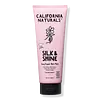 Key Ingredients
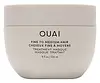
Benefits
Concerns
Ingredients Side-by-side
Water
Skin ConditioningGlycerin
Humectant


Butyrospermum Parkii Butter
Skin Conditioning




Cetyl Alcohol
Emollient

Stearyl Alcohol
Emollient
Behentrimonium Chloride
Preservative
Helianthus Annuus Seed Oil
Emollient
Mangifera Indica Seed Butter
Skin Conditioning
Panthenol
Skin Conditioning

Aleurites Moluccanus Seed Oil
Skin Conditioning
Argania Spinosa Kernel Oil
Emollient

Ricinus Communis Seed Oil
Masking
Cocos Nucifera Liquid Endosperm
Cocos Nucifera Water
Masking
Cocos Nucifera Fruit Juice
Emollient
Persea Gratissima Oil
Skin Conditioning
Lonicera Caprifolium Flower Extract
Perfuming
Lonicera Japonica Flower Extract
Skin ConditioningMelia Azadirachta Flower Extract
Skin ConditioningCoccinia Indica Fruit Extract
Skin Conditioning
Rosa Centifolia Flower Extract
Astringent
Croton Zambesicus Powder
Cetrimonium Chloride
Antimicrobial
Guar Hydroxypropyltrimonium Chloride
Skin ConditioningCI 77163
Cosmetic Colorant
Ethylhexylglycerin
Skin ConditioningSodium Benzoate
Masking
Potassium Sorbate
Preservative
Sodium Hyaluronate
Humectant

Althaea Officinalis Flower Extract
EmollientParfum
Masking

Water, Glycerin, Butyrospermum Parkii Butter, Cetyl Alcohol, Stearyl Alcohol, Behentrimonium Chloride, Helianthus Annuus Seed Oil, Mangifera Indica Seed Butter, Panthenol, Aleurites Moluccanus Seed Oil, Argania Spinosa Kernel Oil, Ricinus Communis Seed Oil, Cocos Nucifera Liquid Endosperm, Cocos Nucifera Water, Cocos Nucifera Fruit Juice, Persea Gratissima Oil, Lonicera Caprifolium Flower Extract, Lonicera Japonica Flower Extract, Melia Azadirachta Flower Extract, Coccinia Indica Fruit Extract, Rosa Centifolia Flower Extract, Croton Zambesicus Powder, Cetrimonium Chloride, Guar Hydroxypropyltrimonium Chloride, CI 77163, Ethylhexylglycerin, Sodium Benzoate, Potassium Sorbate, Sodium Hyaluronate, Althaea Officinalis Flower Extract, Parfum
Water
Skin ConditioningCetearyl Alcohol
Emollient
Behentrimonium Chloride
Preservative
Cetyl Alcohol
Emollient
Stearamidopropyl Dimethylamine
EmulsifyingCetyl Esters
Emollient
Hydrogenated Ethylhexyl Olivate
EmollientAmodimethicone

Isododecane
EmollientJojoba Esters
Emollient
Glycerin
Humectant
Butyrospermum Parkii Butter
Skin Conditioning
Panthenol
Skin Conditioning
Oryza Sativa Bran Oil
Emollient
Cocos Nucifera Water
Masking
Phyllostachys Bambusoides Juice
Skin ConditioningTamarindus Indica Seed Gum
Emulsion Stabilising
Laureth-9
EmulsifyingDaucus Carota Sativa Root Extract
Skin Conditioning
Hydrolyzed Hibiscus Esculentus Extract
Skin ConditioningJasminum Officinale Flower Extract
Masking
Nasturtium Officinale Extract
Perfuming
Helianthus Annuus Seed Oil
Emollient
Zingiber Officinale Root Extract
Masking
Amaranthus Caudatus Seed Extract
Skin Conditioning
Moringa Oleifera Seed Extract
Skin Conditioning
Hydrolyzed Linseed Extract
Skin ConditioningPisum Sativum Extract
Skin ConditioningCynara Scolymus Leaf Extract
Skin ConditioningArginine
Masking
Alanine
Masking
Glycine
Buffering
Histidine
Humectant
Isoleucine
Skin ConditioningPhenylalanine
Masking
Serine
Masking
Valine
MaskingProline
Skin Conditioning
Threonine
Aspartic Acid
Masking
Laurdimonium Hydroxypropyl Hydrolyzed Keratin
Skin ConditioningHydrolyzed Rice Protein
Skin ConditioningHydrolyzed Corn Protein
Skin ConditioningHydrolyzed Yeast Protein
Skin ConditioningEthylhexylglycerin
Skin ConditioningPropanediol
Solvent
Pentylene Glycol
Skin Conditioning
Parfum
Masking
Cetrimonium Chloride
Antimicrobial
Trideceth-12
EmulsifyingC11-15 Pareth-7
EmulsifyingPolysilicone-15
UV Filter
Hydrolyzed Vegetable Protein Pg-Propyl Silanetriol
Skin ConditioningCystine Bis-Pg-Propyl Silanetriol
Skin ConditioningSodium PCA
Humectant
PCA
Humectant
Diisostearyl Malate
EmollientPolysorbate 60
Emulsifying
Hydrogenated Olive Oil Unsaponifiables
Emollient
Leuconostoc/Radish Root Ferment Filtrate
Antimicrobial
Sodium Lactate
Buffering
Guar Hydroxypropyltrimonium Chloride
Skin ConditioningHydroxyethylcellulose
Emulsion StabilisingBHT
Antioxidant
Pentaerythrityl Tetra-Di-T-Butyl Hydroxyhydrocinnamate
Antioxidant
Disodium EDTA
ChelatingDisodium Phosphate
BufferingSodium Phosphate
BufferingIsopropyl Alcohol
Solvent

Tocopherol
Antioxidant

Rosmarinus Officinalis Leaf Extract
AntimicrobialSodium Benzoate
Masking
Gluconolactone
Chelating



Calcium Gluconate
HumectantPotassium Sorbate
Preservative
Trideceth-3
EmulsifyingTrideceth-15
EmulsifyingAcetic Acid
BufferingCitric Acid
Buffering
Phenoxyethanol
Preservative
Caprylyl Glycol
Emollient
Chlorphenesin
Antimicrobial
Benzoic Acid
Masking
Sorbic Acid
Preservative
Benzyl Alcohol
Perfuming
Citronellol
Perfuming
Linalool
Perfuming
Water, Cetearyl Alcohol, Behentrimonium Chloride, Cetyl Alcohol, Stearamidopropyl Dimethylamine, Cetyl Esters, Hydrogenated Ethylhexyl Olivate, Amodimethicone, Isododecane, Jojoba Esters, Glycerin, Butyrospermum Parkii Butter, Panthenol, Oryza Sativa Bran Oil, Cocos Nucifera Water, Phyllostachys Bambusoides Juice, Tamarindus Indica Seed Gum, Laureth-9, Daucus Carota Sativa Root Extract, Hydrolyzed Hibiscus Esculentus Extract, Jasminum Officinale Flower Extract, Nasturtium Officinale Extract, Helianthus Annuus Seed Oil, Zingiber Officinale Root Extract, Amaranthus Caudatus Seed Extract, Moringa Oleifera Seed Extract, Hydrolyzed Linseed Extract, Pisum Sativum Extract, Cynara Scolymus Leaf Extract, Arginine, Alanine, Glycine, Histidine, Isoleucine, Phenylalanine, Serine, Valine, Proline, Threonine, Aspartic Acid, Laurdimonium Hydroxypropyl Hydrolyzed Keratin, Hydrolyzed Rice Protein, Hydrolyzed Corn Protein, Hydrolyzed Yeast Protein, Ethylhexylglycerin, Propanediol, Pentylene Glycol, Parfum, Cetrimonium Chloride, Trideceth-12, C11-15 Pareth-7, Polysilicone-15, Hydrolyzed Vegetable Protein Pg-Propyl Silanetriol, Cystine Bis-Pg-Propyl Silanetriol, Sodium PCA, PCA, Diisostearyl Malate, Polysorbate 60, Hydrogenated Olive Oil Unsaponifiables, Leuconostoc/Radish Root Ferment Filtrate, Sodium Lactate, Guar Hydroxypropyltrimonium Chloride, Hydroxyethylcellulose, BHT, Pentaerythrityl Tetra-Di-T-Butyl Hydroxyhydrocinnamate, Disodium EDTA, Disodium Phosphate, Sodium Phosphate, Isopropyl Alcohol, Tocopherol, Rosmarinus Officinalis Leaf Extract, Sodium Benzoate, Gluconolactone, Calcium Gluconate, Potassium Sorbate, Trideceth-3, Trideceth-15, Acetic Acid, Citric Acid, Phenoxyethanol, Caprylyl Glycol, Chlorphenesin, Benzoic Acid, Sorbic Acid, Benzyl Alcohol, Citronellol, Linalool
Reviews
Ingredients Explained
These ingredients are found in both products.
Ingredients higher up in an ingredient list are typically present in a larger amount.
This ingredient is a preservative and often used for it's anti-static properties. You'll most likely see this ingredient in hair conditioners.
It does not cause irritation or sensitization in leave-on products at 1-5%.
This ingredient is also known as shea butter. It is a plant-derived extract from the nuts of the Africa shea tree and one of the most well-studied emollients.
Because it has a high concentration of fatty acids (primarily oleic, stearic, and linoleic) it is able to form a protective barrier on the skin's surface. This helps seal in moisture and prevents transepidermal water loss (TEWL).
In vitro research found an increase in skin hydration by 58% and a decrease in TEWL by 37.8% after 24 hours of applying this ingredient (pretty impressive for a single ingredient!).
Besides hydration, shea butter also contains triterpenes that have anti-inflammatory potential. In particule, lupeol cinnamate has shown the highest anti-inflammatory activity in vivo.
Shea butter also contains vitamins A and E which may contribute to antioxidant activity.
While Shea Butter has an SPF rating of about 3-4, it is not a sunscreen replacement.
This ingredient may not be fungal acne safe because its fatty acids fall within the C11-C24 range that the Malassezia yeast can metabolize.
This ingredient shows up on a lot of "pore-clogging" lists but there's no real evidence behind that. It doesn't even have a comedogenic rating from an actual study; the numbers you'll find online come from blogs citing other blogs.
Ratings for other ingredients mostly come from a 1980s rabbit ear test. This test doesn't translate well to human skin or to real products because the ingredient sits at a much lower percentage.
Some people still find it breaks them out. So if that's you, definitely trust your skin. Just know this one's based on experience and not evidence.
Learn more about Butyrospermum Parkii ButterThis ingredient is a preservative, antimicrobial, and emulsifier. It is often used in cosmetics for its ability to cleanse, condition, and reduce static.
Cetrimonium chloride is a quaternary ammonium salt, meaning it has a water-soluble structure.
Cetyl Alcohol is a fatty alcohol. Fatty Alcohols are most often used as an emollient or to thicken a product.
Its main roles are:
Though it has "alcohol" in the name, it is not related to denatured alcohol or ethyl alcohol.
The FDA allows products labeled "alcohol-free" to have fatty alcohols.
This ingredient may not be fungal acne safe. It is a primary fatty alcohol with a chain length above 12 carbons. A study from 2019 show Malassezia can feed on fatty alcohols in this range, so it may trigger fungal acne in those prone to it.
Learn more about Cetyl AlcoholEthylhexylglycerin is created from glycerin. It is a multitasker ingredient that:
The CIR Expert Panel found minimal skin absorption or sensitization of any kind in a safety assessment. Though this ingredient is considered well-tolerated, a small number of cases of allergic dermatitis have been published since 2002. Just be sure to patch test if you are unsure.
Industry-reported use ranges from 8% in rinse-off products and 2% in leave-on formulations.
Learn more about EthylhexylglycerinGlycerin (or glycerol) is a compound naturally found in your skin. It's a powerhouse humectant that pulls water into the stratum corneum.
Topically, glycerin does several things at once:
Your skin makes glycerin on its own (mostly from sebaceous oil breakdown) and shuttles it to your outermost layer of skin, or your epidermis, via aquaporin-3.
Aquaporin-3 is a transporter that is essential for normal skin hydration, elasticity, and repair. Interestingly, mice lacking in AQP3 have dry and less elastic skin that can be fully corrected with glycerin.
This ingredient is non-irritating, plays well with almost every ingredient, and works across all skin types. Typical use is anywhere between 3-10% but can go up to 79% in some leave-on products.
Just know very high concentrations (>40%) can feel tacky in low humidity.
Glycerin is the name for this ingredient in American English. British English uses Glycerol/Glycerine.
Learn more about GlycerinThis ingredient is derived from guar gum. It is a skin conditioning agent that creates a thin, breathable film to reduce water loss during cleansing.
This leaves the skin feeling soft rather than stripped and also contributes to a creamier lather.
Due to the large molecule size, this ingredient is unlikely to penetrate skin.
Learn more about Guar Hydroxypropyltrimonium ChlorideHelianthus Annuus Seed Oil is a plant oil derived from the seeds of a sunflower.
It is rich in fatty acids, primarily linoleic acid and oleic acid. This gives it emollient and skin conditioning properties.
The reason this ingredient is so effective is because it forms a thin film on the skin that reduces transepidermal water loss (TEWL) while supplying linoleic acid to the stratum corneum to improve barrier strength.
The high linoleic acid content is particularly noteworthy for acne-prone skin.
Research suggests that acne-prone skin tends to be deficient in linoleic acid in sebum. Topical application may help replenish this to support a healthier follicular environment and less comedone-promoting sebum.
One randomized study found sunflower seed oil preserved skin barrier integrity in adult volunteers with and without atopic dermatitis (outperforming olive oil).
This ingredient is well-studied, gentle, and an effective emollient suitable for most skin types.
On fungal acne: This ingredient may not be Fungal acne (Malassezia folliculitis) safe. This is because it contains fatty acids with carbon chain lengths in the C11-C24 range.
Learn more about Helianthus Annuus Seed OilPanthenol is a common ingredient that helps hydrate and soothe the skin. It is found naturally in our skin and hair.
There are two forms of panthenol: D and L.
D-panthenol is also known as dexpanthenol. Most cosmetics use dexpanthenol or a mixture of D and L-panthenol.
Panthenol is famous due to its ability to go deeper into the skin's layers. Using this ingredient has numerous pros (and no cons):
Like hyaluronic acid, panthenol is a humectant. Humectants are able to bind and hold large amounts of water to keep skin hydrated.
This ingredient works well for wound healing. It works by increasing tissue in the wound and helps close open wounds.
Once oxidized, panthenol converts to pantothenic acid. Panthothenic acid is found in all living cells.
This ingredient is also referred to as pro-vitamin B5.
Learn more about PanthenolParfum is a catch-all term for an ingredient or more that is used to give a scent to products.
Also called "fragrance", this ingredient can be a blend of hundreds of chemicals or plant oils. This means every product with "fragrance" or "parfum" in the ingredients list is a different mixture.
For instance, Habanolide is a proprietary trade name for a specific aroma chemical. When used as a fragrance ingredient in cosmetics, most aroma chemicals fall under the broad labeling category of “FRAGRANCE” or “PARFUM” according to EU and US regulations.
The term 'parfum' or 'fragrance' is not regulated in many countries. In many cases, it is up to the brand to define this term.
For instance, many brands choose to label themselves as "fragrance-free" because they are not using synthetic fragrances. However, their products may still contain ingredients such as essential oils that are considered a fragrance by INCI standards.
One example is Calendula flower extract. Calendula is an essential oil that still imparts a scent or 'fragrance'.
Depending on the blend, the ingredients in the mixture can cause allergies and sensitivities on the skin. Some ingredients that are known EU allergens include linalool and citronellol.
Parfum can also be used to mask or cover an unpleasant scent.
The bottom line is: not all fragrances/parfum/ingredients are created equally. If you are worried about fragrances, we recommend taking a closer look at an ingredient. And of course, we always recommend speaking with a professional.
Learn more about ParfumPotassium Sorbate is a preservative used to prevent yeast and mold in products. It is commonly found in both cosmetic and food products.
This ingredient comes from potassium salt derived from sorbic acid. Sorbic acid is a natural antibiotic and effective against fungus.
Both potassium sorbate and sorbic acid can be found in baked goods, cheeses, dried meats, dried fruit, ice cream, pickles, wine, yogurt, and more.
You'll often find this ingredient used with other preservatives.
Learn more about Potassium SorbateSodium Benzoate is a preservative. It's used in both cosmetic and food products to inhibit the growth of mold and bacteria. It is typically produced synthetically.
Both the US FDA and EU Health Committee have approved the use of sodium benzoate. In the US, levels of 0.1% (of the total product) are allowed.
Sodium benzoate works as a preservative by inhibiting the growth of bacteria inside of cells. It prevents the cell from fermenting a type of sugar using an enzyme called phosphofructokinase.
It is the salt of benzoic acid. Foods containing sodium benzoate include soda, salad dressings, condiments, fruit juices, wines, and snack foods.
Studies for using ascorbic acid and sodium benzoate in cosmetics are lacking, especially in skincare routines with multiple steps.
We always recommend speaking with a professional, such as a dermatologist, if you have any concerns.
Learn more about Sodium BenzoateWater. It's the most common cosmetic ingredient of all. You'll usually see it at the top of ingredient lists, meaning that it makes up the largest part of the product.
So why is it so popular? Water most often acts as a solvent - this means that it helps dissolve other ingredients into the formulation.
You'll also recognize water as that liquid we all need to stay alive. If you see this, drink a glass of water. Remember to stay hydrated!
Learn more about Water

