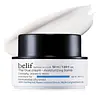
This barrier-repair moisturizer is formulated around Avena Sativa Kernel Extract and Ceramide NP to strengthen the skin barrier and hydrate skin.
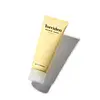
This barrier-repair moisturizer is formulated around Simmondsia Chinensis Seed Oil and Panthenol to strengthen the skin barrier and hydrate skin.

What's inside
What's inside
 Key Ingredients
Benefits
Concerns
Ingredients Side-by-side
Water
Skin ConditioningGlycerin
Humectant


Cyclohexasiloxane
Emollient
Hydrogenated Polydecene
EmollientDipropylene Glycol
HumectantMacadamia Ternifolia Seed Oil
Emollient


1,2-Hexanediol
Skin Conditioning
Triethylhexanoin
MaskingBis-PEG-18 Methyl Ether Dimethyl Silane
EmollientStearyl Alcohol
Emollient
Glyceryl Stearate
Emollient
PEG-40 Stearate
Emulsifying
Pentaerythrityl Tetraethylhexanoate
Emollient
Symphytum Officinale Leaf Extract
Skin ConditioningAvena Sativa Kernel Extract
Abrasive



Calendula Officinalis Flower Extract
Masking
Nepeta Cataria Extract
TonicRubus Idaeus Leaf Extract
Skin ConditioningBaptisia Tinctoria Root Extract
Skin ConditioningStellaria Media Extract
Skin ConditioningAlchemilla Vulgaris Leaf Extract
Antioxidant
Viola Tricolor Extract
EmollientRosa Damascena Flower Extract
Masking
Spiraea Ulmaria Flower Extract
Skin ConditioningAlthaea Officinalis Root Extract
Skin Conditioning
Euphrasia Officinalis Extract
AntimicrobialThuja Occidentalis Leaf Extract
Antioxidant
Achillea Millefolium Flower Extract
Antioxidant
Trifolium Pratense Flower Extract
AstringentMenyanthes Trifoliata Leaf Extract
Skin ConditioningSalix Alba Bark Extract
Astringent

Poncirus Trifoliata Fruit Extract
Skin ConditioningImperata Cylindrica Root Extract
Skin ConditioningC14-22 Alcohols
Emulsion Stabilising
Squalane
Emollient
Butyrospermum Parkii Butter
Skin Conditioning


Arachidyl Glucoside
EmulsifyingCeramide NP
Skin Conditioning
Cholesterol
Emollient
Caprylyl Glycol
Emollient
Acetyl Hexapeptide-8
Humectant
Tocopherol
Antioxidant

Panthenol
Skin Conditioning
Hydroxyethylpiperazine Ethane Sulfonic Acid
BufferingUrea
Buffering

Saccharomyces Ferment Filtrate
Humectant
Viscum Album Extract
Skin ConditioningGlycosyl Trehalose
Emulsion StabilisingLactobacillus/Soybean Ferment Extract
Skin ConditioningStearic Acid
Cleansing
Tromethamine
BufferingPEG-100 Stearate
Surfactant
Cetearyl Olivate
Palmitic Acid
Emollient
Sorbitan Olivate
Emulsifying
Hydrogenated Lecithin
Emulsifying
Acrylates/C10-30 Alkyl Acrylate Crosspolymer
Emulsion StabilisingDimethicone/Vinyl Dimethicone Crosspolymer
Skin Conditioning
Carbomer
Emulsion StabilisingHydrogenated Starch Hydrolysate
HumectantXanthan Gum
EmulsifyingTrisodium EDTA
Cetearyl Alcohol
Emollient
Butylene Glycol
Humectant
Dimethicone
Emollient
Sorbitan Stearate
Emulsifying
Citrus Aurantium Dulcis Peel Oil
Masking
Citrus Aurantifolia Oil
Cleansing

Rosmarinus Officinalis Leaf Oil
Masking
Pelargonium Graveolens Flower Oil
Masking
Limonene
Perfuming
Citronellol
Perfuming
Geraniol
Perfuming
Citral
Perfuming
Linalool
Perfuming
Water, Glycerin, Cyclohexasiloxane, Hydrogenated Polydecene, Dipropylene Glycol, Macadamia Ternifolia Seed Oil, 1,2-Hexanediol, Triethylhexanoin, Bis-PEG-18 Methyl Ether Dimethyl Silane, Stearyl Alcohol, Glyceryl Stearate, PEG-40 Stearate, Pentaerythrityl Tetraethylhexanoate, Symphytum Officinale Leaf Extract, Avena Sativa Kernel Extract, Calendula Officinalis Flower Extract, Nepeta Cataria Extract, Rubus Idaeus Leaf Extract, Baptisia Tinctoria Root Extract, Stellaria Media Extract, Alchemilla Vulgaris Leaf Extract, Viola Tricolor Extract, Rosa Damascena Flower Extract, Spiraea Ulmaria Flower Extract, Althaea Officinalis Root Extract, Euphrasia Officinalis Extract, Thuja Occidentalis Leaf Extract, Achillea Millefolium Flower Extract, Trifolium Pratense Flower Extract, Menyanthes Trifoliata Leaf Extract, Salix Alba Bark Extract, Poncirus Trifoliata Fruit Extract, Imperata Cylindrica Root Extract, C14-22 Alcohols, Squalane, Butyrospermum Parkii Butter, Arachidyl Glucoside, Ceramide NP, Cholesterol, Caprylyl Glycol, Acetyl Hexapeptide-8, Tocopherol, Panthenol, Hydroxyethylpiperazine Ethane Sulfonic Acid, Urea, Saccharomyces Ferment Filtrate, Viscum Album Extract, Glycosyl Trehalose, Lactobacillus/Soybean Ferment Extract, Stearic Acid, Tromethamine, PEG-100 Stearate, Cetearyl Olivate, Palmitic Acid, Sorbitan Olivate, Hydrogenated Lecithin, Acrylates/C10-30 Alkyl Acrylate Crosspolymer, Dimethicone/Vinyl Dimethicone Crosspolymer, Carbomer, Hydrogenated Starch Hydrolysate, Xanthan Gum, Trisodium EDTA, Cetearyl Alcohol, Butylene Glycol, Dimethicone, Sorbitan Stearate, Citrus Aurantium Dulcis Peel Oil, Citrus Aurantifolia Oil, Rosmarinus Officinalis Leaf Oil, Pelargonium Graveolens Flower Oil, Limonene, Citronellol, Geraniol, Citral, Linalool
Water
Skin ConditioningPropanediol
Solvent
Glycerin
Humectant
Simmondsia Chinensis Seed Oil
Emollient
Caprylic/Capric Triglyceride
Masking
Ethylhexyl Palmitate
Emollient
Panthenol
Skin Conditioning
1,2-Hexanediol
Skin Conditioning
Glyceryl Stearate
Emollient
Cetearyl Olivate
Sorbitan Olivate
Emulsifying
Hydrogenated Poly(C6-14 Olefin)
EmollientCeramide NP
Skin Conditioning
Ceramide Ns
Skin Conditioning
Ceramide As
Skin Conditioning
Ceramide EOP
Skin Conditioning
Ceramide AP
Skin Conditioning
Cholesterol
Emollient
Allantoin
Skin Conditioning
Glucose
Humectant
Betaine
Humectant
Sodium Hyaluronate
Humectant
Phytosterols
Skin Conditioning
Stearic Acid
Cleansing
Butylene Glycol
Humectant
Sodium Polyacrylate
Absorbent
Myristyl Glucoside
CleansingPolyglycerin-3
Humectant
C13-16 Isoalkane
SolventHeptyl Undecylenate
EmollientVinyldimethicone
Carbomer
Emulsion StabilisingTromethamine
BufferingArachidyl Alcohol
Emollient
Hydrogenated Lecithin
Emulsifying
Polyglyceryl-6 Distearate
Emulsifying
Candelilla/Jojoba/Rice Bran Polyglyceryl-3 Esters
Emulsifying
Ethylhexylglycerin
Skin ConditioningBehenyl Alcohol
Emollient
Lauryl Glucoside
CleansingPolyglyceryl-6 Laurate
Emulsifying
Disodium EDTA
Dipropylene Glycol
HumectantArachidyl Glucoside
EmulsifyingTocopherol
Antioxidant
Adansonia Digitata Seed Oil
Emollient
Hydrogenated Rice Bran Oil
Skin Conditioning
Coptis Japonica Root Extract
Skin ConditioningWater, Propanediol, Glycerin, Simmondsia Chinensis Seed Oil, Caprylic/Capric Triglyceride, Ethylhexyl Palmitate, Panthenol, 1,2-Hexanediol, Glyceryl Stearate, Cetearyl Olivate, Sorbitan Olivate, Hydrogenated Poly(C6-14 Olefin), Ceramide NP, Ceramide Ns, Ceramide As, Ceramide EOP, Ceramide AP, Cholesterol, Allantoin, Glucose, Betaine, Sodium Hyaluronate, Phytosterols, Stearic Acid, Butylene Glycol, Sodium Polyacrylate, Myristyl Glucoside, Polyglycerin-3, C13-16 Isoalkane, Heptyl Undecylenate, Vinyldimethicone, Carbomer, Tromethamine, Arachidyl Alcohol, Hydrogenated Lecithin, Polyglyceryl-6 Distearate, Candelilla/Jojoba/Rice Bran Polyglyceryl-3 Esters, Ethylhexylglycerin, Behenyl Alcohol, Lauryl Glucoside, Polyglyceryl-6 Laurate, Disodium EDTA, Dipropylene Glycol, Arachidyl Glucoside, Tocopherol, Adansonia Digitata Seed Oil, Hydrogenated Rice Bran Oil, Coptis Japonica Root Extract
Reviews
Ingredients Explained
These ingredients are found in both products.
Ingredients higher up in an ingredient list are typically present in a larger amount.
1,2-Hexanediol is a synthetic liquid and another multi-functional powerhouse.
It is a:
- Humectant, drawing moisture into the skin
- Emollient, helping to soften skin
- Solvent, dispersing and stabilizing formulas
- Preservative booster, enhancing the antimicrobial activity of other preservatives
This ingredient is a plant-based surfactant and emulsifier. It helps oil and water based ingredients mix evenly to improve formula stability without adding a "greasy" feel.
Butylene Glycol (or BG) is used within cosmetic products for a few different reasons:
Overall, Butylene Glycol is a safe and well-rounded ingredient that works well with other ingredients.
Though this ingredient works well with most skin types, some people with sensitive skin may experience a reaction such as allergic rashes, closed comedones, or itchiness.
Learn more about Butylene GlycolCarbomer is a synthetic thickening and gelling agent. It's basically the ingredient that gives a lot of serums, gels, creams, and sunscreens their smooth, non-sticky texture.
Although legally permitted at very high levels, carbomers are normally used at concentrations below 1%.
It also needs to be neutralized to actually thicken, and because it is a large molecule, it doesn't really penetrate the skin barrier.
Allergy-wise, the risk is very low. Clinical studies show carbomers have low potential for skin irritation/sensitization even at concentrations up to 100%.
A 2024 UK study patch-tested 1,302 patients and found true allergy to the parent group of carbomer to be rare with no confirmed relevant reactions.
Learn more about CarbomerCeramide NP (formerly known as Ceramide 3) is one of the skin's naturally occurring lipids.
Since ceramides are the major lipid components of the skin, they are crucial for maintaining skin barrier and hydration. Ceramide NP most closely mirrors the dominant kind in human skin amongst ceramide subtypes.
This ceramide works by slotting into gaps within the stratum corneum's lipid matrix to limit trans-epidermal water loss (TEWL) and shield the skin against external irritants.
A study with 312 patients found that using a ceramide-containing routine for 4 weeks reduced the severity of atopic dermatitis by over 61%.
Another clinical study in subjects aged 60 and older found that a ceramide body wash and moisturizer improved skin dryness and itchy skin in 15 days.
Overall, ceramides are considered non-irritating and safety tests have found little to no observable adverse effects from using this ingredient.
Ceramide NP is usually sourced from plants (like soybean or rice bran), or produced synthetically.
Learn more about Ceramide NPCetearyl Olivate is a plant-derived emulsifier and texture enhancer. It helps keep the oil and water phases from separating so your formulas stay stable.
You'll likely see it combined with Sorbitan Olivate (together sold as the trade name Olivem 1000). This combination generates a liquid crystal structure that closely resemble the lipid organization of the stratum corneum.
These "skin-like" liquid crystals improve skin barrier integrity and promote the delivery of actives into the skin.
This ingredient is well-tolerated and has no significant sensitization data.
Because it is derived from the fatty acids in olive oil, this ingredient may not be fungal acne safe.
Learn more about Cetearyl OlivateCholesterol is a lipid that is naturally found in human skin and is one of the three key components of your skin barrier. In skincare, it is an emollient and barrier-repairing ingredient.
It works by fitting directly into the lipid layers of skin to help restore structure and reduce transepidermal water loss (TEWL).
This is a great ingredient for dry, compromised, or aging skin; our skin starts to produce less cholesterol with age.
Research shows cholesterol works best in combination with ceramides and fatty acids, the other two major components in your skin barrier.
Cholesterol is also a well-establish penetration enhancer and can help other actives absorb more effectively.
Cosmetic-grade cholesterol is usually derived from lanolin but plant and synthetic options also exist. We recommend reaching out to the brand if you have questions about their source of cholesterol.
Learn more about CholesterolDipropylene Glycol is a synthetically created humectant, stabilizer, and solvent.
This ingredient helps:
Dipropylene glycol is technically an alcohol, but it belongs to the glycol family (often considered part of the ‘good’ alcohols). This means it is hydrating and gentle on skin unlike drying solvent alcohols like denatured alcohol.
As a masking agent, Dipropylene Glycol can be used to cover the smell of other ingredients. However, it does not have a scent.
Studies show Dipropylene Glycol is considered safe to use in skincare.
Learn more about Dipropylene GlycolGlycerin (or glycerol) is a compound naturally found in your skin. It's a powerhouse humectant that pulls water into the stratum corneum.
Topically, glycerin does several things at once:
Your skin makes glycerin on its own (mostly from sebaceous oil breakdown) and shuttles it to your outermost layer of skin, or your epidermis, via aquaporin-3.
Aquaporin-3 is a transporter that is essential for normal skin hydration, elasticity, and repair. Interestingly, mice lacking in AQP3 have dry and less elastic skin that can be fully corrected with glycerin.
This ingredient is non-irritating, plays well with almost every ingredient, and works across all skin types. Typical use is anywhere between 3-10% but can go up to 79% in some leave-on products.
Just know very high concentrations (>40%) can feel tacky in low humidity.
Glycerin is the name for this ingredient in American English. British English uses Glycerol/Glycerine.
Learn more about GlycerinGlyceryl Stearate is made by reacting glycerin with stearic acid (typically sourced from plant oils like palm or coconut). It's an emulsifier, emollient, and mild occlusive.
Emulsifiers help ingredients like oil and water stay mixed so your formula stays nicely blended and uniform in texture.
This ingredient is typically used in concentrations between 1-10%. Studies have found it to be non-sensitizing, non-phototoxic, and non-photoallergenic.
A close cousin of this ingredient is Glyceryl Stearate SE ("self-emulsifying"). This just has a small amount of sodium or potassium stearate added so it can emulsify without a co-emulsifier.
Since this ingredient is an ester of a C18 fatty acid, it may not be fungal acne safe. The Malassezia yeast can potentially metabolize within the C11-C24 range.
Fun fact: The human body also creates Glyceryl Stearate naturally.
Learn more about Glyceryl StearateHydrogenated Lecithin is a more stable version of lecithin.
It's made by taking lecithin (a phospholipid commonly found in soybeans and egg yolks) and hydrogenating it. This just means the unsaturated fatty acids are turned into saturated ones so they don't go bad as easily.
This ingredient is an emollient, emulsifier, and penetration enhancer. As an emollient, it helps soften and hydrate skin by trapping moisture within. As an emulsifier, it prevents oil and water ingredients from separating.
Hydrogenated Lecithin can form tiny spherical structures made of phospholipid bilayers called liposomes. These liposomes are able to capture compounds inside their structure and deliver them through the skin barrier.
Because phospholipids are a natural component of our cell membranes, this ingredient is inherently compatible with skin.
A 2021 study found lecithin-based surfactants were less harsh and more tolerable comared to Sodium Lauryl Sulfate (SLS).
Learn more about Hydrogenated LecithinPanthenol is a common ingredient that helps hydrate and soothe the skin. It is found naturally in our skin and hair.
There are two forms of panthenol: D and L.
D-panthenol is also known as dexpanthenol. Most cosmetics use dexpanthenol or a mixture of D and L-panthenol.
Panthenol is famous due to its ability to go deeper into the skin's layers. Using this ingredient has numerous pros (and no cons):
Like hyaluronic acid, panthenol is a humectant. Humectants are able to bind and hold large amounts of water to keep skin hydrated.
This ingredient works well for wound healing. It works by increasing tissue in the wound and helps close open wounds.
Once oxidized, panthenol converts to pantothenic acid. Panthothenic acid is found in all living cells.
This ingredient is also referred to as pro-vitamin B5.
Learn more about PanthenolSorbitan Olivate is created from the fatty acids in olive oil and sorbitol.
This ingredient is an oil in water emulsifier. It helps stabilize a product by preventing oils and waters from separating. Sorbitan Olivate also helps hydrate the skin.
This ingredient is also known as part of Olivem 1000, with Cetearyl Olivate being the other part.
According to a manufacturer, this ingredient helps preserve the natural microbiome of skin. Having a healthy microbiome helps keep our skin healthy and protects against harmful bacteria.
Please note, having a healthy microbiome is different from fungal acne; a healthy microbiome includes small amounts of yeast that normally live on your skin without causing problems.
Fungal acne happens when one type of yeast (Malassezia) grows out of control. This is usually because it's feeding on certain oils or fatty acids. Due to the olive oil base, this ingredient may not be fungal acne safe.
Learn more about Sorbitan OlivateStearic Acid is a fatty acid that is already found in your skin. It's one of the free fatty acids that works alongside ceramides and cholesterols to maintain your barrier.
In cosmetics, it is a multitasker:
Safety-wise, the CIR Expert Panel has concluded it to be safe in cosmetics when formulated to be non-irritating and non-sensitizing.
Free stearic acid is a C18 fatty acid that the Malassezia yeast can substrate, so this ingredient may not be fungal acne safe.
Learn more about Stearic AcidTocopherol is a fat-soluble antioxidant known as Vitamin E.
You'll find this ingredient in the vast majority of skincare (for good reason). It works to neutralize free radicals, or unstable molecules generated by UV exposure, pollution, and other environmental stressors, before they can cause oxidative damage to your skin cells.
Topically applied tocopherol has been shown to protect against UV damage by ramping up the skin's own natural defense enzymes.
It also acts as a skin conditioning agent; some studies show that regular topical use can improve the skin's water-binding capacity over 2-4 weeks.
This ingredient is especially loved for being a team player. When combined with Vitamin C, the photoprotective effect of both ingredients roughly doubles and the combo also helps reduce UV-induced DNA damage.
This ingredient has some brightening potential but it's more of a prevention ingredient than spot-fader. Cell studies show it can slow down melanin production but it's worth noting that it's not the most powerful brightener out there.
In formulations, it also serves as a stabilizer that helps protect other oxidation-prone ingredients from degrading.
Concentrations usually range from 0.1-1% in most leave-on products.
Learn more about TocopherolTromethamine (aka THAM) is a synthetic amino acid that shows up in skincare as a helper ingredient.
It functions as a pH adjuster to help neutralize acidic ingredients and set a formula's pH to the right spot.
This matters a lot because a lot of actives (like vitamin C) needs a specific pH to work well and feel comfortable on skin.
Concentration use ranges from 0.1-1.0% depending on the formula.
Learn more about TromethamineWater. It's the most common cosmetic ingredient of all. You'll usually see it at the top of ingredient lists, meaning that it makes up the largest part of the product.
So why is it so popular? Water most often acts as a solvent - this means that it helps dissolve other ingredients into the formulation.
You'll also recognize water as that liquid we all need to stay alive. If you see this, drink a glass of water. Remember to stay hydrated!
Learn more about Water

