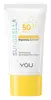
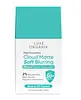
Y.O.U Sunbrella 2% Niacinamide Brightening Sunscreen SPF 50+ PA++++ Versus Luxe Organix High Protection Cloud Matte Soft Blurring Mineral Serum Sunscreen SPF 50+ PA++++
This chemical sunscreen covers the full UV range and blocks ~98% of UVB at SPF 50.
This hybrid sunscreen covers the full UV range and blocks ~98% of UVB at SPF 50.


What's inside
What's inside
 Key Ingredients
Benefits
Concerns
Ingredients Side-by-side
Water
Skin ConditioningPropylene Glycol
Humectant


Ethylhexyl Methoxycinnamate
UV Absorber


Niacinamide
Smoothing











Propanediol
Solvent
Diethylamino Hydroxybenzoyl Hexyl Benzoate
UV Filter
Dimethicone/Vinyl Dimethicone Crosspolymer
Skin Conditioning
Silica
Abrasive
Butylene Glycol
Humectant
Phenoxyethanol
Preservative
Carbomer
Emulsion StabilisingHydroxyacetophenone
Antioxidant
Aminomethyl Propanol
BufferingSorbitan Stearate
Emulsifying
Xanthan Gum
EmulsifyingDihydroxypropyl Arginine Hcl
HumectantHydrogenated Lecithin
Emulsifying
Undecane
EmollientSteareth-21
CleansingCaprylyl Methicone
Skin Conditioning
PEG-9 Dimethicone
Skin Conditioning
Tridecane
Perfuming

Cetearyl Methicone
Skin Conditioning
Caprylyl Glycol
Emollient
Disodium EDTA
ChelatingEthylhexylglycerin
Skin ConditioningMenthol
Masking

Sodium Surfactin
CleansingPhytosterols
Skin Conditioning
Sucrose Cocoate
Emulsifying
Sodium Benzoate
Masking
Butyl Methoxydibenzoylmethane
UV Absorber
Hyaluronic Acid
Humectant
3-O-Ethyl Ascorbic Acid
Skin Conditioning
Zinc PCA
Humectant
Ectoin
Skin Conditioning
Thermus Thermophillus Ferment
Skin ConditioningGlycerin
Humectant
Polyester-7
Skin ConditioningNeopentyl Glycol Diheptanoate
EmollientZea Mays Starch
Absorbent
Myrothamnus Flabellifolia Leaf/Stem Extract
HumectantPseudoalteromonas Ferment Extract
Humectant
Hydrolyzed Corn Starch
HumectantHydrolyzed Corn Starch Octenylsuccinate
AbsorbentButyrospermum Parkii Butter
Skin Conditioning

Cocamidopropyl Dimethylamine
Emulsifying
Buddleja Officinalis Flower Extract
UV FilterHamamelis Virginiana Extract
Antiseborrhoeic
1,2-Hexanediol
Skin Conditioning
Phenylethyl Resorcinol
Antioxidant
Ceramide NP
Skin Conditioning
Lactic Acid
Buffering
Sodium Salicylate
Preservative
Palmitoyl Tripeptide-5
Skin Conditioning
Hydrated Silica
Abrasive
Madecassoside
Antioxidant
Asiaticoside
Antioxidant
Ceramide Ns
Skin Conditioning
Ceramide As
Skin Conditioning
Potassium Sorbate
Preservative
Glucose
Humectant
Madecassic Acid
Skin Conditioning
Asiatic Acid
Skin Conditioning
Sodium Hyaluronate
Humectant
Chondrus Crispus Extract
Skin Conditioning
Hydroxypropyltrimonium Hyaluronate
Hydrolyzed Hyaluronic Acid
Humectant
Sodium Acetylated Hyaluronate
Humectant
Hydrolyzed Sodium Hyaluronate
Skin Conditioning
Sodium Hyaluronate Crosspolymer
Humectant
Potassium Hyaluronate
Skin ConditioningCeramide EOP
Skin Conditioning
Ceramide AP
Skin Conditioning
Water, Propylene Glycol, Ethylhexyl Methoxycinnamate, Niacinamide, Propanediol, Diethylamino Hydroxybenzoyl Hexyl Benzoate, Dimethicone/Vinyl Dimethicone Crosspolymer, Silica, Butylene Glycol, Phenoxyethanol, Carbomer, Hydroxyacetophenone, Aminomethyl Propanol, Sorbitan Stearate, Xanthan Gum, Dihydroxypropyl Arginine Hcl, Hydrogenated Lecithin, Undecane, Steareth-21, Caprylyl Methicone, PEG-9 Dimethicone, Tridecane, Cetearyl Methicone, Caprylyl Glycol, Disodium EDTA, Ethylhexylglycerin, Menthol, Sodium Surfactin, Phytosterols, Sucrose Cocoate, Sodium Benzoate, Butyl Methoxydibenzoylmethane, Hyaluronic Acid, 3-O-Ethyl Ascorbic Acid, Zinc PCA, Ectoin, Thermus Thermophillus Ferment, Glycerin, Polyester-7, Neopentyl Glycol Diheptanoate, Zea Mays Starch, Myrothamnus Flabellifolia Leaf/Stem Extract, Pseudoalteromonas Ferment Extract, Hydrolyzed Corn Starch, Hydrolyzed Corn Starch Octenylsuccinate, Butyrospermum Parkii Butter, Cocamidopropyl Dimethylamine, Buddleja Officinalis Flower Extract, Hamamelis Virginiana Extract, 1,2-Hexanediol, Phenylethyl Resorcinol, Ceramide NP, Lactic Acid, Sodium Salicylate, Palmitoyl Tripeptide-5, Hydrated Silica, Madecassoside, Asiaticoside, Ceramide Ns, Ceramide As, Potassium Sorbate, Glucose, Madecassic Acid, Asiatic Acid, Sodium Hyaluronate, Chondrus Crispus Extract, Hydroxypropyltrimonium Hyaluronate, Hydrolyzed Hyaluronic Acid, Sodium Acetylated Hyaluronate, Hydrolyzed Sodium Hyaluronate, Sodium Hyaluronate Crosspolymer, Potassium Hyaluronate, Ceramide EOP, Ceramide AP
Water
Skin ConditioningCyclopentasiloxane
Emollient
Zinc Oxide
Cosmetic Colorant
Butyloctyl Salicylate
Skin Conditioning
Dimethicone
Emollient
Dipropylene Glycol
HumectantTitanium Dioxide
Cosmetic Colorant
Isododecane
EmollientCetyl PEG/PPG-10/1 Dimethicone
Emulsifying
PEG-10 Dimethicone
Skin Conditioning
Niacinamide
Smoothing
Polymethyl Methacrylate
Cyclomethicone
Emollient
Hydrogenated Polydecene
EmollientSilica
Abrasive
Propanediol
Solvent
Hydrogen Dimethicone
Dimethicone/Vinyl Dimethicone Crosspolymer
Skin Conditioning
Vinyl Dimethicone/Methicone Silsesquioxane Crosspolymer
Sodium Chloride
MaskingSorbitan Sesquioleate
Emulsifying
Aluminum Hydroxide
EmollientDisteardimonium Hectorite
StabilisingPolyhydroxystearic Acid
Emulsifying
Stearic Acid
Cleansing
Polyglyceryl-2 Triisostearate
Emulsifying
CI 77492
Cosmetic ColorantCaprylyl Glycol
Emollient
Ethylhexylglycerin
Skin ConditioningAdenosine
Skin Conditioning
CI 77491
Cosmetic ColorantBisabolol
Antioxidant
Quartz
Abrasive
Pentaerythrityl Tetra-Di-T-Butyl Hydroxyhydrocinnamate
Antioxidant
Butylene Glycol
Humectant
CI 77499
Cosmetic ColorantGlycerin
Humectant
1,2-Hexanediol
Skin Conditioning
Centella Asiatica Extract
Cleansing
Camellia Sinensis Leaf Extract
Antimicrobial
Lactobacillus Ferment
Skin Conditioning
Prunus Mume Fruit Extract
Humectant
Prunus Persica Leaf Extract
Emollient
Salix Nigra Bark Extract
Skin ProtectingMorus Alba Root Extract
BleachingCornus Officinalis Fruit Extract
Skin ConditioningGlycyrrhiza Glabra Root Extract
Bleaching
Artemisia Princeps Leaf Extract
Skin ConditioningHouttuynia Cordata Extract
Skin Conditioning
Citrus Junos Fruit Extract
Skin ConditioningAngelica Gigas Root Extract
Skin ConditioningPueraria Lobata Root Extract
HumectantScutellaria Baicalensis Root Extract
Astringent
Astragalus Membranaceus Root Extract
Emollient
Sophora Japonica Root Extract
Skin ProtectingPhenoxyethanol
Preservative
Beta-Glucan
Skin Conditioning
Asiaticoside
Antioxidant
Madecassic Acid
Skin Conditioning
Asiatic Acid
Skin Conditioning
Madecassoside
Antioxidant
Water, Cyclopentasiloxane, Zinc Oxide, Butyloctyl Salicylate, Dimethicone, Dipropylene Glycol, Titanium Dioxide, Isododecane, Cetyl PEG/PPG-10/1 Dimethicone, PEG-10 Dimethicone, Niacinamide, Polymethyl Methacrylate, Cyclomethicone, Hydrogenated Polydecene, Silica, Propanediol, Hydrogen Dimethicone, Dimethicone/Vinyl Dimethicone Crosspolymer, Vinyl Dimethicone/Methicone Silsesquioxane Crosspolymer, Sodium Chloride, Sorbitan Sesquioleate, Aluminum Hydroxide, Disteardimonium Hectorite, Polyhydroxystearic Acid, Stearic Acid, Polyglyceryl-2 Triisostearate, CI 77492, Caprylyl Glycol, Ethylhexylglycerin, Adenosine, CI 77491, Bisabolol, Quartz, Pentaerythrityl Tetra-Di-T-Butyl Hydroxyhydrocinnamate, Butylene Glycol, CI 77499, Glycerin, 1,2-Hexanediol, Centella Asiatica Extract, Camellia Sinensis Leaf Extract, Lactobacillus Ferment, Prunus Mume Fruit Extract, Prunus Persica Leaf Extract, Salix Nigra Bark Extract, Morus Alba Root Extract, Cornus Officinalis Fruit Extract, Glycyrrhiza Glabra Root Extract, Artemisia Princeps Leaf Extract, Houttuynia Cordata Extract, Citrus Junos Fruit Extract, Angelica Gigas Root Extract, Pueraria Lobata Root Extract, Scutellaria Baicalensis Root Extract, Astragalus Membranaceus Root Extract, Sophora Japonica Root Extract, Phenoxyethanol, Beta-Glucan, Asiaticoside, Madecassic Acid, Asiatic Acid, Madecassoside
Reviews
Ingredients Explained
These ingredients are found in both products.
Ingredients higher up in an ingredient list are typically present in a larger amount.
1,2-Hexanediol is a synthetic liquid and another multi-functional powerhouse.
It is a:
- Humectant, drawing moisture into the skin
- Emollient, helping to soften skin
- Solvent, dispersing and stabilizing formulas
- Preservative booster, enhancing the antimicrobial activity of other preservatives
Asiatic Acid is one of the four main actives found in Centella Asiatica. Its headline job is stimulating collagen.
Lab tests on human skin cells show Asiatic Acid tells your skin to make more collagen, the protein that keeps skin firm and bouncy.
It also calms inflammation and acts as an antioxidant so it can help skin heal faster, rebuild itself, and repair a damaged barrier.
And on naming, even though "acid" is in the name, it's nothing like an AHA or BHA exfoliant. It's a gentle firming and soothing ingredient that supports your skin barrier.
Concentration-wise, Asiatic Acid is potent at very low doses and usually shows up as a small fraction of a broader centella extract.
Analyses of centella material put Asiatic Acid reported in the range of 0.2-3% of the extract.
This ingredient is non-sensitizing and guinea pig sensitization testing also found it to be a weak sensitizer. That means the risk of acquiring contact sensitivty is quite low.
Allergic contact dermatitis does exist but is also very rare; documented cases tend to involve prolonged use on broken skin plus co-sensitization to fragrance ingredients.
Learn more about Asiatic AcidAsiaticoside comes from the super popular skin-soothing ingredient, Centella asiatica. It's the reason centella-based products have a strong reputation for repairing and calming skin, along with its sibling compound Madecassoside.
Research from 2016-2025 supports its role in:
You'll usually find this in concentrations between 0.2-5%.
Learn more about AsiaticosideButylene Glycol (or BG) is used within cosmetic products for a few different reasons:
Overall, Butylene Glycol is a safe and well-rounded ingredient that works well with other ingredients.
Though this ingredient works well with most skin types, some people with sensitive skin may experience a reaction such as allergic rashes, closed comedones, or itchiness.
Learn more about Butylene GlycolCaprylyl Glycol is a humectant, skin conditioner, emollient, and preservative booster derived from either caprylic acid or synthetically created.
Typical use levels vary from 0.3-1% as a preservative booster and go up to 2% to condition skin.
Because it is not a free-fatty acid, this ingredient is fungal acne safe (there's nothing for Malassezia to feed on).
Learn more about Caprylyl GlycolThis ingredient is a silicone elastomer that works as a texture enhancer, adds a silky slip, and also helps absorb excess oil.
Because it's a large macromolecule that's insoluble in water and chemically inert, it's not expected to penetrate or be absorbed into skin.
Human patch tests with a facial lotion containing 1% of this ingredient found no sensitization.
Learn more about Dimethicone/Vinyl Dimethicone CrosspolymerEthylhexylglycerin is created from glycerin. It is a multitasker ingredient that:
The CIR Expert Panel found minimal skin absorption or sensitization of any kind in a safety assessment. Though this ingredient is considered well-tolerated, a small number of cases of allergic dermatitis have been published since 2002. Just be sure to patch test if you are unsure.
Industry-reported use ranges from 8% in rinse-off products and 2% in leave-on formulations.
Learn more about EthylhexylglycerinGlycerin (or glycerol) is a compound naturally found in your skin. It's a powerhouse humectant that pulls water into the stratum corneum.
Topically, glycerin does several things at once:
Your skin makes glycerin on its own (mostly from sebaceous oil breakdown) and shuttles it to your outermost layer of skin, or your epidermis, via aquaporin-3.
Aquaporin-3 is a transporter that is essential for normal skin hydration, elasticity, and repair. Interestingly, mice lacking in AQP3 have dry and less elastic skin that can be fully corrected with glycerin.
This ingredient is non-irritating, plays well with almost every ingredient, and works across all skin types. Typical use is anywhere between 3-10% but can go up to 79% in some leave-on products.
Just know very high concentrations (>40%) can feel tacky in low humidity.
Glycerin is the name for this ingredient in American English. British English uses Glycerol/Glycerine.
Learn more about GlycerinMadecassic Acid is one of the four star actives in Centella Asiatica. In skincare, it earns its keep as a calming and repairing ingredient.
It works through the same core pathways as the rest of the centella family.
First, it turns down inflammation so it helps with things like redness and general upset skin.
Second, it acts as an antioxidant which means it helps protect skin from daily stress and damage.
And third, it nudges the skin to make more collagen and rebuild its support structure.
That combination is why the whole Centella family is known for calming skin, strengthening the barrier, fading redness, and giving anti-aging benefits.
It's worth being honest about the evidence here; a lot of the strongest data is on the full extract or a Madecassoside/Asiaticoside rather than Madecassic Acid alone. Reviewers also note more long-term clinical trials are needed to confirm the full potential.
Concentration-wise, this ingredient is rarely used pure and usually shows up as part of a standardized centella extract where reported content ranges from 0.02-3.06%.
Finished products typically run somewhere in the 0.1-10% range depending on the format.
In real-world tolerance tests, a repeat-insult patch test on an eye lotion with 0.2% Centella extract showed no irritation or allergic contact dermatitis in 54 subjects. And a mascara with 0.5% Madecassoside caused neither irritation nor sensitization in 109 subjects.
Allergy risk is very low, but not zero. Centella and its constituents are classified as weak contact sensitizers and some rare cases of allergic contact dermatitis exist.
Learn more about Madecassic AcidMadecassoside is one of four active compounds found in Centella asiatica and is one of the main reasons Centella is so effective at calming irritated skin and supporting the moisture barrier.
There's a solid body of peer-reviewed research backing Madecassoside for several skin benefits. Studies have found:
Madecassoside pairs well with other hydrating or antioxidant ingredients like Ascorbic Acid or Hyaluronic Acid.
Learn more about MadecassosideNiacinamide is a multitasking form of vitamin B3 that strengthens the skin barrier, reduces pores and dark spots, regulates oil, and improves signs of aging.
And the best part? It's gentle and well-tolerated by most skin types, including sensitive and reactive skin.
You might have heard of "niacin flush", or the reddening of skin that causes itchiness. Niacinamide has not been found to cause this.
In very rare cases, some individuals may not be able to tolerate niacinamide at all or experience an allergic reaction to it.
If you are experiencing flaking, irritation, and dryness with this ingredient, be sure to double check all your products as this ingredient can be found in all categories of skincare.
When incorporating niacinamide into your routine, look out for concentration amounts. Typically, 5% niacinamide provides benefits such as fading dark spots. However, if you have sensitive skin, it is better to begin with a smaller concentration.
When you apply niacinamide to your skin, your body converts it into nicotinamide adenine dinucleotide (NAD). NAD is an essential coenzyme that is already found in your cells as "fuel" and powers countless biological processes.
In your skin, NAD helps repair cell damage, produce new healthy cells, support collagen production, strengthen the skin barrier, and fight environmental stressors (like UV and pollution).
Our natural NAD levels start to decline with age, leading to slower skin repair, visible aging, and a weaker skin barrier. By providing your skin niacinamide, you're recharging your skin's NAD levels. This leads to stronger, healthier, and younger looking skin.
Another name for vitamin B3 is nicotinamide. This vitamin is water-soluble and our bodies don't store it. We obtain Vitamin B3 from either food or skincare. Meat, fish, wheat, yeast, and leafy greens contain vitamin B3.
The type of niacinamide used in skincare is synthetically created.
Learn more about NiacinamidePhenoxyethanol is one of the most widely used preservatives in skincare (and for good reason!).
It has a large spectrum of antimicrobial activity and especially effective bacteria, yeast, and mold while only having a weak effect on your skin's natural microbiome.
On a cellular level, it disrupts the cell membranes of microbes by poking holes that make the cell leak. This shuts down the chemical reactions the microbe needs to make energy so it can no longer survive.
Another perk of this ingredient is that it stays functional across a wide pH range (3-10).
You'll often see it paired with boosters like Ethylhexylglycerin; one study showed that a 1:9 ratio of Ethylhexylglycerin to Phenoxyethanol damages bacterial membranes as effectively as doubling the Phenoxyethanol concentration on its own.
Typical use concentrations range from 0.3-1% depending on the formula, and this ingredient is capped at 1% int the EU.
Safety-wise, the fear mongering does not hold up to the evidence. The EU's Scientific Committee on Consumer Safety and FDA consider it safe as a preservative at up to 1%, including for children of all ages.
Adverse systemic effects only showed up in animal studies at exposures roughly 200x higher than what people get from cosmetics. And despite its very widespread use, this ingredient is a rare sensitizer and allergic reactions are uncommon.
Learn more about PhenoxyethanolPropanediol is an all-star ingredient. It softens, hydrates, and smooths the skin.
It’s often used to:
Propanediol is not likely to cause sensitivity and considered safe to use. It is derived from corn or petroleum with a clear color and no scent.
Learn more about PropanediolSilica, also known as silicon dioxide, is a naturally occurring mineral. It is used as a fine, spherical, and porous powder in cosmetics.
Though it has exfoliant properties, the function of silica varies depending on the product.
The unique structure of silica enhances the spreadability and adds smoothness, making it a great texture enhancer.
It is also used as an active carrier, emulsifier, and mattifier due to its ability to absorb excess oil.
In some products, tiny microneedles called spicules are made from silica or hydrolyzed sponge. When you rub them in, they lightly polish away dead skin layers and enhance the penetration of active ingredients.
Learn more about SilicaWater. It's the most common cosmetic ingredient of all. You'll usually see it at the top of ingredient lists, meaning that it makes up the largest part of the product.
So why is it so popular? Water most often acts as a solvent - this means that it helps dissolve other ingredients into the formulation.
You'll also recognize water as that liquid we all need to stay alive. If you see this, drink a glass of water. Remember to stay hydrated!
Learn more about Water

