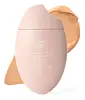
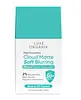
Happy Skin Cosmetics Rescue Me Tinted Matte Sun Gel Primer Broad Spectrum SPF 40 Versus Luxe Organix High Protection Cloud Matte Soft Blurring Mineral Serum Sunscreen SPF 50+ PA++++
This chemical sunscreen covers the full UV range and blocks ~98% of UVB at SPF 40.
This hybrid sunscreen covers the full UV range and blocks ~98% of UVB at SPF 50.

What's inside
What's inside
 Key Ingredients
Benefits
Concerns
Ingredients Side-by-side
Dimethicone
Emollient

Trisiloxane
Skin Conditioning
Ethylhexyl Methoxycinnamate
UV Absorber


BHT
Antioxidant
Homosalate
Skin Conditioning
Dimethicone Crosspolymer
Emulsion Stabilising
Butyl Methoxydibenzoylmethane
UV Absorber
Bis-Ethylhexyloxyphenol Methoxyphenyl Triazine
UV Absorber
Phenoxyethanol
Preservative
Ethylhexylglycerin
Skin ConditioningTocopheryl Acetate
Antioxidant

Octyldodecyl Myristate
EmollientCoix Lacryma-Jobi Ma-Yuen Root Extract
Skin ConditioningMacadamia Integrifolia Seed Oil
Skin Conditioning



Hyaluronic Acid
Humectant


Ceramide AP
Skin Conditioning


Butylene Glycol
Humectant
Water
Skin ConditioningLecithin
Emollient
Aluminum Hydroxide
EmollientDimethicone, Trisiloxane, Ethylhexyl Methoxycinnamate, BHT, Homosalate, Dimethicone Crosspolymer, Butyl Methoxydibenzoylmethane, Bis-Ethylhexyloxyphenol Methoxyphenyl Triazine, Phenoxyethanol, Ethylhexylglycerin, Tocopheryl Acetate, Octyldodecyl Myristate, Coix Lacryma-Jobi Ma-Yuen Root Extract, Macadamia Integrifolia Seed Oil, Hyaluronic Acid, Ceramide AP, Butylene Glycol, Water, Lecithin, Aluminum Hydroxide
Water
Skin ConditioningCyclopentasiloxane
Emollient
Zinc Oxide
Cosmetic Colorant
Butyloctyl Salicylate
Skin Conditioning
Dimethicone
Emollient
Dipropylene Glycol
HumectantTitanium Dioxide
Cosmetic Colorant
Isododecane
EmollientCetyl PEG/PPG-10/1 Dimethicone
Emulsifying
PEG-10 Dimethicone
Skin Conditioning
Niacinamide
Smoothing




Polymethyl Methacrylate
Cyclomethicone
Emollient
Hydrogenated Polydecene
EmollientSilica
Abrasive
Propanediol
Solvent
Hydrogen Dimethicone
Dimethicone/Vinyl Dimethicone Crosspolymer
Skin Conditioning
Vinyl Dimethicone/Methicone Silsesquioxane Crosspolymer
Sodium Chloride
MaskingSorbitan Sesquioleate
Emulsifying
Aluminum Hydroxide
EmollientDisteardimonium Hectorite
StabilisingPolyhydroxystearic Acid
Emulsifying
Stearic Acid
Cleansing
Polyglyceryl-2 Triisostearate
Emulsifying
CI 77492
Cosmetic ColorantCaprylyl Glycol
Emollient
Ethylhexylglycerin
Skin ConditioningAdenosine
Skin Conditioning
CI 77491
Cosmetic ColorantBisabolol
Antioxidant
Quartz
Abrasive
Pentaerythrityl Tetra-Di-T-Butyl Hydroxyhydrocinnamate
Antioxidant
Butylene Glycol
Humectant
CI 77499
Cosmetic ColorantGlycerin
Humectant
1,2-Hexanediol
Skin Conditioning
Centella Asiatica Extract
Cleansing
Camellia Sinensis Leaf Extract
Antimicrobial
Lactobacillus Ferment
Skin Conditioning
Prunus Mume Fruit Extract
Humectant
Prunus Persica Leaf Extract
Emollient
Salix Nigra Bark Extract
Skin ProtectingMorus Alba Root Extract
BleachingCornus Officinalis Fruit Extract
Skin ConditioningGlycyrrhiza Glabra Root Extract
Bleaching
Artemisia Princeps Leaf Extract
Skin ConditioningHouttuynia Cordata Extract
Skin Conditioning
Citrus Junos Fruit Extract
Skin ConditioningAngelica Gigas Root Extract
Skin ConditioningPueraria Lobata Root Extract
HumectantScutellaria Baicalensis Root Extract
Astringent
Astragalus Membranaceus Root Extract
Emollient
Sophora Japonica Root Extract
Skin ProtectingPhenoxyethanol
Preservative
Beta-Glucan
Skin Conditioning
Asiaticoside
Antioxidant
Madecassic Acid
Skin Conditioning
Asiatic Acid
Skin Conditioning
Madecassoside
Antioxidant
Water, Cyclopentasiloxane, Zinc Oxide, Butyloctyl Salicylate, Dimethicone, Dipropylene Glycol, Titanium Dioxide, Isododecane, Cetyl PEG/PPG-10/1 Dimethicone, PEG-10 Dimethicone, Niacinamide, Polymethyl Methacrylate, Cyclomethicone, Hydrogenated Polydecene, Silica, Propanediol, Hydrogen Dimethicone, Dimethicone/Vinyl Dimethicone Crosspolymer, Vinyl Dimethicone/Methicone Silsesquioxane Crosspolymer, Sodium Chloride, Sorbitan Sesquioleate, Aluminum Hydroxide, Disteardimonium Hectorite, Polyhydroxystearic Acid, Stearic Acid, Polyglyceryl-2 Triisostearate, CI 77492, Caprylyl Glycol, Ethylhexylglycerin, Adenosine, CI 77491, Bisabolol, Quartz, Pentaerythrityl Tetra-Di-T-Butyl Hydroxyhydrocinnamate, Butylene Glycol, CI 77499, Glycerin, 1,2-Hexanediol, Centella Asiatica Extract, Camellia Sinensis Leaf Extract, Lactobacillus Ferment, Prunus Mume Fruit Extract, Prunus Persica Leaf Extract, Salix Nigra Bark Extract, Morus Alba Root Extract, Cornus Officinalis Fruit Extract, Glycyrrhiza Glabra Root Extract, Artemisia Princeps Leaf Extract, Houttuynia Cordata Extract, Citrus Junos Fruit Extract, Angelica Gigas Root Extract, Pueraria Lobata Root Extract, Scutellaria Baicalensis Root Extract, Astragalus Membranaceus Root Extract, Sophora Japonica Root Extract, Phenoxyethanol, Beta-Glucan, Asiaticoside, Madecassic Acid, Asiatic Acid, Madecassoside
Reviews
Ingredients Explained
These ingredients are found in both products.
Ingredients higher up in an ingredient list are typically present in a larger amount.
Aluminum Hydroxide is a form of aluminum. It can be naturally found in nature as the mineral gibbsite. In cosmetics, Aluminum Hydroxide is used as a colorant, pH adjuster, and absorbent.
As a colorant, Aluminum Hydroxide may add opacity, or reduce the transparency. Aluminum hydroxide is contains both basic and acidic properties.
According to manufacturers, this ingredient is an emollient and humectant. This means it helps hydrate the skin.
In medicine, this ingredient is used to help relieve heartburn and help heal ulcers.
There is currently no credible scientific evidence linking aluminum hydroxide in cosmetics to increased cancer risk.
Major health organizations allow the use of aluminum hydroxide in personal care products and have not flagged it as a carcinogenic risk at typical usage levels.
Learn more about Aluminum HydroxideButylene Glycol (or BG) is used within cosmetic products for a few different reasons:
Overall, Butylene Glycol is a safe and well-rounded ingredient that works well with other ingredients.
Though this ingredient works well with most skin types, some people with sensitive skin may experience a reaction such as allergic rashes, closed comedones, or itchiness.
Learn more about Butylene GlycolDimethicone is a type of synthetic silicone created from natural materials such as quartz. It is also known as polydimethylsiloxane.
What it does:
Dimethicone comes in different viscosities:
Depending on the viscosity, dimethicone has different properties.
Ingredients lists don't always show which type is used, so we recommend reaching out to the brand if you have questions about the viscosity.
This ingredient is unlikely to cause irritation because it does not get absorbed into skin. However, people with silicone allergies should be careful about using this ingredient.
Note: Dimethicone may contribute to pilling. This is because it is not oil or water soluble, so pilling may occur when layered with products. When mixed with heavy oils in a formula, the outcome is also quite greasy.
Learn more about DimethiconeEthylhexylglycerin is created from glycerin. It is a multitasker ingredient that:
The CIR Expert Panel found minimal skin absorption or sensitization of any kind in a safety assessment. Though this ingredient is considered well-tolerated, a small number of cases of allergic dermatitis have been published since 2002. Just be sure to patch test if you are unsure.
Industry-reported use ranges from 8% in rinse-off products and 2% in leave-on formulations.
Learn more about EthylhexylglycerinPhenoxyethanol is one of the most widely used preservatives in skincare (and for good reason!).
It has a large spectrum of antimicrobial activity and especially effective bacteria, yeast, and mold while only having a weak effect on your skin's natural microbiome.
On a cellular level, it disrupts the cell membranes of microbes by poking holes that make the cell leak. This shuts down the chemical reactions the microbe needs to make energy so it can no longer survive.
Another perk of this ingredient is that it stays functional across a wide pH range (3-10).
You'll often see it paired with boosters like Ethylhexylglycerin; one study showed that a 1:9 ratio of Ethylhexylglycerin to Phenoxyethanol damages bacterial membranes as effectively as doubling the Phenoxyethanol concentration on its own.
Typical use concentrations range from 0.3-1% depending on the formula, and this ingredient is capped at 1% int the EU.
Safety-wise, the fear mongering does not hold up to the evidence. The EU's Scientific Committee on Consumer Safety and FDA consider it safe as a preservative at up to 1%, including for children of all ages.
Adverse systemic effects only showed up in animal studies at exposures roughly 200x higher than what people get from cosmetics. And despite its very widespread use, this ingredient is a rare sensitizer and allergic reactions are uncommon.
Learn more about PhenoxyethanolWater. It's the most common cosmetic ingredient of all. You'll usually see it at the top of ingredient lists, meaning that it makes up the largest part of the product.
So why is it so popular? Water most often acts as a solvent - this means that it helps dissolve other ingredients into the formulation.
You'll also recognize water as that liquid we all need to stay alive. If you see this, drink a glass of water. Remember to stay hydrated!
Learn more about Water

