Wardah Lip Barrier Sunscreen SPF 30 PA+++ Versus Skinmade Lip Elixir Overnight Maximum Treatment Pro-Collagen Lip Mask
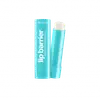
This barrier-repair lip moisturizer is formulated around Ricinus Communis Seed Oil and Petrolatum to strengthen the lip barrier and hydrate lips.
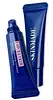
This hydrating lip mask is formulated around Petrolatum and Squalane to hydrate lips and soften the look of wrinkles.


What's inside
What's inside
 Key Ingredients
Benefits
Concerns
Ingredients Side-by-side
Ricinus Communis Seed Oil
Masking




Petrolatum
Emollient

C12-15 Alkyl Benzoate
AntimicrobialOlea Europaea Fruit Oil
Masking

Bis-Diglyceryl Polyacyladipate-2
Emollient
Synthetic Wax
Abrasive
Ethylhexyl Methoxycinnamate
UV Absorber

Butyl Methoxydibenzoylmethane
UV Absorber
Di-C20-40 Alkyl Dimer Dilinoleate
Skin ConditioningMicrocrystalline Wax
Emulsion StabilisingButyrospermum Parkii Butter
Skin Conditioning
Macadamia Ternifolia Seed Oil
Emollient
C10-30 Cholesterol/Lanosterol Esters
Emulsifying
Zinc Oxide
Cosmetic Colorant
Phenoxyethanol
Preservative
Simmondsia Chinensis Seed Oil
Emollient
Bisabolol
Antioxidant


Tocopheryl Acetate
Antioxidant

Ethylhexylglycerin
Skin ConditioningLinoleic Acid
Cleansing
1,2-Hexanediol
Skin Conditioning
Caprylyl Glycol
Emollient
Glycine Soja Oil
Emollient
Allantoin
Skin Conditioning
BHT
Antioxidant
Persea Gratissima Oil
Skin Conditioning
Oleic Acid
Emollient
Triethoxycaprylylsilane

Propylene Glycol
Humectant
Honey Extract
Humectant
Palmitic Acid
Emollient
Water
Skin ConditioningStearic Acid
Cleansing
Glycerin
Humectant
Linolenic Acid
Cleansing
Isobornyl Acetate
Masking
Calendula Officinalis Flower Extract
Masking
Chamomilla Recutita Flower Extract
Masking
Fucus Vesiculosus Extract
Emollient
Triticum Vulgare Bran Extract
Skin ConditioningArachidic Acid
Cleansing
Behenic Acid
Cleansing
Punica Granatum Flower Extract
Skin Conditioning
Polyglyceryl-3 Diisostearate
Emulsifying
Tocopherol
Antioxidant
Citric Acid
Buffering
Potassium Sorbate
Preservative
Sodium Benzoate
Masking
Ricinus Communis Seed Oil, Petrolatum, C12-15 Alkyl Benzoate, Olea Europaea Fruit Oil, Bis-Diglyceryl Polyacyladipate-2, Synthetic Wax, Ethylhexyl Methoxycinnamate, Butyl Methoxydibenzoylmethane, Di-C20-40 Alkyl Dimer Dilinoleate, Microcrystalline Wax, Butyrospermum Parkii Butter, Macadamia Ternifolia Seed Oil, C10-30 Cholesterol/Lanosterol Esters, Zinc Oxide, Phenoxyethanol, Simmondsia Chinensis Seed Oil, Bisabolol, Tocopheryl Acetate, Ethylhexylglycerin, Linoleic Acid, 1,2-Hexanediol, Caprylyl Glycol, Glycine Soja Oil, Allantoin, BHT, Persea Gratissima Oil, Oleic Acid, Triethoxycaprylylsilane, Propylene Glycol, Honey Extract, Palmitic Acid, Water, Stearic Acid, Glycerin, Linolenic Acid, Isobornyl Acetate, Calendula Officinalis Flower Extract, Chamomilla Recutita Flower Extract, Fucus Vesiculosus Extract, Triticum Vulgare Bran Extract, Arachidic Acid, Behenic Acid, Punica Granatum Flower Extract, Polyglyceryl-3 Diisostearate, Tocopherol, Citric Acid, Potassium Sorbate, Sodium Benzoate
Petrolatum
Emollient
Polyisobutene
Diisostearyl Malate
EmollientMicrocrystalline Wax
Emulsion StabilisingHydrogenated Polyisobutene
EmollientPhytosteryl/Octyldodecyl Lauroyl Glutamate
Skin ConditioningPolyglyceryl-2 Triisostearate
Emulsifying
Caprylic/Capric Triglyceride
Masking
Tocopheryl Acetate
Antioxidant
Hydrogenated Styrene/Isoprene Copolymer
Limnanthes Alba Seed Oil
Skin Conditioning
Simmondsia Chinensis Seed Oil
Emollient
Helianthus Annuus Seed Wax
Skin Conditioning
Squalane
Emollient
Anemarrhena Asphodeloides Root Extract
Skin Conditioning
Butyrospermum Parkii Butter
Skin Conditioning
Hydrogenated Lecithin
Emulsifying
Macadamia Integrifolia Seed Oil
Skin Conditioning
Persea Gratissima Oil
Skin Conditioning
Hexanoyl Dipeptide-3 Norleucine Acetate
Skin Conditioning
C18-36 Acid Triglyceride
EmollientOpuntia Ficus-Indica Seed Oil
Emollient
Dunaliella Salina Extract
Skin ConditioningAvena Sativa Kernel Oil
Skin Conditioning
Glycine Soja Oil
Emollient
Chlorella Ferment
Skin Conditioning
Ectoin
Skin Conditioning
Pentylene Glycol
Skin Conditioning
C12-15 Alkyl Benzoate
AntimicrobialDimethyl Isosorbide
SolventSesamum Indicum Seed Extract
Skin Conditioning
Palmitoyl Tripeptide-38
Skin Conditioning
Sh-Polypeptide-121
Skin Conditioning
Palmitoyl Tripeptide-1
Skin Conditioning
Palmitoyl Tetrapeptide-7
Skin Conditioning
Tridecapeptide-1
Skin Conditioning
Copper Tripeptide-1
Skin Conditioning
Hexapeptide-9
Skin Conditioning
Acetyl Hexapeptide-8
Humectant
Acetyl Tetrapeptide-5
Humectant
Palmitoyl Pentapeptide-4
Skin Conditioning
Sodium Hyaluronate
Humectant
Ceramide Ns
Skin Conditioning
Ceramide NP
Skin Conditioning
Ceramide AP
Skin Conditioning
Ceramide As
Skin Conditioning
Ceramide EOP
Skin Conditioning
Sorbitan Laurate
Emulsifying
C18-36 Acid Glycol Ester
EmollientBisabolol
Antioxidant
Zingiber Officinale Root Extract
Masking
Tocopherol
Antioxidant
Panthenol
Skin Conditioning
Ascorbic Acid
Antioxidant
Sodium Benzoate
Masking
Cyanocobalamin
Skin ConditioningPentaerythrityl Tetra-Di-T-Butyl Hydroxyhydrocinnamate
Antioxidant
Beta-Carotene
Skin ConditioningPetrolatum, Polyisobutene, Diisostearyl Malate, Microcrystalline Wax, Hydrogenated Polyisobutene, Phytosteryl/Octyldodecyl Lauroyl Glutamate, Polyglyceryl-2 Triisostearate, Caprylic/Capric Triglyceride, Tocopheryl Acetate, Hydrogenated Styrene/Isoprene Copolymer, Limnanthes Alba Seed Oil, Simmondsia Chinensis Seed Oil, Helianthus Annuus Seed Wax, Squalane, Anemarrhena Asphodeloides Root Extract, Butyrospermum Parkii Butter, Hydrogenated Lecithin, Macadamia Integrifolia Seed Oil, Persea Gratissima Oil, Hexanoyl Dipeptide-3 Norleucine Acetate, C18-36 Acid Triglyceride, Opuntia Ficus-Indica Seed Oil, Dunaliella Salina Extract, Avena Sativa Kernel Oil, Glycine Soja Oil, Chlorella Ferment, Ectoin, Pentylene Glycol, C12-15 Alkyl Benzoate, Dimethyl Isosorbide, Sesamum Indicum Seed Extract, Palmitoyl Tripeptide-38, Sh-Polypeptide-121, Palmitoyl Tripeptide-1, Palmitoyl Tetrapeptide-7, Tridecapeptide-1, Copper Tripeptide-1, Hexapeptide-9, Acetyl Hexapeptide-8, Acetyl Tetrapeptide-5, Palmitoyl Pentapeptide-4, Sodium Hyaluronate, Ceramide Ns, Ceramide NP, Ceramide AP, Ceramide As, Ceramide EOP, Sorbitan Laurate, C18-36 Acid Glycol Ester, Bisabolol, Zingiber Officinale Root Extract, Tocopherol, Panthenol, Ascorbic Acid, Sodium Benzoate, Cyanocobalamin, Pentaerythrityl Tetra-Di-T-Butyl Hydroxyhydrocinnamate, Beta-Carotene
Ingredients Explained
These ingredients are found in both products.
Ingredients higher up in an ingredient list are typically present in a larger amount.
Bisabolol is a gentle skin conditioner, antioxidant, and soothing ingredient.
It's primary claim to fame is soothing and research shows topically applied bisabolol can quiet the chemical messengers that cause your skin to become inflamed, helping to sooth any irritation.
A clinical study found that applying 0.5% bisabolol daily for 8 weeks produced an average 9% decrease in skin pigmentation. Researchers found it can also suppress the process that leads to excess melanin production in skin.
In vitro studies found that bisabolol combined with propylene glycol significantly increased skin permeability by increasing lipid fluidity in the stratum corneum.
You'll likely see use concentrations quite low, usually 0.1-0.2%.
Overall, this is a well-tolerated ingredient that works well in formulas designed for sensitive, reactive, or post-procedure skin.
Learn more about BisabololThis ingredient is also known as shea butter. It is a plant-derived extract from the nuts of the Africa shea tree and one of the most well-studied emollients.
Because it has a high concentration of fatty acids (primarily oleic, stearic, and linoleic) it is able to form a protective barrier on the skin's surface. This helps seal in moisture and prevents transepidermal water loss (TEWL).
In vitro research found an increase in skin hydration by 58% and a decrease in TEWL by 37.8% after 24 hours of applying this ingredient (pretty impressive for a single ingredient!).
Besides hydration, shea butter also contains triterpenes that have anti-inflammatory potential. In particule, lupeol cinnamate has shown the highest anti-inflammatory activity in vivo.
Shea butter also contains vitamins A and E which may contribute to antioxidant activity.
While Shea Butter has an SPF rating of about 3-4, it is not a sunscreen replacement.
This ingredient may not be fungal acne safe because its fatty acids fall within the C11-C24 range that the Malassezia yeast can metabolize.
This ingredient shows up on a lot of "pore-clogging" lists but there's no real evidence behind that. It doesn't even have a comedogenic rating from an actual study; the numbers you'll find online come from blogs citing other blogs.
Ratings for other ingredients mostly come from a 1980s rabbit ear test. This test doesn't translate well to human skin or to real products because the ingredient sits at a much lower percentage.
Some people still find it breaks them out. So if that's you, definitely trust your skin. Just know this one's based on experience and not evidence.
Learn more about Butyrospermum Parkii ButterC12-15 Alkyl Benzoate is a lightweight emollient made by combinig benzoic acid with fatty alcohols that are 12-15 carbons long.
In cosmetics, it plays several roles:
The Cosmetic Review Expert Panel has concluded the alkyl benzoate group to be safe as used in cosmetics; it wasn't found to be a skin irritant and unlikely to be absorbed due to its low water solubility.
This report recorded almost 1000 reported uses with concentrations up to 59% in leave-on products but your cosmetics will typically use 0.5-15% depending on the product.
It's often called a "SPF booster": this is because it keeps UV filters properly dissolved and evenly distributed to support a sunscreen's performance. It doesn't actually raise SPF on its own.
Overall, this ingredient is well tolerated.
This ingredient is fungal acne safe because it is an ester of benzoic acid.
Think of this ingredient as two parts stuck together: an oily part and an acid part. Malassezia only gets a meal when it can snip off a fatty acid to eat. With C12-15 Alkyl Benzoate, the acid part is benzoic acid, which isn't a fatty acid and which the yeast can't use as food.
Benzoic acid is actually used as a preservative to stop yeast from growing.
The oily part is a blend of C12-15 fatty alcohols but fatty alcohols in this size range can support only a little Malassezia growth (mostly for one species of Malassezia as well).
In the ingredient, those alcohols stay locked inside the molecule. The yeast can only reach them by snipping the benzoate bond, and that type of bond is harder for it to cut than a normal fatty bond.
So not much gets released. And whatever does get snipped comes packaged with benzoic acid, which discourages yeast growth.
Learn more about C12-15 Alkyl BenzoateGlycine Soja Oil is a plant-derived oil from soybean seeds. Like other oils, it is rich in essential fatty acids (mostly linoleic and oleic) that support skin hydration and barrier function.
The fatty acids are able to integrate into the lipid matrix of the stratum corneum to help soften skin and reduce water loss.
On top of that, soybean oil is rich in vitamins like vitamin E, a potent antioxidant.
Research on soybean's active components also point to anti-inflammatory, collagen-stimulating, antioxidant activity, and protection against UV-induced oxidative damage.
Most of this research applies to the broader soybean plant and not just the oil fraction alone.
This ingredient does carry a comedogenic rating of 3 from the old rabbit-ear assay. Just remember testing finished products in humans showed that formulas built with "comedogenic" ingredients are not necessarily comedogenic themselves. It's worth patch testing if you're breakout prone, and always listen to your skin.
Because this ingredient is a saturated triglyceride, it may not be fungal acne safe. This is because Malassezia breaks down sebum triglycerides into fatty acids it can consume, making this ingredient a possible source for the yeast.
Learn more about Glycine Soja OilMicrocrystalline Wax is derived from petroleum through a de-oiling process, then highly refined and purified before use in cosmetics.
In skincare formulations, it is used to improve texture and create a smooth, even consistency. It also helps stabilize products by preventing ingredients from separating.
This ingredient is also known as Avocado oil. It's the cold-pressed oil from the flesh of the avocado fruit packed with fatty acids (mostly oleic acid).
The rich fatty acid profile allows it to function as a skin conditioning agent and emollient; it helps soften and smooth skin while reducing water loss.
Preclinical research has found that topical avocado oil increased collagen synthesis and reduced inflammation during wound healing, giving it some skin-repairing credibility.
The unsaponifiable fraction of the oil is also interesting: studies on avocado unsaponifiables showed that it helped skin produce more collagen and other structural compounds that support healing.
The CIR Expert Panel has found this ingredient to be non-irritating in formulations.
This ingredient may not be fungal acne safe. This is because the oleic acid content falls within the range that Malassezia can use as a food source.
This ingredient does have a comedogenic rating of 0-3, but this doesn't mean a formula with this ingredient will clog pores. Human testing has proved that any finished product with a comedogenic ingredient won't automatically make you break out; it really comes down to concentration, formula, and your skin.
Learn more about Persea Gratissima OilPetrolatum is more commonly known as petroleum jelly. It is created by mixing waxes and mineral oils.
This ingredient is effective at reducing water loss by 99%. This is because it is an occlusive. Occlusives create a hydrophobic barrier on the skin to prevent evaporation. This property makes it great for hydrating dry skin.
Pro tip: Use occlusives, such as this ingredient, on damp skin for the best results.
The quality or origin of petrolatum is only known when disclosed by the brand. Most cosmetic petrolatum has gone through several purification stages.
Another benefit of occlusives is it protects your skin against infection or allergies.
Petrolatum is fungal acne safe. It is a hydrocarbon with no fatty acid structure, so Malassezia cannot metabolize it. In-vitro studies support negligible growth stimulation as well.
It's also worth noting that petrolatum has a comedogenic rating of 0. In updated rabbit ear testing (and in human testing), petrolatum was found to be not comedogenic. This means it didn’t promote comedone formation in standard models.
Learn more about PetrolatumJojoba oil is one of the most well-studied plant-derived ingredients in cosmetics. It is an emollient with a special structure.
Because it is made up of 97-98% wax esters, it closely mirrors the linear monoesters found in human sebum. This makes it skin compatible, non-greasy, and lightweight.
Unlike other plant oils, jojoba wax doesn't easily penetrate skin. It mostly works in the uppermost layers as an emollient. This just means it forms a light barrier on the skin to help retain moisture.
Formulations with jojoba esters up to 90% reduced transepidermal water loss (TEWL) and increased barrier recovery by 81% (outperforming bisabolol at 47%).
Besides barrier support, the science also suggests jojoba to have anti-inflammatory effects and potential applications for skin infections, aging, and wound healing.
Fun fact: Indigenous cultures have used jojoba as a moisturizer and to help treat burns for centuries.
Fungal acne: The Malassezia yeast is known to metabolize fatty acids in the C11-24 range and jojoba's dominant fatty acid components fall into this range. This ingredient may not be fungal acne safe.
Learn more about Simmondsia Chinensis Seed OilSodium Benzoate is a preservative. It's used in both cosmetic and food products to inhibit the growth of mold and bacteria. It is typically produced synthetically.
Both the US FDA and EU Health Committee have approved the use of sodium benzoate. In the US, levels of 0.1% (of the total product) are allowed.
Sodium benzoate works as a preservative by inhibiting the growth of bacteria inside of cells. It prevents the cell from fermenting a type of sugar using an enzyme called phosphofructokinase.
It is the salt of benzoic acid. Foods containing sodium benzoate include soda, salad dressings, condiments, fruit juices, wines, and snack foods.
Studies for using ascorbic acid and sodium benzoate in cosmetics are lacking, especially in skincare routines with multiple steps.
We always recommend speaking with a professional, such as a dermatologist, if you have any concerns.
Learn more about Sodium BenzoateTocopherol is a fat-soluble antioxidant known as Vitamin E.
You'll find this ingredient in the vast majority of skincare (for good reason). It works to neutralize free radicals, or unstable molecules generated by UV exposure, pollution, and other environmental stressors, before they can cause oxidative damage to your skin cells.
Topically applied tocopherol has been shown to protect against UV damage by ramping up the skin's own natural defense enzymes.
It also acts as a skin conditioning agent; some studies show that regular topical use can improve the skin's water-binding capacity over 2-4 weeks.
This ingredient is especially loved for being a team player. When combined with Vitamin C, the photoprotective effect of both ingredients roughly doubles and the combo also helps reduce UV-induced DNA damage.
This ingredient has some brightening potential but it's more of a prevention ingredient than spot-fader. Cell studies show it can slow down melanin production but it's worth noting that it's not the most powerful brightener out there.
In formulations, it also serves as a stabilizer that helps protect other oxidation-prone ingredients from degrading.
Concentrations usually range from 0.1-1% in most leave-on products.
Learn more about TocopherolTocopheryl Acetate is a stable, shelf-friendly form of vitamin E.
Formulators love it because plain vitamin E oxidizes quickly once it hits air. This acetate version stays stable and resists going off, helping to extend a product's shelf life.
It's actually inactive on its own and works like a slow-release "storage" form; the enzymes in your skin called esterases gradually convert it into active vitamin E over time.
One in vivo study showed 5% of the acetate in the living layer of the epidermis converted to vitamin E after 5 days of application. This study also found the skin gained protection against UV damage even though the conversion was slow and small.
Once converted, vitamin E acts as a skin's main fat-soluble antioxidant that fights free radicals to protect skin from damage.
Topical vitamin E generally boosts the skin's photoprotection, and it reduced UV-damage in animal models.
This ingredient has some brightening potential but it's more of a prevention ingredient than spot-fader. Cell studies show it can slow down melanin production but it's worth noting that it's not the most powerful brightener out there.
Overall, it has a pretty solid safety profile and has been found to be non-irritating and non-comedogenic. Allergic reactions may happen but stay rare due to how widely the ingredient gets used.
The concentration will vary depending on the formula; industry data shows 0.1% in baby lotions, 3% in lipsticks, and 5% in foot powders. You can also find this ingredient at 100% in a pure vitamin E oil.
Most leave-on skincare keeps it at the lower end, often between 0.5-1%.
Learn more about Tocopheryl Acetate

