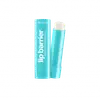
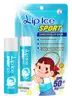
Wardah Lip Barrier Sunscreen SPF 30 PA+++ Versus Rohto Mentholatum Lip Ice Sport Sunscreen Lip Balm SPF 50+ PA++++
This barrier-repair lip moisturizer is formulated around Ricinus Communis Seed Oil and Petrolatum to strengthen the lip barrier and hydrate lips.
This lip moisturizer is formulated around Prunus Amygdalus Dulcis Oil and Persea Gratissima Oil to hydrate lips.


What's inside
What's inside
 Key Ingredients
Benefits
Concerns
Ingredients Side-by-side
Ricinus Communis Seed Oil
Masking




Petrolatum
Emollient

C12-15 Alkyl Benzoate
AntimicrobialOlea Europaea Fruit Oil
Masking

Bis-Diglyceryl Polyacyladipate-2
Emollient
Synthetic Wax
Abrasive
Ethylhexyl Methoxycinnamate
UV Absorber

Butyl Methoxydibenzoylmethane
UV Absorber
Di-C20-40 Alkyl Dimer Dilinoleate
Skin ConditioningMicrocrystalline Wax
Emulsion StabilisingButyrospermum Parkii Butter
Skin Conditioning
Macadamia Ternifolia Seed Oil
Emollient
C10-30 Cholesterol/Lanosterol Esters
Emulsifying
Zinc Oxide
Cosmetic Colorant
Phenoxyethanol
Preservative
Simmondsia Chinensis Seed Oil
Emollient
Bisabolol
Antioxidant


Tocopheryl Acetate
Antioxidant

Ethylhexylglycerin
Skin ConditioningLinoleic Acid
Cleansing
1,2-Hexanediol
Skin Conditioning
Caprylyl Glycol
Emollient
Glycine Soja Oil
Emollient
Allantoin
Skin Conditioning
BHT
Antioxidant
Persea Gratissima Oil
Skin Conditioning
Oleic Acid
Emollient
Triethoxycaprylylsilane

Propylene Glycol
Humectant
Honey Extract
Humectant
Palmitic Acid
Emollient
Water
Skin ConditioningStearic Acid
Cleansing
Glycerin
Humectant
Linolenic Acid
Cleansing
Isobornyl Acetate
Masking
Calendula Officinalis Flower Extract
Masking
Chamomilla Recutita Flower Extract
Masking
Fucus Vesiculosus Extract
Emollient
Triticum Vulgare Bran Extract
Skin ConditioningArachidic Acid
Cleansing
Behenic Acid
Cleansing
Punica Granatum Flower Extract
Skin Conditioning
Polyglyceryl-3 Diisostearate
Emulsifying
Tocopherol
Antioxidant
Citric Acid
Buffering
Potassium Sorbate
Preservative
Sodium Benzoate
Masking
Ricinus Communis Seed Oil, Petrolatum, C12-15 Alkyl Benzoate, Olea Europaea Fruit Oil, Bis-Diglyceryl Polyacyladipate-2, Synthetic Wax, Ethylhexyl Methoxycinnamate, Butyl Methoxydibenzoylmethane, Di-C20-40 Alkyl Dimer Dilinoleate, Microcrystalline Wax, Butyrospermum Parkii Butter, Macadamia Ternifolia Seed Oil, C10-30 Cholesterol/Lanosterol Esters, Zinc Oxide, Phenoxyethanol, Simmondsia Chinensis Seed Oil, Bisabolol, Tocopheryl Acetate, Ethylhexylglycerin, Linoleic Acid, 1,2-Hexanediol, Caprylyl Glycol, Glycine Soja Oil, Allantoin, BHT, Persea Gratissima Oil, Oleic Acid, Triethoxycaprylylsilane, Propylene Glycol, Honey Extract, Palmitic Acid, Water, Stearic Acid, Glycerin, Linolenic Acid, Isobornyl Acetate, Calendula Officinalis Flower Extract, Chamomilla Recutita Flower Extract, Fucus Vesiculosus Extract, Triticum Vulgare Bran Extract, Arachidic Acid, Behenic Acid, Punica Granatum Flower Extract, Polyglyceryl-3 Diisostearate, Tocopherol, Citric Acid, Potassium Sorbate, Sodium Benzoate
Triethylhexanoin
MaskingTriisostearin
Skin Conditioning
Ozokerite
Emulsion StabilisingMicrocrystalline Wax
Emulsion StabilisingEthylhexyl Methoxycinnamate
UV Absorber
Diethylamino Hydroxybenzoyl Hexyl Benzoate
UV Filter
Hydrogenated Polyisobutene
EmollientEthylhexyl Triazone
UV Absorber
Prunus Amygdalus Dulcis Oil
Skin Conditioning
4-Methylbenzylidene Camphor
UV Absorber
Polysilicone-15
UV Filter
Persea Gratissima Oil
Skin Conditioning
Pentylene Glycol
Skin Conditioning
Bis-Ethylhexyloxyphenol Methoxyphenyl Triazine
UV Absorber
Aloe Barbadensis Leaf Extract
Emollient
Cocos Nucifera Oil
Masking
Bisabolol
Antioxidant
Tocopheryl Acetate
Antioxidant
Menthol
Masking

BHT
Antioxidant
Menthyl Lactate
Masking
Paraffinum Liquidum
Emollient
Panthenol
Skin Conditioning
Triethylhexanoin, Triisostearin, Ozokerite, Microcrystalline Wax, Ethylhexyl Methoxycinnamate, Diethylamino Hydroxybenzoyl Hexyl Benzoate, Hydrogenated Polyisobutene, Ethylhexyl Triazone, Prunus Amygdalus Dulcis Oil, 4-Methylbenzylidene Camphor, Polysilicone-15, Persea Gratissima Oil, Pentylene Glycol, Bis-Ethylhexyloxyphenol Methoxyphenyl Triazine, Aloe Barbadensis Leaf Extract, Cocos Nucifera Oil, Bisabolol, Tocopheryl Acetate, Menthol, BHT, Menthyl Lactate, Paraffinum Liquidum, Panthenol
Reviews
Ingredients Explained
These ingredients are found in both products.
Ingredients higher up in an ingredient list are typically present in a larger amount.
BHT is a synthetic antioxidant and preservative.
As an antioxidant, it helps your body fight off free-radicals. Free-radicals are molecules that may damage your skin cells.
As a preservative, it is used to stabilize products and prevent them from degrading. Specifically, BHT prevents degradation from oxidation.
The concerns related to BHT come from oral studies; this ingredient is currently allowed for use by both the FDA and EU.
However, it was recently restricted for use in the UK as of April 2024.
Learn more about BHTBisabolol is a gentle skin conditioner, antioxidant, and soothing ingredient.
It's primary claim to fame is soothing and research shows topically applied bisabolol can quiet the chemical messengers that cause your skin to become inflamed, helping to sooth any irritation.
A clinical study found that applying 0.5% bisabolol daily for 8 weeks produced an average 9% decrease in skin pigmentation. Researchers found it can also suppress the process that leads to excess melanin production in skin.
In vitro studies found that bisabolol combined with propylene glycol significantly increased skin permeability by increasing lipid fluidity in the stratum corneum.
You'll likely see use concentrations quite low, usually 0.1-0.2%.
Overall, this is a well-tolerated ingredient that works well in formulas designed for sensitive, reactive, or post-procedure skin.
Learn more about BisabololThis ingredient is also known as Octinoxate and is one of the oldest and most widely used chemical UV filters in skincare.
It has a simple job: soap up UVB radiation (290-320 nm), the wavelengths responsible for sunburn and a big chunk of long-term sun damage.
In formulas, it's always paired with a separate UVA filter because octinoxate solely protects skin from UVB.
Because it's an oil-soluble liquid, it's easy to blend into the oil phase of lotions/creams and gives a cosmetically elegant feel.
The one quirk about formulating this ingredient is photostability; the molecule slowly changes shape into a less effective version when sunlight hits it. So the longer you're in the sun, the weaker its protection gets. The drop can be more than 30% in some formulas.
It also doesn't play nice with Avobenzone (the common UVA filter) since avobenzone destabilizes octinoxate and the two degrade each other. But don't worry: brands have solved this issue by adding photostabilizers like Tinosorb S to prevent degradation and keep SPF stable under heavy UV exposure.
The maximum allowed level is 10% in the EU and Australia, 7.5% in the US and Canada, and 20% in Japan.
The Cosmetic Ingredient Review Panel has concluded this ingredient to be safe in cosmetics up to 10%.
One last thing worth knowing for context:
Octinoxate has been the subject of ongoing review in Europe where the Scientific Committee on Consumer Safety's (SCCS) 2025 final opinion is that this ingredient is an endocrine-active substance.
Lab and animal studies suggest it can act a bit like a hormone in the body (mildly mimicking estrogen and slightly blocking male hormones). It's important to know this hasn't really been shown to happen in everyday human use.
This ingredient is also banned in Hawaii over coral reef concerns.
Learn more about Ethylhexyl MethoxycinnamateMicrocrystalline Wax is derived from petroleum through a de-oiling process, then highly refined and purified before use in cosmetics.
In skincare formulations, it is used to improve texture and create a smooth, even consistency. It also helps stabilize products by preventing ingredients from separating.
This ingredient is also known as Avocado oil. It's the cold-pressed oil from the flesh of the avocado fruit packed with fatty acids (mostly oleic acid).
The rich fatty acid profile allows it to function as a skin conditioning agent and emollient; it helps soften and smooth skin while reducing water loss.
Preclinical research has found that topical avocado oil increased collagen synthesis and reduced inflammation during wound healing, giving it some skin-repairing credibility.
The unsaponifiable fraction of the oil is also interesting: studies on avocado unsaponifiables showed that it helped skin produce more collagen and other structural compounds that support healing.
The CIR Expert Panel has found this ingredient to be non-irritating in formulations.
This ingredient may not be fungal acne safe. This is because the oleic acid content falls within the range that Malassezia can use as a food source.
This ingredient does have a comedogenic rating of 0-3, but this doesn't mean a formula with this ingredient will clog pores. Human testing has proved that any finished product with a comedogenic ingredient won't automatically make you break out; it really comes down to concentration, formula, and your skin.
Learn more about Persea Gratissima OilTocopheryl Acetate is a stable, shelf-friendly form of vitamin E.
Formulators love it because plain vitamin E oxidizes quickly once it hits air. This acetate version stays stable and resists going off, helping to extend a product's shelf life.
It's actually inactive on its own and works like a slow-release "storage" form; the enzymes in your skin called esterases gradually convert it into active vitamin E over time.
One in vivo study showed 5% of the acetate in the living layer of the epidermis converted to vitamin E after 5 days of application. This study also found the skin gained protection against UV damage even though the conversion was slow and small.
Once converted, vitamin E acts as a skin's main fat-soluble antioxidant that fights free radicals to protect skin from damage.
Topical vitamin E generally boosts the skin's photoprotection, and it reduced UV-damage in animal models.
This ingredient has some brightening potential but it's more of a prevention ingredient than spot-fader. Cell studies show it can slow down melanin production but it's worth noting that it's not the most powerful brightener out there.
Overall, it has a pretty solid safety profile and has been found to be non-irritating and non-comedogenic. Allergic reactions may happen but stay rare due to how widely the ingredient gets used.
The concentration will vary depending on the formula; industry data shows 0.1% in baby lotions, 3% in lipsticks, and 5% in foot powders. You can also find this ingredient at 100% in a pure vitamin E oil.
Most leave-on skincare keeps it at the lower end, often between 0.5-1%.
Learn more about Tocopheryl Acetate

