Rohto Mentholatum Water Lip Color Balm SPF 20 PA++ Versus Rohto Mentholatum Lip Ice Sport Sunscreen Lip Balm SPF 50+ PA++++
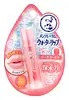
This barrier-repair lip moisturizer is formulated around Petrolatum and Sodium Hyaluronate to strengthen the lip barrier and hydrate lips.
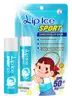
This lip moisturizer is formulated around Prunus Amygdalus Dulcis Oil and Persea Gratissima Oil to hydrate lips.

What's inside
What's inside
 Key Ingredients
Benefits
Concerns
Ingredients Side-by-side
Cetyl Ethylhexanoate
EmollientPolyethylene
Abrasive

Diisostearyl Malate
EmollientPetrolatum
Emollient



Lanolin
Emollient

Lanolin Acid
Cleansing
Ethylhexyl Methoxycinnamate
UV Absorber

Microcrystalline Wax
Emulsion StabilisingSodium Hyaluronate
Humectant



Soluble Collagen
Humectant
Aloe Barbadensis Leaf Extract
Emollient
Honey
Humectant
Cocos Nucifera Oil
Masking

Paraffinum Liquidum
Emollient
Hydrolyzed Hyaluronic Acid
Humectant
Water
Skin Conditioning1,2-Hexanediol
Skin Conditioning
Dipropylene Glycol
HumectantButyl Methoxydibenzoylmethane
UV Absorber
Polyglyceryl-4 Oleate
Emulsifying
Polyglyceryl-6 Ricinoleate
Emulsifying
Alumina
Abrasive
Dimethicone
Emollient
Mica
Cosmetic ColorantIron Oxides
Titanium Dioxide
Cosmetic Colorant
CI 15850
Cosmetic ColorantCI 73360
Cosmetic ColorantCetyl Ethylhexanoate, Polyethylene, Diisostearyl Malate, Petrolatum, Lanolin, Lanolin Acid, Ethylhexyl Methoxycinnamate, Microcrystalline Wax, Sodium Hyaluronate, Soluble Collagen, Aloe Barbadensis Leaf Extract, Honey, Cocos Nucifera Oil, Paraffinum Liquidum, Hydrolyzed Hyaluronic Acid, Water, 1,2-Hexanediol, Dipropylene Glycol, Butyl Methoxydibenzoylmethane, Polyglyceryl-4 Oleate, Polyglyceryl-6 Ricinoleate, Alumina, Dimethicone, Mica, Iron Oxides, Titanium Dioxide, CI 15850, CI 73360
Triethylhexanoin
MaskingTriisostearin
Skin Conditioning
Ozokerite
Emulsion StabilisingMicrocrystalline Wax
Emulsion StabilisingEthylhexyl Methoxycinnamate
UV Absorber
Diethylamino Hydroxybenzoyl Hexyl Benzoate
UV Filter
Hydrogenated Polyisobutene
EmollientEthylhexyl Triazone
UV Absorber
Prunus Amygdalus Dulcis Oil
Skin Conditioning
4-Methylbenzylidene Camphor
UV Absorber
Polysilicone-15
UV Filter
Persea Gratissima Oil
Skin Conditioning
Pentylene Glycol
Skin Conditioning
Bis-Ethylhexyloxyphenol Methoxyphenyl Triazine
UV Absorber
Aloe Barbadensis Leaf Extract
Emollient
Cocos Nucifera Oil
Masking
Bisabolol
Antioxidant
Tocopheryl Acetate
Antioxidant

Menthol
Masking

BHT
Antioxidant
Menthyl Lactate
Masking
Paraffinum Liquidum
Emollient
Panthenol
Skin Conditioning
Triethylhexanoin, Triisostearin, Ozokerite, Microcrystalline Wax, Ethylhexyl Methoxycinnamate, Diethylamino Hydroxybenzoyl Hexyl Benzoate, Hydrogenated Polyisobutene, Ethylhexyl Triazone, Prunus Amygdalus Dulcis Oil, 4-Methylbenzylidene Camphor, Polysilicone-15, Persea Gratissima Oil, Pentylene Glycol, Bis-Ethylhexyloxyphenol Methoxyphenyl Triazine, Aloe Barbadensis Leaf Extract, Cocos Nucifera Oil, Bisabolol, Tocopheryl Acetate, Menthol, BHT, Menthyl Lactate, Paraffinum Liquidum, Panthenol
Reviews
Ingredients Explained
These ingredients are found in both products.
Ingredients higher up in an ingredient list are typically present in a larger amount.
Aloe Barbadensis Leaf Extract is a botanical extract pulled from the leaves of aloe vera and one of the most studied plant ingredients in cosmetics.
The inner leaf gel it comes from is mostly water (~99-99.5%) and the remaining fraction is made up of pretty good stuff: polysaccharides, vitamins, phenolics, and enzymes.
Its headline job is hydration.
The star polysaccharide in aloe, acemannan, is a humectant that retains moisture and helps reduce trans-epidermal water loss.
Aloe also has real soothing credentials; it contains anti-inflammatory compounds like bradykinase and C-glucosyl chromone that help calm irritation and redness.
On the repair side, lab work shows that acemannan wakes up your skin's repair cells (fibroblasts), prompting them to multiply and speed up healing.
There's some human data for cosmetic benefit too: a cream containing 10% Aloe Barbadensis leaf extract improved skin hydration and elasticity in a real-use study.
Safety-wise, this ingredient is well-regarded with just one rare downside; there have been some case reports of acute eczema, contact urticaria, and dermatitis in people who applied aloe-derived ingredients topically. Those with a known aloe or Liliaceae sensitivity should patch test.
Typical use levels range widely, from under 1% up to 90%+ depending on the format and the effect you are after.
Learn more about Aloe Barbadensis Leaf ExtractThis ingredient is also known as coconut oil. It is a plant-derived ingredient with skin conditioning properties.
The fatty acid profile of coconut oil is mostly lauric acid (~54%), followed by capric, caprylic, palmitic, and myristic acids. This profile allows it to penetrate easily into skin, moisturize, and improve dry skin.
A double-blind study confirmed that extra virgin coconut oil is as effective as mineral oil for treating very dry skin. Another study found it outperformed mineral oil for mild to moderate atopic dermatitis in children.
Another study from 2018 found that virgin coconut oil can soothe inflammation and boost key skin barrier proteins. Just know this evidence is still only from lab settings and not human trials.
It has also been shown to reduce Staphylococcus aureus, a bacteria that commonly overgrows in people with eczema.
Clinical testing shows very minimal skin irritation and no evidence of sensitization or phototoxicity.
Coconut oil gets flagged as a "fragrance" because it has a natural mild scent (not because it's a synthetic perfume). The European Cosmetic ingredient database also lists "perfuming" as a function of this ingredient.
Just so you know, the term "fragrance" is completely unregulated. Some brands still use botanical extracts or essential oils in their "fragrance-free" formulas, but regulatory databases technically classify these under "fragrance".
Coconut oil has a tiny and useless bit of natural SPF. Early lab studies clocked it around SPF 7-8 but a more recent study found the real number closer to SPF 1.2. It also offers no meaningful UVA protection (SPF only overs UVB rays).
The comedogenic rating of 4/5 means it has a high potential to clog pores; but it's worth noting that comedogenicity is highly individual and ratings cannot predict how an overall formula will behave on skin.
Since lauric acid is the dominant fatty acid, this ingredient may not be fungal acne safe. The Malassezia yeast feeds on fatty acids with carbon chain lengths between 11-24, and lauric acid falls within these lengths (C12).
Learn more about Cocos Nucifera OilThis ingredient is also known as Octinoxate and is one of the oldest and most widely used chemical UV filters in skincare.
It has a simple job: soap up UVB radiation (290-320 nm), the wavelengths responsible for sunburn and a big chunk of long-term sun damage.
In formulas, it's always paired with a separate UVA filter because octinoxate solely protects skin from UVB.
Because it's an oil-soluble liquid, it's easy to blend into the oil phase of lotions/creams and gives a cosmetically elegant feel.
The one quirk about formulating this ingredient is photostability; the molecule slowly changes shape into a less effective version when sunlight hits it. So the longer you're in the sun, the weaker its protection gets. The drop can be more than 30% in some formulas.
It also doesn't play nice with Avobenzone (the common UVA filter) since avobenzone destabilizes octinoxate and the two degrade each other. But don't worry: brands have solved this issue by adding photostabilizers like Tinosorb S to prevent degradation and keep SPF stable under heavy UV exposure.
The maximum allowed level is 10% in the EU and Australia, 7.5% in the US and Canada, and 20% in Japan.
The Cosmetic Ingredient Review Panel has concluded this ingredient to be safe in cosmetics up to 10%.
One last thing worth knowing for context:
Octinoxate has been the subject of ongoing review in Europe where the Scientific Committee on Consumer Safety's (SCCS) 2025 final opinion is that this ingredient is an endocrine-active substance.
Lab and animal studies suggest it can act a bit like a hormone in the body (mildly mimicking estrogen and slightly blocking male hormones). It's important to know this hasn't really been shown to happen in everyday human use.
This ingredient is also banned in Hawaii over coral reef concerns.
Learn more about Ethylhexyl MethoxycinnamateMicrocrystalline Wax is derived from petroleum through a de-oiling process, then highly refined and purified before use in cosmetics.
In skincare formulations, it is used to improve texture and create a smooth, even consistency. It also helps stabilize products by preventing ingredients from separating.
Paraffinum Liquidum is a highly-refined cosmetic-grade mineral oil. It is also known as liquid paraffin.
Despite its controversial reputation, the science is pretty clear: it's one of the most well-studied and effective moisturizing ingredients out there.
As an occlusive, it forms a protective layer on the skin that locks in moisture and prevents transepidermal water loss (TEWL). This makes it especially great for compromised skin barriers.
The "it clogs your pores" myth has been around for decades; a study found that industrial-grade mineral oil may be comedogenic but cosmetic-grade mineral oil is not (these two are very, very different).
A 2017 review concluded that cosmetic use of mineral oils and waxes does not present a risk to consumers due to absorption.
Mineral oil got a bad rap from the old rabbit ear studies. When tested on actual human skin, cosmetic-grade mineral oil showed no comedogenic activity. The rating of 0 is a correction of outdated science.
Mineral oil is an inert substance with no fatty acids so there's nothing to feed Malassezia. This ingredient is fungal acne safe.
Learn more about Paraffinum Liquidum

