The Doctor Hyaluron Power Face Cream 3 in 1 Versus Tula Skincare 24-7 Moisture Intense Ultra Hydrating Day & Night Cream
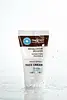
This barrier-repair moisturizer is formulated around Squalane and Sodium Hyaluronate Crosspolymer to strengthen the skin barrier and hydrate skin.
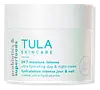
This barrier-repair moisturizer is formulated around Butyrospermum Parkii Butter and Lactococcus Ferment Lysate to strengthen the skin barrier and hydrate skin.


What's inside
What's inside
 Key Ingredients
Benefits
Concerns
Ingredients Side-by-side
Water
Skin ConditioningEthylhexyl Stearate
Emollient




Dicaprylyl Carbonate
EmollientPolyglyceryl-3 Methylglucose Distearate
Emulsifying
Glycerin
Humectant


Glyceryl Stearate
Emollient
Persea Gratissima Oil
Skin Conditioning
Butyrospermum Parkii Butter
Skin Conditioning
Squalane
Emollient
Orbignya Oleifera Seed Oil
Emollient
Cetearyl Alcohol
Emollient

Hydrolyzed Jojoba Esters
Skin Conditioning
Sodium Hyaluronate Crosspolymer
Humectant
Propanediol
Solvent
Hydrolyzed Glycosaminoglycans
HumectantSodium Hyaluronate
Humectant
Hydrolyzed Hyaluronic Acid
Humectant
Hyaluronic Acid
Humectant
Undecane
EmollientTridecane
Perfuming

Sodium Polyacrylate
Absorbent
Disodium EDTA
ChelatingLactic Acid
Buffering






Piroctone Olamine
Preservative
PEG-8
HumectantAscorbyl Palmitate
Antioxidant

Ascorbic Acid
Antioxidant
Citric Acid
Buffering
Tocopherol
Antioxidant
Phenoxyethanol
Preservative
Ethylhexylglycerin
Skin ConditioningBenzyl Glycol
SolventRaspberry Ketone
Masking
Parfum
Masking
Water, Ethylhexyl Stearate, Dicaprylyl Carbonate, Polyglyceryl-3 Methylglucose Distearate, Glycerin, Glyceryl Stearate, Persea Gratissima Oil, Butyrospermum Parkii Butter, Squalane, Orbignya Oleifera Seed Oil, Cetearyl Alcohol, Hydrolyzed Jojoba Esters, Sodium Hyaluronate Crosspolymer, Propanediol, Hydrolyzed Glycosaminoglycans, Sodium Hyaluronate, Hydrolyzed Hyaluronic Acid, Hyaluronic Acid, Undecane, Tridecane, Sodium Polyacrylate, Disodium EDTA, Lactic Acid, Piroctone Olamine, PEG-8, Ascorbyl Palmitate, Ascorbic Acid, Citric Acid, Tocopherol, Phenoxyethanol, Ethylhexylglycerin, Benzyl Glycol, Raspberry Ketone, Parfum
Water
Skin ConditioningButyrospermum Parkii Butter
Skin Conditioning
Propanediol
Solvent
Glycerin
Humectant
Dicaprylyl Carbonate
EmollientJojoba Esters
Emollient
Camellia Japonica Seed Oil
Emollient
Lactococcus Ferment Lysate
Skin Conditioning
Glyceryl Stearate
Emollient
Cetearyl Alcohol
Emollient
Ammonium Acryloyldimethyltaurate/Beheneth-25 Methacrylate Crosspolymer
Emulsion StabilisingMyristyl Myristate
Emollient
Squalane
Emollient
Polyacrylate Crosspolymer-6
Emulsion StabilisingHyaluronic Acid
Humectant
Collagen
Moisturising
Hippophae Rhamnoides Oil
Emollient
Argania Spinosa Kernel Oil
Emollient
Linoleic Acid
Cleansing
Linolenic Acid
Cleansing
Hydrolyzed Rice Protein
Skin ConditioningLactobacillus
Skin ConditioningLactobacillus Ferment
Skin Conditioning
Cichorium Intybus Root Extract
MaskingCitrullus Lanatus Fruit Extract
Skin Conditioning
Pyrus Malus Fruit Extract
Skin Conditioning
Curcuma Longa Root Extract
Antioxidant
Lactic Acid
Buffering
Vaccinium Angustifolium Fruit Extract
Skin Protecting
Beta Vulgaris Root Extract
Skin ConditioningTocopheryl Acetate
Antioxidant
Inulin
Skin Conditioning
Polymnia Sonchifolia Root Juice
Skin ConditioningAlpha-Glucan Oligosaccharide
Cleansing
Ascorbyl Palmitate
Antioxidant
Lens Esculenta Fruit Extract
Skin ConditioningSodium PCA
Humectant
Leuconostoc/Radish Root Ferment Filtrate
Antimicrobial
Butylene Glycol
Humectant
Candelilla/Jojoba/Rice Bran Polyglyceryl-3 Esters
Emulsifying
Caprylyl Glycol
Emollient
Cetearyl Olivate
Maltodextrin
Absorbent
Pentylene Glycol
Skin Conditioning
Potassium Sorbate
Preservative
Sodium Benzoate
Masking
Sodium Chloride
MaskingSodium Phytate
ChelatingPolysorbate 60
Emulsifying
Sodium Stearoyl Lactylate
EmulsifyingParfum
Masking
Water, Butyrospermum Parkii Butter, Propanediol, Glycerin, Dicaprylyl Carbonate, Jojoba Esters, Camellia Japonica Seed Oil, Lactococcus Ferment Lysate, Glyceryl Stearate, Cetearyl Alcohol, Ammonium Acryloyldimethyltaurate/Beheneth-25 Methacrylate Crosspolymer, Myristyl Myristate, Squalane, Polyacrylate Crosspolymer-6, Hyaluronic Acid, Collagen, Hippophae Rhamnoides Oil, Argania Spinosa Kernel Oil, Linoleic Acid, Linolenic Acid, Hydrolyzed Rice Protein, Lactobacillus, Lactobacillus Ferment, Cichorium Intybus Root Extract, Citrullus Lanatus Fruit Extract, Pyrus Malus Fruit Extract, Curcuma Longa Root Extract, Lactic Acid, Vaccinium Angustifolium Fruit Extract, Beta Vulgaris Root Extract, Tocopheryl Acetate, Inulin, Polymnia Sonchifolia Root Juice, Alpha-Glucan Oligosaccharide, Ascorbyl Palmitate, Lens Esculenta Fruit Extract, Sodium PCA, Leuconostoc/Radish Root Ferment Filtrate, Butylene Glycol, Candelilla/Jojoba/Rice Bran Polyglyceryl-3 Esters, Caprylyl Glycol, Cetearyl Olivate, Maltodextrin, Pentylene Glycol, Potassium Sorbate, Sodium Benzoate, Sodium Chloride, Sodium Phytate, Polysorbate 60, Sodium Stearoyl Lactylate, Parfum
Reviews
Ingredients Explained
These ingredients are found in both products.
Ingredients higher up in an ingredient list are typically present in a larger amount.
Ascorbyl Palmitate is a fat-soluble form of vitamin C (Ascorbic Acid) made by combining it with palmitic acid.
It is able to blend easily into creams and oil-based formulas because it dissolves in oils rather than water.
As you may know, regular vitamin C is notorious for breaking down when exposed to sunlight and air. Ascorbyl Palmitate is more stable and degrades at a slower rate.
Research on whether it converts efficiently into active vitamin C once it's applied on your skin is still limited.
Some in-vitro studies suggest it may support collagen production, but it is not considered one of the stronger vitamin C derivatives, like:
Due to the palmitic acid base, this ingredient may not be fungal acne safe. Comedogenic studies have also shown this ingredient to have a rating of 2.
It's also worth keeping in mind that comedogenic and irritancy ratings are tested on individual ingredients, not finished formulas. The final product's formulation, concentration, and other ingredients all play a role in how something actually behaves on your skin.
Learn more about Ascorbyl PalmitateThis ingredient is also known as shea butter. It is a plant-derived extract from the nuts of the Africa shea tree and one of the most well-studied emollients.
Because it has a high concentration of fatty acids (primarily oleic, stearic, and linoleic) it is able to form a protective barrier on the skin's surface. This helps seal in moisture and prevents transepidermal water loss (TEWL).
In vitro research found an increase in skin hydration by 58% and a decrease in TEWL by 37.8% after 24 hours of applying this ingredient (pretty impressive for a single ingredient!).
Besides hydration, shea butter also contains triterpenes that have anti-inflammatory potential. In particule, lupeol cinnamate has shown the highest anti-inflammatory activity in vivo.
Shea butter also contains vitamins A and E which may contribute to antioxidant activity.
While Shea Butter has an SPF rating of about 3-4, it is not a sunscreen replacement.
This ingredient may not be fungal acne safe because its fatty acids fall within the C11-C24 range that the Malassezia yeast can metabolize.
This ingredient shows up on a lot of "pore-clogging" lists but there's no real evidence behind that. It doesn't even have a comedogenic rating from an actual study; the numbers you'll find online come from blogs citing other blogs.
Ratings for other ingredients mostly come from a 1980s rabbit ear test. This test doesn't translate well to human skin or to real products because the ingredient sits at a much lower percentage.
Some people still find it breaks them out. So if that's you, definitely trust your skin. Just know this one's based on experience and not evidence.
Learn more about Butyrospermum Parkii ButterCetearyl alcohol is a waxy mixture of two fatty alcohols: cetyl alcohol and stearyl alcohol. It is an emollient and emulsifier.
Despite having "alcohol" in its name, it has nothing to do with drying solvent alcohols; the FDA also allows "alcohol-free" products to contain fatty alcohols like this ingredient.
It plays several roles in a formula:
Typical use levels for this ingredient sit around 1-10% and the Cosmetic Ingredient Review Expert Panel has affirmed safety at concentrations up to 25% in leave-on products.
Multiple assessments have found it to be non-irritating and non-sensitizing to most people.
However, there have been some cases of allergic contact dermatitis in patients with chronically compromised skin barriers.
Cetearyl alcohol has a comedogenic rating of 2 and irritancy rating of 1. Both of these numbers come from the 1989 study that used rabbit ears; a "2" means mildly comedogenic and a "1" means low irritancy.
Here's the catch: rabbit skin is more sensitive than human skin and throws a lot of false positives. A 1996 reappraisal found that ingredients rated 1-2 in the rabbit ear tests are generally safe for humans.
Remember comedogenic ratings are unable to assess the entire formula of a product or how it will react on your skin. Just be sure to patch test if you are unsure about certain ingredients.
This ingredient is not fungal acne safe. Cetearyl alcohol is a fatty alcohol with chain lengths that fall within the range that Malassezia can metabolize.
A 2019 study has also observed Malassezia growth in the presence of this ingredient, confirming it to be not-fungal acne safe.
Learn more about Cetearyl AlcoholDicaprylyl Carbonate comes from carbonic acid and caprylyl alcohol, a fatty alcohol. It is an emollient and gives skin a velvet feel. The sources of Dicaprylyl Carbonate may be synthetic or from animals.
As an emollient, Dicaprylyl Carbonate creates a film on the skin. This film traps moisture in, keeping your skin soft and hydrated.
Glycerin (or glycerol) is a compound naturally found in your skin. It's a powerhouse humectant that pulls water into the stratum corneum.
Topically, glycerin does several things at once:
Your skin makes glycerin on its own (mostly from sebaceous oil breakdown) and shuttles it to your outermost layer of skin, or your epidermis, via aquaporin-3.
Aquaporin-3 is a transporter that is essential for normal skin hydration, elasticity, and repair. Interestingly, mice lacking in AQP3 have dry and less elastic skin that can be fully corrected with glycerin.
This ingredient is non-irritating, plays well with almost every ingredient, and works across all skin types. Typical use is anywhere between 3-10% but can go up to 79% in some leave-on products.
Just know very high concentrations (>40%) can feel tacky in low humidity.
Glycerin is the name for this ingredient in American English. British English uses Glycerol/Glycerine.
Learn more about GlycerinGlyceryl Stearate is made by reacting glycerin with stearic acid (typically sourced from plant oils like palm or coconut). It's an emulsifier, emollient, and mild occlusive.
Emulsifiers help ingredients like oil and water stay mixed so your formula stays nicely blended and uniform in texture.
This ingredient is typically used in concentrations between 1-10%. Studies have found it to be non-sensitizing, non-phototoxic, and non-photoallergenic.
A close cousin of this ingredient is Glyceryl Stearate SE ("self-emulsifying"). This just has a small amount of sodium or potassium stearate added so it can emulsify without a co-emulsifier.
Since this ingredient is an ester of a C18 fatty acid, it may not be fungal acne safe. The Malassezia yeast can potentially metabolize within the C11-C24 range.
Fun fact: The human body also creates Glyceryl Stearate naturally.
Learn more about Glyceryl StearateHyaluronic acid (HA) is a glycosaminoglycan (basically a long sugar chain) that your skin already makes on its own. In your skin, HA lives in the extracellular matrix and acts as the body's moisture reservoir.
Topically, HA is a humectant that binds water and helps skin look more plump, smooth, and hydrated.
The only catch is that HA isn't a single thing; it actually comes in a wide range of molecular weights (~50 - 2,000+ kDA) and size matters.
Some clinical evidence links low molecular weight versions to improved wrinkle depth, elasticity, anti-inflammatory effects, and barrier repair.
This is why the best HA serums blend the two sizes together so you get the best of both worlds.
The majority of cosmetic HA is produced by bacterial fermentation, typically using Streptococcus or Bacillus strains. Typical use levels in skincare sit around 0.1-2%.
A clinical study using a 0.2% low-molecular weight HA gel showed improvement in facial seborrheic dermatitis with excellent tolerance.
These are some other common types of Hyaluronic Acid:
Learn more about Hyaluronic AcidLactic Acid is another well-loved alpha hydroxy acid (AHA). It is gentler than glycolic acid but still highly effective.
Its main role is to exfoliate the surface of the skin by loosening the “glue” that holds dead skin cells together. Shedding those old cells leads to smoother, softer, and more even-toned skin.
Because lactic acid molecules are larger than glycolic acid, they don’t penetrate as deeply. This means they’re less likely to sting or irritate, making it a great choice for beginners or those with sensitive skin.
Like glycolic acid, it can:
Lactic acid also acts as a humectant (like hyaluronic acid). It can draw water into the skin to improve hydration and also plays a role in the skin's natural moisturizing factor (NMF) in the form of sodium lactate.
Studies show it can boost ceramide production to strengthen the skin barrier and even help balance the skin’s microbiome.
To get results, choose products with a pH between 3-4.
Lower strengths (5-12%) focus on surface exfoliation; higher strengths (12% and up) can reach deeper in the dermis (deeper, supportive layer) to improve skin texture and firmness over time.
Though it was originally derived from milk, most modern lactic acid used in skincare is vegan. It is made through non-dairy fermentation to create a bio-identical and stable form suitable for all formulations.
When lactic acid shows up near the end of an ingredient list, it usually means the brand added just a tiny amount to adjust the product’s pH.
Legend has it that Cleopatra used to bathe in sour milk to help reduce wrinkles.
Lactic acid is truly a gentle multitasker: it exfoliates, hydrates, strengthens, and brightens. It's a great ingredient for giving your skin a smooth, glowing, and healthy look without the harshness of stronger acids.
Read more about some other popular AHA's here:
Learn more about Lactic AcidParfum is a catch-all term for an ingredient or more that is used to give a scent to products.
Also called "fragrance", this ingredient can be a blend of hundreds of chemicals or plant oils. This means every product with "fragrance" or "parfum" in the ingredients list is a different mixture.
For instance, Habanolide is a proprietary trade name for a specific aroma chemical. When used as a fragrance ingredient in cosmetics, most aroma chemicals fall under the broad labeling category of “FRAGRANCE” or “PARFUM” according to EU and US regulations.
The term 'parfum' or 'fragrance' is not regulated in many countries. In many cases, it is up to the brand to define this term.
For instance, many brands choose to label themselves as "fragrance-free" because they are not using synthetic fragrances. However, their products may still contain ingredients such as essential oils that are considered a fragrance by INCI standards.
One example is Calendula flower extract. Calendula is an essential oil that still imparts a scent or 'fragrance'.
Depending on the blend, the ingredients in the mixture can cause allergies and sensitivities on the skin. Some ingredients that are known EU allergens include linalool and citronellol.
Parfum can also be used to mask or cover an unpleasant scent.
The bottom line is: not all fragrances/parfum/ingredients are created equally. If you are worried about fragrances, we recommend taking a closer look at an ingredient. And of course, we always recommend speaking with a professional.
Learn more about ParfumPropanediol is an all-star ingredient. It softens, hydrates, and smooths the skin.
It’s often used to:
Propanediol is not likely to cause sensitivity and considered safe to use. It is derived from corn or petroleum with a clear color and no scent.
Learn more about PropanediolSqualane is the hydrogenated and shelf-stable form of squalene (a lipid that naturally occurs in human sebum).
It is an emollient and skin conditioning agent that is able to integrate seamlessly into the skin's lipid barrier without clogging pores.
This is due to how structurally similar it is to what your skin already produces.
Though it is mostly an emollient that helps soften and hydrate skin, it also has some humectant and occlusive action. Humectants help the skin retain moisture while occlusives seal it in, making squalane a triple-threat moisturizer.
Research shows it has antioxidant capabilities that help protect against stressors like UV exposure, specifically UVA induced oxidative stress. This study also found that it supports collagen biosynthesis in human dermal fibroblasts.
No clinical study has reported significant adverse effects and irritation reactions are very rare from this ingredient (even at 100% concentration).
Overall, it's a fantastic ingredient for hydration and is suitable for all skin types.
This depends on the source. Squalane can be derived from both plants and animals. Most squalane used in skincare comes from plants.
Please note: the source of squalane is only known if disclosed by the brand. We recommend reaching out to the brand if you have any questions about their squalane.
Read more about squalene with an "e".
Though squalane is often called an oil, it’s technically not one. It is a hydrocarbon, meaning it is only made of carbon and hydrogen. True oils are triglycerides and made of fatty acids and glycerol.
The term “oil-free” isn’t regulated so companies can define it however they want. Some exclude all oils, while others just avoid mineral oil or comedogenic oils.
Squalane has a comedogenic rating of 1 from the original 1972 study that tested raw ingredients under occlusion on rabbit ears. This system is not standardized or peer-reviewed, and using the raw ingredients is very different from how diluted cosmetic formulations are used on human skin.
A comedogenic rating of 1 means it is "unlikely to clog pores" according to the original rating system.
The overall formula of a product matters more than the individual ingredients on whether or not it will cause clogged pores.
Learn more about SqualaneWater. It's the most common cosmetic ingredient of all. You'll usually see it at the top of ingredient lists, meaning that it makes up the largest part of the product.
So why is it so popular? Water most often acts as a solvent - this means that it helps dissolve other ingredients into the formulation.
You'll also recognize water as that liquid we all need to stay alive. If you see this, drink a glass of water. Remember to stay hydrated!
Learn more about Water

