

What's inside
What's inside
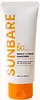 Key Ingredients
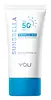
Benefits
Concerns
Ingredients Side-by-side
Water
Skin ConditioningButyl Methoxydibenzoylmethane
UV Absorber
Cetearyl Alcohol
Emollient




Titanium Dioxide
Cosmetic Colorant
Glycerin
Humectant


Cetyl Ethylhexanoate
EmollientCera Alba
Emollient
Butyrospermum Parkii Butter
Skin Conditioning
Potassium Cetyl Phosphate
EmulsifyingMethylene Bis-Benzotriazolyl Tetramethylbutylphenol
UV Filter
PEG-20 Stearate
Emulsifying
Niacinamide
Smoothing









Phenoxyethanol
Preservative
Butylene Glycol
Humectant
Carbomer
Emulsion StabilisingMethylparaben
Preservative

Allantoin
Skin Conditioning
CI 77492
Cosmetic ColorantTriethanolamine
BufferingDecyl Glucoside
Cleansing
Arctostaphylos Uva-Ursi Leaf Extract
Skin ConditioningAlumina
Abrasive
CI 77491
Cosmetic ColorantMorus Alba Fruit Extract
Antioxidant
3-O-Ethyl Ascorbic Acid
Skin Conditioning
Sorbitan Olivate
Emulsifying
Cetearyl Olivate
1,2-Hexanediol
Skin Conditioning
Propylene Glycol
Humectant
Zinc Oxide
Cosmetic Colorant
Alpha-Arbutin
Antioxidant
Xanthan Gum
EmulsifyingSaururus Chinensis Leaf/Root Extract
Antimicrobial
Taraxacum Officinale Leaf Extract
Skin ConditioningHydroxyacetophenone
Antioxidant
Fructose
Humectant
Sodium Hyaluronate
Humectant
Stephania Tetrandra Root Extract
Skin ConditioningPhosphatidylcholine
EmulsifyingTocopherol
Antioxidant
Ceramide NP
Skin Conditioning
Polyglyceryl-10 Oleate
Skin Conditioning
Glycyrrhiza Uralensis Root Extract
Skin Conditioning
Aloe Barbadensis Leaf Extract
Emollient
Portulaca Oleracea Flower/Leaf/Stem Extract
Antioxidant
Sodium Stearoyl Glutamate
CleansingAnthemis Nobilis Flower Extract
Masking
Pelargonium Graveolens Flower/Leaf/Stem Extract
MaskingGlyceryl Caprylate
EmollientWater, Butyl Methoxydibenzoylmethane, Cetearyl Alcohol, Titanium Dioxide, Glycerin, Cetyl Ethylhexanoate, Cera Alba, Butyrospermum Parkii Butter, Potassium Cetyl Phosphate, Methylene Bis-Benzotriazolyl Tetramethylbutylphenol, PEG-20 Stearate, Niacinamide, Phenoxyethanol, Butylene Glycol, Carbomer, Methylparaben, Allantoin, CI 77492, Triethanolamine, Decyl Glucoside, Arctostaphylos Uva-Ursi Leaf Extract, Alumina, CI 77491, Morus Alba Fruit Extract, 3-O-Ethyl Ascorbic Acid, Sorbitan Olivate, Cetearyl Olivate, 1,2-Hexanediol, Propylene Glycol, Zinc Oxide, Alpha-Arbutin, Xanthan Gum, Saururus Chinensis Leaf/Root Extract, Taraxacum Officinale Leaf Extract, Hydroxyacetophenone, Fructose, Sodium Hyaluronate, Stephania Tetrandra Root Extract, Phosphatidylcholine, Tocopherol, Ceramide NP, Polyglyceryl-10 Oleate, Glycyrrhiza Uralensis Root Extract, Aloe Barbadensis Leaf Extract, Portulaca Oleracea Flower/Leaf/Stem Extract, Sodium Stearoyl Glutamate, Anthemis Nobilis Flower Extract, Pelargonium Graveolens Flower/Leaf/Stem Extract, Glyceryl Caprylate
Water
Skin ConditioningEthylhexyl Methoxycinnamate
UV Absorber
Glycerin
Humectant
Diethylamino Hydroxybenzoyl Hexyl Benzoate
UV Filter
Propylene Glycol
Humectant
Octocrylene
UV Absorber
Cyclopentasiloxane
Emollient
Trimethylsiloxysilicate
Emollient
C14-22 Alcohols
Emulsion Stabilising
Dimethicone
Emollient
Cyclohexasiloxane
Emollient
Caprylic/Capric Triglyceride
Masking
C20-22 Alkyl Phosphate
EmulsifyingC20-22 Alcohols
Emulsion Stabilising
Titanium Dioxide
Cosmetic Colorant
Glyceryl Stearate
Emollient
Phenoxyethanol
Preservative
C12-20 Alkyl Glucoside
EmulsifyingSodium Acrylate/Sodium Acryloyldimethyl Taurate Copolymer
Emulsion StabilisingXanthan Gum
EmulsifyingSorbitan Stearate
Emulsifying
Polyhydroxystearic Acid
Emulsifying
Isohexadecane
EmollientHydroxyacetophenone
Antioxidant
Triethanolamine
BufferingDipotassium Glycyrrhizate
Humectant
Allantoin
Skin Conditioning
Hydrated Silica
Abrasive
Polysorbate 80
Emulsifying
Menthol
Masking

Parfum
Masking
Bisabolol
Antioxidant
Tocopheryl Acetate
Antioxidant
Hydrogen Dimethicone
Aluminum Hydroxide
EmollientSorbitan Oleate
Emulsifying
Disodium EDTA
Squalane
Emollient
Butyl Methoxydibenzoylmethane
UV Absorber
Hamamelis Virginiana Extract
Antiseborrhoeic
Polyester-7
Skin ConditioningNeopentyl Glycol Diheptanoate
EmollientPseudoalteromonas Ferment Extract
Humectant
Butylene Glycol
Humectant
Zinc PCA
Humectant
Propanediol
Solvent
Zea Mays Starch
Absorbent
Myrothamnus Flabellifolia Leaf/Stem Extract
HumectantHydrolyzed Corn Starch
HumectantHydrolyzed Corn Starch Octenylsuccinate
AbsorbentButyrospermum Parkii Butter
Skin Conditioning
1,2-Hexanediol
Skin Conditioning
Cocamidopropyl Dimethylamine
Emulsifying
Buddleja Officinalis Flower Extract
UV FilterSodium Salicylate
Preservative
Phenylethyl Resorcinol
Antioxidant
Lactic Acid
Buffering
Palmitoyl Tripeptide-5
Skin Conditioning
Madecassoside
Antioxidant
Asiaticoside
Antioxidant
Ethylhexylglycerin
Skin ConditioningMadecassic Acid
Skin Conditioning
Asiatic Acid
Skin Conditioning
Water, Ethylhexyl Methoxycinnamate, Glycerin, Diethylamino Hydroxybenzoyl Hexyl Benzoate, Propylene Glycol, Octocrylene, Cyclopentasiloxane, Trimethylsiloxysilicate, C14-22 Alcohols, Dimethicone, Cyclohexasiloxane, Caprylic/Capric Triglyceride, C20-22 Alkyl Phosphate, C20-22 Alcohols, Titanium Dioxide, Glyceryl Stearate, Phenoxyethanol, C12-20 Alkyl Glucoside, Sodium Acrylate/Sodium Acryloyldimethyl Taurate Copolymer, Xanthan Gum, Sorbitan Stearate, Polyhydroxystearic Acid, Isohexadecane, Hydroxyacetophenone, Triethanolamine, Dipotassium Glycyrrhizate, Allantoin, Hydrated Silica, Polysorbate 80, Menthol, Parfum, Bisabolol, Tocopheryl Acetate, Hydrogen Dimethicone, Aluminum Hydroxide, Sorbitan Oleate, Disodium EDTA, Squalane, Butyl Methoxydibenzoylmethane, Hamamelis Virginiana Extract, Polyester-7, Neopentyl Glycol Diheptanoate, Pseudoalteromonas Ferment Extract, Butylene Glycol, Zinc PCA, Propanediol, Zea Mays Starch, Myrothamnus Flabellifolia Leaf/Stem Extract, Hydrolyzed Corn Starch, Hydrolyzed Corn Starch Octenylsuccinate, Butyrospermum Parkii Butter, 1,2-Hexanediol, Cocamidopropyl Dimethylamine, Buddleja Officinalis Flower Extract, Sodium Salicylate, Phenylethyl Resorcinol, Lactic Acid, Palmitoyl Tripeptide-5, Madecassoside, Asiaticoside, Ethylhexylglycerin, Madecassic Acid, Asiatic Acid
Reviews
Ingredients Explained
These ingredients are found in both products.
Ingredients higher up in an ingredient list are typically present in a larger amount.
1,2-Hexanediol is a synthetic liquid and another multi-functional powerhouse.
It is a:
- Humectant, drawing moisture into the skin
- Emollient, helping to soften skin
- Solvent, dispersing and stabilizing formulas
- Preservative booster, enhancing the antimicrobial activity of other preservatives
Allantoin is a soothing ingredient known for its protective and moisturizing properties; it's basically a quiet workhorse ingredient you can find in a huge range of cosmetics.
Though it can be derived from the comfrey plant, allantoin is produced synthetically for cosmetic products to ensure purity.
Research shows it can encourage your skin cells to turn over and renew by stimulating keratinocyte and fibroblast proliferation.
It also has mild keratolytic properties to help loosen and shed dead skin cells without being harsh.
Studies also suggest allantoin can help calm inflammation by dialing down some of the chemical signals your skin sends out when it is irritated.
This ingredient is typically used in the 0.1-0.5% range, and the FDA recognizes it as a skin protectant in OTC products up to 2%.
Overall, allantoin is a wonderful addition to most routines; it is stable across a wide pH range (~4-8), works well with other ingredients, and is considered non-sensitizing/non-irritating.
Fun fact: Allantoin is naturally occurring in comfrey root, beets, chamomile, and wheat sprouts. Our bodies even produce it as a byproduct of uric acid metabolism.
Learn more about AllantoinAlso known as Avobenzone, this ingredient is a chemical sunscreen filter that provides protection in the UV-A range.
Avobenzone is globally approved and is the most commonly used UV-A filter in the world.
Studies have found that avobenzone becomes ineffective when exposed to UV light (it is not photostable; meaning that it breaks down in sunlight). Because of this, formulations that include avobenzone will usually contain stabilizers such as octocrylene.
However, some modern formulations (looking at you, EU!) are able to stabilize avobenzone by coating the molecules.
Avobenzone does not protect against the UV-B range, so it's important to check that the sunscreen you're using contains other UV filters that do!
The highest concentration of avobenzone permitted is 3% in the US, and 5% in the EU.
Learn more about Butyl MethoxydibenzoylmethaneButylene Glycol (or BG) is used within cosmetic products for a few different reasons:
Overall, Butylene Glycol is a safe and well-rounded ingredient that works well with other ingredients.
Though this ingredient works well with most skin types, some people with sensitive skin may experience a reaction such as allergic rashes, closed comedones, or itchiness.
Learn more about Butylene GlycolThis ingredient is also known as shea butter. It is a plant-derived extract from the nuts of the Africa shea tree and one of the most well-studied emollients.
Because it has a high concentration of fatty acids (primarily oleic, stearic, and linoleic) it is able to form a protective barrier on the skin's surface. This helps seal in moisture and prevents transepidermal water loss (TEWL).
In vitro research found an increase in skin hydration by 58% and a decrease in TEWL by 37.8% after 24 hours of applying this ingredient (pretty impressive for a single ingredient!).
Besides hydration, shea butter also contains triterpenes that have anti-inflammatory potential. In particule, lupeol cinnamate has shown the highest anti-inflammatory activity in vivo.
Shea butter also contains vitamins A and E which may contribute to antioxidant activity.
While Shea Butter has an SPF rating of about 3-4, it is not a sunscreen replacement.
This ingredient may not be fungal acne safe because its fatty acids fall within the C11-C24 range that the Malassezia yeast can metabolize.
Learn more about Butyrospermum Parkii ButterGlycerin (or glycerol) is a compound naturally found in your skin. It's a powerhouse humectant that pulls water into the stratum corneum.
Topically, glycerin does several things at once:
Your skin makes glycerin on its own (mostly from sebaceous oil breakdown) and shuttles it to your outermost layer of skin, or your epidermis, via aquaporin-3.
Aquaporin-3 is a transporter that is essential for normal skin hydration, elasticity, and repair. Interestingly, mice lacking in AQP3 have dry and less elastic skin that can be fully corrected with glycerin.
This ingredient is non-irritating, plays well with almost every ingredient, and works across all skin types. Typical use is anywhere between 3-10% but can go up to 79% in some leave-on products.
Just know very high concentrations (>40%) can feel tacky in low humidity.
Glycerin is the name for this ingredient in American English. British English uses Glycerol/Glycerine.
Learn more about GlycerinHydroxyacetophenone is antioxidant with skin conditioning and soothing properties. It also boosts the efficiency of preservatives.
Though naturally occuring in Norwegian spruce needles, this ingredient is usually synthetically created.
This ingredient is not irritating or sensitizing. Recent research also suggests it may have skin-brightening effects through tyrosinase inhibition.
Learn more about HydroxyacetophenonePhenoxyethanol is a preservative that has germicide, antimicrobial, and aromatic properties. Studies show that phenoxyethanol can prevent microbial growth. By itself, it has a scent that is similar to that of a rose.
It's often used in formulations along with Caprylyl Glycol to preserve the shelf life of products.
Propylene Glycol is a synthetic, colorless, odorless liquid that has been a staple in cosmetics for decades. It is a skin conditioning agent, humectant, and solvent.
As a humectant, it draw water to the skin to reduce flaking and restore suppleness. It's also a solvent that helps dissolve other actives and keeps formulas stable across temperature changes.
The CIR Expert Panel has confirmed this ingredient to be nontoxic and clinical studies show no sensitization at cosmetic use concentrations.
True allergic reactions are quite rare: a 15-year retrospective study of 6,751 patients found only 0.31% had a positive reaction (and less than half were considered clinically relevant).
It seemed that when sensitization does occur, it's most commonly linked to topical medication (like corticosteroids) and not cosmetics. Allergic contact dermatitis also appears largely limited to individuals with underlying skin conditions.
Overall, propylene glycol is a well-studied ingredient that most people can tolerate without issue.
Learn more about Propylene GlycolTitanium dioxide is a mineral UV filter widely used in sunscreens and cosmetics.
It is one of only two UV filters officially classified as “mineral” by regulatory agencies, the other being zinc oxide.
Titanium dioxide provides broad-spectrum protection mostly in the UVB and UVAII range, with some protection in the UVAI range.
While its UVA protection isn’t as strong as zinc oxide’s, the difference is minor.
A common myth is that mineral UV filters reflect UV light. However, modern research shows titanium dioxide absorbs UV radiation like chemical filters (~95% absorption & 5% reflection).
Thanks to its non-irritating nature, titanium dioxide is suitable for sensitive, acne-prone, or redness-prone skin. It is unlikely to cause "eye sting" like other sunscreen ingredients.
A major drawback of this ingredient is its white cast and thick texture. This is why mineral sunscreens often leave a white cast and are less cosmetically elegant than chemical/hybrid sunscreens.
To improve white cast and spreadability, micronized or nano-sized titanium dioxide is often used.
There are ongoing concerns surrounding nano-titanium oxide's impact on marine ecosystems.
There is no conclusive evidence that any form of titanium oxide (or any other sunscreen ingredients) will cause harm to marine ecosystems or coral reefs. The science is still developing but many consumers are keeping a close eye on this issue.
Please note, many destinations have reef-safety sunscreen rules. For instance, the U.S. Virgin Islands advises all visitors to use non-nano mineral sunscreens.
Nano mineral sunscreens once raised safety concerns about absorption into skin.
Extensive research has shown that they do not penetrate healthy or damaged skin; they remain safely on the surface and the top layer of dead skin (stratum corneum).
You'll likely find titanium dioxide bundled with alumina, silica, or dimethicone. These ingredients help make titanium dioxide highly photostable; this prevents it from interacting with other formula components under UV light.
Learn more about Titanium DioxideTriethanolamine (TEA) is an emulsifier and pH adjuster. It is created using ethylene oxide and ammonia. This gives Triethanolamine a nitrogen core and a similar scent to ammonia.
As an emulsifier, it prevents ingredients from separating and enhances texture by adding volume to a product.
PH adjusters are common in cosmetic products. The pH of a product can affect the effectiveness of other ingredients. A product with a high pH may also irritate the skin.
If you are looking for the tea leaf ingredient, click here.
Learn more about TriethanolamineWater. It's the most common cosmetic ingredient of all. You'll usually see it at the top of ingredient lists, meaning that it makes up the largest part of the product.
So why is it so popular? Water most often acts as a solvent - this means that it helps dissolve other ingredients into the formulation.
You'll also recognize water as that liquid we all need to stay alive. If you see this, drink a glass of water. Remember to stay hydrated!
Learn more about WaterXanthan gum is used as a stabilizer and thickener within cosmetic products. It helps give products a sticky, thick feeling - preventing them from being too runny.
On the technical side of things, xanthan gum is a polysaccharide - a combination consisting of multiple sugar molecules bonded together.
Xanthan gum is a pretty common and great ingredient. It is a natural, non-toxic, non-irritating ingredient that is also commonly used in food products.
Learn more about Xanthan Gum
