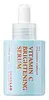
This brightening serum is formulated around Niacinamide and 3-O-Ethyl Ascorbic Acid to brighten dull-looking skin and fade the look of dark spots.
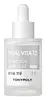
This pore-care ampoule is formulated around Niacinamide and Camellia Sinensis Leaf Extract to refine the look of pores and balance excess oil.

What's inside
What's inside
 Key Ingredients
Benefits
Concerns
Ingredients Side-by-side
Water
Skin ConditioningMethylpropanediol
SolventPropanediol
Solvent

Glycerin
Humectant
1,2-Hexanediol
Skin Conditioning
Niacinamide
Smoothing









Betaine
Humectant
3-O-Ethyl Ascorbic Acid
Skin Conditioning
Tocopheryl Acetate
Antioxidant

Panthenol
Skin Conditioning
Bifida Ferment Lysate
Skin Conditioning
Chlorella Vulgaris Extract
Skin ConditioningSodium Hyaluronate
Humectant
Melia Azadirachta Flower Extract
Skin ConditioningMelia Azadirachta Leaf Extract
Skin ConditioningHydrolyzed Hyaluronic Acid
Humectant
Curcuma Longa Root Extract
Antioxidant
Ocimum Sanctum Leaf Extract
Skin ConditioningCorallina Officinalis Extract
Skin Conditioning

Hyaluronic Acid
Humectant
Hydrolyzed Collagen
Emollient
Sodium Hyaluronate Crosspolymer
Humectant
Hydroxyethyl Urea
Humectant
Glucose
Humectant
Hydrolyzed Glycosaminoglycans
HumectantTrehalose
Humectant
Butylene Glycol
Humectant
Fructooligosaccharides
Humectant
Fructose
Humectant
Tromethamine
BufferingBenzyl Glycol
SolventAdenosine
Skin Conditioning
Sodium Citrate
BufferingSodium Phytate
ChelatingCitric Acid
Buffering

Ethylhexylglycerin
Skin ConditioningPolysorbate 20
Emulsifying
Palmitoyl Tripeptide-1
Skin Conditioning
Palmitoyl Tetrapeptide-7
Skin Conditioning
Ascorbic Acid
Antioxidant
Biotin
AntiseborrhoeicCyanocobalamin
Skin ConditioningFolic Acid
Skin ConditioningPantothenic Acid
Skin ConditioningPyridoxine
Skin ConditioningRiboflavin
Cosmetic ColorantThiamine Hcl
MaskingBioflavonoids
Skin ConditioningGlutathione
Linoleic Acid
Cleansing
Menadione
MaskingRetinol
Skin Conditioning

Tocopherol
Antioxidant
Carbomer
Emulsion StabilisingXanthan Gum
EmulsifyingWater, Methylpropanediol, Propanediol, Glycerin, 1,2-Hexanediol, Niacinamide, Betaine, 3-O-Ethyl Ascorbic Acid, Tocopheryl Acetate, Panthenol, Bifida Ferment Lysate, Chlorella Vulgaris Extract, Sodium Hyaluronate, Melia Azadirachta Flower Extract, Melia Azadirachta Leaf Extract, Hydrolyzed Hyaluronic Acid, Curcuma Longa Root Extract, Ocimum Sanctum Leaf Extract, Corallina Officinalis Extract, Hyaluronic Acid, Hydrolyzed Collagen, Sodium Hyaluronate Crosspolymer, Hydroxyethyl Urea, Glucose, Hydrolyzed Glycosaminoglycans, Trehalose, Butylene Glycol, Fructooligosaccharides, Fructose, Tromethamine, Benzyl Glycol, Adenosine, Sodium Citrate, Sodium Phytate, Citric Acid, Ethylhexylglycerin, Polysorbate 20, Palmitoyl Tripeptide-1, Palmitoyl Tetrapeptide-7, Ascorbic Acid, Biotin, Cyanocobalamin, Folic Acid, Pantothenic Acid, Pyridoxine, Riboflavin, Thiamine Hcl, Bioflavonoids, Glutathione, Linoleic Acid, Menadione, Retinol, Tocopherol, Carbomer, Xanthan Gum
Water
Skin ConditioningButylene Glycol
Humectant
Glycerin
Humectant
Niacinamide
Smoothing
PEG/PPG-17/6 Copolymer
SolventBis-PEG-15 Methyl Ether Dimethicone
Emulsifying
Hydroxyacetophenone
Antioxidant
PEG-60 Hydrogenated Castor Oil
Emulsifying
1,2-Hexanediol
Skin Conditioning
Panthenol
Skin Conditioning
Carbomer
Emulsion StabilisingCentella Asiatica Extract
Cleansing
Ethylhexylglycerin
Skin ConditioningTromethamine
BufferingXanthan Gum
EmulsifyingPortulaca Oleracea Extract
Skin Conditioning
Adenosine
Skin Conditioning
Sodium Hyaluronate
Humectant
Camellia Sinensis Leaf Extract
Antimicrobial
Disodium EDTA
ChelatingChamomilla Recutita Flower Extract
Masking
Vitex Agnus Castus Extract
AstringentMelaleuca Alternifolia Leaf Oil
Antioxidant
Biotin
AntiseborrhoeicArctium Lappa Root Extract
Skin Conditioning
Phellinus Linteus Extract
Skin ConditioningCitrus Aurantium Bergamia Fruit Oil
Masking
Eucalyptus Globulus Leaf Oil
Perfuming
Squalane
Emollient
Soluble Collagen
Humectant
Cetyl Ethylhexanoate
EmollientNeopentyl Glycol Diheptanoate
EmollientRosmarinus Officinalis Leaf Oil
Masking
Pueraria Thunbergiana Root Extract
Skin ConditioningPaeonia Albiflora Root Extract
Skin ConditioningCnidium Officinale Root Extract
Skin ConditioningGlycyrrhiza Glabra Root Extract
Bleaching
Aloe Barbadensis Leaf Juice
Skin Conditioning
Hydrogenated Phosphatidylcholine
Emulsifying
PEG-35 Castor Oil
Emulsifying
Salvia Sclarea Oil
Masking
Polyglyceryl-10 Myristate
Skin Conditioning
Calcium Pantothenate
Maltodextrin
Absorbent
Sodium Starch Octenylsuccinate
AbsorbentStearic Acid
Cleansing
Polyglyceryl-2 Stearate
Emulsifying
Cetearyl Alcohol
Emollient

Aesculus Hippocastanum Seed Extract
Skin ConditioningCrithmum Maritimum Callus Culture Filtrate
Skin ProtectingAlcohol
Antimicrobial

Sodium Ascorbyl Phosphate
Antioxidant
Oenothera Biennis Oil
Emollient
Carthamus Tinctorius Seed Oil
Masking
Octyldodecanol
Emollient
Tocopheryl Acetate
Antioxidant
Pyridoxine Hcl
Skin ConditioningPolysorbate 20
Emulsifying
Polyquaternium-51
Skin Conditioning
Ceramide NP
Skin Conditioning
Lactic Acid
Buffering
Pvp
Emulsion StabilisingTocopherol
Antioxidant
Sodium Acetate
BufferingLecithin
Emollient
Lysine
Skin ConditioningInositol
Humectant
Retinyl Palmitate
Skin Conditioning
Salicylic Acid
Masking

Glycolic Acid
Buffering
Linoleic Acid
Cleansing
Silica
Abrasive
Oligopeptide-1
Skin Conditioning
Fullerenes
AntimicrobialGlyceryl Arachidonate
Emollient
Glyceryl Linolenate
Emollient
Folic Acid
Skin ConditioningPyridoxine
Skin ConditioningThiamine Hcl
MaskingCyanocobalamin
Skin ConditioningWater, Butylene Glycol, Glycerin, Niacinamide, PEG/PPG-17/6 Copolymer, Bis-PEG-15 Methyl Ether Dimethicone, Hydroxyacetophenone, PEG-60 Hydrogenated Castor Oil, 1,2-Hexanediol, Panthenol, Carbomer, Centella Asiatica Extract, Ethylhexylglycerin, Tromethamine, Xanthan Gum, Portulaca Oleracea Extract, Adenosine, Sodium Hyaluronate, Camellia Sinensis Leaf Extract, Disodium EDTA, Chamomilla Recutita Flower Extract, Vitex Agnus Castus Extract, Melaleuca Alternifolia Leaf Oil, Biotin, Arctium Lappa Root Extract, Phellinus Linteus Extract, Citrus Aurantium Bergamia Fruit Oil, Eucalyptus Globulus Leaf Oil, Squalane, Soluble Collagen, Cetyl Ethylhexanoate, Neopentyl Glycol Diheptanoate, Rosmarinus Officinalis Leaf Oil, Pueraria Thunbergiana Root Extract, Paeonia Albiflora Root Extract, Cnidium Officinale Root Extract, Glycyrrhiza Glabra Root Extract, Aloe Barbadensis Leaf Juice, Hydrogenated Phosphatidylcholine, PEG-35 Castor Oil, Salvia Sclarea Oil, Polyglyceryl-10 Myristate, Calcium Pantothenate, Maltodextrin, Sodium Starch Octenylsuccinate, Stearic Acid, Polyglyceryl-2 Stearate, Cetearyl Alcohol, Aesculus Hippocastanum Seed Extract, Crithmum Maritimum Callus Culture Filtrate, Alcohol, Sodium Ascorbyl Phosphate, Oenothera Biennis Oil, Carthamus Tinctorius Seed Oil, Octyldodecanol, Tocopheryl Acetate, Pyridoxine Hcl, Polysorbate 20, Polyquaternium-51, Ceramide NP, Lactic Acid, Pvp, Tocopherol, Sodium Acetate, Lecithin, Lysine, Inositol, Retinyl Palmitate, Salicylic Acid, Glycolic Acid, Linoleic Acid, Silica, Oligopeptide-1, Fullerenes, Glyceryl Arachidonate, Glyceryl Linolenate, Folic Acid, Pyridoxine, Thiamine Hcl, Cyanocobalamin
Reviews
Ingredients Explained
These ingredients are found in both products.
Ingredients higher up in an ingredient list are typically present in a larger amount.
1,2-Hexanediol is a synthetic liquid and another multi-functional powerhouse.
It is a:
- Humectant, drawing moisture into the skin
- Emollient, helping to soften skin
- Solvent, dispersing and stabilizing formulas
- Preservative booster, enhancing the antimicrobial activity of other preservatives
Adenosine is a purine nucleoside that your body already makes in every cell. In skincare, it acts mainly as a skin conditioning and anti-aging agent.
The way it works is fairly well mapped out:
Your skin has cells called fibroblasts that build collagen (the stuff that keeps skin firm and smooth). Adenosine basically flips a switch on these cells that tells them to get to work making more collagen and other proteins. These cells slow down on their own as skin ages, so Adenosine helps give them a little nudge to keep going.
The clinical backing is pretty solid too.
A blind, randomized, placebo-controlled trial of 126 women aged 45-65 tested a 0.1% cream twice daily and found real improvements in crow's feet and frown lines using a precise 3D skin-mapping technique; these changes showed up by week 3 and held at 2 months.
A later study using Adenosine-loaded dissolving microneedle patches reported gains in wrinkle depth, dermal density, elasticity, and hydration.
On concentrations, South Korea's Ministry of Food and Drug Safety has set 0.04% as the approved functional anti-wrinkle level. You'll typically see this ingredient used somewhere in the 0.04-0.1% range since it works at low doses.
This ingredient has been found safe for cosmetics with the data showing no irritation or sensitization.
Overall, this is a great ingredient for any anti-aging routine and has no photosensitizing effect, so it suits both AM and PM use.
Learn more about AdenosineBiotin is a B vitamin that is naturally produced by our bodies. It is also called Vitamin H.
Our bodies use biotin in the metabolism process. It also helps our bodies use enzymes and move nutrients around. A biotin deficiency can lead to brittle hair and nails.
More research is needed on applying biotin topically. However, taking biotin orally has been shown to help nourish the skin, hair, and nails. They play a role in forming skin-hydrating fatty acids.
Biotin is water-soluble. It can be found in foods such as fish, eggs, dairy, nuts, and meat. Vitamin H stands for "haar" and "haut". These are the German words for hair and skin.
Learn more about BiotinButylene Glycol (or BG) is used within cosmetic products for a few different reasons:
Overall, Butylene Glycol is a safe and well-rounded ingredient that works well with other ingredients.
Though this ingredient works well with most skin types, some people with sensitive skin may experience a reaction such as allergic rashes, closed comedones, or itchiness.
Learn more about Butylene GlycolCarbomer is a synthetic thickening and gelling agent. It's basically the ingredient that gives a lot of serums, gels, creams, and sunscreens their smooth, non-sticky texture.
Although legally permitted at very high levels, carbomers are normally used at concentrations below 1%.
It also needs to be neutralized to actually thicken, and because it is a large molecule, it doesn't really penetrate the skin barrier.
Allergy-wise, the risk is very low. Clinical studies show carbomers have low potential for skin irritation/sensitization even at concentrations up to 100%.
A 2024 UK study patch-tested 1,302 patients and found true allergy to the parent group of carbomer to be rare with no confirmed relevant reactions.
Learn more about CarbomerCyanocobalamin is the manufactured version of vitamin B12. It has skin soothing, antioxidant, and barrier protecting properties. Topical cyanocobalamin is used to treat skin irritation and atopic dermatitis.
Ethylhexylglycerin is created from glycerin. It is a multitasker ingredient that:
The CIR Expert Panel found minimal skin absorption or sensitization of any kind in a safety assessment. Though this ingredient is considered well-tolerated, a small number of cases of allergic dermatitis have been published since 2002. Just be sure to patch test if you are unsure.
Industry-reported use ranges from 8% in rinse-off products and 2% in leave-on formulations.
Learn more about EthylhexylglycerinFolic acid is a form of Vitamin B9. Our bodies use folic acid for creating new cells and for DNA repair.
Folic acid is an antioxidant, making it an effective skin repair ingredient.
In vivo studies show folic acid to decrease UV-C induced DNA damage on human fibroblasts. This is because folic acid is effective at rejoining breaks in the fibroblast DNA. It is believed folic acid may play a role in reducing UV-B damage as well. While the mechanisms are unknown, it is believed folic acid plays a role in disrupting the DNA damage process.
Studies show using moisturizers rich in folic acid led to increased hydration of the skin. Hydrated skin is essential for collagen and elastin, or for keeping skin plump. One study found a reduction in wrinkles from using folic acid creams.
Foods rich in folic acid include leafy vegetables, beans, peanuts, fresh fruit, and eggs.
Learn more about Folic AcidGlycerin (or glycerol) is a compound naturally found in your skin. It's a powerhouse humectant that pulls water into the stratum corneum.
Topically, glycerin does several things at once:
Your skin makes glycerin on its own (mostly from sebaceous oil breakdown) and shuttles it to your outermost layer of skin, or your epidermis, via aquaporin-3.
Aquaporin-3 is a transporter that is essential for normal skin hydration, elasticity, and repair. Interestingly, mice lacking in AQP3 have dry and less elastic skin that can be fully corrected with glycerin.
This ingredient is non-irritating, plays well with almost every ingredient, and works across all skin types. Typical use is anywhere between 3-10% but can go up to 79% in some leave-on products.
Just know very high concentrations (>40%) can feel tacky in low humidity.
Glycerin is the name for this ingredient in American English. British English uses Glycerol/Glycerine.
Learn more about GlycerinLinoleic Acid is also known as Vitamin F. It is a fatty acid with emollient and skin conditioning properties.
Our top layer of skin, or epidermis, naturally contains high amounts of linoleic acid.
Your body uses linoleic acid to build ceramides and prostaglandins. Ceramides keep your skin's barrier hydrated and strong while prosaglandins help control inflammation and healing.
Needless to say, linoleic acid is crucial for having a strong skin barrier.
One study found applying linoleic acid rich sunflower oil to be more effective at repairing the skin barrier than olive oil.
This ingredient can also help treat acne by softening sebum to prevent clogged pores. Another study found using 2.5% linoleic acid gel for 4 weeks showed a 25% reduction in small comedones.
Studies show it can also help lighten hyperpigmentation or sun spots by disrupting the melanin production process. It also helps your skin shed melanin pigment from your skin caused by UV exposure.
Due to its role in the production of the fatty acid prostaglandin, linoleic acid can also help reduce inflammation and support wound healing.
Fun fact: Linoleic acid is an essential fatty acid. This means our bodies cannot create it on its own and we need to get it through foods such as nuts and vegetable oils.
Just know this ingredient is not always fungal-acne safe because it is a long-chain fatty acid (with 18 carbon atoms) that directly feeds the Malassezia yeast responsible for fungal acne.
Learn more about Linoleic AcidNiacinamide is a multitasking form of vitamin B3 that strengthens the skin barrier, reduces pores and dark spots, regulates oil, and improves signs of aging.
And the best part? It's gentle and well-tolerated by most skin types, including sensitive and reactive skin.
You might have heard of "niacin flush", or the reddening of skin that causes itchiness. Niacinamide has not been found to cause this.
In very rare cases, some individuals may not be able to tolerate niacinamide at all or experience an allergic reaction to it.
If you are experiencing flaking, irritation, and dryness with this ingredient, be sure to double check all your products as this ingredient can be found in all categories of skincare.
When incorporating niacinamide into your routine, look out for concentration amounts. Typically, 5% niacinamide provides benefits such as fading dark spots. However, if you have sensitive skin, it is better to begin with a smaller concentration.
When you apply niacinamide to your skin, your body converts it into nicotinamide adenine dinucleotide (NAD). NAD is an essential coenzyme that is already found in your cells as "fuel" and powers countless biological processes.
In your skin, NAD helps repair cell damage, produce new healthy cells, support collagen production, strengthen the skin barrier, and fight environmental stressors (like UV and pollution).
Our natural NAD levels start to decline with age, leading to slower skin repair, visible aging, and a weaker skin barrier. By providing your skin niacinamide, you're recharging your skin's NAD levels. This leads to stronger, healthier, and younger looking skin.
Another name for vitamin B3 is nicotinamide. This vitamin is water-soluble and our bodies don't store it. We obtain Vitamin B3 from either food or skincare. Meat, fish, wheat, yeast, and leafy greens contain vitamin B3.
The type of niacinamide used in skincare is synthetically created.
Learn more about NiacinamidePanthenol is a common ingredient that helps hydrate and soothe the skin. It is found naturally in our skin and hair.
There are two forms of panthenol: D and L.
D-panthenol is also known as dexpanthenol. Most cosmetics use dexpanthenol or a mixture of D and L-panthenol.
Panthenol is famous due to its ability to go deeper into the skin's layers. Using this ingredient has numerous pros (and no cons):
Like hyaluronic acid, panthenol is a humectant. Humectants are able to bind and hold large amounts of water to keep skin hydrated.
This ingredient works well for wound healing. It works by increasing tissue in the wound and helps close open wounds.
Once oxidized, panthenol converts to pantothenic acid. Panthothenic acid is found in all living cells.
This ingredient is also referred to as pro-vitamin B5.
Learn more about PanthenolPolysorbate 20 is a gentle, water-soluble emulsifier and mild surfactant. It stops oil and water from separating to keep your formulas blended and stable.
It also acts as a mild penetration enhancer by helping active ingredients absorb slightly better.
The common safety discussion around this ingredient involves a manufacturing byproduct called 1,4-dioxane.
Trace amounts can form during production but the EU's Scientific Committee on Consumer Safety has concluded that levels at/below 10 ppm in finished products are safe (commercial products consistently fall within acceptable margins).
True allergic reactions are uncommon and the CIR Expert Panel has confirmed this ingredient to be safe as used in cosmetics.
Because it is derived from lauric acid, it may not be fungal acne safe.
Learn more about Polysorbate 20We don't have a description for Pyridoxine yet.
Sodium Hyaluronate is the salt form of hyaluronic acid. It is a long sugar chain that is naturally found in your skin, joints, and connective tissue that maintains hydration and elasticity.
In skincare, it works as a humectant. It pulls water from the environment and deeper layers of skin and binds it to the surface.
Interestingly, the size of the molecule affects its behavior:
Some clinical evidence links low molecular weight versions to improved wrinkle depth, elasticity, anti-inflammatory effects, and barrier repair.
Many serums use a blend of both weights so you can get surface hydration plus longer-lasting and deeper effects.
You'll typically see concentrations between 0.1-2% for this ingredient.
Learn more about Sodium HyaluronateThiamine Hcl is Vitamin B1. The HCL stands for hydrochloride. Thiamine HCL is created using thiamine chloride and hydrochloric acid.
Our bodies use Thiamine HCL for aerobic metabolism, cell growth, and transmission of nerve impulses.
Learn more about Vitamin B in skincare:
Learn more about Thiamine HclTocopherol is a fat-soluble antioxidant known as Vitamin E.
You'll find this ingredient in the vast majority of skincare (for good reason). It works to neutralize free radicals, or unstable molecules generated by UV exposure, pollution, and other environmental stressors, before they can cause oxidative damage to your skin cells.
Topically applied tocopherol has been shown to protect against UV damage by ramping up the skin's own natural defense enzymes.
It also acts as a skin conditioning agent; some studies show that regular topical use can improve the skin's water-binding capacity over 2-4 weeks.
This ingredient is especially loved for being a team player. When combined with Vitamin C, the photoprotective effect of both ingredients roughly doubles and the combo also helps reduce UV-induced DNA damage.
This ingredient has some brightening potential but it's more of a prevention ingredient than spot-fader. Cell studies show it can slow down melanin production but it's worth noting that it's not the most powerful brightener out there.
In formulations, it also serves as a stabilizer that helps protect other oxidation-prone ingredients from degrading.
Concentrations usually range from 0.1-1% in most leave-on products.
Learn more about TocopherolTocopheryl Acetate is a stable, shelf-friendly form of vitamin E.
Formulators love it because plain vitamin E oxidizes quickly once it hits air. This acetate version stays stable and resists going off, helping to extend a product's shelf life.
It's actually inactive on its own and works like a slow-release "storage" form; the enzymes in your skin called esterases gradually convert it into active vitamin E over time.
One in vivo study showed 5% of the acetate in the living layer of the epidermis converted to vitamin E after 5 days of application. This study also found the skin gained protection against UV damage even though the conversion was slow and small.
Once converted, vitamin E acts as a skin's main fat-soluble antioxidant that fights free radicals to protect skin from damage.
Topical vitamin E generally boosts the skin's photoprotection, and it reduced UV-damage in animal models.
This ingredient has some brightening potential but it's more of a prevention ingredient than spot-fader. Cell studies show it can slow down melanin production but it's worth noting that it's not the most powerful brightener out there.
Overall, it has a pretty solid safety profile and has been found to be non-irritating and non-comedogenic. Allergic reactions may happen but stay rare due to how widely the ingredient gets used.
The concentration will vary depending on the formula; industry data shows 0.1% in baby lotions, 3% in lipsticks, and 5% in foot powders. You can also find this ingredient at 100% in a pure vitamin E oil.
Most leave-on skincare keeps it at the lower end, often between 0.5-1%.
Learn more about Tocopheryl AcetateTromethamine (aka THAM) is a synthetic amino acid that shows up in skincare as a helper ingredient.
It functions as a pH adjuster to help neutralize acidic ingredients and set a formula's pH to the right spot.
This matters a lot because a lot of actives (like vitamin C) needs a specific pH to work well and feel comfortable on skin.
Concentration use ranges from 0.1-1.0% depending on the formula.
Learn more about TromethamineWater. It's the most common cosmetic ingredient of all. You'll usually see it at the top of ingredient lists, meaning that it makes up the largest part of the product.
So why is it so popular? Water most often acts as a solvent - this means that it helps dissolve other ingredients into the formulation.
You'll also recognize water as that liquid we all need to stay alive. If you see this, drink a glass of water. Remember to stay hydrated!
Learn more about WaterXanthan gum is used as a stabilizer and thickener within cosmetic products. It helps give products a sticky, thick feeling - preventing them from being too runny.
On the technical side of things, xanthan gum is a polysaccharide - a combination consisting of multiple sugar molecules bonded together.
Xanthan gum is a pretty common and great ingredient. It is a natural, non-toxic, non-irritating ingredient that is also commonly used in food products.
Learn more about Xanthan Gum

