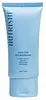
This calming moisturizer is formulated around Centella Asiatica Extract and Niacinamide to calm redness.
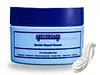
This barrier-repair moisturizer is formulated around Camellia Sinensis Leaf Extract and Panthenol to strengthen the skin barrier and calm redness.

What's inside
What's inside
 Key Ingredients
Benefits
Concerns
Ingredients Side-by-side
Water
Skin ConditioningCentella Asiatica Extract
Cleansing





Isohexadecane
EmollientMethylpropanediol
SolventArtemisia Capillaris Extract
Niacinamide
Smoothing





Portulaca Oleracea Extract
Skin Conditioning
Carbomer
Emulsion StabilisingGlycerin
Humectant
PEG-40 Hydrogenated Castor Oil
Emulsifying


Allantoin
Skin Conditioning
Dipotassium Glycyrrhizate
Humectant
Triethanolamine
Buffering1,2-Hexanediol
Skin Conditioning
Polyacrylamide
Butylene Glycol
Humectant
Bisabolol
Antioxidant
DMDM Hydantoin
Preservative


Pentylene Glycol
Skin Conditioning
Tetrasodium EDTA
C13-14 Isoparaffin
Emollient
Polyacrylate Crosspolymer-6
Emulsion StabilisingSodium Hyaluronate
Humectant
Cystoseira Tamariscifolia Extract
Skin ConditioningLaureth-7
EmulsifyingPhenoxyethanol
Preservative
Iodopropynyl Butylcarbamate
Preservative
Ethylhexylglycerin
Skin ConditioningHyaluronic Acid
Humectant
Hydrolyzed Hyaluronic Acid
Humectant
Hydrolyzed Sodium Hyaluronate
Skin Conditioning
Hydroxypropyltrimonium Hyaluronate
Potassium Hyaluronate
Skin ConditioningSodium Acetylated Hyaluronate
Humectant
Sodium Hyaluronate Crosspolymer
Humectant
Polysorbate 20
Emulsifying
Copper Tripeptide-1
Skin Conditioning
Palmitoyl Tripeptide-1
Skin Conditioning
Palmitoyl Tetrapeptide-7
Skin Conditioning
Water, Centella Asiatica Extract, Isohexadecane, Methylpropanediol, Artemisia Capillaris Extract, Niacinamide, Portulaca Oleracea Extract, Carbomer, Glycerin, PEG-40 Hydrogenated Castor Oil, Allantoin, Dipotassium Glycyrrhizate, Triethanolamine, 1,2-Hexanediol, Polyacrylamide, Butylene Glycol, Bisabolol, DMDM Hydantoin, Pentylene Glycol, Tetrasodium EDTA, C13-14 Isoparaffin, Polyacrylate Crosspolymer-6, Sodium Hyaluronate, Cystoseira Tamariscifolia Extract, Laureth-7, Phenoxyethanol, Iodopropynyl Butylcarbamate, Ethylhexylglycerin, Hyaluronic Acid, Hydrolyzed Hyaluronic Acid, Hydrolyzed Sodium Hyaluronate, Hydroxypropyltrimonium Hyaluronate, Potassium Hyaluronate, Sodium Acetylated Hyaluronate, Sodium Hyaluronate Crosspolymer, Polysorbate 20, Copper Tripeptide-1, Palmitoyl Tripeptide-1, Palmitoyl Tetrapeptide-7
Water
Skin ConditioningCaprylic/Capric Triglyceride
Masking
Glycerin
Humectant
Glycereth-26
Humectant
Camellia Sinensis Leaf Extract
Antimicrobial
Pentylene Glycol
Skin Conditioning
Cetearyl Alcohol
Emollient

Butylene Glycol
Humectant
Vinyldimethicone

Cyclohexasiloxane
Emollient
Methylpropanediol
SolventCetyl Alcohol
Emollient
Calendula Officinalis Flower Extract
Masking
1,2-Hexanediol
Skin Conditioning
Panthenol
Skin Conditioning
Avena Sativa Kernel Flour
Abrasive
Butyrospermum Parkii Butter
Skin Conditioning
Helianthus Annuus Seed Oil
Emollient
Polymethylsilsesquioxane
Squalane
Emollient
Hydrogenated Lecithin
Emulsifying
Beta-Glucan
Skin Conditioning
Bisabolol
Antioxidant
4-T-Butylcyclohexanol
Masking
Polyglyceryl-6 Stearate
Emollient
Hydroxyacetophenone
Antioxidant
Sodium Polyacryloyldimethyl Taurate
Emulsion StabilisingCetearyl Glucoside
Emulsifying
Behenic Acid
Cleansing
Madecassoside
Antioxidant
Betaine
Humectant
Sodium Polyglutamate
HumectantXanthan Gum
EmulsifyingStearic Acid
Cleansing
Behenyl Alcohol
Emollient
Stearyl Alcohol
Emollient
Adenosine
Skin Conditioning
Boron Nitride
Absorbent
Sodium Hyaluronate
Humectant
Sodium Polyacrylate
Absorbent
Avena Sativa Kernel Extract
Abrasive
Copernicia Cerifera Wax
Ethylhexylglycerin
Skin ConditioningAcrylates/C10-30 Alkyl Acrylate Crosspolymer
Emulsion StabilisingAllantoin
Skin Conditioning
Dipotassium Glycyrrhizate
Humectant
Polyquaternium-51
Skin Conditioning
Tromethamine
BufferingPolyglyceryl-6 Behenate
Emulsion Stabilising
Myristic Acid
Cleansing
Ceramide NP
Skin Conditioning
Sodium Phytate
Propanediol
Solvent
Asiaticoside
Antioxidant
Phenoxyethanol
Preservative
Centella Asiatica Leaf Extract
Skin Conditioning
Ethyl Hexanediol
SolventSolanum Lycopersicum Fruit Extract
Antioxidant
Tremella Fuciformis Extract
Humectant
Ascorbyl Glucoside
Antioxidant
Magnesium Chloride
Tocopherol
Antioxidant
Calcium Gluconate
HumectantPyridoxine Hcl
Skin ConditioningYeast Extract
Skin ConditioningSorbitol
Humectant
Water, Caprylic/Capric Triglyceride, Glycerin, Glycereth-26, Camellia Sinensis Leaf Extract, Pentylene Glycol, Cetearyl Alcohol, Butylene Glycol, Vinyldimethicone, Cyclohexasiloxane, Methylpropanediol, Cetyl Alcohol, Calendula Officinalis Flower Extract, 1,2-Hexanediol, Panthenol, Avena Sativa Kernel Flour, Butyrospermum Parkii Butter, Helianthus Annuus Seed Oil, Polymethylsilsesquioxane, Squalane, Hydrogenated Lecithin, Beta-Glucan, Bisabolol, 4-T-Butylcyclohexanol, Polyglyceryl-6 Stearate, Hydroxyacetophenone, Sodium Polyacryloyldimethyl Taurate, Cetearyl Glucoside, Behenic Acid, Madecassoside, Betaine, Sodium Polyglutamate, Xanthan Gum, Stearic Acid, Behenyl Alcohol, Stearyl Alcohol, Adenosine, Boron Nitride, Sodium Hyaluronate, Sodium Polyacrylate, Avena Sativa Kernel Extract, Copernicia Cerifera Wax, Ethylhexylglycerin, Acrylates/C10-30 Alkyl Acrylate Crosspolymer, Allantoin, Dipotassium Glycyrrhizate, Polyquaternium-51, Tromethamine, Polyglyceryl-6 Behenate, Myristic Acid, Ceramide NP, Sodium Phytate, Propanediol, Asiaticoside, Phenoxyethanol, Centella Asiatica Leaf Extract, Ethyl Hexanediol, Solanum Lycopersicum Fruit Extract, Tremella Fuciformis Extract, Ascorbyl Glucoside, Magnesium Chloride, Tocopherol, Calcium Gluconate, Pyridoxine Hcl, Yeast Extract, Sorbitol
Ingredients Explained
These ingredients are found in both products.
Ingredients higher up in an ingredient list are typically present in a larger amount.
1,2-Hexanediol is a synthetic liquid and another multi-functional powerhouse.
It is a:
- Humectant, drawing moisture into the skin
- Emollient, helping to soften skin
- Solvent, dispersing and stabilizing formulas
- Preservative booster, enhancing the antimicrobial activity of other preservatives
Allantoin is a soothing ingredient known for its protective and moisturizing properties; it's basically a quiet workhorse ingredient you can find in a huge range of cosmetics.
Though it can be derived from the comfrey plant, allantoin is produced synthetically for cosmetic products to ensure purity.
Research shows it can encourage your skin cells to turn over and renew by stimulating keratinocyte and fibroblast proliferation.
It also has mild keratolytic properties to help loosen and shed dead skin cells without being harsh.
Studies also suggest allantoin can help calm inflammation by dialing down some of the chemical signals your skin sends out when it is irritated.
This ingredient is typically used in the 0.1-0.5% range, and the FDA recognizes it as a skin protectant in OTC products up to 2%.
Overall, allantoin is a wonderful addition to most routines; it is stable across a wide pH range (~4-8), works well with other ingredients, and is considered non-sensitizing/non-irritating.
Fun fact: Allantoin is naturally occurring in comfrey root, beets, chamomile, and wheat sprouts. Our bodies even produce it as a byproduct of uric acid metabolism.
Learn more about AllantoinBisabolol is a gentle skin conditioner, antioxidant, and soothing ingredient.
It's primary claim to fame is soothing and research shows topically applied bisabolol can quiet the chemical messengers that cause your skin to become inflamed, helping to sooth any irritation.
A clinical study found that applying 0.5% bisabolol daily for 8 weeks produced an average 9% decrease in skin pigmentation. Researchers found it can also suppress the process that leads to excess melanin production in skin.
In vitro studies found that bisabolol combined with propylene glycol significantly increased skin permeability by increasing lipid fluidity in the stratum corneum.
You'll likely see use concentrations quite low, usually 0.1-0.2%.
Overall, this is a well-tolerated ingredient that works well in formulas designed for sensitive, reactive, or post-procedure skin.
Learn more about BisabololButylene Glycol (or BG) is used within cosmetic products for a few different reasons:
Overall, Butylene Glycol is a safe and well-rounded ingredient that works well with other ingredients.
Though this ingredient works well with most skin types, some people with sensitive skin may experience a reaction such as allergic rashes, closed comedones, or itchiness.
Learn more about Butylene GlycolDipotassium Glycyrrhizate comes from licorice root.
Extracts of licorice have demonstrated to have antibacterial, anti‐inflammatory, antiviral, antioxidant properties.
One component, glabridin, has extra potent antioxidant and soothing properties. It has also been found to block pigmentation from UVB rays in guinea pigs.
Licorice Root also contains a flavonoid. Flavonoids are a natural substance from in plants. Flavonoids also have antioxidant properties.
Another component, glycyrrhizin, has been found to have anti-inflammatory and antimicrobial benefits. This may make licorice root extract effective at treating acne. However, more research is needed to support this.
Liquiritin is one of the flavone compounds found in licorice. It has been found to help lighten skin by preventing tyrosinase from reacting with tyrosine. When the two react, protein is converted to melanin. Melanin is the substance in your body that gives your features pigmentation.
Licorice root is native to Southern Europe and Asia. It has been used in traditional Chinese medicine to help with respiratory issues.
Learn more about Dipotassium GlycyrrhizateEthylhexylglycerin is created from glycerin. It is a multitasker ingredient that:
The CIR Expert Panel found minimal skin absorption or sensitization of any kind in a safety assessment. Though this ingredient is considered well-tolerated, a small number of cases of allergic dermatitis have been published since 2002. Just be sure to patch test if you are unsure.
Industry-reported use ranges from 8% in rinse-off products and 2% in leave-on formulations.
Learn more about EthylhexylglycerinGlycerin (or glycerol) is a compound naturally found in your skin. It's a powerhouse humectant that pulls water into the stratum corneum.
Topically, glycerin does several things at once:
Your skin makes glycerin on its own (mostly from sebaceous oil breakdown) and shuttles it to your outermost layer of skin, or your epidermis, via aquaporin-3.
Aquaporin-3 is a transporter that is essential for normal skin hydration, elasticity, and repair. Interestingly, mice lacking in AQP3 have dry and less elastic skin that can be fully corrected with glycerin.
This ingredient is non-irritating, plays well with almost every ingredient, and works across all skin types. Typical use is anywhere between 3-10% but can go up to 79% in some leave-on products.
Just know very high concentrations (>40%) can feel tacky in low humidity.
Glycerin is the name for this ingredient in American English. British English uses Glycerol/Glycerine.
Learn more about GlycerinMethylpropanediol is a synthetic solvent and humectant.
As a solvent, it helps dissolve other ingredients, helping to evenly distribute ingredients throughout the product. This ingredient has also been shown to have antimicrobial properties which makes it a preservative booster.
Methylpropanediol is able to add a bit of moisture to the skin. It also helps other ingredients be better absorbed into the skin, such as salicylic acid.
Learn more about MethylpropanediolPentylene Glycol (1,2-pentanediol) is a multitasking little diol with three main roles in a formula:
Research on alkanediols (the family pentylene glycol belongs to) show they work by disrupting microbial cell membranes. This disruption helps the primary preservative system in a product work more effectively at lower doses.
On the safety side, the Cosmetic Ingredient Review Expert Panel has concluded this ingredient to be safe as used in current cosmetic practices + concentrations.
Typical use levels in a formula run about 1-5%.
Learn more about Pentylene GlycolPhenoxyethanol is one of the most widely used preservatives in skincare (and for good reason!).
It has a large spectrum of antimicrobial activity and especially effective bacteria, yeast, and mold while only having a weak effect on your skin's natural microbiome.
On a cellular level, it disrupts the cell membranes of microbes by poking holes that make the cell leak. This shuts down the chemical reactions the microbe needs to make energy so it can no longer survive.
Another perk of this ingredient is that it stays functional across a wide pH range (3-10).
You'll often see it paired with boosters like Ethylhexylglycerin; one study showed that a 1:9 ratio of Ethylhexylglycerin to Phenoxyethanol damages bacterial membranes as effectively as doubling the Phenoxyethanol concentration on its own.
Typical use concentrations range from 0.3-1% depending on the formula, and this ingredient is capped at 1% int the EU.
Safety-wise, the fear mongering does not hold up to the evidence. The EU's Scientific Committee on Consumer Safety and FDA consider it safe as a preservative at up to 1%, including for children of all ages.
Adverse systemic effects only showed up in animal studies at exposures roughly 200x higher than what people get from cosmetics. And despite its very widespread use, this ingredient is a rare sensitizer and allergic reactions are uncommon.
Learn more about PhenoxyethanolSodium Hyaluronate is the salt form of hyaluronic acid. It is a long sugar chain that is naturally found in your skin, joints, and connective tissue that maintains hydration and elasticity.
In skincare, it works as a humectant. It pulls water from the environment and deeper layers of skin and binds it to the surface.
Interestingly, the size of the molecule affects its behavior:
Some clinical evidence links low molecular weight versions to improved wrinkle depth, elasticity, anti-inflammatory effects, and barrier repair.
Many serums use a blend of both weights so you can get surface hydration plus longer-lasting and deeper effects.
You'll typically see concentrations between 0.1-2% for this ingredient.
Learn more about Sodium HyaluronateWater. It's the most common cosmetic ingredient of all. You'll usually see it at the top of ingredient lists, meaning that it makes up the largest part of the product.
So why is it so popular? Water most often acts as a solvent - this means that it helps dissolve other ingredients into the formulation.
You'll also recognize water as that liquid we all need to stay alive. If you see this, drink a glass of water. Remember to stay hydrated!
Learn more about Water


