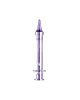
This anti-aging eye moisturizer is formulated around Niacinamide and Retinol to soften the look of wrinkles and refine skin texture.
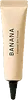
This anti-aging eye moisturizer is formulated around Niacinamide and Adenosine to soften the look of wrinkles and fade the look of dark spots.

What's inside
What's inside
 Key Ingredients
Benefits
Concerns
Ingredients Side-by-side
Water
Skin ConditioningButylene Glycol
Humectant

Glycerin
Humectant
Propanediol
Solvent
Macadamia Integrifolia Seed Oil
Skin Conditioning


Niacinamide
Smoothing









Olea Europaea Fruit Oil
Masking


Cetyl Ethylhexanoate
EmollientMethylpropanediol
SolventButyrospermum Parkii Butter
Skin Conditioning
Methyl Hydrogenated Rosinate
Perfuming
Polysorbate 60
Emulsifying
Cyclopentasiloxane
Emollient
1,2-Hexanediol
Skin Conditioning
Cetyl Alcohol
Emollient

Stearic Acid
Cleansing
Glycereth-26
Humectant
Glyceryl Stearate
Emollient
Dimethicone
Emollient
PEG-100 Stearate
Surfactant
Cyclohexasiloxane
Emollient
Hydrogenated Lecithin
Emulsifying
Ammonium Acryloyldimethyltaurate/Vp Copolymer
Sorbitan Stearate
Emulsifying
Behenic Acid
Cleansing
Cocos Nucifera Oil
Masking
Hydroxyacetophenone
Antioxidant
Polyacrylate-13
Vinyldimethicone
Batyl Alcohol
EmollientDimethicone/Vinyl Dimethicone Crosspolymer
Skin Conditioning
Phytosteryl Isostearate
Skin ConditioningPolyisobutene
Ceramide NP
Skin Conditioning
Nicotinamide Adenine Dinucleotide
Skin ConditioningCaprylic/Capric Triglyceride
Masking
Macadamia Ternifolia Seed Oil
Emollient
Citric Acid
Buffering
Retinol
Skin Conditioning

Ethylhexylglycerin
Skin ConditioningPolyglyceryl-4 Oleate
Emulsifying
Adenosine
Skin Conditioning
Hydrolyzed Gardenia Florida Extract
Antioxidant
Hydrolyzed Malt Extract
Skin ConditioningHydrolyzed Viola Tricolor Extract
Skin ProtectingTheobroma Cacao Seed Extract
Antioxidant
Brassica Campestris Sterols
EmollientPolysorbate 20
Emulsifying
Disodium EDTA
ChelatingSorbitan Isostearate
Emulsifying
Dextrin
AbsorbentCholesterol
Emollient
Polyglyceryl-10 Laurate
Skin Conditioning
Ammonium Polyacryloyldimethyl Taurate
Emulsion StabilisingHyaluronic Acid
Humectant
Hydrolyzed Hyaluronic Acid
Humectant
Sodium Hyaluronate
Humectant
Phytosteryl/Behenyl/Octyldodecyl Lauroyl Glutamate
Skin ConditioningAluminum/Magnesium Hydroxide Stearate
Emulsion StabilisingPentaerythrityl Tetra-Di-T-Butyl Hydroxyhydrocinnamate
Antioxidant
Potassium Cetyl Phosphate
EmulsifyingHydroxypropyl Cyclodextrin
MaskingChitosan
Tris(Tetramethylhydroxypiperidinol)Citrate
StabilisingAcetyl Tetrapeptide-5
Humectant
Resveratrol
Antioxidant
Acetyl Dipeptide-1 Cetyl Ester
Skin Conditioning
Acetyl Hexapeptide-1
Skin Conditioning
Acetyl Hexapeptide-8
Humectant
Acetyl Octapeptide-3
Humectant
Acetyl Tetrapeptide-2
Skin Conditioning
Acetyl Tetrapeptide-3
Skin Protecting
Acetyl Tetrapeptide-9
Skin Conditioning
Arginine/Lysine Polypeptide
Skin Conditioning
Biotinoyl Tripeptide-1
Copper Tripeptide-1
Skin Conditioning
Dipeptide Diaminobutyroyl Benzylamide Diacetate
Skin Conditioning
Dipeptide-2
Skin Conditioning
Dipeptide-4
Skin Conditioning
Hexapeptide-11
Skin Conditioning
Hexapeptide-12
Skin Conditioning
Hexapeptide-9
Skin Conditioning
Myristoyl Pentapeptide-17
Skin Conditioning
Nicotinoyl Dipeptide-23
Skin Conditioning
Nicotinoyl Tripeptide-1
Antioxidant
Nicotinoyl Tripeptide-35
Antioxidant
Nonapeptide-1
Skin Conditioning
Oligopeptide-29
Antioxidant
Oligopeptide-32
Antiseborrhoeic
Palmitoyl Hexapeptide-12
Skin Conditioning
Palmitoyl Pentapeptide-4
Skin Conditioning
Palmitoyl Pentapeptide-5
Skin Conditioning
Palmitoyl Tetrapeptide-10
Skin Conditioning
Palmitoyl Tetrapeptide-7
Skin Conditioning
Palmitoyl Tripeptide-1
Skin Conditioning
Palmitoyl Tripeptide-29
Skin Conditioning
Palmitoyl Tripeptide-38
Skin Conditioning
Palmitoyl Tripeptide-5
Skin Conditioning
Palmitoyl Tripeptide-8
Skin Conditioning
Sh-Decapeptide-7
Antioxidant
Sh-Octapeptide-4
Antioxidant
Sh-Oligopeptide-1
Skin Conditioning
Sh-Oligopeptide-2
Skin Conditioning
Sh-Polypeptide-1
Skin Conditioning
Sh-Polypeptide-11
Sh-Polypeptide-16
Skin Protecting
Sh-Polypeptide-22
Skin Conditioning
Sh-Polypeptide-3
Skin Conditioning
Sh-Polypeptide-62
Antioxidant
Sh-Polypeptide-9
Skin Conditioning
Sr-(Oligopeptide-91 Clostridium Botulinum Polypeptide-1)
Skin Conditioning
Tetrapeptide-30
Skin Conditioning
Tripeptide-1
Skin Conditioning
Tripeptide-10 Citrulline
Skin Conditioning
Tripeptide-29
Skin Conditioning
Water, Butylene Glycol, Glycerin, Propanediol, Macadamia Integrifolia Seed Oil, Niacinamide, Olea Europaea Fruit Oil, Cetyl Ethylhexanoate, Methylpropanediol, Butyrospermum Parkii Butter, Methyl Hydrogenated Rosinate, Polysorbate 60, Cyclopentasiloxane, 1,2-Hexanediol, Cetyl Alcohol, Stearic Acid, Glycereth-26, Glyceryl Stearate, Dimethicone, PEG-100 Stearate, Cyclohexasiloxane, Hydrogenated Lecithin, Ammonium Acryloyldimethyltaurate/Vp Copolymer, Sorbitan Stearate, Behenic Acid, Cocos Nucifera Oil, Hydroxyacetophenone, Polyacrylate-13, Vinyldimethicone, Batyl Alcohol, Dimethicone/Vinyl Dimethicone Crosspolymer, Phytosteryl Isostearate, Polyisobutene, Ceramide NP, Nicotinamide Adenine Dinucleotide, Caprylic/Capric Triglyceride, Macadamia Ternifolia Seed Oil, Citric Acid, Retinol, Ethylhexylglycerin, Polyglyceryl-4 Oleate, Adenosine, Hydrolyzed Gardenia Florida Extract, Hydrolyzed Malt Extract, Hydrolyzed Viola Tricolor Extract, Theobroma Cacao Seed Extract, Brassica Campestris Sterols, Polysorbate 20, Disodium EDTA, Sorbitan Isostearate, Dextrin, Cholesterol, Polyglyceryl-10 Laurate, Ammonium Polyacryloyldimethyl Taurate, Hyaluronic Acid, Hydrolyzed Hyaluronic Acid, Sodium Hyaluronate, Phytosteryl/Behenyl/Octyldodecyl Lauroyl Glutamate, Aluminum/Magnesium Hydroxide Stearate, Pentaerythrityl Tetra-Di-T-Butyl Hydroxyhydrocinnamate, Potassium Cetyl Phosphate, Hydroxypropyl Cyclodextrin, Chitosan, Tris(Tetramethylhydroxypiperidinol)Citrate, Acetyl Tetrapeptide-5, Resveratrol, Acetyl Dipeptide-1 Cetyl Ester, Acetyl Hexapeptide-1, Acetyl Hexapeptide-8, Acetyl Octapeptide-3, Acetyl Tetrapeptide-2, Acetyl Tetrapeptide-3, Acetyl Tetrapeptide-9, Arginine/Lysine Polypeptide, Biotinoyl Tripeptide-1, Copper Tripeptide-1, Dipeptide Diaminobutyroyl Benzylamide Diacetate, Dipeptide-2, Dipeptide-4, Hexapeptide-11, Hexapeptide-12, Hexapeptide-9, Myristoyl Pentapeptide-17, Nicotinoyl Dipeptide-23, Nicotinoyl Tripeptide-1, Nicotinoyl Tripeptide-35, Nonapeptide-1, Oligopeptide-29, Oligopeptide-32, Palmitoyl Hexapeptide-12, Palmitoyl Pentapeptide-4, Palmitoyl Pentapeptide-5, Palmitoyl Tetrapeptide-10, Palmitoyl Tetrapeptide-7, Palmitoyl Tripeptide-1, Palmitoyl Tripeptide-29, Palmitoyl Tripeptide-38, Palmitoyl Tripeptide-5, Palmitoyl Tripeptide-8, Sh-Decapeptide-7, Sh-Octapeptide-4, Sh-Oligopeptide-1, Sh-Oligopeptide-2, Sh-Polypeptide-1, Sh-Polypeptide-11, Sh-Polypeptide-16, Sh-Polypeptide-22, Sh-Polypeptide-3, Sh-Polypeptide-62, Sh-Polypeptide-9, Sr-(Oligopeptide-91 Clostridium Botulinum Polypeptide-1), Tetrapeptide-30, Tripeptide-1, Tripeptide-10 Citrulline, Tripeptide-29
Water
Skin ConditioningGlycerin
Humectant
Butylene Glycol
Humectant
Titanium Dioxide
Cosmetic Colorant

Cyclopentasiloxane
Emollient
1,2-Hexanediol
Skin Conditioning
Cyclohexasiloxane
Emollient
Hydrogenated Polydecene
EmollientNiacinamide
Smoothing
Musa Sapientum Fruit Extract
Skin ConditioningAnastatica Hierochuntica Extract
AstringentPersea Gratissima Fruit Extract
EmollientSodium Acrylate/Sodium Acryloyldimethyl Taurate Copolymer
Emulsion StabilisingSodium Polyacrylate
Absorbent
Tocopheryl Acetate
Antioxidant
Isohexadecane
EmollientPanthenol
Skin Conditioning
Polyglyceryl-3 Polydimethylsiloxyethyl Dimethicone
Skin Conditioning
Aluminum Hydroxide
EmollientTriethoxycaprylylsilane
Adenosine
Skin Conditioning
Sorbitan Oleate
Emulsifying
Disodium EDTA
ChelatingGlyceryl Acrylate/Acrylic Acid Copolymer
HumectantSteareth-20
CleansingEthyl Hexanediol
SolventTocopherol
Antioxidant
Hydrolyzed Collagen
Emollient
Maltodextrin
Absorbent
Potassium Laurate
EmulsifyingN-Hydroxysuccinimide
Skin ConditioningChlorhexidine Digluconate
Antimicrobial
Glyceryl Glucoside
Humectant
Sodium Citrate
BufferingPalmitoyl Tripeptide-1
Skin Conditioning
Chrysin
Skin ConditioningPalmitoyl Tetrapeptide-7
Skin Conditioning
Citric Acid
Buffering
Biotin
AntiseborrhoeicPEG-240/Hdi Copolymer Bis-Decyltetradeceth-20 Ether
StabilisingPolysorbate 80
Emulsifying
Parfum
Masking
Hydroxyacetophenone
Antioxidant
Ethylhexylglycerin
Skin ConditioningPhenoxyethanol
Preservative
Potassium Sorbate
Preservative
Chromium Hydroxide Green
Ferric Chloride
AstringentWater, Glycerin, Butylene Glycol, Titanium Dioxide, Cyclopentasiloxane, 1,2-Hexanediol, Cyclohexasiloxane, Hydrogenated Polydecene, Niacinamide, Musa Sapientum Fruit Extract, Anastatica Hierochuntica Extract, Persea Gratissima Fruit Extract, Sodium Acrylate/Sodium Acryloyldimethyl Taurate Copolymer, Sodium Polyacrylate, Tocopheryl Acetate, Isohexadecane, Panthenol, Polyglyceryl-3 Polydimethylsiloxyethyl Dimethicone, Aluminum Hydroxide, Triethoxycaprylylsilane, Adenosine, Sorbitan Oleate, Disodium EDTA, Glyceryl Acrylate/Acrylic Acid Copolymer, Steareth-20, Ethyl Hexanediol, Tocopherol, Hydrolyzed Collagen, Maltodextrin, Potassium Laurate, N-Hydroxysuccinimide, Chlorhexidine Digluconate, Glyceryl Glucoside, Sodium Citrate, Palmitoyl Tripeptide-1, Chrysin, Palmitoyl Tetrapeptide-7, Citric Acid, Biotin, PEG-240/Hdi Copolymer Bis-Decyltetradeceth-20 Ether, Polysorbate 80, Parfum, Hydroxyacetophenone, Ethylhexylglycerin, Phenoxyethanol, Potassium Sorbate, Chromium Hydroxide Green, Ferric Chloride
Reviews
Ingredients Explained
These ingredients are found in both products.
Ingredients higher up in an ingredient list are typically present in a larger amount.
1,2-Hexanediol is a synthetic liquid and another multi-functional powerhouse.
It is a:
- Humectant, drawing moisture into the skin
- Emollient, helping to soften skin
- Solvent, dispersing and stabilizing formulas
- Preservative booster, enhancing the antimicrobial activity of other preservatives
Adenosine is a purine nucleoside that your body already makes in every cell. In skincare, it acts mainly as a skin conditioning and anti-aging agent.
The way it works is fairly well mapped out:
Your skin has cells called fibroblasts that build collagen (the stuff that keeps skin firm and smooth). Adenosine basically flips a switch on these cells that tells them to get to work making more collagen and other proteins. These cells slow down on their own as skin ages, so Adenosine helps give them a little nudge to keep going.
The clinical backing is pretty solid too.
A blind, randomized, placebo-controlled trial of 126 women aged 45-65 tested a 0.1% cream twice daily and found real improvements in crow's feet and frown lines using a precise 3D skin-mapping technique; these changes showed up by week 3 and held at 2 months.
A later study using Adenosine-loaded dissolving microneedle patches reported gains in wrinkle depth, dermal density, elasticity, and hydration.
On concentrations, South Korea's Ministry of Food and Drug Safety has set 0.04% as the approved functional anti-wrinkle level. You'll typically see this ingredient used somewhere in the 0.04-0.1% range since it works at low doses.
This ingredient has been found safe for cosmetics with the data showing no irritation or sensitization.
Overall, this is a great ingredient for any anti-aging routine and has no photosensitizing effect, so it suits both AM and PM use.
Learn more about AdenosineButylene Glycol (or BG) is used within cosmetic products for a few different reasons:
Overall, Butylene Glycol is a safe and well-rounded ingredient that works well with other ingredients.
Though this ingredient works well with most skin types, some people with sensitive skin may experience a reaction such as allergic rashes, closed comedones, or itchiness.
Learn more about Butylene GlycolCitric Acid is an alpha hydroxy acid (AHA) naturally found in citrus fruits like oranges, lemons, and limes.
Like other AHAs, citric acid can exfoliate skin by breaking down the bonds that hold dead skin cells together. This helps reveal smoother and brighter skin underneath.
However, this exfoliating effect only happens at high concentrations (20%) which can be hard to find in cosmetic products.
Due to this, citric acid is usually included in small amounts as a pH adjuster. This helps keep products slightly more acidic and compatible with skin's natural pH.
In skincare formulas, citric acid can:
While it can provide some skin benefits, research shows lactic acid and glycolic acid are generally more effective and less irritating exfoliants.
Most citric acid used in skincare today is made by fermenting sugars (usually from molasses). This synthetic version is identical to the natural citrus form but easier to stabilize and use in formulations.
Rosacea skin has a lower threshold for acids generally, with 62.5% of rosacea subjects in one study reacting to lactic acid in a sting test. This is why we mark citric acid as a potential rosacea trigger.
However, this ingredient shows up as a pH adjuster or chelator at roughly 0.1-1% in many products. These low levels are unlikely to be an issue for rosacea skin and becomes a potential trigger at exfoliating concentrations (20%). Because everybody's skin is unique, we recommend a patch test if you are unsure.
Learn more about Citric AcidCyclohexasiloxane is a type of silicone more commonly known as D6. It is an emollient and solvent.
Cyclohexasiloxane is used to evenly distribute ingredients throughout the product. When applied to the skin, Cyclohexasiloxane evaporates and leaves behind a silky feel.
As an emollient, it can help the skin feel soft and hydrated. It is also used to reduce frizz in hair products.
Learn more about CyclohexasiloxaneCyclopentasiloxane (D5) is a lightweight silicone that mostly acts as an emollient and solvent in cosmetics. Its the reason your products feel silky, fast-spreading, and non-greasy.
Since D5 is volatile, it does its thing and then evaporates off the skin quickly.
The safety profile of this ingredient is reassuring; the US CIR Expert Panel concluded D5 is safe as used in cosmetics and Health Canada concluded that D5 is not harmful to human health or the environment as currently used in cosmetics
There's a study that people mention about D5 in a rat study showing tumors. This study is related to long-term inhalation of high D5 levels.
Regulatory bodies have judged this study to be not applicable in topical skincare since skin absorption of D5 is very low and we're not really inhaling huge amounts of D5.
The only restriction for this ingredient is environmental. The European Chemicals Agency (ECHA) restricted D5 in wash-off cosmetics at or above 0.1% due to their persistence in water.
Learn more about CyclopentasiloxaneDisodium EDTA is a chelating agent. It grabs onto and deactivates metal ions that sneak into your products from water, packaging, or air.
This ingredient mainly works behind the scenes and helps with:
On top of that, this ingredient can counteract the effects of hard water by binding to the minerals in it.
One thing worth knowing is that Disodium EDTA has been shown to be a mild penetration enhancer. It can help other ingredients absorb into skin more effectively which can be a double-edged sword (great for actives, but can also make the active too strong if you have sensitive skin).
Clinical patch testing showed no significant skin irritation at typical use concentrations and minimal dermal absorption.
You'll most likely see this ingredient near the end of an ingredient list. It's typically found in concentrations less than 1%.
Learn more about Disodium EDTAEthylhexylglycerin is created from glycerin. It is a multitasker ingredient that:
The CIR Expert Panel found minimal skin absorption or sensitization of any kind in a safety assessment. Though this ingredient is considered well-tolerated, a small number of cases of allergic dermatitis have been published since 2002. Just be sure to patch test if you are unsure.
Industry-reported use ranges from 8% in rinse-off products and 2% in leave-on formulations.
Learn more about EthylhexylglycerinGlycerin (or glycerol) is a compound naturally found in your skin. It's a powerhouse humectant that pulls water into the stratum corneum.
Topically, glycerin does several things at once:
Your skin makes glycerin on its own (mostly from sebaceous oil breakdown) and shuttles it to your outermost layer of skin, or your epidermis, via aquaporin-3.
Aquaporin-3 is a transporter that is essential for normal skin hydration, elasticity, and repair. Interestingly, mice lacking in AQP3 have dry and less elastic skin that can be fully corrected with glycerin.
This ingredient is non-irritating, plays well with almost every ingredient, and works across all skin types. Typical use is anywhere between 3-10% but can go up to 79% in some leave-on products.
Just know very high concentrations (>40%) can feel tacky in low humidity.
Glycerin is the name for this ingredient in American English. British English uses Glycerol/Glycerine.
Learn more about GlycerinHydroxyacetophenone is a small phenolic molecule that earns its place in a formulas as an antioxidant and preservative booster.
As a phenol, it is able to neutralize free radicals to protect both the product and the skin from oxidative stress.
Though it can't kill microbes on its own, it works as a good supporting agent when combined with other preservatives like Phenoxyethanol or 1,2-Hexanediol.
This ingredient naturally occurs as piceol in Norwegian spruce needles (~0.4-1.1% dry weight and in cloudberries). Though the cosmetic-grade material is synthesized for purity and consistency.
You'll usually see it used at low levels and suppliers recommend up to 1% added to a water phase.
Safety testing was done at concentrations like 0.05% in SPF products and 0.5% in a Human Repeated Insult Patch Test. The safety evidence is assuring; this ingredient is safe for cosmetics in current use and also holds safety status as a food flavoring as well.
An honest caveat: the "soothing" and "anti-inflammatory" claims come mostly from supplier marketing rather than published clinical trials. The Cosmetic Ingredient Review's own literature search found no useful efficacy studies on this ingredient.
So the antioxidant and preservative-boosting roles are the well supported ones while the calming benefit is plausible but thinly evidenced.
Overall, this is a well-tolerated, low-irritation multitasker that quietly helps a formula stay fresh and stable.
Learn more about HydroxyacetophenoneNiacinamide is a multitasking form of vitamin B3 that strengthens the skin barrier, reduces pores and dark spots, regulates oil, and improves signs of aging.
And the best part? It's gentle and well-tolerated by most skin types, including sensitive and reactive skin.
You might have heard of "niacin flush", or the reddening of skin that causes itchiness. Niacinamide has not been found to cause this.
In very rare cases, some individuals may not be able to tolerate niacinamide at all or experience an allergic reaction to it.
If you are experiencing flaking, irritation, and dryness with this ingredient, be sure to double check all your products as this ingredient can be found in all categories of skincare.
When incorporating niacinamide into your routine, look out for concentration amounts. Typically, 5% niacinamide provides benefits such as fading dark spots. However, if you have sensitive skin, it is better to begin with a smaller concentration.
When you apply niacinamide to your skin, your body converts it into nicotinamide adenine dinucleotide (NAD). NAD is an essential coenzyme that is already found in your cells as "fuel" and powers countless biological processes.
In your skin, NAD helps repair cell damage, produce new healthy cells, support collagen production, strengthen the skin barrier, and fight environmental stressors (like UV and pollution).
Our natural NAD levels start to decline with age, leading to slower skin repair, visible aging, and a weaker skin barrier. By providing your skin niacinamide, you're recharging your skin's NAD levels. This leads to stronger, healthier, and younger looking skin.
Another name for vitamin B3 is nicotinamide. This vitamin is water-soluble and our bodies don't store it. We obtain Vitamin B3 from either food or skincare. Meat, fish, wheat, yeast, and leafy greens contain vitamin B3.
The type of niacinamide used in skincare is synthetically created.
Learn more about NiacinamidePalmitoyl Tetrapeptide-7 (formerly Palmitoyl Tetrapeptide-3) is a synthetic peptide. Its main job is to fight what researchers call "inflammaging".
"Inflammaging" is the slow, low-grade chronic inflammation that quietly breaks down collagen as we age.
This ingredient calms down a specific inflammation signal in your skin cells (called IL-6). When left unchecked, this signal triggers enzymes that break down collagen and elastin.
Clinical testing showed statistically significant improvements in:
Studies also found the more of this ingredient used, the more your skin produces Collagen I, fibronectin, and hyaluronic acid.
You'll likely see this ingredient paired with Palmitoyl Tripeptide-1 in the well-known Matrixyl 3000 complex for enhanced anti-aging effects.
A 3% concentration applied twice daily for two months showed meaningful skin rejuvenation results in clinical panels.
Fungal acne note:
Usually a palmitic acid component can feed Malassezia in unbound form, but here is is covalently bonded to the peptide. This means it is very difficult for Malassezia to access, and therefore very unlikely to cause fungal acne.
Palmitoyl Tripeptide-1 (aka Pal-GHK) is a synthetic signal peptide made of three amino acids attached to palmitic acid.
That fatty acid attachment is the key: it boosts the peptide's ability to penetrate the skin barrier. This puts it closer to the dermal cells where it can actually make a difference.
Once there, it acts as a matrikine, a signaling peptide that prompts fibroblasts to produce more collagen, fibronectin, and hyaluronic acid.
In vitro studies show it can boost collagen production in skin cells even when UV-damaged skin samples were treated with it at a tiny concentration (it almost fully restored dermal collagen at 5ppm). It achieved this at 100x lower concentration than retinoic acid, which needed 500 ppm to do the same thing.
Human clinical data is promising, but modest:
A study of 23 female volunteers found a small but statistically significant increase (~4%) in skin thickness after treatment at 4 ppm.
A separate small trial of 15 women showed statistically significant reductions in wrinkle length, depth, and skin roughness after applying it twice daily for four weeks.
You'll likely see Pal-GHK paired with Palmitoyl Tetrapeptide-7 as part of the Matrixyl 3000 complex.
Fungal acne note:
Usually a palmitic acid component can feed Malassezia in unbound form, but here is is covalently bonded to the peptide. This means it is very difficult for Malassezia to access, and therefore very unlikely to cause fungal acne.
Water. It's the most common cosmetic ingredient of all. You'll usually see it at the top of ingredient lists, meaning that it makes up the largest part of the product.
So why is it so popular? Water most often acts as a solvent - this means that it helps dissolve other ingredients into the formulation.
You'll also recognize water as that liquid we all need to stay alive. If you see this, drink a glass of water. Remember to stay hydrated!
Learn more about Water

