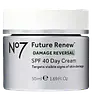
This anti-aging day moisturizer is formulated around Niacinamide to soften the look of wrinkles and strengthen the skin barrier.
This chemical sunscreen covers most of the UV range, lighter on the deep UVA that drives aging.


What's inside
What's inside
 Key Ingredients
Benefits
Concerns
Ingredients Side-by-side
Water
Skin ConditioningC12-15 Alkyl Benzoate
AntimicrobialGlycerin
Humectant


Octocrylene
UV Absorber



Ethylhexyl Salicylate
UV Absorber
Butyl Methoxydibenzoylmethane
UV Absorber
Dibutyl Adipate
EmollientBis-Ethylhexyloxyphenol Methoxyphenyl Triazine
UV Absorber
Methylene Bis-Benzotriazolyl Tetramethylbutylphenol
UV Filter
Polyglyceryl-6 Stearate
Emollient

Propanediol
Solvent
Ethylhexyl Triazone
UV Absorber
Tribehenin
Emollient
Niacinamide
Smoothing









Aluminum Starch Octenylsuccinate
Absorbent
Ammonium Acryloyldimethyltaurate/Vp Copolymer
Phenoxyethanol
Preservative
Butyrospermum Parkii Butter
Skin Conditioning

Cetearyl Alcohol
Emollient

Tocopheryl Acetate
Antioxidant

Potassium Cetyl Phosphate
EmulsifyingDecyl Glucoside
Cleansing
Panthenol
Skin Conditioning
Polysorbate 20
Emulsifying
Caprylyl Glycol
Emollient
Caprylhydroxamic Acid
ChelatingParfum
Masking

Xanthan Gum
EmulsifyingSodium Hyaluronate
Humectant
Ethylhexylglycerin
Skin ConditioningHydrolyzed Rice Protein
Skin ConditioningPropylene Glycol
Humectant
Dipropylene Glycol
HumectantAscorbyl Glucoside
Antioxidant
Polyglyceryl-6 Behenate
Emulsion Stabilising
Tetrasodium EDTA
ChelatingPotassium Hydroxide
BufferingT-Butyl Alcohol
Perfuming

Pentylene Glycol
Skin Conditioning
Sodium Benzoate
Masking
Morus Alba Leaf Extract
Skin ConditioningPalmitoyl Tetrapeptide-94

Palmitoyl Tetrapeptide-95
Water, C12-15 Alkyl Benzoate, Glycerin, Octocrylene, Ethylhexyl Salicylate, Butyl Methoxydibenzoylmethane, Dibutyl Adipate, Bis-Ethylhexyloxyphenol Methoxyphenyl Triazine, Methylene Bis-Benzotriazolyl Tetramethylbutylphenol, Polyglyceryl-6 Stearate, Propanediol, Ethylhexyl Triazone, Tribehenin, Niacinamide, Aluminum Starch Octenylsuccinate, Ammonium Acryloyldimethyltaurate/Vp Copolymer, Phenoxyethanol, Butyrospermum Parkii Butter, Cetearyl Alcohol, Tocopheryl Acetate, Potassium Cetyl Phosphate, Decyl Glucoside, Panthenol, Polysorbate 20, Caprylyl Glycol, Caprylhydroxamic Acid, Parfum, Xanthan Gum, Sodium Hyaluronate, Ethylhexylglycerin, Hydrolyzed Rice Protein, Propylene Glycol, Dipropylene Glycol, Ascorbyl Glucoside, Polyglyceryl-6 Behenate, Tetrasodium EDTA, Potassium Hydroxide, T-Butyl Alcohol, Pentylene Glycol, Sodium Benzoate, Morus Alba Leaf Extract, Palmitoyl Tetrapeptide-94, Palmitoyl Tetrapeptide-95
Butyl Methoxydibenzoylmethane 3%
UV Absorber
Homosalate 5%
Skin Conditioning
Ethylhexyl Salicylate 3%
UV Absorber
Octocrylene 7%
UV Absorber
Water
Skin ConditioningCarthamus Tinctorius Oleosomes
Emollient
Butylene Glycol
Humectant
Dimethicone
Emollient
C12-15 Alkyl Benzoate
AntimicrobialPropanediol
Solvent
Polysorbate 80
Emulsifying
Palmitoyl Tetrapeptide-7
Skin Conditioning
Dipotassium Glycyrrhizate
Humectant
Aniba Rosodora Wood Oil
Astringent
Camellia Sinensis Leaf Extract
Antimicrobial
Helianthus Annuus Seed Oil
Emollient
Pelargonium Graveolens Flower Oil
Masking

Eugenia Caryophyllus Leaf Oil
Masking
Saccharomyces Cerevisiae Extract
Skin Conditioning
Laminaria Digitata Extract
Skin Protecting
Rosa Damascena Flower Oil
Masking
Eugenia Caryophyllus Bud Oil
Masking
Citrus Limon Peel Oil
Masking
Cymbopogon Schoenanthus Oil
Masking
Cymbopogon Martini Oil
Masking
Cupressus Sempervirens Leaf Oil
Masking
Citrus Limon Peel Extract
EmollientEucalyptus Globulus Leaf Oil
Perfuming
Tocopherol
Antioxidant
Squalane
Emollient
Caprylyl Glycol
Emollient
Carnosine
Skin Conditioning
Acrylates/C10-30 Alkyl Acrylate Crosspolymer
Emulsion StabilisingLecithin
Emollient
Urea
Buffering
Caprylic/Capric Triglyceride
Masking
Glycerin
Humectant
Pentylene Glycol
Skin Conditioning
Bisabolol
Antioxidant
Glucosamine Hcl
Ethylhexylglycerin
Skin Conditioning1,2-Hexanediol
Skin Conditioning
Gluconolactone
Chelating
Polysorbate 60
Emulsifying
Trisodium Ethylenediamine Disuccinate
ChelatingSorbitan Isostearate
Emulsifying
Decyl Glucoside
Cleansing
Aminomethyl Propanol
BufferingHydroxyethyl Acrylate/Sodium Acryloyldimethyl Taurate Copolymer
Emulsion StabilisingPolysilicone-11
Sodium Acrylates Copolymer
Phenethyl Alcohol
MaskingSodium Benzoate
Masking
Linalool
Perfuming
Eugenol
Perfuming
Limonene
Perfuming
Citronellol
Perfuming
Geraniol
Perfuming
Benzyl Benzoate
Antimicrobial
Citral
Perfuming
CI 77891
Cosmetic ColorantButyl Methoxydibenzoylmethane 3%, Homosalate 5%, Ethylhexyl Salicylate 3%, Octocrylene 7%, Water, Carthamus Tinctorius Oleosomes, Butylene Glycol, Dimethicone, C12-15 Alkyl Benzoate, Propanediol, Polysorbate 80, Palmitoyl Tetrapeptide-7, Dipotassium Glycyrrhizate, Aniba Rosodora Wood Oil, Camellia Sinensis Leaf Extract, Helianthus Annuus Seed Oil, Pelargonium Graveolens Flower Oil, Eugenia Caryophyllus Leaf Oil, Saccharomyces Cerevisiae Extract, Laminaria Digitata Extract, Rosa Damascena Flower Oil, Eugenia Caryophyllus Bud Oil, Citrus Limon Peel Oil, Cymbopogon Schoenanthus Oil, Cymbopogon Martini Oil, Cupressus Sempervirens Leaf Oil, Citrus Limon Peel Extract, Eucalyptus Globulus Leaf Oil, Tocopherol, Squalane, Caprylyl Glycol, Carnosine, Acrylates/C10-30 Alkyl Acrylate Crosspolymer, Lecithin, Urea, Caprylic/Capric Triglyceride, Glycerin, Pentylene Glycol, Bisabolol, Glucosamine Hcl, Ethylhexylglycerin, 1,2-Hexanediol, Gluconolactone, Polysorbate 60, Trisodium Ethylenediamine Disuccinate, Sorbitan Isostearate, Decyl Glucoside, Aminomethyl Propanol, Hydroxyethyl Acrylate/Sodium Acryloyldimethyl Taurate Copolymer, Polysilicone-11, Sodium Acrylates Copolymer, Phenethyl Alcohol, Sodium Benzoate, Linalool, Eugenol, Limonene, Citronellol, Geraniol, Benzyl Benzoate, Citral, CI 77891
Reviews
Ingredients Explained
These ingredients are found in both products.
Ingredients higher up in an ingredient list are typically present in a larger amount.
Also known as Avobenzone, this ingredient is an oil-soluble used to absorb the full spectrum of UVA rays (peak 357 nm).
It's one of the most effective UVA filters available but has a major caveat of photostability: avobenzone is susceptible to photodegradation.
This means it can lose efficacy when exposed to sunlight without the help of a stabilizing agent.
Studies show antioxidants (like vitamin E or vitamin C) and some UV filters (like octocrylene and Tinosorb S) can meaningfully improve its stability in a formulation.
The maximum allowable concentration according to regulation is 3% in the US + Canada, and 5% in the EU, Australia, China, Korea, and ASEAN countries.
It has a well-support safety profile: a comprehensive 2025 review found minimal toxicity with no evidence of carcinogenicity.
Overall, avobenzone is a safe and regulated ingredient used in sunscreen for over 40 years.
Learn more about Butyl MethoxydibenzoylmethaneC12-15 Alkyl Benzoate is a lightweight emollient made by combinig benzoic acid with fatty alcohols that are 12-15 carbons long.
In cosmetics, it plays several roles:
The Cosmetic Review Expert Panel has concluded the alkyl benzoate group to be safe as used in cosmetics; it wasn't found to be a skin irritant and unlikely to be absorbed due to its low water solubility.
This report recorded almost 1000 reported uses with concentrations up to 59% in leave-on products but your cosmetics will typically use 0.5-15% depending on the product.
It's often called a "SPF booster": this is because it keeps UV filters properly dissolved and evenly distributed to support a sunscreen's performance. It doesn't actually raise SPF on its own.
Overall, this ingredient is well tolerated.
This ingredient is fungal acne safe because it is an ester of benzoic acid.
Think of this ingredient as two parts stuck together: an oily part and an acid part. Malassezia only gets a meal when it can snip off a fatty acid to eat. With C12-15 Alkyl Benzoate, the acid part is benzoic acid, which isn't a fatty acid and which the yeast can't use as food.
Benzoic acid is actually used as a preservative to stop yeast from growing.
The oily part is a blend of C12-15 fatty alcohols but fatty alcohols in this size range can support only a little Malassezia growth (mostly for one species of Malassezia as well).
In the ingredient, those alcohols stay locked inside the molecule. The yeast can only reach them by snipping the benzoate bond, and that type of bond is harder for it to cut than a normal fatty bond.
So not much gets released. And whatever does get snipped comes packaged with benzoic acid, which discourages yeast growth.
Learn more about C12-15 Alkyl BenzoateCaprylyl Glycol is a humectant, skin conditioner, emollient, and preservative booster derived from either caprylic acid or synthetically created.
Typical use levels vary from 0.3-1% as a preservative booster and go up to 2% to condition skin.
Because it is not a free-fatty acid, this ingredient is fungal acne safe (there's nothing for Malassezia to feed on).
Learn more about Caprylyl GlycolDecyl Glucoside is a plant-derived surfactant and emulsion stabilizer. It is created by reacting glucose with the fatty acids from plants.
Like all surfactants, it works by lowering the surface tension between water and oil. This makes it so that dirt, sebum, and makeup can be lifted off your skin and rinsed away. It also produces a dense and creamy foam.
Because it has a neutral charge, it is compatible with a wide range of ingredients and stays stable across a broad pH range/water hardiness conditions.
Patch testing has shown it to have the lowest irritation potential among common cleansing surfactants (like SLS).
Typical use levels range from 5-20% in rinse-off cleansers.
One thing worth knowing: The American Contact Dermatitis Society named the parent family, alkyl glucosides, "Allergen of the Year" in 2017. The prevalence of allergy is pretty low but be sure to patch test if you've reacted to "gentle" or sulfate-free cleansers before.
This ingredient is fungal acne safe because the fatty alcohol portion of this ingredient is not within the C11-24 chain length that Malassezia can metabolize.
Learn more about Decyl GlucosideEthylhexyl Salicylate (also called Octisalate or Octyl Salicylate) is an oil-soluble organic UV filter that's been used in sunscreen since the 1950's.
It absorbs UVB light in the 280-320 nm range with a peak absorbance around 306 nm.
You'll often see it paired with other UV filters to boost overall SPF because octisalate is a fairly week filter on its own.
The reason you'll see it so often is because it can help solubilize and stabilize the trickier filters like oxybenzone and avobenzone.
Unlike these filters, octisalate has pretty good photostability and doesn't create skin-damaging free radicals when exposed to sunlight.
The fatty-alcohol part of the molecule also gives it a light, emollient feel so it doubles as a nice texture enhancer.
Usage levels vary around the world:
Safety-wise, this ingredient has a pretty reassuring track record. The EU's Scientific Committee on Consumer Products (SCCP) found very low skin penetration in human skin tests and negative results for irritation, phototoxicity, and photoallergy.
The real-world allergy risk is pretty low too; a 2012 European study of 1,031 people recorded only 2 reactions to it (a rate of 0.19%).
You might have seen scary headlines about sunscreen getting into your blood.
In 2019, the FDA found that several chemical filters can absorb through the skin and show up in the bloodstream at small but measurable levels.
Here's the important part: these tiny levels are just a cutoff the FDA uses to decide which ingredients need more testing and doesn't mean anything harmful was found.
The researchers were clear that the results are no reason to stop wearing sunscreen.
Learn more about Ethylhexyl SalicylateEthylhexylglycerin is created from glycerin. It is a multitasker ingredient that:
The CIR Expert Panel found minimal skin absorption or sensitization of any kind in a safety assessment. Though this ingredient is considered well-tolerated, a small number of cases of allergic dermatitis have been published since 2002. Just be sure to patch test if you are unsure.
Industry-reported use ranges from 8% in rinse-off products and 2% in leave-on formulations.
Learn more about EthylhexylglycerinGlycerin (or glycerol) is a compound naturally found in your skin. It's a powerhouse humectant that pulls water into the stratum corneum.
Topically, glycerin does several things at once:
Your skin makes glycerin on its own (mostly from sebaceous oil breakdown) and shuttles it to your outermost layer of skin, or your epidermis, via aquaporin-3.
Aquaporin-3 is a transporter that is essential for normal skin hydration, elasticity, and repair. Interestingly, mice lacking in AQP3 have dry and less elastic skin that can be fully corrected with glycerin.
This ingredient is non-irritating, plays well with almost every ingredient, and works across all skin types. Typical use is anywhere between 3-10% but can go up to 79% in some leave-on products.
Just know very high concentrations (>40%) can feel tacky in low humidity.
Glycerin is the name for this ingredient in American English. British English uses Glycerol/Glycerine.
Learn more about GlycerinOctocrylene is an oil-soluble organic UV filter that mainly absorbs UVB and short wave UVA II light.
Its real superpower is teamwork: octocrylene is remarkably photostable and is most famous for stabilizing avobenzone (the workhorse UVA filter).
This ingredient is commonly used to enhance both UVB and UVA protection due to its unique property in stabilizing avobenzone. It also pulls double duty by boosting water resistance and giving formulas a smooth, spreadable feel.
The EU's Scientific Committee on Consumer Safety (SCCS) has deemed octocrylene to be safe as a UV-filter at concentrations up to 10% (capped at 9% in propellant sprays). The US also permits it up to 10%.
Two things worth knowing:
You'll usually see this ingredient used in concentrations between 2-10% (higher amounts when used as a stabilizer for avobenzone).
Learn more about OctocrylenePentylene Glycol (1,2-pentanediol) is a multitasking little diol with three main roles in a formula:
Research on alkanediols (the family pentylene glycol belongs to) show they work by disrupting microbial cell membranes. This disruption helps the primary preservative system in a product work more effectively at lower doses.
On the safety side, the Cosmetic Ingredient Review Expert Panel has concluded this ingredient to be safe as used in current cosmetic practices + concentrations.
Typical use levels in a formula run about 1-5%.
Learn more about Pentylene GlycolPropanediol is an all-star ingredient. It softens, hydrates, and smooths the skin.
It’s often used to:
Propanediol is not likely to cause sensitivity and considered safe to use. It is derived from corn or petroleum with a clear color and no scent.
Learn more about PropanediolSodium Benzoate is a preservative. It's used in both cosmetic and food products to inhibit the growth of mold and bacteria. It is typically produced synthetically.
Both the US FDA and EU Health Committee have approved the use of sodium benzoate. In the US, levels of 0.1% (of the total product) are allowed.
Sodium benzoate works as a preservative by inhibiting the growth of bacteria inside of cells. It prevents the cell from fermenting a type of sugar using an enzyme called phosphofructokinase.
It is the salt of benzoic acid. Foods containing sodium benzoate include soda, salad dressings, condiments, fruit juices, wines, and snack foods.
Studies for using ascorbic acid and sodium benzoate in cosmetics are lacking, especially in skincare routines with multiple steps.
We always recommend speaking with a professional, such as a dermatologist, if you have any concerns.
Learn more about Sodium BenzoateWater. It's the most common cosmetic ingredient of all. You'll usually see it at the top of ingredient lists, meaning that it makes up the largest part of the product.
So why is it so popular? Water most often acts as a solvent - this means that it helps dissolve other ingredients into the formulation.
You'll also recognize water as that liquid we all need to stay alive. If you see this, drink a glass of water. Remember to stay hydrated!
Learn more about Water

