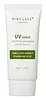
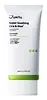
Nineless Essentials UV Shield Soothing Sun Cream SPF 50+ PA++++ Versus JUMISO Super Soothing Cica & Aloe Sunscreen SPF 50+ PA++++
This chemical sunscreen covers the full UV range and blocks ~98% of UVB at SPF 50.
This hybrid sunscreen covers the full UV range and blocks ~98% of UVB at SPF 50.

What's inside
What's inside
 Key Ingredients
Benefits
Concerns
Ingredients Side-by-side
Water
Skin ConditioningAcrylates Copolymer
Butylene Glycol
Humectant

Ethylhexyl Palmitate
Emollient




Butyloctyl Salicylate
Skin Conditioning

Glycerin
Humectant
Ethylhexyl Triazone
UV Absorber
Diethylamino Hydroxybenzoyl Hexyl Benzoate
UV Filter
1,2-Hexanediol
Skin Conditioning
Niacinamide
Smoothing









Dicaprylyl Carbonate
EmollientC14-22 Alcohols
Emulsion Stabilising
Cetearyl Olivate
Bis-Ethylhexyloxyphenol Methoxyphenyl Triazine
UV Absorber
Vinyl Dimethicone/Methicone Silsesquioxane Crosspolymer

Sorbitan Olivate
Emulsifying
Poly C10-30 Alkyl Acrylate
Emulsion StabilisingC12-20 Alkyl Glucoside
EmulsifyingMethyl Glucose Sesquistearate
Emollient
Polyacrylate Crosspolymer-6
Emulsion StabilisingCetearyl Alcohol
Emollient
Glyceryl Stearate Se
Emulsifying
Prunus Amygdalus Amara Kernel Oil
Masking

Hedera Helix Leaf/Stem Extract
AntimicrobialAdenosine
Skin Conditioning
Pyrus Malus Fruit Extract
Skin Conditioning
Disodium EDTA
ChelatingStearic Acid
Cleansing
T-Butyl Alcohol
Perfuming


Vanilla Planifolia Fruit Extract
Skin Conditioning
Jasminum Officinale Flower Water
MaskingGlucose
Humectant
Macadamia Ternifolia Seed Oil
Emollient
Caprylic/Capric Triglyceride
Masking
Propanediol
Solvent
Hyaluronic Acid
Humectant
Tocopherol
Antioxidant

Brassica Campestris Sterols
EmollientCholesterol
Emollient
Phytosteryl/Behenyl/Octyldodecyl Lauroyl Glutamate
Skin ConditioningPhenoxyethanol
Preservative
Centella Asiatica Extract
Cleansing
Polyglyceryl-10 Oleate
Skin Conditioning
Hydrogenated Lecithin
Emulsifying
Ceramide NP
Skin Conditioning
Potassium Cetyl Phosphate
EmulsifyingBeta-Glucan
Skin Conditioning
Ethylhexylglycerin
Skin ConditioningMorinda Citrifolia Extract
AstringentCamellia Sinensis Leaf Extract
Antimicrobial
Houttuynia Cordata Extract
Skin Conditioning
Melaleuca Alternifolia Leaf Extract
Perfuming
Petroselinum Sativum Extract
Skin ConditioningMentha Piperita Leaf Extract
Skin ConditioningHippophae Rhamnoides Fruit Extract
Skin Conditioning
Aureobasidium Pullulans Ferment
Skin ConditioningCeramide Ns
Skin Conditioning
Ceramide EOP
Skin Conditioning
Water, Acrylates Copolymer, Butylene Glycol, Ethylhexyl Palmitate, Butyloctyl Salicylate, Glycerin, Ethylhexyl Triazone, Diethylamino Hydroxybenzoyl Hexyl Benzoate, 1,2-Hexanediol, Niacinamide, Dicaprylyl Carbonate, C14-22 Alcohols, Cetearyl Olivate, Bis-Ethylhexyloxyphenol Methoxyphenyl Triazine, Vinyl Dimethicone/Methicone Silsesquioxane Crosspolymer, Sorbitan Olivate, Poly C10-30 Alkyl Acrylate, C12-20 Alkyl Glucoside, Methyl Glucose Sesquistearate, Polyacrylate Crosspolymer-6, Cetearyl Alcohol, Glyceryl Stearate Se, Prunus Amygdalus Amara Kernel Oil, Hedera Helix Leaf/Stem Extract, Adenosine, Pyrus Malus Fruit Extract, Disodium EDTA, Stearic Acid, T-Butyl Alcohol, Vanilla Planifolia Fruit Extract, Jasminum Officinale Flower Water, Glucose, Macadamia Ternifolia Seed Oil, Caprylic/Capric Triglyceride, Propanediol, Hyaluronic Acid, Tocopherol, Brassica Campestris Sterols, Cholesterol, Phytosteryl/Behenyl/Octyldodecyl Lauroyl Glutamate, Phenoxyethanol, Centella Asiatica Extract, Polyglyceryl-10 Oleate, Hydrogenated Lecithin, Ceramide NP, Potassium Cetyl Phosphate, Beta-Glucan, Ethylhexylglycerin, Morinda Citrifolia Extract, Camellia Sinensis Leaf Extract, Houttuynia Cordata Extract, Melaleuca Alternifolia Leaf Extract, Petroselinum Sativum Extract, Mentha Piperita Leaf Extract, Hippophae Rhamnoides Fruit Extract, Aureobasidium Pullulans Ferment, Ceramide Ns, Ceramide EOP
Zinc Oxide
Cosmetic Colorant
Isononyl Isononanoate
EmollientButyloctyl Salicylate
Skin Conditioning
Caprylyl Methicone
Skin Conditioning
Hexyl Laurate
Emollient
Pentaerythrityl Tetraethylhexanoate
Emollient
Dicaprylyl Carbonate
EmollientCI 77891
Cosmetic ColorantAcrylates Copolymer
Dipropylene Glycol
HumectantPropanediol
Solvent
Isododecane
EmollientDisteardimonium Hectorite
StabilisingPolyglyceryl-4 Diisostearate/Polyhydroxystearate/Sebacate
Emulsifying
Polyglyceryl-6 Polyhydroxystearate
Emulsifying
Centella Asiatica Extract
Cleansing
Aloe Barbadensis Leaf Extract
Emollient
Trimethylsiloxysilicate
Emollient
Polyglyceryl-3 Polydimethylsiloxyethyl Dimethicone
Skin Conditioning
Polyhydroxystearic Acid
Emulsifying
Magnesium Sulfate
Polyglyceryl-2 Isostearate
Emulsifying
Dimethicone/Vinyl Dimethicone Crosspolymer
Skin Conditioning
Triethoxycaprylylsilane
Polyglyceryl-6 Polyricinoleate
Emulsifying
1,2-Hexanediol
Skin Conditioning
Coco-Caprylate/Caprate
Emollient
Poly C10-30 Alkyl Acrylate
Emulsion StabilisingAluminum Hydroxide
EmollientStearic Acid
Cleansing
Polyglyceryl-2 Dipolyhydroxystearate
Skin Conditioning
Vinyl Dimethicone/Methicone Silsesquioxane Crosspolymer
Sorbitan Isostearate
Emulsifying
Cetyl Palmitate
Emollient
Hydroxyacetophenone
Antioxidant
Sorbitan Olivate
Emulsifying
Sorbitan Palmitate
Emulsifying
Butylene Glycol
Humectant
Trisodium Ethylenediamine Disuccinate
ChelatingPolyglycerin-6
HumectantTocopherol
Antioxidant
Ascorbyl Palmitate
Antioxidant
Zinc Oxide, Isononyl Isononanoate, Butyloctyl Salicylate, Caprylyl Methicone, Hexyl Laurate, Pentaerythrityl Tetraethylhexanoate, Dicaprylyl Carbonate, CI 77891, Acrylates Copolymer, Dipropylene Glycol, Propanediol, Isododecane, Disteardimonium Hectorite, Polyglyceryl-4 Diisostearate/Polyhydroxystearate/Sebacate, Polyglyceryl-6 Polyhydroxystearate, Centella Asiatica Extract, Aloe Barbadensis Leaf Extract, Trimethylsiloxysilicate, Polyglyceryl-3 Polydimethylsiloxyethyl Dimethicone, Polyhydroxystearic Acid, Magnesium Sulfate, Polyglyceryl-2 Isostearate, Dimethicone/Vinyl Dimethicone Crosspolymer, Triethoxycaprylylsilane, Polyglyceryl-6 Polyricinoleate, 1,2-Hexanediol, Coco-Caprylate/Caprate, Poly C10-30 Alkyl Acrylate, Aluminum Hydroxide, Stearic Acid, Polyglyceryl-2 Dipolyhydroxystearate, Vinyl Dimethicone/Methicone Silsesquioxane Crosspolymer, Sorbitan Isostearate, Cetyl Palmitate, Hydroxyacetophenone, Sorbitan Olivate, Sorbitan Palmitate, Butylene Glycol, Trisodium Ethylenediamine Disuccinate, Polyglycerin-6, Tocopherol, Ascorbyl Palmitate
Reviews
Ingredients Explained
These ingredients are found in both products.
Ingredients higher up in an ingredient list are typically present in a larger amount.
1,2-Hexanediol is a synthetic liquid and another multi-functional powerhouse.
It is a:
- Humectant, drawing moisture into the skin
- Emollient, helping to soften skin
- Solvent, dispersing and stabilizing formulas
- Preservative booster, enhancing the antimicrobial activity of other preservatives
Acrylates Copolymer is used as a film-forming agent and texture enhancer.
After applied, Acrylates Copolymer forms a thin film cover that helps skin feel more soft. It can help sunscreens become more water-resistant.
It is also used to make a product more thick.
Learn more about Acrylates CopolymerButylene Glycol (or BG) is used within cosmetic products for a few different reasons:
Overall, Butylene Glycol is a safe and well-rounded ingredient that works well with other ingredients.
Though this ingredient works well with most skin types, some people with sensitive skin may experience a reaction such as allergic rashes, closed comedones, or itchiness.
Learn more about Butylene GlycolButyloctyl Salicylate is a chemical UV filter structurally similar to octisalate. It is a photostabilizer, SPF booster, emollient and solvent. This ingredient helps evenly spread out ingredients.
According to a manufacturer, it is suitable for pairing with micro Titanium Dioxide, Zinc Oxide, and pigments.
Photostabilizers help stabilize UV-filters and prevents them from degrading quickly.
Learn more about Butyloctyl SalicylateCentella Asiatica Extract (Centella) is one of the most researched botanical extracts in skincare with decades of studies backing its effects on inflammation, collagen, and the skin barrier.
That research keeps pointing back to the same four triterpenoid saponins: Asiaticoside, Madecassoside, Asiatic Acid, and Madecassic Acid.
These compounds allow centella to dial back inflammation, encourage the skin to build and hold onto collagen, support the barrier and hydration, and bring solid antioxidant activity to protect against signs of aging.
Centella also carries a nice supporting cast of Vitamin A, vitamin C, several B vitamins, and amino acids. Put it all together and you get an ingredient that soothes, hydrates, and protects, all at once.
Most of centella's magic comes from the four big compounds (Asiaticoside, Madecassoside, Asiatic Acid, and Madecassic Acid). These are the actives doing the heavy lifting in almost every centella study.
Here is the short version of what they do in the skin:
So it is not just soothing for the sake of soothing. Centella calms the skin AND helps it rebuild.
Just FYI, not all centella on an ingredient list is the same. What you are getting actually depends on the extract:
Fun fact on the ratios: the leaves tend to be richest in Madecassoside and Asiaticoside, and lower in the two acids. The exact amounts shift with where the plant is grown and how it is processed. This means purity really does vary brand to brand.
Centella is one of the most easygoing actives out there.
It layers well with basically everything: niacinamide, hyaluronic acid, peptides, and vitamin C, and also pairs nicely with stronger actives like retinoids and exfoliating acids where it can help take the edge off irritation.
On the safety side, centella and its triterpenes are classified as weak sensitizers, meaning allergic reactions are possible but uncommon.
Patch tests at 1% and 5% came back negative in test panels, and creams at typical use levels did not cause allergic reactions across large groups of people.
But as with any new active, a patch test is still a smart move for very reactive skin.
Centella is widely used because it is effective at low percentages. For context, human safety testing found no meaningful irritation from creams containing centella extract at everyday use levels (the tested amounts were well under 1%).
The irritancy threshold in animal testing was also above 30% (so real-world formulas sit far below anything concerning).
In collagen lab studies, higher concentrations drove more collagen synthesis, so serums built around centella tend to feature it more prominently.
Bottom line: you will find centella working nicely anywhere from a fraction of a percent up to hero-ingredient levels depending on whether it is a supporting soother or the main event.
Fun fact: Centella has been used as a medicine and in food for many centuries. As a medicine, it is used to treat burns, scratches, and wounds.
Learn more about Centella Asiatica ExtractDicaprylyl Carbonate comes from carbonic acid and caprylyl alcohol, a fatty alcohol. It is an emollient and gives skin a velvet feel. The sources of Dicaprylyl Carbonate may be synthetic or from animals.
As an emollient, Dicaprylyl Carbonate creates a film on the skin. This film traps moisture in, keeping your skin soft and hydrated.
Poly C10-30 Alkyl Acrylate is a synthetic polymer. It's a long chain built from acrylic acid units and each unit carries a fatty "tail" derived form a C10-30 alcohol.
Those oil-loving tails allow this ingredient to thicken oil phases, hold emulsions together, and cuts the tacky/greasy feel of heavy formulas.
Typical use levels sit around 0.1-3%, with 0.3-3% more common in leave-on emulsions.
This ingredient was reviewed as part of a group of 126 acrylates and concluded to be safe by the Cosmetic Ingredient Review Expert Panel.
Though acrylate contact allergy is real and well-documented, allergy risk is quite low. The cases of documented contact allergy are caused by unreacted monomers (more commonly found in gel nails, dental resins, and adhesives).
Learn more about Poly C10-30 Alkyl AcrylatePropanediol is an all-star ingredient. It softens, hydrates, and smooths the skin.
It’s often used to:
Propanediol is not likely to cause sensitivity and considered safe to use. It is derived from corn or petroleum with a clear color and no scent.
Learn more about PropanediolSorbitan Olivate is created from the fatty acids in olive oil and sorbitol.
This ingredient is an oil in water emulsifier. It helps stabilize a product by preventing oils and waters from separating. Sorbitan Olivate also helps hydrate the skin.
This ingredient is also known as part of Olivem 1000, with Cetearyl Olivate being the other part.
According to a manufacturer, this ingredient helps preserve the natural microbiome of skin. Having a healthy microbiome helps keep our skin healthy and protects against harmful bacteria.
Please note, having a healthy microbiome is different from fungal acne; a healthy microbiome includes small amounts of yeast that normally live on your skin without causing problems.
Fungal acne happens when one type of yeast (Malassezia) grows out of control. This is usually because it's feeding on certain oils or fatty acids. Due to the olive oil base, this ingredient may not be fungal acne safe.
Learn more about Sorbitan OlivateStearic Acid is a fatty acid that is already found in your skin. It's one of the free fatty acids that works alongside ceramides and cholesterols to maintain your barrier.
In cosmetics, it is a multitasker:
Safety-wise, the CIR Expert Panel has concluded it to be safe in cosmetics when formulated to be non-irritating and non-sensitizing.
Free stearic acid is a C18 fatty acid that the Malassezia yeast can substrate, so this ingredient may not be fungal acne safe.
Learn more about Stearic AcidTocopherol is a fat-soluble antioxidant known as Vitamin E.
You'll find this ingredient in the vast majority of skincare (for good reason). It works to neutralize free radicals, or unstable molecules generated by UV exposure, pollution, and other environmental stressors, before they can cause oxidative damage to your skin cells.
Topically applied tocopherol has been shown to protect against UV damage by ramping up the skin's own natural defense enzymes.
It also acts as a skin conditioning agent; some studies show that regular topical use can improve the skin's water-binding capacity over 2-4 weeks.
This ingredient is especially loved for being a team player. When combined with Vitamin C, the photoprotective effect of both ingredients roughly doubles and the combo also helps reduce UV-induced DNA damage.
This ingredient has some brightening potential but it's more of a prevention ingredient than spot-fader. Cell studies show it can slow down melanin production but it's worth noting that it's not the most powerful brightener out there.
In formulations, it also serves as a stabilizer that helps protect other oxidation-prone ingredients from degrading.
Concentrations usually range from 0.1-1% in most leave-on products.
Learn more about TocopherolThis ingredient is used in makeup and skincare to thicken formulas, reduce shine, and give skin a silky-smooth feel.
It’s a white silicone powder that sits in fine lines and pores to blur their appearance though its effectiveness depends on the particle size.
You'll typically find this ingredient in amounts between 0.1-20%.
Learn more about Vinyl Dimethicone/Methicone Silsesquioxane Crosspolymer

