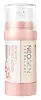
This barrier-repair serum is formulated around Lactobacillus Ferment Lysate and Niacinamide to strengthen the skin barrier and calm redness.
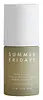
This hydrating serum is formulated around Squalane and Aloe Barbadensis Leaf Juice to hydrate skin and strengthen the skin barrier.


What's inside
What's inside
 Key Ingredients
Benefits
Concerns
Ingredients Side-by-side
Water
Skin ConditioningLactobacillus Ferment Lysate 21%
Skin Conditioning
Isopentyldiol
Humectant
Triethylhexanoin
MaskingPropanediol
Solvent
1,2-Hexanediol
Skin Conditioning
Niacinamide
Smoothing









Butylene Glycol
Humectant
Acrylates/C10-30 Alkyl Acrylate Crosspolymer
Emulsion StabilisingEthylhexylglycerin
Skin ConditioningXanthan Gum
EmulsifyingTromethamine
BufferingAdenosine
Skin Conditioning
Glycerin
Humectant
Betaine
Humectant
Allantoin
Skin Conditioning
Trehalose
Humectant
Panthenol
Skin Conditioning
Lavandula Angustifolia Oil
Masking




Citrus Aurantium Bergamia Fruit Oil
Masking
Citrus Aurantium Dulcis Peel Oil
Masking
Aniba Rosaeodora Wood Oil
Astringent
Rosmarinus Officinalis Leaf Oil
Masking
Eucalyptus Globulus Leaf Oil
Perfuming
Bifida Ferment Lysate
Skin Conditioning
Xylitol
Humectant
Juglans Regia Seed Oil
Skin Conditioning
Lactic Acid
Buffering

Undaria Pinnatifida Extract
Skin ConditioningStreptococcus Thermophilus Ferment
Humectant
Honey Extract
Humectant
Sodium PCA
Humectant
Sodium Lactate
Buffering
Caprylic/Capric Triglyceride
Masking
Glyceryl Caprylate
EmollientArginine
Masking
Aspartic Acid
Masking
PCA
Humectant
Phospholipids
Skin Conditioning
Gluconic Acid
Chelating
Ceramide NP
Skin Conditioning
Glycine
Buffering
Alanine
Masking
Musa Sapientum Fruit Extract
Skin ConditioningTuber Melanosporum Extract
HumectantDaucus Carota Sativa Root Extract
Skin Conditioning
Serine
Masking
Valine
MaskingCholesterol
Emollient
Isoleucine
Skin ConditioningThreonine
Proline
Skin Conditioning
Tuber Magnatum Extract
Skin ConditioningPhenylalanine
Masking
Histidine
Humectant
Phellinus Linteus Extract
Skin ConditioningGlutathione
Hyaluronic Acid
Humectant
Beta-Glucan
Skin Conditioning
Phytosterols
Skin Conditioning
Hydrolyzed Hyaluronic Acid
Humectant
Sodium Hyaluronate
Humectant
Limonene
Perfuming
Linalool
Perfuming
Cetyl Ethylhexanoate
EmollientCoco-Caprylate/Caprate
Emollient
Polyglyceryl-10 Laurate
Skin Conditioning
Carbomer
Emulsion StabilisingCoptis Japonica Extract
AntimicrobialDextrin
AbsorbentTheobroma Cacao Extract
Skin ConditioningHydrolyzed Collagen
Emollient
Squalane
Emollient
Polydecene
Skin ConditioningOlea Europaea Fruit Oil
Masking
Adansonia Digitata Seed Oil
Emollient
Hydrogenated Lecithin
Emulsifying
Acacia Senegal Gum
MaskingAgar
MaskingRoyal Jelly Extract
Skin Conditioning
Propolis Extract
Skin Conditioning
Artemisia Capillaris Extract
Guaiazulene
Antimicrobial
Tocopheryl Acetate
Antioxidant

Ceramide Ns
Skin Conditioning
Ceramide As
Skin Conditioning
Ceramide EOP
Skin Conditioning
Ceramide AP
Skin Conditioning
Copper Tripeptide-1
Skin Conditioning
Acetyl Hexapeptide-8
Humectant
Tripeptide-1
Skin Conditioning
Palmitoyl Tetrapeptide-7
Skin Conditioning
Palmitoyl Tripeptide-1
Skin Conditioning
Palmitoyl Pentapeptide-4
Skin Conditioning
Hexapeptide-9
Skin Conditioning
Tripeptide-2
Skin Conditioning
Nonapeptide-1
Skin Conditioning
Hexapeptide-11
Skin Conditioning
Water, Lactobacillus Ferment Lysate 21%, Isopentyldiol, Triethylhexanoin, Propanediol, 1,2-Hexanediol, Niacinamide, Butylene Glycol, Acrylates/C10-30 Alkyl Acrylate Crosspolymer, Ethylhexylglycerin, Xanthan Gum, Tromethamine, Adenosine, Glycerin, Betaine, Allantoin, Trehalose, Panthenol, Lavandula Angustifolia Oil, Citrus Aurantium Bergamia Fruit Oil, Citrus Aurantium Dulcis Peel Oil, Aniba Rosaeodora Wood Oil, Rosmarinus Officinalis Leaf Oil, Eucalyptus Globulus Leaf Oil, Bifida Ferment Lysate, Xylitol, Juglans Regia Seed Oil, Lactic Acid, Undaria Pinnatifida Extract, Streptococcus Thermophilus Ferment, Honey Extract, Sodium PCA, Sodium Lactate, Caprylic/Capric Triglyceride, Glyceryl Caprylate, Arginine, Aspartic Acid, PCA, Phospholipids, Gluconic Acid, Ceramide NP, Glycine, Alanine, Musa Sapientum Fruit Extract, Tuber Melanosporum Extract, Daucus Carota Sativa Root Extract, Serine, Valine, Cholesterol, Isoleucine, Threonine, Proline, Tuber Magnatum Extract, Phenylalanine, Histidine, Phellinus Linteus Extract, Glutathione, Hyaluronic Acid, Beta-Glucan, Phytosterols, Hydrolyzed Hyaluronic Acid, Sodium Hyaluronate, Limonene, Linalool, Cetyl Ethylhexanoate, Coco-Caprylate/Caprate, Polyglyceryl-10 Laurate, Carbomer, Coptis Japonica Extract, Dextrin, Theobroma Cacao Extract, Hydrolyzed Collagen, Squalane, Polydecene, Olea Europaea Fruit Oil, Adansonia Digitata Seed Oil, Hydrogenated Lecithin, Acacia Senegal Gum, Agar, Royal Jelly Extract, Propolis Extract, Artemisia Capillaris Extract, Guaiazulene, Tocopheryl Acetate, Ceramide Ns, Ceramide As, Ceramide EOP, Ceramide AP, Copper Tripeptide-1, Acetyl Hexapeptide-8, Tripeptide-1, Palmitoyl Tetrapeptide-7, Palmitoyl Tripeptide-1, Palmitoyl Pentapeptide-4, Hexapeptide-9, Tripeptide-2, Nonapeptide-1, Hexapeptide-11
Water
Skin ConditioningPropanediol
Solvent
Squalane
Emollient
Glycerin
Humectant
Cetyl Ethylhexanoate
EmollientAloe Barbadensis Leaf Juice
Skin Conditioning
Ammonium Acryloyldimethyltaurate/Vp Copolymer
Polyester-5
Sodium Hyaluronate
Humectant
Avena Sativa Kernel Flour
Abrasive
Sodium PCA
Humectant
Panthenol
Skin Conditioning
Ceramide NP
Skin Conditioning
Arnica Montana Flower Extract
Masking
Laminaria Digitata Extract
Skin Protecting
Centella Asiatica Extract
Cleansing
Palmitoyl Tripeptide-38
Skin Conditioning
Niacinamide
Smoothing
Acetyl Glucosamine
Skin Conditioning
Arginine
Masking
Aspartic Acid
Masking
PCA
Humectant
Glycine
Buffering
Alanine
Masking
Serine
Masking
Valine
MaskingProline
Skin Conditioning
Threonine
Isoleucine
Skin ConditioningPhenylalanine
Masking
Histidine
Humectant
Sodium Lactate
Buffering
Caprylhydroxamic Acid
ChelatingGlyceryl Stearate
Emollient
Disodium EDTA
ChelatingSodium Hydroxide
BufferingPolyglyceryl-3 Methylglucose Distearate
Emulsifying
Sodium Benzoate
Masking
Citric Acid
Buffering
Hydroxypropyl Cyclodextrin
MaskingXanthan Gum
EmulsifyingPotassium Sorbate
Preservative
1,2-Hexanediol
Skin Conditioning
Propylene Glycol
Humectant
Water, Propanediol, Squalane, Glycerin, Cetyl Ethylhexanoate, Aloe Barbadensis Leaf Juice, Ammonium Acryloyldimethyltaurate/Vp Copolymer, Polyester-5, Sodium Hyaluronate, Avena Sativa Kernel Flour, Sodium PCA, Panthenol, Ceramide NP, Arnica Montana Flower Extract, Laminaria Digitata Extract, Centella Asiatica Extract, Palmitoyl Tripeptide-38, Niacinamide, Acetyl Glucosamine, Arginine, Aspartic Acid, PCA, Glycine, Alanine, Serine, Valine, Proline, Threonine, Isoleucine, Phenylalanine, Histidine, Sodium Lactate, Caprylhydroxamic Acid, Glyceryl Stearate, Disodium EDTA, Sodium Hydroxide, Polyglyceryl-3 Methylglucose Distearate, Sodium Benzoate, Citric Acid, Hydroxypropyl Cyclodextrin, Xanthan Gum, Potassium Sorbate, 1,2-Hexanediol, Propylene Glycol
Reviews
Ingredients Explained
These ingredients are found in both products.
Ingredients higher up in an ingredient list are typically present in a larger amount.
1,2-Hexanediol is a synthetic liquid and another multi-functional powerhouse.
It is a:
- Humectant, drawing moisture into the skin
- Emollient, helping to soften skin
- Solvent, dispersing and stabilizing formulas
- Preservative booster, enhancing the antimicrobial activity of other preservatives
Alanine is an amino acid and is already found in the human body. Our skin uses alanine to build collagen, elastin, and keratin.
Arginine is a semi-essential amino acid. This just means our bodies can product a bit on its own, but sometimes needs a little boost from food sources.
It is a part of your skin's natural moisturizing factor (NMF), or the water-loving molecules in your outermost layer of skin (stratum corneum) that keeps everything hydrated and happy.
Here's an interesting thing about Arginine: your skin converts it into urea through the Krebs-Henseleit urea cycle. Urea is one of the most effective humectants your skin naturally produces.
A clinical study showed applying 2.5% arginine hydrochloride to atopic dermatitis skin showed significant urea levels in the stratum corneum and improved moisture in just four weeks.
Arginine is also a precursor to nitric oxide; nitric oxide improves microcirculation and supports wound healing and collagen synthesis.
One study found that an amino acid complex containing Arginine reduced skin irritation, improved hydration, and accelerated skin repair in clinical / in-vivo studies.
Arginine itself is an amino acid and not a fatty acid, oil, or ester. On its own, it's not a direct food source for Malassezia, or the yeast that causes fungal acne.
Learn more about ArginineAspartic Acid is an amino acid that our bodies produce naturally. It is an antioxidant.
Our body uses Aspartic Acid to help build collagen and elastin. It also plays a role in hydrating skin.
Ceramide NP (formerly known as Ceramide 3) is one of the skin's naturally occurring lipids.
Since ceramides are the major lipid components of the skin, they are crucial for maintaining skin barrier and hydration. Ceramide NP most closely mirrors the dominant kind in human skin amongst ceramide subtypes.
This ceramide works by slotting into gaps within the stratum corneum's lipid matrix to limit trans-epidermal water loss (TEWL) and shield the skin against external irritants.
A study with 312 patients found that using a ceramide-containing routine for 4 weeks reduced the severity of atopic dermatitis by over 61%.
Another clinical study in subjects aged 60 and older found that a ceramide body wash and moisturizer improved skin dryness and itchy skin in 15 days.
Overall, ceramides are considered non-irritating and safety tests have found little to no observable adverse effects from using this ingredient.
Ceramide NP is usually sourced from plants (like soybean or rice bran), or produced synthetically.
Learn more about Ceramide NPCetyl Ethylhexanoate is an emollient ester. It comes from cetearyl alcohol and 2-ethylhexanoic acid.
Cetyl Ethylhexanoate is an emollient that adds a velvety feel to skin without being greasy or oily. Emollients help trap moisture into your skin, keeping your skin soft and hydrated.
Glycerin (or glycerol) is a compound naturally found in your skin. It's a powerhouse humectant that pulls water into the stratum corneum.
Topically, glycerin does several things at once:
Your skin makes glycerin on its own (mostly from sebaceous oil breakdown) and shuttles it to your outermost layer of skin, or your epidermis, via aquaporin-3.
Aquaporin-3 is a transporter that is essential for normal skin hydration, elasticity, and repair. Interestingly, mice lacking in AQP3 have dry and less elastic skin that can be fully corrected with glycerin.
This ingredient is non-irritating, plays well with almost every ingredient, and works across all skin types. Typical use is anywhere between 3-10% but can go up to 79% in some leave-on products.
Just know very high concentrations (>40%) can feel tacky in low humidity.
Glycerin is the name for this ingredient in American English. British English uses Glycerol/Glycerine.
Learn more about GlycerinGlycine is the smallest amino acid and a key building block of collagen. It's part if your skin's Natural Moisturizing Factor (NMF), or the water-loving molecules in your outermost layer of skin (stratum corneum) that keeps everything hydrated and happy.
A study from 2022 found that an amino acid complex featuring taurine, arginine, and glycine significantly reduced skin irritation, improved redness, and accelerated the skin repair process.
Histidine is a semi-essential amino acid used by our bodies to create protein. It has humectant and skin conditioning properties.
Our bodies use histidine to create filaggrin - filaggrin is a structural protein that the skin uses in maintaining skin barrier.
One study found histidine and carnosine to be a dynamic duo for your skin:
Oral histidine has also been found to help with filaggrin-deficit skin disorders such as atopic dermatitis.
Why is it considered a semi-essential amino acid? This is because adults are able to create it but children must get it from their diet.
Learn more about HistidineIsoleucine is an amino acid that helps reinforce our skin barrier. This amino acid plays a role in creating protein for the body.
Fun fact: Isoleucine is found in meat, fish, dairy, legumes, and nuts.
Niacinamide is a multitasking form of vitamin B3 that strengthens the skin barrier, reduces pores and dark spots, regulates oil, and improves signs of aging.
And the best part? It's gentle and well-tolerated by most skin types, including sensitive and reactive skin.
You might have heard of "niacin flush", or the reddening of skin that causes itchiness. Niacinamide has not been found to cause this.
In very rare cases, some individuals may not be able to tolerate niacinamide at all or experience an allergic reaction to it.
If you are experiencing flaking, irritation, and dryness with this ingredient, be sure to double check all your products as this ingredient can be found in all categories of skincare.
When incorporating niacinamide into your routine, look out for concentration amounts. Typically, 5% niacinamide provides benefits such as fading dark spots. However, if you have sensitive skin, it is better to begin with a smaller concentration.
When you apply niacinamide to your skin, your body converts it into nicotinamide adenine dinucleotide (NAD). NAD is an essential coenzyme that is already found in your cells as "fuel" and powers countless biological processes.
In your skin, NAD helps repair cell damage, produce new healthy cells, support collagen production, strengthen the skin barrier, and fight environmental stressors (like UV and pollution).
Our natural NAD levels start to decline with age, leading to slower skin repair, visible aging, and a weaker skin barrier. By providing your skin niacinamide, you're recharging your skin's NAD levels. This leads to stronger, healthier, and younger looking skin.
Another name for vitamin B3 is nicotinamide. This vitamin is water-soluble and our bodies don't store it. We obtain Vitamin B3 from either food or skincare. Meat, fish, wheat, yeast, and leafy greens contain vitamin B3.
The type of niacinamide used in skincare is synthetically created.
Learn more about NiacinamidePanthenol is a common ingredient that helps hydrate and soothe the skin. It is found naturally in our skin and hair.
There are two forms of panthenol: D and L.
D-panthenol is also known as dexpanthenol. Most cosmetics use dexpanthenol or a mixture of D and L-panthenol.
Panthenol is famous due to its ability to go deeper into the skin's layers. Using this ingredient has numerous pros (and no cons):
Like hyaluronic acid, panthenol is a humectant. Humectants are able to bind and hold large amounts of water to keep skin hydrated.
This ingredient works well for wound healing. It works by increasing tissue in the wound and helps close open wounds.
Once oxidized, panthenol converts to pantothenic acid. Panthothenic acid is found in all living cells.
This ingredient is also referred to as pro-vitamin B5.
Learn more about PanthenolPCA is an amino acid derivative and one of the star players in your skin's own Natural Moisturizing Factor (NMF).
The NMF is the built-in cocktail of small molecules that keeps your outer layer of skin hydrated and your body makes it naturally.
This is why it works so well topically; PCA is a humectant that holds water in the stratum corneum and studies link higher skin PCA levels to better hydration + lower water loss. Interestingly, people show more PCA in summer and in normal vs dry skin.
Most of the benefits of this ingredient are related to hydration, softness, and barrier support.
A long-running review found that formulas with at least 2% PCA or its salts improved dry skin over both the short and long term. And the zinc salt is also used for its mild antimicrobial and astringent properties.
The salt forms are more common in cosmetics (like sodium PCA).
This ingredient is compatible with basically everything and pairs well with other humectants like glycerin or hyaluronic acid.
Usage-wise, it's typically used at low percentages (~0.2-2%).
The Cosmetic Ingredient Review Expert Panel has concluded PCA and its salts are safe as used and is non-irritating on skin even at high concentrations.
Learn more about PCAPhenylalanine is an amino acid. It is a skin soothing and hydrating ingredient. Amino acids play a crucial role in wound healing and skin hydration.
This ingredient is also used to help even out skin tone due to its ability to disrupt the melanin production process.
Two structures of phenylalanine exist: L-phenylalanine and D-phenylalanine. L-phenylalanine is essential, this means our bodies cannot produce it naturally and we must get it from foods. Our bodies convert D-phenylalanine to neurotransmitters, and D-phenylalanine is found in our bodies naturally.
Some foods that contain L-phenylalanine include eggs, soybeans, beef, milk.
Learn more about PhenylalanineProline is a non-essential amino acid, meaning your body can make it on its own. In skincare, it is a skin conditioning ingredient that keeps skin soft and hydrated.
It makes up about 23% of the collagen molecule (collagen is the protein responsible for keeping your skin firm) and is involved in your skin's natural hyaluronic acid production. When applied topically, proline can penetrate the skin fairly well due to its small molecular size.
Reviews of this ingredient have found it to be neither a dermal irritant nor a sensitizer.
Fun fact: Proline can be found in protein-rich foods like meat, fish, eggs, and dairy.
Learn more about ProlinePropanediol is an all-star ingredient. It softens, hydrates, and smooths the skin.
It’s often used to:
Propanediol is not likely to cause sensitivity and considered safe to use. It is derived from corn or petroleum with a clear color and no scent.
Learn more about PropanediolSerine is a non-essential amino acid (your body makes it on its own!). It is a major player in your skin's natural moisturizing factor (NMF), or the water-loving molecules in your outermost layer of skin (stratum corneum) that keeps everything hydrated and happy.
Serine is one of your NMF's most abundant components that works as a skin-identical humectant. Its hydroxyl group grabs onto water molecules to boost hydration without any heaviness or occlusion.
Research on a hydrogel with serine confirmed this serine got delivered to your stratum corneum and demonstrated enhanced skin moisturization.
Interestingly serine also helps your skin produce filaggrin, a protein that keeps your skin barrier strong and used to create collagen.
Learn more about SerineSodium Hyaluronate is the salt form of hyaluronic acid. It is a long sugar chain that is naturally found in your skin, joints, and connective tissue that maintains hydration and elasticity.
In skincare, it works as a humectant. It pulls water from the environment and deeper layers of skin and binds it to the surface.
Interestingly, the size of the molecule affects its behavior:
Some clinical evidence links low molecular weight versions to improved wrinkle depth, elasticity, anti-inflammatory effects, and barrier repair.
Many serums use a blend of both weights so you can get surface hydration plus longer-lasting and deeper effects.
You'll typically see concentrations between 0.1-2% for this ingredient.
Learn more about Sodium HyaluronateSodium Lactate is the sodium salt of lactic acid, an AHA. It is a humectant and sometimes used to adjust the pH of a product.
This ingredient is part of our skin's NMF, or natural moisturizing factor. Our NMF is essential for the hydration of our top skin layers and plasticity of skin. NMF also influences our skin's natural acid mantle and pH, which protects our skin from harmful bacteria.
High percentages of Sodium Lactate can have an exfoliating effect.
Fun fact: Sodium Lactate is produced from fermented sugar.
Learn more about Sodium LactateSodium PCA (the salt of PCA) is one of the most well-established humectants in skincare.
Why is it so special? Your skin already makes it naturally; it's a natural component of your skin's Natural Moisturizing Factor (NMF), or the mix of water-binding compounds inside your skin cells that keeps things soft and hydrated.
As a cosmetic ingredient, it grabs water and holds it in the upper layers of skin to smooth roughness and ease dehydration.
There's some clinical support for the NMF approach with a study showing that a cream built to mimic the skin's NMF significantly boosted hydration.
Safety-wise, this ingredient non-irritating, non-comedogenic, and non-phototoxic in testing, with minimal skin absorption.
It also works really well with other hydrators like glycerin or hyaluronic acid, and typical usage is somewhere between 0.2-4%.
Learn more about Sodium PCASqualane is the hydrogenated and shelf-stable form of squalene (a lipid that naturally occurs in human sebum).
It is an emollient and skin conditioning agent that is able to integrate seamlessly into the skin's lipid barrier without clogging pores.
This is due to how structurally similar it is to what your skin already produces.
Though it is mostly an emollient that helps soften and hydrate skin, it also has some humectant and occlusive action. Humectants help the skin retain moisture while occlusives seal it in, making squalane a triple-threat moisturizer.
Research shows it has antioxidant capabilities that help protect against stressors like UV exposure, specifically UVA induced oxidative stress. This study also found that it supports collagen biosynthesis in human dermal fibroblasts.
No clinical study has reported significant adverse effects and irritation reactions are very rare from this ingredient (even at 100% concentration).
Overall, it's a fantastic ingredient for hydration and is suitable for all skin types.
This depends on the source. Squalane can be derived from both plants and animals. Most squalane used in skincare comes from plants.
Please note: the source of squalane is only known if disclosed by the brand. We recommend reaching out to the brand if you have any questions about their squalane.
Read more about squalene with an "e".
Though squalane is often called an oil, it’s technically not one. It is a hydrocarbon, meaning it is only made of carbon and hydrogen. True oils are triglycerides and made of fatty acids and glycerol.
The term “oil-free” isn’t regulated so companies can define it however they want. Some exclude all oils, while others just avoid mineral oil or comedogenic oils.
Squalane has a comedogenic rating of 1 from the original 1972 study that tested raw ingredients under occlusion on rabbit ears. This system is not standardized or peer-reviewed, and using the raw ingredients is very different from how diluted cosmetic formulations are used on human skin.
A comedogenic rating of 1 means it is "unlikely to clog pores" according to the original rating system.
The overall formula of a product matters more than the individual ingredients on whether or not it will cause clogged pores.
Learn more about SqualaneThreonine is an amino-acid. It helps hydrate the skin and has antioxidant benefits.
Our skin uses threonine for creating collagen and elastin. Humans are not able to create threonine and must get it through eating foods such as fish, lentils, poultry, sesame seeds, and more.
Valine is one of the essential amino acids (meaning your body can't make it on its own and has to get it from food).
In skincare, it's usually synthetically-made or pulled from plant proteins like soy.
It's one of the small building blocks that make up your skin's natural moisturizing factor (NMF), or the built-in system that helps skin hold onto water. So its main job in a formula is to give the skin gentle hydration and help it feel more comfortable.
Typical amounts are very tiny: roughly 0.00004%-0.5% in leave on products and up to 1% in rinse-off ones.
The Cosmetic Ingredient Review panel has looked at this ingredient and found no evidence of it being a skin irritant or allergen at cosmetic levels.
Learn more about ValineWater. It's the most common cosmetic ingredient of all. You'll usually see it at the top of ingredient lists, meaning that it makes up the largest part of the product.
So why is it so popular? Water most often acts as a solvent - this means that it helps dissolve other ingredients into the formulation.
You'll also recognize water as that liquid we all need to stay alive. If you see this, drink a glass of water. Remember to stay hydrated!
Learn more about WaterXanthan gum is used as a stabilizer and thickener within cosmetic products. It helps give products a sticky, thick feeling - preventing them from being too runny.
On the technical side of things, xanthan gum is a polysaccharide - a combination consisting of multiple sugar molecules bonded together.
Xanthan gum is a pretty common and great ingredient. It is a natural, non-toxic, non-irritating ingredient that is also commonly used in food products.
Learn more about Xanthan Gum

