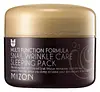
This anti-aging overnight mask is formulated around Snail Secretion Filtrate and Adenosine to soften the look of wrinkles and hydrate skin.
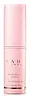
This anti-aging moisturizer is formulated around Helianthus Annuus Seed Oil and Adenosine to soften the look of wrinkles and hydrate skin.

What's inside
What's inside
 Key Ingredients
Benefits
Concerns
Ingredients Side-by-side
Snail Secretion Filtrate
Skin Conditioning





Glycerin
Humectant
Water
Skin ConditioningCetyl Ethylhexanoate
EmollientButylene Glycol
Humectant
Dipropylene Glycol
HumectantCetearyl Alcohol
Emollient






Cyclopentasiloxane
Emollient
Citrus Limon Peel Oil
Masking





Olea Europaea Fruit Oil
Masking
Citrus Aurantium Dulcis Oil
Masking
Citrus Aurantium Bergamia Fruit Oil
Masking
Cedrus Atlantica Bark Oil
Masking
Citrus Aurantium Dulcis Fruit Extract
MaskingCitrus Grandis Fruit Extract
Astringent
Pinus Sylvestris Leaf Oil
Masking
Lavandula Angustifolia Extract
Skin Conditioning
Salvia Sclarea Oil
Masking
Aniba Rosodora Wood Oil
Astringent
Eucalyptus Globulus Leaf Oil
Perfuming
Citrus Aurantifolia Oil
Cleansing
Coriandrum Sativum Fruit Oil
Masking
Salvia Officinalis Oil
Masking
Artemisia Absinthium Extract
Skin ConditioningChamomilla Recutita Flower Extract
Masking
Butyrospermum Parkii Butter
Skin Conditioning
Caulerpa Lentillifera Extract
Sea Water
HumectantTremella Fuciformis Extract
Humectant
Saccharomyces Ferment Filtrate
Humectant
Vanilla Planifolia Fruit Extract
Skin Conditioning
Santalum Album Oil
Masking
Honey Extract
Humectant
Aureobasidium Pullulans Ferment
Skin ConditioningFomes Officinalis Extract
Skin ProtectingAcacia Seyal Gum Extract
HumectantGlycine Max Seed Extract
Skin ConditioningDioscorea Japonica Root Extract
Skin Conditioning
Glyceryl Stearate
Emollient
Hydrogenated Polydecene
EmollientCyclohexasiloxane
Emollient
Sodium Polyacrylate
Absorbent
Sorbitan Stearate
Emulsifying
PEG-100 Stearate
Surfactant
Magnesium Aluminum Silicate
Absorbent
Polysorbate 80
Emulsifying
Caprylyl Glycol
Emollient
Dimethicone
Emollient
Aminomethyl Propanol
BufferingAdenosine
Skin Conditioning
Propylene Glycol
Humectant
Pentylene Glycol
Skin Conditioning
Ethyl Hexanediol
SolventGlyceryl Caprylate
Emollient1,2-Hexanediol
Skin Conditioning
Ethylhexylglycerin
Skin ConditioningSh-Octapeptide-4
Antioxidant

Sh-Decapeptide-7
Antioxidant
Sh-Pentapeptide-19
Skin Conditioning
Sh-Oligopeptide-9
Humectant
Carbomer
Emulsion StabilisingXanthan Gum
EmulsifyingDisodium EDTA
ChelatingPhenoxyethanol
Preservative
Potassium Sorbate
Preservative
Snail Secretion Filtrate, Glycerin, Water, Cetyl Ethylhexanoate, Butylene Glycol, Dipropylene Glycol, Cetearyl Alcohol, Cyclopentasiloxane, Citrus Limon Peel Oil, Olea Europaea Fruit Oil, Citrus Aurantium Dulcis Oil, Citrus Aurantium Bergamia Fruit Oil, Cedrus Atlantica Bark Oil, Citrus Aurantium Dulcis Fruit Extract, Citrus Grandis Fruit Extract, Pinus Sylvestris Leaf Oil, Lavandula Angustifolia Extract, Salvia Sclarea Oil, Aniba Rosodora Wood Oil, Eucalyptus Globulus Leaf Oil, Citrus Aurantifolia Oil, Coriandrum Sativum Fruit Oil, Salvia Officinalis Oil, Artemisia Absinthium Extract, Chamomilla Recutita Flower Extract, Butyrospermum Parkii Butter, Caulerpa Lentillifera Extract, Sea Water, Tremella Fuciformis Extract, Saccharomyces Ferment Filtrate, Vanilla Planifolia Fruit Extract, Santalum Album Oil, Honey Extract, Aureobasidium Pullulans Ferment, Fomes Officinalis Extract, Acacia Seyal Gum Extract, Glycine Max Seed Extract, Dioscorea Japonica Root Extract, Glyceryl Stearate, Hydrogenated Polydecene, Cyclohexasiloxane, Sodium Polyacrylate, Sorbitan Stearate, PEG-100 Stearate, Magnesium Aluminum Silicate, Polysorbate 80, Caprylyl Glycol, Dimethicone, Aminomethyl Propanol, Adenosine, Propylene Glycol, Pentylene Glycol, Ethyl Hexanediol, Glyceryl Caprylate, 1,2-Hexanediol, Ethylhexylglycerin, Sh-Octapeptide-4, Sh-Decapeptide-7, Sh-Pentapeptide-19, Sh-Oligopeptide-9, Carbomer, Xanthan Gum, Disodium EDTA, Phenoxyethanol, Potassium Sorbate
Helianthus Annuus Seed Oil
Emollient
Polyglyceryl-2 Triisostearate
Emulsifying
Euphorbia Cerifera Cera
Astringent
Butyrospermum Parkii Butter
Skin Conditioning
Prunus Amygdalus Dulcis Oil
Skin Conditioning
Pyrus Malus Seed Oil
Emollient
Octyldodecanol
Emollient
Microcrystalline Wax
Emulsion StabilisingEclipta Prostrata Extract
Skin Conditioning
Melia Azadirachta Leaf Extract
Skin ConditioningGlycyrrhiza Glabra Root Extract
Bleaching

Moringa Oleifera Seed Oil
Emollient
Candida/Garcinia Cambogia Ferment
Oryza Sativa Germ Oil
Emollient
Schisandra Chinensis Fruit Extract
Skin Conditioning
Curcuma Longa Root Extract
Antioxidant
Lithospermum Erythrorhizon Root Extract
Skin ConditioningCanola Oil
Emollient
Caesalpinia Spinosa Fruit Extract
Skin ProtectingChlorella Vulgaris Extract
Skin ConditioningKappaphycus Alvarezii Extract
Skin Conditioning
Daucus Carota Sativa Seed Oil
Emollient
Hydrolyzed Collagen
Emollient
Althaea Rosea Flower Extract
Skin ConditioningDaucus Carota Sativa Root Extract
Skin Conditioning
Tocopherol
Antioxidant
Adenosine
Skin Conditioning
Water
Skin ConditioningButylene Glycol
Humectant
1,2-Hexanediol
Skin Conditioning
Beta-Carotene
Skin ConditioningTocopheryl Acetate
Antioxidant
Ethylhexylglycerin
Skin ConditioningSoluble Proteoglycan
Skin ConditioningSodium DNA
Skin Conditioning
BHT
Antioxidant
Parfum
Masking
Benzyl Salicylate
Perfuming
Benzyl Benzoate
Antimicrobial
Butylphenyl Methylpropional
Perfuming
Hexyl Cinnamal
Perfuming
Hydroxycitronellal
Perfuming
Citronellol
Perfuming
Alpha-Isomethyl Ionone
Perfuming
Gardenia Florida Fruit Extract
Skin ConditioningHelianthus Annuus Seed Oil, Polyglyceryl-2 Triisostearate, Euphorbia Cerifera Cera, Butyrospermum Parkii Butter, Prunus Amygdalus Dulcis Oil, Pyrus Malus Seed Oil, Octyldodecanol, Microcrystalline Wax, Eclipta Prostrata Extract, Melia Azadirachta Leaf Extract, Glycyrrhiza Glabra Root Extract, Moringa Oleifera Seed Oil, Candida/Garcinia Cambogia Ferment, Oryza Sativa Germ Oil, Schisandra Chinensis Fruit Extract, Curcuma Longa Root Extract, Lithospermum Erythrorhizon Root Extract, Canola Oil, Caesalpinia Spinosa Fruit Extract, Chlorella Vulgaris Extract, Kappaphycus Alvarezii Extract, Daucus Carota Sativa Seed Oil, Hydrolyzed Collagen, Althaea Rosea Flower Extract, Daucus Carota Sativa Root Extract, Tocopherol, Adenosine, Water, Butylene Glycol, 1,2-Hexanediol, Beta-Carotene, Tocopheryl Acetate, Ethylhexylglycerin, Soluble Proteoglycan, Sodium DNA, BHT, Parfum, Benzyl Salicylate, Benzyl Benzoate, Butylphenyl Methylpropional, Hexyl Cinnamal, Hydroxycitronellal, Citronellol, Alpha-Isomethyl Ionone, Gardenia Florida Fruit Extract
Reviews
Ingredients Explained
These ingredients are found in both products.
Ingredients higher up in an ingredient list are typically present in a larger amount.
1,2-Hexanediol is a synthetic liquid and another multi-functional powerhouse.
It is a:
- Humectant, drawing moisture into the skin
- Emollient, helping to soften skin
- Solvent, dispersing and stabilizing formulas
- Preservative booster, enhancing the antimicrobial activity of other preservatives
Adenosine is a purine nucleoside that your body already makes in every cell. In skincare, it acts mainly as a skin conditioning and anti-aging agent.
The way it works is fairly well mapped out:
Your skin has cells called fibroblasts that build collagen (the stuff that keeps skin firm and smooth). Adenosine basically flips a switch on these cells that tells them to get to work making more collagen and other proteins. These cells slow down on their own as skin ages, so Adenosine helps give them a little nudge to keep going.
The clinical backing is pretty solid too.
A blind, randomized, placebo-controlled trial of 126 women aged 45-65 tested a 0.1% cream twice daily and found real improvements in crow's feet and frown lines using a precise 3D skin-mapping technique; these changes showed up by week 3 and held at 2 months.
A later study using Adenosine-loaded dissolving microneedle patches reported gains in wrinkle depth, dermal density, elasticity, and hydration.
On concentrations, South Korea's Ministry of Food and Drug Safety has set 0.04% as the approved functional anti-wrinkle level. You'll typically see this ingredient used somewhere in the 0.04-0.1% range since it works at low doses.
This ingredient has been found safe for cosmetics with the data showing no irritation or sensitization.
Overall, this is a great ingredient for any anti-aging routine and has no photosensitizing effect, so it suits both AM and PM use.
Learn more about AdenosineButylene Glycol (or BG) is used within cosmetic products for a few different reasons:
Overall, Butylene Glycol is a safe and well-rounded ingredient that works well with other ingredients.
Though this ingredient works well with most skin types, some people with sensitive skin may experience a reaction such as allergic rashes, closed comedones, or itchiness.
Learn more about Butylene GlycolThis ingredient is also known as shea butter. It is a plant-derived extract from the nuts of the Africa shea tree and one of the most well-studied emollients.
Because it has a high concentration of fatty acids (primarily oleic, stearic, and linoleic) it is able to form a protective barrier on the skin's surface. This helps seal in moisture and prevents transepidermal water loss (TEWL).
In vitro research found an increase in skin hydration by 58% and a decrease in TEWL by 37.8% after 24 hours of applying this ingredient (pretty impressive for a single ingredient!).
Besides hydration, shea butter also contains triterpenes that have anti-inflammatory potential. In particule, lupeol cinnamate has shown the highest anti-inflammatory activity in vivo.
Shea butter also contains vitamins A and E which may contribute to antioxidant activity.
While Shea Butter has an SPF rating of about 3-4, it is not a sunscreen replacement.
This ingredient may not be fungal acne safe because its fatty acids fall within the C11-C24 range that the Malassezia yeast can metabolize.
This ingredient shows up on a lot of "pore-clogging" lists but there's no real evidence behind that. It doesn't even have a comedogenic rating from an actual study; the numbers you'll find online come from blogs citing other blogs.
Ratings for other ingredients mostly come from a 1980s rabbit ear test. This test doesn't translate well to human skin or to real products because the ingredient sits at a much lower percentage.
Some people still find it breaks them out. So if that's you, definitely trust your skin. Just know this one's based on experience and not evidence.
Learn more about Butyrospermum Parkii ButterEthylhexylglycerin is created from glycerin. It is a multitasker ingredient that:
The CIR Expert Panel found minimal skin absorption or sensitization of any kind in a safety assessment. Though this ingredient is considered well-tolerated, a small number of cases of allergic dermatitis have been published since 2002. Just be sure to patch test if you are unsure.
Industry-reported use ranges from 8% in rinse-off products and 2% in leave-on formulations.
Learn more about EthylhexylglycerinWater. It's the most common cosmetic ingredient of all. You'll usually see it at the top of ingredient lists, meaning that it makes up the largest part of the product.
So why is it so popular? Water most often acts as a solvent - this means that it helps dissolve other ingredients into the formulation.
You'll also recognize water as that liquid we all need to stay alive. If you see this, drink a glass of water. Remember to stay hydrated!
Learn more about Water

