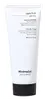
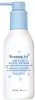
Minimalist Light Fluid SPF 50 Sunscreen Versus Pyunkang Yul Kids & Baby Moisture Sun Cream SPF50+ PA++++
This chemical sunscreen covers the full UV range and blocks ~98% of UVB at SPF 50.
This chemical sunscreen covers the full UV range and blocks ~98% of UVB at SPF 50.


What's inside
What's inside
 Key Ingredients
Benefits
Concerns
Ingredients Side-by-side
Water
Skin ConditioningEthylhexyl Methoxycinnamate
UV Absorber


Diethylamino Hydroxybenzoyl Hexyl Benzoate
UV Filter
Dimethicone
Emollient

Ethoxydiglycol
HumectantMethylene Bis-Benzotriazolyl Tetramethylbutylphenol
UV Filter
Diisopropyl Sebacate
EmollientPropylene Glycol Dicaprylate/Dicaprate
EmollientC12-15 Alkyl Benzoate
AntimicrobialDiisopropyl Adipate
EmollientCyclopentasiloxane
Emollient
Polymethylsilsesquioxane
Vp/Eicosene Copolymer
Isododecane
EmollientPentylene Glycol
Skin Conditioning
Acrylates/Polytrimethylsiloxymethacrylate Copolymer
Skin ConditioningPotassium Cetyl Phosphate
EmulsifyingPhenoxyethanol
Preservative
Acrylates/C10-30 Alkyl Acrylate Crosspolymer
Emulsion StabilisingCarbomer
Emulsion StabilisingPolyacrylate Crosspolymer-6
Emulsion StabilisingEthylhexylglycerin
Skin ConditioningButylene Glycol
Humectant
Sodium Hydroxide
BufferingCaprylyl Methicone
Skin Conditioning
Dimethicone Crosspolymer
Emulsion Stabilising
Decyl Glucoside
Cleansing
Trisodium Ethylenediamine Disuccinate
ChelatingPEG-12 Dimethicone/PPG-20 Crosspolymer
Propylene Glycol
Humectant

Xanthan Gum
EmulsifyingWater, Ethylhexyl Methoxycinnamate, Diethylamino Hydroxybenzoyl Hexyl Benzoate, Dimethicone, Ethoxydiglycol, Methylene Bis-Benzotriazolyl Tetramethylbutylphenol, Diisopropyl Sebacate, Propylene Glycol Dicaprylate/Dicaprate, C12-15 Alkyl Benzoate, Diisopropyl Adipate, Cyclopentasiloxane, Polymethylsilsesquioxane, Vp/Eicosene Copolymer, Isododecane, Pentylene Glycol, Acrylates/Polytrimethylsiloxymethacrylate Copolymer, Potassium Cetyl Phosphate, Phenoxyethanol, Acrylates/C10-30 Alkyl Acrylate Crosspolymer, Carbomer, Polyacrylate Crosspolymer-6, Ethylhexylglycerin, Butylene Glycol, Sodium Hydroxide, Caprylyl Methicone, Dimethicone Crosspolymer, Decyl Glucoside, Trisodium Ethylenediamine Disuccinate, PEG-12 Dimethicone/PPG-20 Crosspolymer, Propylene Glycol, Xanthan Gum
Water
Skin ConditioningDipropylene Glycol
HumectantEthylhexyl Methoxycinnamate
UV Absorber
Homosalate
Skin Conditioning
Bis-Ethylhexyloxyphenol Methoxyphenyl Triazine
UV Absorber
Ethylhexyl Salicylate
UV Absorber
Glycerin
Humectant
Niacinamide
Smoothing









Polyglyceryl-3 Distearate
Emulsifying
Cetyl Alcohol
Emollient
Butyloctyl Salicylate
Skin Conditioning
Aluminum Starch Octenylsuccinate
Absorbent
Macadamia Ternifolia Seed Oil
Emollient
Persea Gratissima Oil
Skin Conditioning
Prunus Amygdalus Dulcis Protein
Skin ConditioningSimmondsia Chinensis Seed Oil
Emollient
Argania Spinosa Kernel Oil
Emollient
Helianthus Annuus Seed Oil
Emollient
Chenopodium Quinoa Seed Extract
Skin Conditioning
Oryza Sativa Bran Extract
Skin Conditioning
Oryza Sativa Germ Extract
EmollientOryza Sativa Extract
Absorbent
Leonurus Sibiricus Flower/Leaf/Stem Extract
SoothingNelumbo Nucifera Flower Extract
Skin ConditioningHouttuynia Cordata Extract
Skin Conditioning
Artemisia Vulgaris Extract
Skin Conditioning
Camellia Sinensis Leaf Extract
Antimicrobial
Hydroxyacetophenone
Antioxidant
Pentylene Glycol
Skin Conditioning
Phaseolus Angularis Seed Extract
Antioxidant
Caprylyl Glycol
Emollient
Caprylic/Capric Triglyceride
Masking
Anastatica Hierochuntica Extract
AstringentArachis Hypogaea Fruit Extract
Skin ConditioningPhaseolus Vulgaris Seed Extract
Skin ConditioningSodium Hyaluronate
Humectant
Vigna Radiata Seed Extract
Skin ConditioningLonicera Japonica Flower Extract
Skin ConditioningLens Esculenta Fruit Extract
Skin ConditioningCetyl Ethylhexanoate
EmollientEthylhexyl Palmitate
Emollient
Arginine
Masking
Brassica Campestris Sterols
EmollientCholesterol
Emollient
Phytosteryl/Behenyl/Octyldodecyl Lauroyl Glutamate
Skin ConditioningHydrogenated Lecithin
Emulsifying
Centella Asiatica Extract
Cleansing
Hydrolyzed Hyaluronic Acid
Humectant
Hydroxypropyltrimonium Hyaluronate
Polyglyceryl-10 Oleate
Skin Conditioning
Ceramide NP
Skin Conditioning
Sodium Hyaluronate Crosspolymer
Humectant
Sodium Acetylated Hyaluronate
Humectant
Ceramide Ns
Skin Conditioning
Ceramide EOP
Skin Conditioning
Dimethicone/Vinyl Dimethicone Crosspolymer
Skin Conditioning
Glyceryl Caprylate
EmollientGlyceryl Stearate
Emollient
Trehalose
Humectant
Potassium Cetyl Phosphate
EmulsifyingSorbitan Sesquioleate
Emulsifying
Tromethamine
BufferingAcrylates/C10-30 Alkyl Acrylate Crosspolymer
Emulsion StabilisingButylene Glycol
Humectant
Carbomer
Emulsion StabilisingGlyceryl Stearate Citrate
Emollient
Salix Alba Bark Extract
Astringent
Polyglyceryl-10 Myristate
Skin Conditioning
Ethylhexylglycerin
Skin ConditioningAdenosine
Skin Conditioning
Disodium EDTA
ChelatingTocopheryl Acetate
Antioxidant
1,2-Hexanediol
Skin Conditioning
Water, Dipropylene Glycol, Ethylhexyl Methoxycinnamate, Homosalate, Bis-Ethylhexyloxyphenol Methoxyphenyl Triazine, Ethylhexyl Salicylate, Glycerin, Niacinamide, Polyglyceryl-3 Distearate, Cetyl Alcohol, Butyloctyl Salicylate, Aluminum Starch Octenylsuccinate, Macadamia Ternifolia Seed Oil, Persea Gratissima Oil, Prunus Amygdalus Dulcis Protein, Simmondsia Chinensis Seed Oil, Argania Spinosa Kernel Oil, Helianthus Annuus Seed Oil, Chenopodium Quinoa Seed Extract, Oryza Sativa Bran Extract, Oryza Sativa Germ Extract, Oryza Sativa Extract, Leonurus Sibiricus Flower/Leaf/Stem Extract, Nelumbo Nucifera Flower Extract, Houttuynia Cordata Extract, Artemisia Vulgaris Extract, Camellia Sinensis Leaf Extract, Hydroxyacetophenone, Pentylene Glycol, Phaseolus Angularis Seed Extract, Caprylyl Glycol, Caprylic/Capric Triglyceride, Anastatica Hierochuntica Extract, Arachis Hypogaea Fruit Extract, Phaseolus Vulgaris Seed Extract, Sodium Hyaluronate, Vigna Radiata Seed Extract, Lonicera Japonica Flower Extract, Lens Esculenta Fruit Extract, Cetyl Ethylhexanoate, Ethylhexyl Palmitate, Arginine, Brassica Campestris Sterols, Cholesterol, Phytosteryl/Behenyl/Octyldodecyl Lauroyl Glutamate, Hydrogenated Lecithin, Centella Asiatica Extract, Hydrolyzed Hyaluronic Acid, Hydroxypropyltrimonium Hyaluronate, Polyglyceryl-10 Oleate, Ceramide NP, Sodium Hyaluronate Crosspolymer, Sodium Acetylated Hyaluronate, Ceramide Ns, Ceramide EOP, Dimethicone/Vinyl Dimethicone Crosspolymer, Glyceryl Caprylate, Glyceryl Stearate, Trehalose, Potassium Cetyl Phosphate, Sorbitan Sesquioleate, Tromethamine, Acrylates/C10-30 Alkyl Acrylate Crosspolymer, Butylene Glycol, Carbomer, Glyceryl Stearate Citrate, Salix Alba Bark Extract, Polyglyceryl-10 Myristate, Ethylhexylglycerin, Adenosine, Disodium EDTA, Tocopheryl Acetate, 1,2-Hexanediol
Reviews
Ingredients Explained
These ingredients are found in both products.
Ingredients higher up in an ingredient list are typically present in a larger amount.
Acrylates/C10-30 Alkyl Acrylate Crosspolymer is a synthetic polymer. It is used to thicken, emulsify, and improve the texture of products.
As an emulsifier, it helps stabilize oil-in-water emulsions to give products an elegant feel when applied.
It can also form a thin protective film on skin. One study found that a formula using this polymer helped slow down how quickly other ingredients (like DEET) were absorbed through skin.
A 2024 study of over 1,300 patients confirmed that sensitization to this ingredient is rare. It is also non-mutagenic and has a clean track record.
Learn more about Acrylates/C10-30 Alkyl Acrylate CrosspolymerButylene Glycol (or BG) is used within cosmetic products for a few different reasons:
Overall, Butylene Glycol is a safe and well-rounded ingredient that works well with other ingredients.
Though this ingredient works well with most skin types, some people with sensitive skin may experience a reaction such as allergic rashes, closed comedones, or itchiness.
Learn more about Butylene GlycolCarbomer is a synthetic thickening and gelling agent. It's basically the ingredient that gives a lot of serums, gels, creams, and sunscreens their smooth, non-sticky texture.
Although legally permitted at very high levels, carbomers are normally used at concentrations below 1%.
It also needs to be neutralized to actually thicken, and because it is a large molecule, it doesn't really penetrate the skin barrier.
Allergy-wise, the risk is very low. Clinical studies show carbomers have low potential for skin irritation/sensitization even at concentrations up to 100%.
A 2024 UK study patch-tested 1,302 patients and found true allergy to the parent group of carbomer to be rare with no confirmed relevant reactions.
Learn more about CarbomerThis ingredient is also known as Octinoxate and is one of the oldest and most widely used chemical UV filters in skincare.
It has a simple job: soap up UVB radiation (290-320 nm), the wavelengths responsible for sunburn and a big chunk of long-term sun damage.
In formulas, it's always paired with a separate UVA filter because octinoxate solely protects skin from UVB.
Because it's an oil-soluble liquid, it's easy to blend into the oil phase of lotions/creams and gives a cosmetically elegant feel.
The one quirk about formulating this ingredient is photostability; the molecule slowly changes shape into a less effective version when sunlight hits it. So the longer you're in the sun, the weaker its protection gets. The drop can be more than 30% in some formulas.
It also doesn't play nice with Avobenzone (the common UVA filter) since avobenzone destabilizes octinoxate and the two degrade each other. But don't worry: brands have solved this issue by adding photostabilizers like Tinosorb S to prevent degradation and keep SPF stable under heavy UV exposure.
The maximum allowed level is 10% in the EU and Australia, 7.5% in the US and Canada, and 20% in Japan.
The Cosmetic Ingredient Review Panel has concluded this ingredient to be safe in cosmetics up to 10%.
One last thing worth knowing for context:
Octinoxate has been the subject of ongoing review in Europe where the Scientific Committee on Consumer Safety's (SCCS) 2025 final opinion is that this ingredient is an endocrine-active substance.
Lab and animal studies suggest it can act a bit like a hormone in the body (mildly mimicking estrogen and slightly blocking male hormones). It's important to know this hasn't really been shown to happen in everyday human use.
This ingredient is also banned in Hawaii over coral reef concerns.
Learn more about Ethylhexyl MethoxycinnamateEthylhexylglycerin is created from glycerin. It is a multitasker ingredient that:
The CIR Expert Panel found minimal skin absorption or sensitization of any kind in a safety assessment. Though this ingredient is considered well-tolerated, a small number of cases of allergic dermatitis have been published since 2002. Just be sure to patch test if you are unsure.
Industry-reported use ranges from 8% in rinse-off products and 2% in leave-on formulations.
Learn more about EthylhexylglycerinPentylene Glycol (1,2-pentanediol) is a multitasking little diol with three main roles in a formula:
Research on alkanediols (the family pentylene glycol belongs to) show they work by disrupting microbial cell membranes. This disruption helps the primary preservative system in a product work more effectively at lower doses.
On the safety side, the Cosmetic Ingredient Review Expert Panel has concluded this ingredient to be safe as used in current cosmetic practices + concentrations.
Typical use levels in a formula run about 1-5%.
Learn more about Pentylene GlycolPotassium Cetyl Phosphate is the potassium salt of a mixture. This mixture consists of the esters from phosphoricacid and cetyl alcohol.
Potassium Cetyl Phosphate is an emulsifier and cleansing agent. Emulsifiers help stabilize a product. It does this by preventing certain ingredients from separating.
As a cleansing agent, Potassium Cetyl Phosphate helps gather oils, dirts, and pollutants from your skin. This makes it easier to rinse them away with water.
Learn more about Potassium Cetyl PhosphateWater. It's the most common cosmetic ingredient of all. You'll usually see it at the top of ingredient lists, meaning that it makes up the largest part of the product.
So why is it so popular? Water most often acts as a solvent - this means that it helps dissolve other ingredients into the formulation.
You'll also recognize water as that liquid we all need to stay alive. If you see this, drink a glass of water. Remember to stay hydrated!
Learn more about Water

