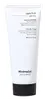
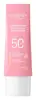
Minimalist Light Fluid SPF 50 Sunscreen Versus Dot & Key Skincare Watermelon Superglow Sunscreen SPF 50 PA+++
This chemical sunscreen covers the full UV range and blocks ~98% of UVB at SPF 50.
This hybrid sunscreen covers the full UV range and blocks ~98% of UVB at SPF 50.

What's inside
What's inside
 Key Ingredients
Benefits
Concerns
Ingredients Side-by-side
Water
Skin ConditioningEthylhexyl Methoxycinnamate
UV Absorber


Diethylamino Hydroxybenzoyl Hexyl Benzoate
UV Filter
Dimethicone
Emollient

Ethoxydiglycol
HumectantMethylene Bis-Benzotriazolyl Tetramethylbutylphenol
UV Filter
Diisopropyl Sebacate
EmollientPropylene Glycol Dicaprylate/Dicaprate
EmollientC12-15 Alkyl Benzoate
AntimicrobialDiisopropyl Adipate
EmollientCyclopentasiloxane
Emollient
Polymethylsilsesquioxane
Vp/Eicosene Copolymer
Isododecane
EmollientPentylene Glycol
Skin Conditioning
Acrylates/Polytrimethylsiloxymethacrylate Copolymer
Skin ConditioningPotassium Cetyl Phosphate
EmulsifyingPhenoxyethanol
Preservative
Acrylates/C10-30 Alkyl Acrylate Crosspolymer
Emulsion StabilisingCarbomer
Emulsion StabilisingPolyacrylate Crosspolymer-6
Emulsion StabilisingEthylhexylglycerin
Skin ConditioningButylene Glycol
Humectant
Sodium Hydroxide
BufferingCaprylyl Methicone
Skin Conditioning
Dimethicone Crosspolymer
Emulsion Stabilising
Decyl Glucoside
Cleansing
Trisodium Ethylenediamine Disuccinate
PEG-12 Dimethicone/PPG-20 Crosspolymer
Propylene Glycol
Humectant

Xanthan Gum
EmulsifyingWater, Ethylhexyl Methoxycinnamate, Diethylamino Hydroxybenzoyl Hexyl Benzoate, Dimethicone, Ethoxydiglycol, Methylene Bis-Benzotriazolyl Tetramethylbutylphenol, Diisopropyl Sebacate, Propylene Glycol Dicaprylate/Dicaprate, C12-15 Alkyl Benzoate, Diisopropyl Adipate, Cyclopentasiloxane, Polymethylsilsesquioxane, Vp/Eicosene Copolymer, Isododecane, Pentylene Glycol, Acrylates/Polytrimethylsiloxymethacrylate Copolymer, Potassium Cetyl Phosphate, Phenoxyethanol, Acrylates/C10-30 Alkyl Acrylate Crosspolymer, Carbomer, Polyacrylate Crosspolymer-6, Ethylhexylglycerin, Butylene Glycol, Sodium Hydroxide, Caprylyl Methicone, Dimethicone Crosspolymer, Decyl Glucoside, Trisodium Ethylenediamine Disuccinate, PEG-12 Dimethicone/PPG-20 Crosspolymer, Propylene Glycol, Xanthan Gum
Water
Skin ConditioningEthylhexyl Methoxycinnamate
UV Absorber
Butyl Methoxydibenzoylmethane
UV Absorber
Benzophenone-3
UV Absorber
Phospholipids
Skin Conditioning
Butylene Glycol
Humectant
Glycerin
Humectant
Zea Mays Starch
Absorbent
C12-15 Alkyl Benzoate
AntimicrobialTitanium Dioxide
Cosmetic Colorant
Silica
Abrasive

Dimethicone
Emollient
Aloe Barbadensis Leaf Juice
Skin Conditioning

Ethylhexyl Palmitate
Emollient


Isopropyl Myristate
Emollient
Citrullus Lanatus Fruit Extract
Skin Conditioning
Acrylates/C10-30 Alkyl Acrylate Crosspolymer
Emulsion StabilisingSorbitan Stearate
Emulsifying
Sucrose Cocoate
Emulsifying
Sodium Lactate
Buffering
Glyceryl Stearate
Emollient
PEG-100 Stearate
Surfactant
Betaine
Humectant
Fructooligosaccharides
Humectant
Beta Vulgaris Root Extract
Skin ConditioningTocopheryl Acetate
Antioxidant


Menthyl Lactate
Masking
Oxothiazolidine
Skin ProtectingPhenoxyethanol
Preservative
Sodium Benzoate
Masking
Sodium Hydroxide
BufferingSodium Gluconate
Skin ConditioningSodium Hyaluronate
Humectant

Water, Ethylhexyl Methoxycinnamate, Butyl Methoxydibenzoylmethane, Benzophenone-3, Phospholipids, Butylene Glycol, Glycerin, Zea Mays Starch, C12-15 Alkyl Benzoate, Titanium Dioxide, Silica, Dimethicone, Aloe Barbadensis Leaf Juice, Ethylhexyl Palmitate, Isopropyl Myristate, Citrullus Lanatus Fruit Extract, Acrylates/C10-30 Alkyl Acrylate Crosspolymer, Sorbitan Stearate, Sucrose Cocoate, Sodium Lactate, Glyceryl Stearate, PEG-100 Stearate, Betaine, Fructooligosaccharides, Beta Vulgaris Root Extract, Tocopheryl Acetate, Menthyl Lactate, Oxothiazolidine, Phenoxyethanol, Sodium Benzoate, Sodium Hydroxide, Sodium Gluconate, Sodium Hyaluronate
Reviews
Ingredients Explained
These ingredients are found in both products.
Ingredients higher up in an ingredient list are typically present in a larger amount.
Acrylates/C10-30 Alkyl Acrylate Crosspolymer is a synthetic polymer. It is used to thicken, emulsify, and improve the texture of products.
As an emulsifier, it helps stabilize oil-in-water emulsions to give products an elegant feel when applied.
It can also form a thin protective film on skin. One study found that a formula using this polymer helped slow down how quickly other ingredients (like DEET) were absorbed through skin.
A 2024 study of over 1,300 patients confirmed that sensitization to this ingredient is rare. It is also non-mutagenic and has a clean track record.
Learn more about Acrylates/C10-30 Alkyl Acrylate CrosspolymerButylene Glycol (or BG) is used within cosmetic products for a few different reasons:
Overall, Butylene Glycol is a safe and well-rounded ingredient that works well with other ingredients.
Though this ingredient works well with most skin types, some people with sensitive skin may experience a reaction such as allergic rashes, closed comedones, or itchiness.
Learn more about Butylene GlycolC12-15 Alkyl Benzoate is a lightweight emollient made by combinig benzoic acid with fatty alcohols that are 12-15 carbons long.
In cosmetics, it plays several roles:
The Cosmetic Review Expert Panel has concluded the alkyl benzoate group to be safe as used in cosmetics; it wasn't found to be a skin irritant and unlikely to be absorbed due to its low water solubility.
This report recorded almost 1000 reported uses with concentrations up to 59% in leave-on products but your cosmetics will typically use 0.5-15% depending on the product.
It's often called a "SPF booster": this is because it keeps UV filters properly dissolved and evenly distributed to support a sunscreen's performance. It doesn't actually raise SPF on its own.
Overall, this ingredient is well tolerated.
This ingredient is fungal acne safe because it is an ester of benzoic acid.
Think of this ingredient as two parts stuck together: an oily part and an acid part. Malassezia only gets a meal when it can snip off a fatty acid to eat. With C12-15 Alkyl Benzoate, the acid part is benzoic acid, which isn't a fatty acid and which the yeast can't use as food.
Benzoic acid is actually used as a preservative to stop yeast from growing.
The oily part is a blend of C12-15 fatty alcohols but fatty alcohols in this size range can support only a little Malassezia growth (mostly for one species of Malassezia as well).
In the ingredient, those alcohols stay locked inside the molecule. The yeast can only reach them by snipping the benzoate bond, and that type of bond is harder for it to cut than a normal fatty bond.
So not much gets released. And whatever does get snipped comes packaged with benzoic acid, which discourages yeast growth.
Learn more about C12-15 Alkyl BenzoateDimethicone is a type of synthetic silicone created from natural materials such as quartz. It is also known as polydimethylsiloxane.
What it does:
Dimethicone comes in different viscosities:
Depending on the viscosity, dimethicone has different properties.
Ingredients lists don't always show which type is used, so we recommend reaching out to the brand if you have questions about the viscosity.
This ingredient is unlikely to cause irritation because it does not get absorbed into skin. However, people with silicone allergies should be careful about using this ingredient.
Note: Dimethicone may contribute to pilling. This is because it is not oil or water soluble, so pilling may occur when layered with products. When mixed with heavy oils in a formula, the outcome is also quite greasy.
Learn more about DimethiconeThis ingredient is also known as Octinoxate and is one of the oldest and most widely used chemical UV filters in skincare.
It has a simple job: soap up UVB radiation (290-320 nm), the wavelengths responsible for sunburn and a big chunk of long-term sun damage.
In formulas, it's always paired with a separate UVA filter because octinoxate solely protects skin from UVB.
Because it's an oil-soluble liquid, it's easy to blend into the oil phase of lotions/creams and gives a cosmetically elegant feel.
The one quirk about formulating this ingredient is photostability; the molecule slowly changes shape into a less effective version when sunlight hits it. So the longer you're in the sun, the weaker its protection gets. The drop can be more than 30% in some formulas.
It also doesn't play nice with Avobenzone (the common UVA filter) since avobenzone destabilizes octinoxate and the two degrade each other. But don't worry: brands have solved this issue by adding photostabilizers like Tinosorb S to prevent degradation and keep SPF stable under heavy UV exposure.
The maximum allowed level is 10% in the EU and Australia, 7.5% in the US and Canada, and 20% in Japan.
The Cosmetic Ingredient Review Panel has concluded this ingredient to be safe in cosmetics up to 10%.
One last thing worth knowing for context:
Octinoxate has been the subject of ongoing review in Europe where the Scientific Committee on Consumer Safety's (SCCS) 2025 final opinion is that this ingredient is an endocrine-active substance.
Lab and animal studies suggest it can act a bit like a hormone in the body (mildly mimicking estrogen and slightly blocking male hormones). It's important to know this hasn't really been shown to happen in everyday human use.
This ingredient is also banned in Hawaii over coral reef concerns.
Learn more about Ethylhexyl MethoxycinnamatePhenoxyethanol is one of the most widely used preservatives in skincare (and for good reason!).
It has a large spectrum of antimicrobial activity and especially effective bacteria, yeast, and mold while only having a weak effect on your skin's natural microbiome.
On a cellular level, it disrupts the cell membranes of microbes by poking holes that make the cell leak. This shuts down the chemical reactions the microbe needs to make energy so it can no longer survive.
Another perk of this ingredient is that it stays functional across a wide pH range (3-10).
You'll often see it paired with boosters like Ethylhexylglycerin; one study showed that a 1:9 ratio of Ethylhexylglycerin to Phenoxyethanol damages bacterial membranes as effectively as doubling the Phenoxyethanol concentration on its own.
Typical use concentrations range from 0.3-1% depending on the formula, and this ingredient is capped at 1% int the EU.
Safety-wise, the fear mongering does not hold up to the evidence. The EU's Scientific Committee on Consumer Safety and FDA consider it safe as a preservative at up to 1%, including for children of all ages.
Adverse systemic effects only showed up in animal studies at exposures roughly 200x higher than what people get from cosmetics. And despite its very widespread use, this ingredient is a rare sensitizer and allergic reactions are uncommon.
Learn more about PhenoxyethanolSodium Hydroxide is also known as lye or caustic soda. It is used to adjust the pH of products; many ingredients require a specific pH to be effective.
In small amounts, sodium hydroxide is considered safe to use. However, large amounts may cause chemical burns due to its high alkaline.
Your skin has a natural pH and acid mantle. This acid mantle helps prevent harmful bacteria from breaking through. The acid mantle also helps keep your skin hydrated.
"Alkaline" refers to a high pH level. A low pH level would be considered acidic.
Learn more about Sodium HydroxideWater. It's the most common cosmetic ingredient of all. You'll usually see it at the top of ingredient lists, meaning that it makes up the largest part of the product.
So why is it so popular? Water most often acts as a solvent - this means that it helps dissolve other ingredients into the formulation.
You'll also recognize water as that liquid we all need to stay alive. If you see this, drink a glass of water. Remember to stay hydrated!
Learn more about Water

