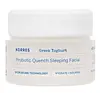
This hydrating overnight mask is formulated around 4-T-Butylcyclohexanol and Linoleic Acid to hydrate skin and strengthen the skin barrier.


What's inside
What's inside
 Key Ingredients
Benefits
Concerns
Ingredients Side-by-side
Water
Skin ConditioningGlycerin
Humectant


Glyceryl Stearate Citrate
Emollient

Hexyldecyl Stearate
EmollientTriheptanoin
Skin ConditioningBehenyl Alcohol
Emollient
Glyceryl Stearate
Emollient
Isodecyl Neopentanoate
EmollientC10-18 Triglycerides
Emollient
Acacia Decurrens/Jojoba/Sunflower Seed Wax Polyglyceryl-3 Esters
EmollientLecithin
Emollient
Simmondsia Chinensis Seed Oil
Emollient
Salvia Hispanica Seed Oil
Emollient
Aloe Barbadensis Leaf Juice Powder
Skin Conditioning

Acrylates/C10-30 Alkyl Acrylate Crosspolymer
Emulsion StabilisingAlgin
MaskingAlpha-Glucan Oligosaccharide
Cleansing
Ascorbic Acid
Antioxidant





Ascorbyl Tetraisopalmitate
Antioxidant
Bisabolol
Antioxidant
Caprylyl Glycol
Emollient
Cetearyl Alcohol
Emollient



Chlorella Vulgaris Extract
Skin ConditioningDisodium Phosphate
BufferingDistarch Phosphate
AbsorbentGalactoarabinan
Glyceryl Polyacrylate
Glycine Soja Oil
Emollient
Glycine Soja Sterols
Emollient
Hydrolyzed Sodium Hyaluronate
Skin Conditioning
Hydroxyethyl Acrylate/Sodium Acryloyldimethyl Taurate Copolymer
Emulsion StabilisingLactic Acid
Buffering



Lactobacillus
Skin ConditioningLaminaria Digitata Extract
Skin Protecting
Lonicera Caprifolium Flower Extract
Perfuming
Lonicera Japonica Flower Extract
Skin ConditioningMaltodextrin
Absorbent
Maris Aqua
HumectantMenthyl Lactate
Masking
Panthenol
Skin Conditioning
Pentylene Glycol
Skin Conditioning
Phenethyl Alcohol
MaskingPolyglyceryl-3 Diisostearate
Emulsifying
Polymnia Sonchifolia Root Juice
Skin ConditioningPolysorbate 60
Emulsifying
Potassium Phosphate
BufferingPullulan
Rosmarinus Officinalis Leaf Extract
AntimicrobialSaccharide Isomerate
Humectant
Serine
Masking
Sodium Carboxymethyl Beta-Glucan
CleansingSodium Hyaluronate
Humectant
Sodium Hydroxide
BufferingSorbitan Isostearate
Emulsifying
Tetrasodium Glutamate Diacetate
ChelatingTocopherol
Antioxidant
Tocopheryl Acetate
Antioxidant
Trehalose
Humectant
Urea
Buffering
Xanthan Gum
EmulsifyingYogurt
Skin ProtectingYogurt Powder
Zingiber Officinale Root Extract
Masking
Benzyl Alcohol
Perfuming



Phenoxyethanol
Preservative
Salicylic Acid
Masking


Sorbic Acid
Preservative
Parfum
Masking
Water, Glycerin, Glyceryl Stearate Citrate, Hexyldecyl Stearate, Triheptanoin, Behenyl Alcohol, Glyceryl Stearate, Isodecyl Neopentanoate, C10-18 Triglycerides, Acacia Decurrens/Jojoba/Sunflower Seed Wax Polyglyceryl-3 Esters, Lecithin, Simmondsia Chinensis Seed Oil, Salvia Hispanica Seed Oil, Aloe Barbadensis Leaf Juice Powder, Acrylates/C10-30 Alkyl Acrylate Crosspolymer, Algin, Alpha-Glucan Oligosaccharide, Ascorbic Acid, Ascorbyl Tetraisopalmitate, Bisabolol, Caprylyl Glycol, Cetearyl Alcohol, Chlorella Vulgaris Extract, Disodium Phosphate, Distarch Phosphate, Galactoarabinan, Glyceryl Polyacrylate, Glycine Soja Oil, Glycine Soja Sterols, Hydrolyzed Sodium Hyaluronate, Hydroxyethyl Acrylate/Sodium Acryloyldimethyl Taurate Copolymer, Lactic Acid, Lactobacillus, Laminaria Digitata Extract, Lonicera Caprifolium Flower Extract, Lonicera Japonica Flower Extract, Maltodextrin, Maris Aqua, Menthyl Lactate, Panthenol, Pentylene Glycol, Phenethyl Alcohol, Polyglyceryl-3 Diisostearate, Polymnia Sonchifolia Root Juice, Polysorbate 60, Potassium Phosphate, Pullulan, Rosmarinus Officinalis Leaf Extract, Saccharide Isomerate, Serine, Sodium Carboxymethyl Beta-Glucan, Sodium Hyaluronate, Sodium Hydroxide, Sorbitan Isostearate, Tetrasodium Glutamate Diacetate, Tocopherol, Tocopheryl Acetate, Trehalose, Urea, Xanthan Gum, Yogurt, Yogurt Powder, Zingiber Officinale Root Extract, Benzyl Alcohol, Phenoxyethanol, Salicylic Acid, Sorbic Acid, Parfum
Water
Skin ConditioningGlycerin
Humectant
Pentylene Glycol
Skin Conditioning
Caprylic/Capric Triglyceride
Masking
Vaccinium Myrtillus Seed Oil
Skin Conditioning
Butyrospermum Parkii Butter
Skin Conditioning
Diisostearyl Malate
EmollientGlyceryl Behenate
Emollient
4-T-Butylcyclohexanol
Masking
Linoleic Acid
Cleansing
Phospholipids
Skin Conditioning
Phytosterols
Skin Conditioning
Epilobium Angustifolium Flower/Leaf/Stem Extract
Skin ConditioningHibiscus Sabdariffa Callus Extract
Antioxidant
Urea
Buffering
Yeast Amino Acids
HumectantTrehalose
Humectant
Inositol
Humectant
Taurine
BufferingBetaine
Humectant
Tocopherol
Antioxidant
Jojoba Esters
Emollient
Allantoin
Skin Conditioning
Helianthus Annuus Seed Wax
Skin Conditioning
Erythritol
Humectant
Ethylhexylglycerin
Skin ConditioningButylene Glycol
Humectant
Polyglycerin-3
Humectant
Hydroxyphenyl Propamidobenzoic Acid
Skin ConditioningArachidyl Alcohol
Emollient
Hectorite
AbsorbentGlyceryl Stearates
Emollient
Cetearyl Alcohol
Emollient
Cetyl Alcohol
Emollient
Stearyl Alcohol
Emollient
Behenyl Alcohol
Emollient
Coco-Glucoside
Cleansing
Sodium Stearoyl Glutamate
CleansingAcrylates/C10-30 Alkyl Acrylate Crosspolymer
Emulsion StabilisingArachidyl Glucoside
EmulsifyingXanthan Gum
EmulsifyingTetrasodium Glutamate Diacetate
ChelatingSodium Hydroxide
BufferingCitric Acid
Buffering
Leuconostoc/Radish Root Ferment Filtrate
Antimicrobial
Glucose
Humectant
Ascorbyl Palmitate
Antioxidant
Aspergillus Ferment
Skin ConditioningChlorphenesin
Antimicrobial
Water, Glycerin, Pentylene Glycol, Caprylic/Capric Triglyceride, Vaccinium Myrtillus Seed Oil, Butyrospermum Parkii Butter, Diisostearyl Malate, Glyceryl Behenate, 4-T-Butylcyclohexanol, Linoleic Acid, Phospholipids, Phytosterols, Epilobium Angustifolium Flower/Leaf/Stem Extract, Hibiscus Sabdariffa Callus Extract, Urea, Yeast Amino Acids, Trehalose, Inositol, Taurine, Betaine, Tocopherol, Jojoba Esters, Allantoin, Helianthus Annuus Seed Wax, Erythritol, Ethylhexylglycerin, Butylene Glycol, Polyglycerin-3, Hydroxyphenyl Propamidobenzoic Acid, Arachidyl Alcohol, Hectorite, Glyceryl Stearates, Cetearyl Alcohol, Cetyl Alcohol, Stearyl Alcohol, Behenyl Alcohol, Coco-Glucoside, Sodium Stearoyl Glutamate, Acrylates/C10-30 Alkyl Acrylate Crosspolymer, Arachidyl Glucoside, Xanthan Gum, Tetrasodium Glutamate Diacetate, Sodium Hydroxide, Citric Acid, Leuconostoc/Radish Root Ferment Filtrate, Glucose, Ascorbyl Palmitate, Aspergillus Ferment, Chlorphenesin
Ingredients Explained
These ingredients are found in both products.
Ingredients higher up in an ingredient list are typically present in a larger amount.
Acrylates/C10-30 Alkyl Acrylate Crosspolymer is a synthetic polymer. It is used to thicken, emulsify, and improve the texture of products.
As an emulsifier, it helps stabilize oil-in-water emulsions to give products an elegant feel when applied.
It can also form a thin protective film on skin. One study found that a formula using this polymer helped slow down how quickly other ingredients (like DEET) were absorbed through skin.
A 2024 study of over 1,300 patients confirmed that sensitization to this ingredient is rare. It is also non-mutagenic and has a clean track record.
Learn more about Acrylates/C10-30 Alkyl Acrylate CrosspolymerBehenyl Alcohol is a type of fatty alcohol (these are different from the drying, solvent alcohols).
Fatty Alcohols have hydrating properties and are most often used as an emollient or to thicken a product. They are usually derived from natural fats and oils; behenyl alcohol is derived from the fats of vegetable oils.
Emollients help keep your skin soft and hydrated by creating a film that traps moisture in.
In 2000, Behenyl Alcohol was approved by the US as medicine to reduce the duration of cold sores.
Learn more about Behenyl AlcoholCetearyl alcohol is a waxy mixture of two fatty alcohols: cetyl alcohol and stearyl alcohol. It is an emollient and emulsifier.
Despite having "alcohol" in its name, it has nothing to do with drying solvent alcohols; the FDA also allows "alcohol-free" products to contain fatty alcohols like this ingredient.
It plays several roles in a formula:
Typical use levels for this ingredient sit around 1-10% and the Cosmetic Ingredient Review Expert Panel has affirmed safety at concentrations up to 25% in leave-on products.
Multiple assessments have found it to be non-irritating and non-sensitizing to most people.
However, there have been some cases of allergic contact dermatitis in patients with chronically compromised skin barriers.
Cetearyl alcohol has a comedogenic rating of 2 and irritancy rating of 1. Both of these numbers come from the 1989 study that used rabbit ears; a "2" means mildly comedogenic and a "1" means low irritancy.
Here's the catch: rabbit skin is more sensitive than human skin and throws a lot of false positives. A 1996 reappraisal found that ingredients rated 1-2 in the rabbit ear tests are generally safe for humans.
Remember comedogenic ratings are unable to assess the entire formula of a product or how it will react on your skin. Just be sure to patch test if you are unsure about certain ingredients.
This ingredient is not fungal acne safe. Cetearyl alcohol is a fatty alcohol with chain lengths that fall within the range that Malassezia can metabolize.
A 2019 study has also observed Malassezia growth in the presence of this ingredient, confirming it to be not-fungal acne safe.
Learn more about Cetearyl AlcoholGlycerin (or glycerol) is a compound naturally found in your skin. It's a powerhouse humectant that pulls water into the stratum corneum.
Topically, glycerin does several things at once:
Your skin makes glycerin on its own (mostly from sebaceous oil breakdown) and shuttles it to your outermost layer of skin, or your epidermis, via aquaporin-3.
Aquaporin-3 is a transporter that is essential for normal skin hydration, elasticity, and repair. Interestingly, mice lacking in AQP3 have dry and less elastic skin that can be fully corrected with glycerin.
This ingredient is non-irritating, plays well with almost every ingredient, and works across all skin types. Typical use is anywhere between 3-10% but can go up to 79% in some leave-on products.
Just know very high concentrations (>40%) can feel tacky in low humidity.
Glycerin is the name for this ingredient in American English. British English uses Glycerol/Glycerine.
Learn more about GlycerinPentylene Glycol (1,2-pentanediol) is a multitasking little diol with three main roles in a formula:
Research on alkanediols (the family pentylene glycol belongs to) show they work by disrupting microbial cell membranes. This disruption helps the primary preservative system in a product work more effectively at lower doses.
On the safety side, the Cosmetic Ingredient Review Expert Panel has concluded this ingredient to be safe as used in current cosmetic practices + concentrations.
Typical use levels in a formula run about 1-5%.
Learn more about Pentylene GlycolSodium Hydroxide is also known as lye or caustic soda. It is used to adjust the pH of products; many ingredients require a specific pH to be effective.
In small amounts, sodium hydroxide is considered safe to use. However, large amounts may cause chemical burns due to its high alkaline.
Your skin has a natural pH and acid mantle. This acid mantle helps prevent harmful bacteria from breaking through. The acid mantle also helps keep your skin hydrated.
"Alkaline" refers to a high pH level. A low pH level would be considered acidic.
Learn more about Sodium HydroxideTetrasodium Glutamate Diacetate is a chelating agent. Chelating agents help prevent metal ions from binding to other ingredients. This helps prevent unwanted effects and reactions from a product. These metal ions may come from water and are found in miniscule amounts.
Tetrasodium Glutamate Diacetate can also help other preservatives be more effective.
Tocopherol is a fat-soluble antioxidant known as Vitamin E.
You'll find this ingredient in the vast majority of skincare (for good reason). It works to neutralize free radicals, or unstable molecules generated by UV exposure, pollution, and other environmental stressors, before they can cause oxidative damage to your skin cells.
Topically applied tocopherol has been shown to protect against UV damage by ramping up the skin's own natural defense enzymes.
It also acts as a skin conditioning agent; some studies show that regular topical use can improve the skin's water-binding capacity over 2-4 weeks.
This ingredient is especially loved for being a team player. When combined with Vitamin C, the photoprotective effect of both ingredients roughly doubles and the combo also helps reduce UV-induced DNA damage.
This ingredient has some brightening potential but it's more of a prevention ingredient than spot-fader. Cell studies show it can slow down melanin production but it's worth noting that it's not the most powerful brightener out there.
In formulations, it also serves as a stabilizer that helps protect other oxidation-prone ingredients from degrading.
Concentrations usually range from 0.1-1% in most leave-on products.
Learn more about TocopherolTrehalose is a disaccharide made of two glucose molecules (glucose is sugar!). Trehalose is used to help moisturize skin. It also has antioxidant properties.
As a humectant, trehalose helps draw moisture from the air to your skin. This helps keep your skin hydrated.
Due to its antioxidant properties, trehalose may help with signs of aging. Antioxidants help fight free-radical molecules, unstable molecules that may damage your skin.
In medicine, trehalose and hyaluronic acid are used to help treat dry eyes.
Some animals, plants, and bacteria create trehalose as a source of energy to survive freeze or lack of water.
Learn more about TrehaloseUrea is also called carbamide and is the diamide of carbonic acid. In cosmetics, urea is used to hydrate the skin. It also provides exfoliation in higher concentrations.
As a humectant, urea helps draw moisture from the air and from deep within the skin. This helps hydrate your skin. Studies show urea is an effective moisturizer for dry skin conditions. 40% urea is typical in medications for treating eczema and other skin conditions.
Urea has the strongest exfoliation effect in concentrations higher than 10%. It is a keratolytic agent, meaning it breaks down the keratin protein in the top layer of skin. This helps remove dead skin cells and flaking skin.
In medicine, urea has been shown to help increase the potency of other ingredients, such as fungal treatments.
Humans and animals use urea to metabolize nitrogen-containing compounds. Urea is highly soluble in water. Once dissolved, it is neither acidic nor alkaline.
Urea is actually one of the more well-studied and well-supported ingredients out there if you have eczema.
Clinical trials have shown that urea creams in the 5 - 10% range can:
Higher concentrations (20 -30%) can also help with thickened, scaly patches but is also more likely to sting on active flares.
Skip urea if you have rosacea. The AAD (American Academy of Dermatology) lists it alongside alcohol, menthol, and fragrance as a potential irritant for rosacea-prone skin. Urea's keratolytic and penetration-enhancing properties can trigger stinging, burning, and redness.
As always, your skin is unique, so definitely check in with your dermatologist.
Learn more about UreaWater. It's the most common cosmetic ingredient of all. You'll usually see it at the top of ingredient lists, meaning that it makes up the largest part of the product.
So why is it so popular? Water most often acts as a solvent - this means that it helps dissolve other ingredients into the formulation.
You'll also recognize water as that liquid we all need to stay alive. If you see this, drink a glass of water. Remember to stay hydrated!
Learn more about WaterXanthan gum is used as a stabilizer and thickener within cosmetic products. It helps give products a sticky, thick feeling - preventing them from being too runny.
On the technical side of things, xanthan gum is a polysaccharide - a combination consisting of multiple sugar molecules bonded together.
Xanthan gum is a pretty common and great ingredient. It is a natural, non-toxic, non-irritating ingredient that is also commonly used in food products.
Learn more about Xanthan Gum

