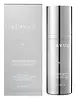
This brightening serum is formulated around Niacinamide and Bifida Ferment Lysate to brighten dull-looking skin and hydrate skin.
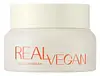
This anti-aging moisturizer is formulated around Niacinamide and Ceramide NP to soften the look of wrinkles and hydrate skin.

What's inside
What's inside
 Key Ingredients
Benefits
Concerns
Ingredients Side-by-side
Water
Skin ConditioningGlycerin
Humectant


Dipropylene Glycol
HumectantGlycereth-26
Humectant
Methylpropanediol
SolventCyclopentasiloxane
Emollient
Niacinamide
Smoothing









Bifida Ferment Lysate
Skin Conditioning
Raffinose
Skin ConditioningDioscorea Japonica Root Extract
Skin Conditioning
1,2-Hexanediol
Skin Conditioning
Diglycerin
Humectant
Bis-PEG-18 Methyl Ether Dimethyl Silane
EmollientPentylene Glycol
Skin Conditioning
Piper Methysticum Leaf/Root/Stem Extract
Skin ConditioningBeta Vulgaris Root Extract
Skin ConditioningPhellinus Linteus Extract
Skin ConditioningArctium Lappa Root Extract
Skin Conditioning
Portulaca Oleracea Extract
Skin Conditioning
Pueraria Thunbergiana Root Extract
Skin ConditioningGlycyrrhiza Glabra Root Extract
Bleaching
Paeonia Lactiflora Extract
AstringentCnidium Officinale Root Extract
Skin ConditioningBrassica Oleracea Italica Sprout Extract
EmollientBrassica Campestris Sprout Extract
HumectantBrassica Oleracea Acephala Leaf Extract
HumectantHelianthus Annuus Sprout Extract
Skin ConditioningPearl Extract
Antioxidant
Sargassum Muticum Extract
Skin ProtectingHypnea Musciformis Extract
Skin Protecting

Ulva Lactuca Extract
Skin ConditioningEcklonia Cava Extract
Skin Conditioning
Codium Tomentosum Extract
Skin ProtectingAgarum Cribrosum Extract
Skin ConditioningEnteromorpha Compressa Extract
Skin Protecting
Laminaria Japonica Extract
Skin Protecting
Dunaliella Salina Extract
Skin ConditioningSargassum Fulvellum Extract
Skin ConditioningPorphyra Yezoensis Extract
Skin ConditioningFucus Vesiculosus Extract
Emollient
Laminaria Saccharina Extract
Skin Protecting
Spirulina Maxima Extract
SmoothingJania Rubens Extract
Skin Conditioning
Gelidium Amansii Extract
Skin Conditioning
Macrocystis Pyrifera Extract
Skin Conditioning
Algae Extract
Emollient
Kjellmaniella Gyrata Extract
Skin ConditioningLaminaria Ochroleuca Extract
Skin Conditioning
Chlorella Vulgaris Extract
Skin ConditioningSargassum Fusiforme Extract
Skin Protecting
Salicornia Herbacea Extract
Skin ConditioningPikea Robusta Extract
Antioxidant
Hydrolyzed Algae Extract
Skin ConditioningHydrolyzed Ulva Lactuca Extract
Skin ConditioningHaematococcus Pluvialis Extract
Antioxidant
Laminaria Digitata Extract
Skin Protecting
Hydrogenated Lecithin
Emulsifying
Soluble Collagen
Humectant
Aloe Barbadensis Leaf Juice
Skin Conditioning
Argania Spinosa Kernel Oil
Emollient


Sodium Hyaluronate
Humectant
Dimethicone
Emollient
Mica
Cosmetic ColorantDimethicone Crosspolymer
Emulsion Stabilising
Hydrolyzed Corn Starch
HumectantButylene Glycol
Humectant
CI 77891
Cosmetic ColorantAcrylates/C10-30 Alkyl Acrylate Crosspolymer
Emulsion StabilisingTromethamine
BufferingCeramide NP
Skin Conditioning
Ethylhexylglycerin
Skin ConditioningPolyquaternium-51
Skin Conditioning
Glycosyl Trehalose
Emulsion StabilisingLaureth-4
Emulsifying
Squalane
Emollient
Hydrogenated Polyisobutene
EmollientLaureth-23
Cleansing
Glyceryl Polymethacrylate
Xanthan Gum
EmulsifyingPEG-10 Rapeseed Sterol
CleansingAlcohol
Antimicrobial


Hydrogenated Starch Hydrolysate
HumectantBiosaccharide Gum-1
Humectant
Adenosine
Skin Conditioning
Isononyl Isononanoate
EmollientPolyglyceryl-10 Stearate
Skin Conditioning
Lecithin
Emollient
Cetearyl Alcohol
Emollient


Sodium Polyacrylate
Absorbent
Butyrospermum Parkii Butter
Skin Conditioning
Stearic Acid
Cleansing
Polyglyceryl-2 Dipolyhydroxystearate
Skin Conditioning
Pvm/Ma Copolymer
Emulsion StabilisingGlyceryl Stearate
Emollient
Carbomer
Emulsion StabilisingGlycereth-20
HumectantPolysorbate 20
Emulsifying
Lactobacillus/Algae Extract Ferment
Skin ProtectingMacrocystis Pyrifera Protein
Skin ConditioningAlgae Oligosaccharides
Skin ConditioningChlorella Ferment
Skin Conditioning
Inulin Lauryl Carbamate
Emulsion StabilisingAcetic Acid
BufferingLactic Acid
Buffering
Disodium Stearoyl Glutamate
CleansingPalmitoyl Pentapeptide-4
Skin Conditioning
Parfum
Masking

Potassium Sorbate
Preservative
Water, Glycerin, Dipropylene Glycol, Glycereth-26, Methylpropanediol, Cyclopentasiloxane, Niacinamide, Bifida Ferment Lysate, Raffinose, Dioscorea Japonica Root Extract, 1,2-Hexanediol, Diglycerin, Bis-PEG-18 Methyl Ether Dimethyl Silane, Pentylene Glycol, Piper Methysticum Leaf/Root/Stem Extract, Beta Vulgaris Root Extract, Phellinus Linteus Extract, Arctium Lappa Root Extract, Portulaca Oleracea Extract, Pueraria Thunbergiana Root Extract, Glycyrrhiza Glabra Root Extract, Paeonia Lactiflora Extract, Cnidium Officinale Root Extract, Brassica Oleracea Italica Sprout Extract, Brassica Campestris Sprout Extract, Brassica Oleracea Acephala Leaf Extract, Helianthus Annuus Sprout Extract, Pearl Extract, Sargassum Muticum Extract, Hypnea Musciformis Extract, Ulva Lactuca Extract, Ecklonia Cava Extract, Codium Tomentosum Extract, Agarum Cribrosum Extract, Enteromorpha Compressa Extract, Laminaria Japonica Extract, Dunaliella Salina Extract, Sargassum Fulvellum Extract, Porphyra Yezoensis Extract, Fucus Vesiculosus Extract, Laminaria Saccharina Extract, Spirulina Maxima Extract, Jania Rubens Extract, Gelidium Amansii Extract, Macrocystis Pyrifera Extract, Algae Extract, Kjellmaniella Gyrata Extract, Laminaria Ochroleuca Extract, Chlorella Vulgaris Extract, Sargassum Fusiforme Extract, Salicornia Herbacea Extract, Pikea Robusta Extract, Hydrolyzed Algae Extract, Hydrolyzed Ulva Lactuca Extract, Haematococcus Pluvialis Extract, Laminaria Digitata Extract, Hydrogenated Lecithin, Soluble Collagen, Aloe Barbadensis Leaf Juice, Argania Spinosa Kernel Oil, Sodium Hyaluronate, Dimethicone, Mica, Dimethicone Crosspolymer, Hydrolyzed Corn Starch, Butylene Glycol, CI 77891, Acrylates/C10-30 Alkyl Acrylate Crosspolymer, Tromethamine, Ceramide NP, Ethylhexylglycerin, Polyquaternium-51, Glycosyl Trehalose, Laureth-4, Squalane, Hydrogenated Polyisobutene, Laureth-23, Glyceryl Polymethacrylate, Xanthan Gum, PEG-10 Rapeseed Sterol, Alcohol, Hydrogenated Starch Hydrolysate, Biosaccharide Gum-1, Adenosine, Isononyl Isononanoate, Polyglyceryl-10 Stearate, Lecithin, Cetearyl Alcohol, Sodium Polyacrylate, Butyrospermum Parkii Butter, Stearic Acid, Polyglyceryl-2 Dipolyhydroxystearate, Pvm/Ma Copolymer, Glyceryl Stearate, Carbomer, Glycereth-20, Polysorbate 20, Lactobacillus/Algae Extract Ferment, Macrocystis Pyrifera Protein, Algae Oligosaccharides, Chlorella Ferment, Inulin Lauryl Carbamate, Acetic Acid, Lactic Acid, Disodium Stearoyl Glutamate, Palmitoyl Pentapeptide-4, Parfum, Potassium Sorbate
Water
Skin ConditioningGlycerin
Humectant
Caprylic/Capric Triglyceride
Masking
Vinyldimethicone
Cetyl Ethylhexanoate
EmollientNiacinamide
Smoothing
Polyglyceryl-3 Methylglucose Distearate
Emulsifying
Pentylene Glycol
Skin Conditioning
Cyclohexasiloxane
Emollient
1,2-Hexanediol
Skin Conditioning
Butyrospermum Parkii Butter
Skin Conditioning
Cocos Nucifera Oil
Masking
Chlorella Vulgaris Extract
Skin ConditioningHydrolyzed Pea Protein
EmollientOlea Europaea Fruit Oil
Masking
Vincetoxicum Atratum Extract
Skin ConditioningAlthaea Rosea Flower Extract
Skin ConditioningGlyceryl Stearate
Emollient
Propanediol
Solvent
Cetearyl Olivate
Polymethylsilsesquioxane
Sorbitan Olivate
Emulsifying
Dimethiconol
Emollient
Hydroxyethyl Acrylate/Sodium Acryloyldimethyl Taurate Copolymer
Emulsion StabilisingTromethamine
BufferingGlucose
Humectant
Hydroxyacetophenone
Antioxidant
Butylene Glycol
Humectant
Fructooligosaccharides
Humectant
Fructose
Humectant
Panthenol
Skin Conditioning
Glyceryl Acrylate/Acrylic Acid Copolymer
HumectantAdenosine
Skin Conditioning
Hydrogenated Lecithin
Emulsifying
Sodium Phytate
ChelatingHydrolyzed Extensin
Skin ConditioningSorbitan Isostearate
Emulsifying
Phytosterols
Skin Conditioning
Ceramide NP
Skin Conditioning
Lecithin
Emollient
Squalane
Emollient
Ethylhexylglycerin
Skin ConditioningPolyquaternium-80
CleansingSodium Chloride
MaskingCetearyl Alcohol
Emollient
Behenyl Alcohol
Emollient
Carbomer
Emulsion StabilisingXanthan Gum
EmulsifyingWater, Glycerin, Caprylic/Capric Triglyceride, Vinyldimethicone, Cetyl Ethylhexanoate, Niacinamide, Polyglyceryl-3 Methylglucose Distearate, Pentylene Glycol, Cyclohexasiloxane, 1,2-Hexanediol, Butyrospermum Parkii Butter, Cocos Nucifera Oil, Chlorella Vulgaris Extract, Hydrolyzed Pea Protein, Olea Europaea Fruit Oil, Vincetoxicum Atratum Extract, Althaea Rosea Flower Extract, Glyceryl Stearate, Propanediol, Cetearyl Olivate, Polymethylsilsesquioxane, Sorbitan Olivate, Dimethiconol, Hydroxyethyl Acrylate/Sodium Acryloyldimethyl Taurate Copolymer, Tromethamine, Glucose, Hydroxyacetophenone, Butylene Glycol, Fructooligosaccharides, Fructose, Panthenol, Glyceryl Acrylate/Acrylic Acid Copolymer, Adenosine, Hydrogenated Lecithin, Sodium Phytate, Hydrolyzed Extensin, Sorbitan Isostearate, Phytosterols, Ceramide NP, Lecithin, Squalane, Ethylhexylglycerin, Polyquaternium-80, Sodium Chloride, Cetearyl Alcohol, Behenyl Alcohol, Carbomer, Xanthan Gum
Reviews
Ingredients Explained
These ingredients are found in both products.
Ingredients higher up in an ingredient list are typically present in a larger amount.
1,2-Hexanediol is a synthetic liquid and another multi-functional powerhouse.
It is a:
- Humectant, drawing moisture into the skin
- Emollient, helping to soften skin
- Solvent, dispersing and stabilizing formulas
- Preservative booster, enhancing the antimicrobial activity of other preservatives
Adenosine is a purine nucleoside that your body already makes in every cell. In skincare, it acts mainly as a skin conditioning and anti-aging agent.
The way it works is fairly well mapped out:
Your skin has cells called fibroblasts that build collagen (the stuff that keeps skin firm and smooth). Adenosine basically flips a switch on these cells that tells them to get to work making more collagen and other proteins. These cells slow down on their own as skin ages, so Adenosine helps give them a little nudge to keep going.
The clinical backing is pretty solid too.
A blind, randomized, placebo-controlled trial of 126 women aged 45-65 tested a 0.1% cream twice daily and found real improvements in crow's feet and frown lines using a precise 3D skin-mapping technique; these changes showed up by week 3 and held at 2 months.
A later study using Adenosine-loaded dissolving microneedle patches reported gains in wrinkle depth, dermal density, elasticity, and hydration.
On concentrations, South Korea's Ministry of Food and Drug Safety has set 0.04% as the approved functional anti-wrinkle level. You'll typically see this ingredient used somewhere in the 0.04-0.1% range since it works at low doses.
This ingredient has been found safe for cosmetics with the data showing no irritation or sensitization.
Overall, this is a great ingredient for any anti-aging routine and has no photosensitizing effect, so it suits both AM and PM use.
Learn more about AdenosineButylene Glycol (or BG) is used within cosmetic products for a few different reasons:
Overall, Butylene Glycol is a safe and well-rounded ingredient that works well with other ingredients.
Though this ingredient works well with most skin types, some people with sensitive skin may experience a reaction such as allergic rashes, closed comedones, or itchiness.
Learn more about Butylene GlycolThis ingredient is also known as shea butter. It is a plant-derived extract from the nuts of the Africa shea tree and one of the most well-studied emollients.
Because it has a high concentration of fatty acids (primarily oleic, stearic, and linoleic) it is able to form a protective barrier on the skin's surface. This helps seal in moisture and prevents transepidermal water loss (TEWL).
In vitro research found an increase in skin hydration by 58% and a decrease in TEWL by 37.8% after 24 hours of applying this ingredient (pretty impressive for a single ingredient!).
Besides hydration, shea butter also contains triterpenes that have anti-inflammatory potential. In particule, lupeol cinnamate has shown the highest anti-inflammatory activity in vivo.
Shea butter also contains vitamins A and E which may contribute to antioxidant activity.
While Shea Butter has an SPF rating of about 3-4, it is not a sunscreen replacement.
This ingredient may not be fungal acne safe because its fatty acids fall within the C11-C24 range that the Malassezia yeast can metabolize.
This ingredient shows up on a lot of "pore-clogging" lists but there's no real evidence behind that. It doesn't even have a comedogenic rating from an actual study; the numbers you'll find online come from blogs citing other blogs.
Ratings for other ingredients mostly come from a 1980s rabbit ear test. This test doesn't translate well to human skin or to real products because the ingredient sits at a much lower percentage.
Some people still find it breaks them out. So if that's you, definitely trust your skin. Just know this one's based on experience and not evidence.
Learn more about Butyrospermum Parkii ButterCarbomer is a synthetic thickening and gelling agent. It's basically the ingredient that gives a lot of serums, gels, creams, and sunscreens their smooth, non-sticky texture.
Although legally permitted at very high levels, carbomers are normally used at concentrations below 1%.
It also needs to be neutralized to actually thicken, and because it is a large molecule, it doesn't really penetrate the skin barrier.
Allergy-wise, the risk is very low. Clinical studies show carbomers have low potential for skin irritation/sensitization even at concentrations up to 100%.
A 2024 UK study patch-tested 1,302 patients and found true allergy to the parent group of carbomer to be rare with no confirmed relevant reactions.
Learn more about CarbomerCeramide NP (formerly known as Ceramide 3) is one of the skin's naturally occurring lipids.
Since ceramides are the major lipid components of the skin, they are crucial for maintaining skin barrier and hydration. Ceramide NP most closely mirrors the dominant kind in human skin amongst ceramide subtypes.
This ceramide works by slotting into gaps within the stratum corneum's lipid matrix to limit trans-epidermal water loss (TEWL) and shield the skin against external irritants.
A study with 312 patients found that using a ceramide-containing routine for 4 weeks reduced the severity of atopic dermatitis by over 61%.
Another clinical study in subjects aged 60 and older found that a ceramide body wash and moisturizer improved skin dryness and itchy skin in 15 days.
Overall, ceramides are considered non-irritating and safety tests have found little to no observable adverse effects from using this ingredient.
Ceramide NP is usually sourced from plants (like soybean or rice bran), or produced synthetically.
Learn more about Ceramide NPCetearyl alcohol is a waxy mixture of two fatty alcohols: cetyl alcohol and stearyl alcohol. It is an emollient and emulsifier.
Despite having "alcohol" in its name, it has nothing to do with drying solvent alcohols; the FDA also allows "alcohol-free" products to contain fatty alcohols like this ingredient.
It plays several roles in a formula:
Typical use levels for this ingredient sit around 1-10% and the Cosmetic Ingredient Review Expert Panel has affirmed safety at concentrations up to 25% in leave-on products.
Multiple assessments have found it to be non-irritating and non-sensitizing to most people.
However, there have been some cases of allergic contact dermatitis in patients with chronically compromised skin barriers.
Cetearyl alcohol has a comedogenic rating of 2 and irritancy rating of 1. Both of these numbers come from the 1989 study that used rabbit ears; a "2" means mildly comedogenic and a "1" means low irritancy.
Here's the catch: rabbit skin is more sensitive than human skin and throws a lot of false positives. A 1996 reappraisal found that ingredients rated 1-2 in the rabbit ear tests are generally safe for humans.
Remember comedogenic ratings are unable to assess the entire formula of a product or how it will react on your skin. Just be sure to patch test if you are unsure about certain ingredients.
This ingredient is not fungal acne safe. Cetearyl alcohol is a fatty alcohol with chain lengths that fall within the range that Malassezia can metabolize.
A 2019 study has also observed Malassezia growth in the presence of this ingredient, confirming it to be not-fungal acne safe.
Learn more about Cetearyl AlcoholChlorella Vulgaris Extract comes from a single-celled green freshwater algae.
The version used in skincare is almost always a water or glycerin-based extract that is basically the algae's amino acids, peptides, sugars, and chlorophyll pigments.
It acts as a skin-conditioning agent and the research behind it at this time is mostly lab-dish rather than human trials.
Isolated Chlorella peptides inhibit collagenase and elastase (the enzymes that chew up collagen and elastin) and mop up free radicals in test-tube assays. Another study found a Chlorella gel sped up wound healing in mice. Many of the firming or dark-circle claims come from the ingredient supplier's own studies.
Suppliers suggest using 1-2% of the trade version (Water/Glycerin + Chlorella Vulgaris Extract) in a finished formula which means the actual algae solids are a fraction of a percent.
Allergy risk is low and topical reactions are rare; the 2020 anaphylaxis case came from eating Chlorella supplements and not from putting it on skin.
However, patch testing is sensible if you have reacted to algae before.
The "chlorella is high in iodine so it breaks you out" line borrows from marine seaweed. Freshwater Chlorella isn't a notable iodine source unless it's deliberately grown in iodine-enriched medium.
Just so you know, many lists give algae a comedogenic rating of 5 and that number doesn't come from anywhere; it's not in the original rabbit-ear studies that most comedogenic ratings trace back to.
The reasoning behind the reputation is that seaweed is high in iodine and iodine can trigger acne-like breakouts when eaten. This traces back to a 1976 letter in Archives of Dermatology describing two women whose breakouts cleared after they stopped taking high-dose kelp supplements orally.
And the reaction of these two women wasn't clogged pores at all: it was an iodine-triggered pustular rash. Later research found normal dietary iodine doesn't meaningfully affect acne either and nobody has shown topical algae delivers enough iodine to matter.
Learn more about Chlorella Vulgaris ExtractEthylhexylglycerin is created from glycerin. It is a multitasker ingredient that:
The CIR Expert Panel found minimal skin absorption or sensitization of any kind in a safety assessment. Though this ingredient is considered well-tolerated, a small number of cases of allergic dermatitis have been published since 2002. Just be sure to patch test if you are unsure.
Industry-reported use ranges from 8% in rinse-off products and 2% in leave-on formulations.
Learn more about EthylhexylglycerinGlycerin (or glycerol) is a compound naturally found in your skin. It's a powerhouse humectant that pulls water into the stratum corneum.
Topically, glycerin does several things at once:
Your skin makes glycerin on its own (mostly from sebaceous oil breakdown) and shuttles it to your outermost layer of skin, or your epidermis, via aquaporin-3.
Aquaporin-3 is a transporter that is essential for normal skin hydration, elasticity, and repair. Interestingly, mice lacking in AQP3 have dry and less elastic skin that can be fully corrected with glycerin.
This ingredient is non-irritating, plays well with almost every ingredient, and works across all skin types. Typical use is anywhere between 3-10% but can go up to 79% in some leave-on products.
Just know very high concentrations (>40%) can feel tacky in low humidity.
Glycerin is the name for this ingredient in American English. British English uses Glycerol/Glycerine.
Learn more about GlycerinGlyceryl Stearate is made by reacting glycerin with stearic acid (typically sourced from plant oils like palm or coconut). It's an emulsifier, emollient, and mild occlusive.
Emulsifiers help ingredients like oil and water stay mixed so your formula stays nicely blended and uniform in texture.
This ingredient is typically used in concentrations between 1-10%. Studies have found it to be non-sensitizing, non-phototoxic, and non-photoallergenic.
A close cousin of this ingredient is Glyceryl Stearate SE ("self-emulsifying"). This just has a small amount of sodium or potassium stearate added so it can emulsify without a co-emulsifier.
Since this ingredient is an ester of a C18 fatty acid, it may not be fungal acne safe. The Malassezia yeast can potentially metabolize within the C11-C24 range.
Fun fact: The human body also creates Glyceryl Stearate naturally.
Learn more about Glyceryl StearateHydrogenated Lecithin is a more stable version of lecithin.
It's made by taking lecithin (a phospholipid commonly found in soybeans and egg yolks) and hydrogenating it. This just means the unsaturated fatty acids are turned into saturated ones so they don't go bad as easily.
This ingredient is an emollient, emulsifier, and penetration enhancer. As an emollient, it helps soften and hydrate skin by trapping moisture within. As an emulsifier, it prevents oil and water ingredients from separating.
Hydrogenated Lecithin can form tiny spherical structures made of phospholipid bilayers called liposomes. These liposomes are able to capture compounds inside their structure and deliver them through the skin barrier.
Because phospholipids are a natural component of our cell membranes, this ingredient is inherently compatible with skin.
A 2021 study found lecithin-based surfactants were less harsh and more tolerable comared to Sodium Lauryl Sulfate (SLS).
Learn more about Hydrogenated LecithinLecithin is a term for a group of substances found in the cell membranes of plants, animals, and humans. They are made up of phospholipids.
Thanks to its amphiphilic structure (water-loving head and oil-loving tail), it is a true multitasker:
It plays well with most ingredients and is typically used at 0.1-1%. However, concentrations up to 50% have been reported in moisturizers.
Learn more about LecithinNiacinamide is a multitasking form of vitamin B3 that strengthens the skin barrier, reduces pores and dark spots, regulates oil, and improves signs of aging.
And the best part? It's gentle and well-tolerated by most skin types, including sensitive and reactive skin.
You might have heard of "niacin flush", or the reddening of skin that causes itchiness. Niacinamide has not been found to cause this.
In very rare cases, some individuals may not be able to tolerate niacinamide at all or experience an allergic reaction to it.
If you are experiencing flaking, irritation, and dryness with this ingredient, be sure to double check all your products as this ingredient can be found in all categories of skincare.
When incorporating niacinamide into your routine, look out for concentration amounts. Typically, 5% niacinamide provides benefits such as fading dark spots. However, if you have sensitive skin, it is better to begin with a smaller concentration.
When you apply niacinamide to your skin, your body converts it into nicotinamide adenine dinucleotide (NAD). NAD is an essential coenzyme that is already found in your cells as "fuel" and powers countless biological processes.
In your skin, NAD helps repair cell damage, produce new healthy cells, support collagen production, strengthen the skin barrier, and fight environmental stressors (like UV and pollution).
Our natural NAD levels start to decline with age, leading to slower skin repair, visible aging, and a weaker skin barrier. By providing your skin niacinamide, you're recharging your skin's NAD levels. This leads to stronger, healthier, and younger looking skin.
Another name for vitamin B3 is nicotinamide. This vitamin is water-soluble and our bodies don't store it. We obtain Vitamin B3 from either food or skincare. Meat, fish, wheat, yeast, and leafy greens contain vitamin B3.
The type of niacinamide used in skincare is synthetically created.
Learn more about NiacinamidePentylene Glycol (1,2-pentanediol) is a multitasking little diol with three main roles in a formula:
Research on alkanediols (the family pentylene glycol belongs to) show they work by disrupting microbial cell membranes. This disruption helps the primary preservative system in a product work more effectively at lower doses.
On the safety side, the Cosmetic Ingredient Review Expert Panel has concluded this ingredient to be safe as used in current cosmetic practices + concentrations.
Typical use levels in a formula run about 1-5%.
Learn more about Pentylene GlycolSqualane is the hydrogenated and shelf-stable form of squalene (a lipid that naturally occurs in human sebum).
It is an emollient and skin conditioning agent that is able to integrate seamlessly into the skin's lipid barrier without clogging pores.
This is due to how structurally similar it is to what your skin already produces.
Though it is mostly an emollient that helps soften and hydrate skin, it also has some humectant and occlusive action. Humectants help the skin retain moisture while occlusives seal it in, making squalane a triple-threat moisturizer.
Research shows it has antioxidant capabilities that help protect against stressors like UV exposure, specifically UVA induced oxidative stress. This study also found that it supports collagen biosynthesis in human dermal fibroblasts.
No clinical study has reported significant adverse effects and irritation reactions are very rare from this ingredient (even at 100% concentration).
Overall, it's a fantastic ingredient for hydration and is suitable for all skin types.
This depends on the source. Squalane can be derived from both plants and animals. Most squalane used in skincare comes from plants.
Please note: the source of squalane is only known if disclosed by the brand. We recommend reaching out to the brand if you have any questions about their squalane.
Read more about squalene with an "e".
Though squalane is often called an oil, it’s technically not one. It is a hydrocarbon, meaning it is only made of carbon and hydrogen. True oils are triglycerides and made of fatty acids and glycerol.
The term “oil-free” isn’t regulated so companies can define it however they want. Some exclude all oils, while others just avoid mineral oil or comedogenic oils.
Squalane has a comedogenic rating of 1 from the original 1972 study that tested raw ingredients under occlusion on rabbit ears. This system is not standardized or peer-reviewed, and using the raw ingredients is very different from how diluted cosmetic formulations are used on human skin.
A comedogenic rating of 1 means it is "unlikely to clog pores" according to the original rating system.
The overall formula of a product matters more than the individual ingredients on whether or not it will cause clogged pores.
Learn more about SqualaneTromethamine (aka THAM) is a synthetic amino acid that shows up in skincare as a helper ingredient.
It functions as a pH adjuster to help neutralize acidic ingredients and set a formula's pH to the right spot.
This matters a lot because a lot of actives (like vitamin C) needs a specific pH to work well and feel comfortable on skin.
Concentration use ranges from 0.1-1.0% depending on the formula.
Learn more about TromethamineWater. It's the most common cosmetic ingredient of all. You'll usually see it at the top of ingredient lists, meaning that it makes up the largest part of the product.
So why is it so popular? Water most often acts as a solvent - this means that it helps dissolve other ingredients into the formulation.
You'll also recognize water as that liquid we all need to stay alive. If you see this, drink a glass of water. Remember to stay hydrated!
Learn more about WaterXanthan gum is used as a stabilizer and thickener within cosmetic products. It helps give products a sticky, thick feeling - preventing them from being too runny.
On the technical side of things, xanthan gum is a polysaccharide - a combination consisting of multiple sugar molecules bonded together.
Xanthan gum is a pretty common and great ingredient. It is a natural, non-toxic, non-irritating ingredient that is also commonly used in food products.
Learn more about Xanthan Gum

