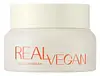
This anti-aging moisturizer is formulated around Niacinamide and Ceramide NP to soften the look of wrinkles and hydrate skin.
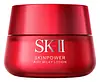
This anti-aging moisturizer is formulated around Galactomyces Ferment Filtrate and Niacinamide to soften the look of wrinkles and refine skin texture.


What's inside
What's inside
 Key Ingredients
Benefits
Concerns
Ingredients Side-by-side
Water
Skin ConditioningGlycerin
Humectant


Caprylic/Capric Triglyceride
Masking
Vinyldimethicone

Cetyl Ethylhexanoate
EmollientNiacinamide
Smoothing









Polyglyceryl-3 Methylglucose Distearate
Emulsifying

Pentylene Glycol
Skin Conditioning
Cyclohexasiloxane
Emollient
1,2-Hexanediol
Skin Conditioning
Butyrospermum Parkii Butter
Skin Conditioning


Cocos Nucifera Oil
Masking

Chlorella Vulgaris Extract
Skin ConditioningHydrolyzed Pea Protein
EmollientOlea Europaea Fruit Oil
Masking
Vincetoxicum Atratum Extract
Skin ConditioningAlthaea Rosea Flower Extract
Skin ConditioningGlyceryl Stearate
Emollient
Propanediol
Solvent
Cetearyl Olivate
Polymethylsilsesquioxane
Sorbitan Olivate
Emulsifying
Dimethiconol
Emollient
Hydroxyethyl Acrylate/Sodium Acryloyldimethyl Taurate Copolymer
Emulsion StabilisingTromethamine
BufferingGlucose
Humectant
Hydroxyacetophenone
Antioxidant
Butylene Glycol
Humectant
Fructooligosaccharides
Humectant
Fructose
Humectant
Panthenol
Skin Conditioning
Glyceryl Acrylate/Acrylic Acid Copolymer
HumectantAdenosine
Skin Conditioning
Hydrogenated Lecithin
Emulsifying
Sodium Phytate
ChelatingHydrolyzed Extensin
Skin ConditioningSorbitan Isostearate
Emulsifying
Phytosterols
Skin Conditioning
Ceramide NP
Skin Conditioning
Lecithin
Emollient
Squalane
Emollient
Ethylhexylglycerin
Skin ConditioningPolyquaternium-80
CleansingSodium Chloride
MaskingCetearyl Alcohol
Emollient
Behenyl Alcohol
Emollient
Carbomer
Emulsion StabilisingXanthan Gum
EmulsifyingWater, Glycerin, Caprylic/Capric Triglyceride, Vinyldimethicone, Cetyl Ethylhexanoate, Niacinamide, Polyglyceryl-3 Methylglucose Distearate, Pentylene Glycol, Cyclohexasiloxane, 1,2-Hexanediol, Butyrospermum Parkii Butter, Cocos Nucifera Oil, Chlorella Vulgaris Extract, Hydrolyzed Pea Protein, Olea Europaea Fruit Oil, Vincetoxicum Atratum Extract, Althaea Rosea Flower Extract, Glyceryl Stearate, Propanediol, Cetearyl Olivate, Polymethylsilsesquioxane, Sorbitan Olivate, Dimethiconol, Hydroxyethyl Acrylate/Sodium Acryloyldimethyl Taurate Copolymer, Tromethamine, Glucose, Hydroxyacetophenone, Butylene Glycol, Fructooligosaccharides, Fructose, Panthenol, Glyceryl Acrylate/Acrylic Acid Copolymer, Adenosine, Hydrogenated Lecithin, Sodium Phytate, Hydrolyzed Extensin, Sorbitan Isostearate, Phytosterols, Ceramide NP, Lecithin, Squalane, Ethylhexylglycerin, Polyquaternium-80, Sodium Chloride, Cetearyl Alcohol, Behenyl Alcohol, Carbomer, Xanthan Gum
Water
Skin ConditioningGalactomyces Ferment Filtrate
Humectant
Glycerin
Humectant
Niacinamide
Smoothing
Isohexadecane
EmollientPentylene Glycol
Skin Conditioning
Xylitol
Humectant
Dimethicone
Emollient
Isopropyl Isostearate
Emollient
Butylene Glycol
Humectant
Polyacrylamide
Vinyl Dimethicone/Methicone Silsesquioxane Crosspolymer
Stearyl Alcohol
Emollient
C13-14 Isoparaffin
Emollient
Cetyl Alcohol
Emollient
Panthenol
Skin Conditioning
Tocopheryl Acetate
Antioxidant
Behenyl Alcohol
Emollient
Benzyl Alcohol
Perfuming




Dimethiconol
Emollient
Sodium Acrylate/Sodium Acryloyldimethyl Taurate Copolymer
Emulsion StabilisingLaureth-7
EmulsifyingMethylparaben
Preservative

PEG-100 Stearate
Surfactant
Parfum
Masking
Sorbitan Stearate
Emulsifying
Disodium EDTA
ChelatingPaeonia Albiflora Root Extract
Skin ConditioningPropylparaben
Preservative
Cetearyl Alcohol
Emollient
Cetearyl Glucoside
Emulsifying
Ethylparaben
Preservative
Palmitic Acid
Emollient
Stearic Acid
Cleansing
Polymethylsilsesquioxane
Polysorbate 80
Emulsifying
PEG-7 Glyceryl Cocoate
Emulsifying
Sodium Hydroxide
BufferingSorbitan Oleate
Emulsifying
Houttuynia Cordata Extract
Skin Conditioning
Palmitoyl Pentapeptide-4
Skin Conditioning
Methylsilanol Tri-PEG-8 Glyceryl Cocoate
Emulsifying
Zantedeschia Aethiopica Flower/Stem Extract
MaskingPolyquaternium-7
Methicone
Emollient
CI 77891
Cosmetic ColorantCI 77492
Cosmetic ColorantWater, Galactomyces Ferment Filtrate, Glycerin, Niacinamide, Isohexadecane, Pentylene Glycol, Xylitol, Dimethicone, Isopropyl Isostearate, Butylene Glycol, Polyacrylamide, Vinyl Dimethicone/Methicone Silsesquioxane Crosspolymer, Stearyl Alcohol, C13-14 Isoparaffin, Cetyl Alcohol, Panthenol, Tocopheryl Acetate, Behenyl Alcohol, Benzyl Alcohol, Dimethiconol, Sodium Acrylate/Sodium Acryloyldimethyl Taurate Copolymer, Laureth-7, Methylparaben, PEG-100 Stearate, Parfum, Sorbitan Stearate, Disodium EDTA, Paeonia Albiflora Root Extract, Propylparaben, Cetearyl Alcohol, Cetearyl Glucoside, Ethylparaben, Palmitic Acid, Stearic Acid, Polymethylsilsesquioxane, Polysorbate 80, PEG-7 Glyceryl Cocoate, Sodium Hydroxide, Sorbitan Oleate, Houttuynia Cordata Extract, Palmitoyl Pentapeptide-4, Methylsilanol Tri-PEG-8 Glyceryl Cocoate, Zantedeschia Aethiopica Flower/Stem Extract, Polyquaternium-7, Methicone, CI 77891, CI 77492
Reviews
Ingredients Explained
These ingredients are found in both products.
Ingredients higher up in an ingredient list are typically present in a larger amount.
Behenyl Alcohol is a type of fatty alcohol (these are different from the drying, solvent alcohols).
Fatty Alcohols have hydrating properties and are most often used as an emollient or to thicken a product. They are usually derived from natural fats and oils; behenyl alcohol is derived from the fats of vegetable oils.
Emollients help keep your skin soft and hydrated by creating a film that traps moisture in.
In 2000, Behenyl Alcohol was approved by the US as medicine to reduce the duration of cold sores.
Learn more about Behenyl AlcoholButylene Glycol (or BG) is used within cosmetic products for a few different reasons:
Overall, Butylene Glycol is a safe and well-rounded ingredient that works well with other ingredients.
Though this ingredient works well with most skin types, some people with sensitive skin may experience a reaction such as allergic rashes, closed comedones, or itchiness.
Learn more about Butylene GlycolCetearyl alcohol is a waxy mixture of two fatty alcohols: cetyl alcohol and stearyl alcohol. It is an emollient and emulsifier.
Despite having "alcohol" in its name, it has nothing to do with drying solvent alcohols; the FDA also allows "alcohol-free" products to contain fatty alcohols like this ingredient.
It plays several roles in a formula:
Typical use levels for this ingredient sit around 1-10% and the Cosmetic Ingredient Review Expert Panel has affirmed safety at concentrations up to 25% in leave-on products.
Multiple assessments have found it to be non-irritating and non-sensitizing to most people.
However, there have been some cases of allergic contact dermatitis in patients with chronically compromised skin barriers.
Cetearyl alcohol has a comedogenic rating of 2 and irritancy rating of 1. Both of these numbers come from the 1989 study that used rabbit ears; a "2" means mildly comedogenic and a "1" means low irritancy.
Here's the catch: rabbit skin is more sensitive than human skin and throws a lot of false positives. A 1996 reappraisal found that ingredients rated 1-2 in the rabbit ear tests are generally safe for humans.
Remember comedogenic ratings are unable to assess the entire formula of a product or how it will react on your skin. Just be sure to patch test if you are unsure about certain ingredients.
This ingredient is not fungal acne safe. Cetearyl alcohol is a fatty alcohol with chain lengths that fall within the range that Malassezia can metabolize.
A 2019 study has also observed Malassezia growth in the presence of this ingredient, confirming it to be not-fungal acne safe.
Learn more about Cetearyl AlcoholDimethiconol is a silicone that resembles the popular dimethicone. Like other silicones, it is an emollient. Emollients create a thin film on skin to prevent moisture from escaping.
This ingredient helps to create a silky texture and improve spreadability. Due to its high molecular weight and thickness, it is often combined with cyclopentasiloxane.
Glycerin (or glycerol) is a compound naturally found in your skin. It's a powerhouse humectant that pulls water into the stratum corneum.
Topically, glycerin does several things at once:
Your skin makes glycerin on its own (mostly from sebaceous oil breakdown) and shuttles it to your outermost layer of skin, or your epidermis, via aquaporin-3.
Aquaporin-3 is a transporter that is essential for normal skin hydration, elasticity, and repair. Interestingly, mice lacking in AQP3 have dry and less elastic skin that can be fully corrected with glycerin.
This ingredient is non-irritating, plays well with almost every ingredient, and works across all skin types. Typical use is anywhere between 3-10% but can go up to 79% in some leave-on products.
Just know very high concentrations (>40%) can feel tacky in low humidity.
Glycerin is the name for this ingredient in American English. British English uses Glycerol/Glycerine.
Learn more about GlycerinNiacinamide is a multitasking form of vitamin B3 that strengthens the skin barrier, reduces pores and dark spots, regulates oil, and improves signs of aging.
And the best part? It's gentle and well-tolerated by most skin types, including sensitive and reactive skin.
You might have heard of "niacin flush", or the reddening of skin that causes itchiness. Niacinamide has not been found to cause this.
In very rare cases, some individuals may not be able to tolerate niacinamide at all or experience an allergic reaction to it.
If you are experiencing flaking, irritation, and dryness with this ingredient, be sure to double check all your products as this ingredient can be found in all categories of skincare.
When incorporating niacinamide into your routine, look out for concentration amounts. Typically, 5% niacinamide provides benefits such as fading dark spots. However, if you have sensitive skin, it is better to begin with a smaller concentration.
When you apply niacinamide to your skin, your body converts it into nicotinamide adenine dinucleotide (NAD). NAD is an essential coenzyme that is already found in your cells as "fuel" and powers countless biological processes.
In your skin, NAD helps repair cell damage, produce new healthy cells, support collagen production, strengthen the skin barrier, and fight environmental stressors (like UV and pollution).
Our natural NAD levels start to decline with age, leading to slower skin repair, visible aging, and a weaker skin barrier. By providing your skin niacinamide, you're recharging your skin's NAD levels. This leads to stronger, healthier, and younger looking skin.
Another name for vitamin B3 is nicotinamide. This vitamin is water-soluble and our bodies don't store it. We obtain Vitamin B3 from either food or skincare. Meat, fish, wheat, yeast, and leafy greens contain vitamin B3.
The type of niacinamide used in skincare is synthetically created.
Learn more about NiacinamidePanthenol is a common ingredient that helps hydrate and soothe the skin. It is found naturally in our skin and hair.
There are two forms of panthenol: D and L.
D-panthenol is also known as dexpanthenol. Most cosmetics use dexpanthenol or a mixture of D and L-panthenol.
Panthenol is famous due to its ability to go deeper into the skin's layers. Using this ingredient has numerous pros (and no cons):
Like hyaluronic acid, panthenol is a humectant. Humectants are able to bind and hold large amounts of water to keep skin hydrated.
This ingredient works well for wound healing. It works by increasing tissue in the wound and helps close open wounds.
Once oxidized, panthenol converts to pantothenic acid. Panthothenic acid is found in all living cells.
This ingredient is also referred to as pro-vitamin B5.
Learn more about PanthenolPentylene Glycol (1,2-pentanediol) is a multitasking little diol with three main roles in a formula:
Research on alkanediols (the family pentylene glycol belongs to) show they work by disrupting microbial cell membranes. This disruption helps the primary preservative system in a product work more effectively at lower doses.
On the safety side, the Cosmetic Ingredient Review Expert Panel has concluded this ingredient to be safe as used in current cosmetic practices + concentrations.
Typical use levels in a formula run about 1-5%.
Learn more about Pentylene GlycolPolymethylsilsesquioxane is a silicone used as a film forming agent.
When applied to the skin, this ingredient creates an invisible film on the surface. This film still allows oxygen to pass through, but prevents moisture from escaping. This can help condition and hydrate the skin. It also leaves a silky feel when applied.
Polymethylsilsesquioxane has not been shown to clog pores. It has been deemed safe to use up to 55%, but most cosmetics use much less.
If you have concerns about using this ingredient, we recommend speaking with a professional.
Learn more about PolymethylsilsesquioxaneWater. It's the most common cosmetic ingredient of all. You'll usually see it at the top of ingredient lists, meaning that it makes up the largest part of the product.
So why is it so popular? Water most often acts as a solvent - this means that it helps dissolve other ingredients into the formulation.
You'll also recognize water as that liquid we all need to stay alive. If you see this, drink a glass of water. Remember to stay hydrated!
Learn more about Water

