Kiehl's Skin Rescuer Versus Estée Lauder Resilience Multi-Effect Night Tri-Peptide Face And Neck Creme
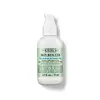
This calming moisturizer is formulated around Squalane and Centella Asiatica Extract to calm redness and strengthen the skin barrier.
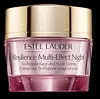
This anti-aging night moisturizer is formulated around Acetyl Hexapeptide-8 to soften the look of wrinkles.

What's inside
What's inside
 Key Ingredients
Benefits
Concerns
Ingredients Side-by-side
Water
Skin ConditioningGlycerin
Humectant


Squalane
Emollient
Propanediol
Solvent
Undecane
EmollientCaprylic/Capric Triglyceride
Masking
Butyrospermum Parkii Butter
Skin Conditioning




Tridecane
Perfuming

PEG-100 Stearate
Surfactant
Glyceryl Stearate
Emollient
PEG-20 Stearate
Emulsifying
Mannose
HumectantLauroyl Lysine
Skin Conditioning
Cetyl Alcohol
Emollient
Propylene Glycol
Humectant
Phenoxyethanol
Preservative
Ammonium Polyacryloyldimethyl Taurate
Emulsion StabilisingTriethanolamine
BufferingCarbomer
Emulsion StabilisingTocopherol
Antioxidant




P-Anisic Acid
MaskingEctoin
Skin Conditioning

Centella Asiatica Extract
Cleansing
Xanthan Gum
EmulsifyingCeteareth-25
CleansingAcetyl Dipeptide-1 Cetyl Ester
Skin Conditioning
Rosa Gallica Flower Extract
AstringentHydroxypalmitoyl Sphinganine
Skin Conditioning
Ceramide NP
Skin Conditioning
Behenic Acid
Cleansing
Cholesterol
Emollient
Ceramide Ns
Skin Conditioning
Chamomilla Recutita Extract
Skin Conditioning
Ceramide AP
Skin Conditioning
Ceramide EOP
Skin Conditioning
Ceramide Eos
Skin Conditioning
Caprooyl Phytosphingosine
Skin Conditioning
Caprooyl Sphingosine
Skin ConditioningCitric Acid
Buffering
Sodium Hydroxide
BufferingWater, Glycerin, Squalane, Propanediol, Undecane, Caprylic/Capric Triglyceride, Butyrospermum Parkii Butter, Tridecane, PEG-100 Stearate, Glyceryl Stearate, PEG-20 Stearate, Mannose, Lauroyl Lysine, Cetyl Alcohol, Propylene Glycol, Phenoxyethanol, Ammonium Polyacryloyldimethyl Taurate, Triethanolamine, Carbomer, Tocopherol, P-Anisic Acid, Ectoin, Centella Asiatica Extract, Xanthan Gum, Ceteareth-25, Acetyl Dipeptide-1 Cetyl Ester, Rosa Gallica Flower Extract, Hydroxypalmitoyl Sphinganine, Ceramide NP, Behenic Acid, Cholesterol, Ceramide Ns, Chamomilla Recutita Extract, Ceramide AP, Ceramide EOP, Ceramide Eos, Caprooyl Phytosphingosine, Caprooyl Sphingosine, Citric Acid, Sodium Hydroxide
Water
Skin ConditioningCaprylic/Capric/Myristic/Stearic Triglyceride
EmollientPetrolatum
Emollient

Hexyldecyl Stearate
EmollientButylene Glycol
Humectant
Dimethicone
Emollient
Glycereth-26
Humectant
PEG-100 Stearate
Surfactant
Cetearyl Alcohol
Emollient
Glyceryl Stearate
Emollient
Propanediol
Solvent
Narcissus Tazetta Bulb Extract
Astringent
Cucumis Sativus Fruit Extract
Emollient
Mimosa Tenuiflora Bark Extract
Skin ProtectingHordeum Vulgare Extract
EmollientCucumis Melo Fruit Extract
Skin ConditioningPersea Gratissima Oil
Skin Conditioning
Whey Protein
Skin ConditioningCaffeine
Skin Conditioning
Thermus Thermophillus Ferment
Skin ConditioningAlgae Extract
EmollientLaminaria Digitata Extract
Skin Protecting
Artemia Extract
Skin ConditioningAcetyl Hexapeptide-8
Humectant
Polygonum Cuspidatum Root Extract
Antioxidant
Ergothioneine
Antioxidant
Trifluoroacetyl Tripeptide-2
Skin Conditioning
Trehalose
Humectant
Sorbitol
Humectant
Glycerin
Humectant
Decarboxy Carnosine Hcl
Skin ConditioningCholesterol
Emollient
Isohexadecane
EmollientAcetyl Glucosamine
Skin Conditioning
Myristyl Myristate
Emollient
Cetearyl Glucoside
Emulsifying
Tetradecyl Aminobutyroylvalylaminobutyric Urea Trifluoroacetate
Skin ConditioningPropylene Glycol Dicaprylate
EmollientAminopropyl Ascorbyl Phosphate
Antioxidant

Caprylyl Glycol
Emollient
Acrylates/C10-30 Alkyl Acrylate Crosspolymer
Emulsion StabilisingCaprylic/Capric Triglyceride
Masking
Tocopheryl Acetate
Antioxidant
Linoleic Acid
Cleansing
Polysorbate 80
Emulsifying
Faex Extract
Skin ConditioningPropylene Glycol Dicaprate
EmollientZinc PCA
Humectant

Helianthus Annuus Seedcake
Abrasive
Hexylene Glycol
EmulsifyingAcrylamide/Sodium Acryloyldimethyltaurate Copolymer
Emulsion StabilisingSodium Hyaluronate
Humectant
Myristyl Alcohol
Emollient
Tromethamine
BufferingStearic Acid
Cleansing
Potassium Sulfate
Pentaerythrityl Tetra-Di-T-Butyl Hydroxyhydrocinnamate
Antioxidant
Citric Acid
Buffering
Maltodextrin
Absorbent
Aluminum Hydroxide
EmollientParfum
Masking
Potassium Sorbate
Preservative
Dextran
Disodium EDTA
BHT
Antioxidant
Phenoxyethanol
Preservative
CI 42090
Cosmetic ColorantCI 17200
Cosmetic ColorantCI 77891
Cosmetic ColorantWater, Caprylic/Capric/Myristic/Stearic Triglyceride, Petrolatum, Hexyldecyl Stearate, Butylene Glycol, Dimethicone, Glycereth-26, PEG-100 Stearate, Cetearyl Alcohol, Glyceryl Stearate, Propanediol, Narcissus Tazetta Bulb Extract, Cucumis Sativus Fruit Extract, Mimosa Tenuiflora Bark Extract, Hordeum Vulgare Extract, Cucumis Melo Fruit Extract, Persea Gratissima Oil, Whey Protein, Caffeine, Thermus Thermophillus Ferment, Algae Extract, Laminaria Digitata Extract, Artemia Extract, Acetyl Hexapeptide-8, Polygonum Cuspidatum Root Extract, Ergothioneine, Trifluoroacetyl Tripeptide-2, Trehalose, Sorbitol, Glycerin, Decarboxy Carnosine Hcl, Cholesterol, Isohexadecane, Acetyl Glucosamine, Myristyl Myristate, Cetearyl Glucoside, Tetradecyl Aminobutyroylvalylaminobutyric Urea Trifluoroacetate, Propylene Glycol Dicaprylate, Aminopropyl Ascorbyl Phosphate, Caprylyl Glycol, Acrylates/C10-30 Alkyl Acrylate Crosspolymer, Caprylic/Capric Triglyceride, Tocopheryl Acetate, Linoleic Acid, Polysorbate 80, Faex Extract, Propylene Glycol Dicaprate, Zinc PCA, Helianthus Annuus Seedcake, Hexylene Glycol, Acrylamide/Sodium Acryloyldimethyltaurate Copolymer, Sodium Hyaluronate, Myristyl Alcohol, Tromethamine, Stearic Acid, Potassium Sulfate, Pentaerythrityl Tetra-Di-T-Butyl Hydroxyhydrocinnamate, Citric Acid, Maltodextrin, Aluminum Hydroxide, Parfum, Potassium Sorbate, Dextran, Disodium EDTA, BHT, Phenoxyethanol, CI 42090, CI 17200, CI 77891
Ingredients Explained
These ingredients are found in both products.
Ingredients higher up in an ingredient list are typically present in a larger amount.
Caprylic/Capric Triglyceride (aka MCT Oil) is a lightweight emollient, solvent, and texture enhancer. It is considered a skin-softener by helping to prevent moisture loss.
Though it behaves like an oil, it is not technically one due to its chemical composition. One perk of this ingredient is that it is very stable, resistant to oxidation, and unlikely to go rancid.
In practice, that translates to a long shelf life and a consistently elegant skin feel.
While there is an assumption Caprylic Triglyceride can clog pores due to it being derived from coconut oil, there is no research supporting this. Just patch test if you have concerns.
Fractionated coconut oil and MCT Oil are both listed as Caprylic/Capric Triglyceride according to INCI. This is because INCI names are based on the ingredient’s final chemical composition and not its marketing name or source.
This ingredient is treated as the gold standard fungal acne safe oil. Even though it is coconut derived, the problematic lauric acid is stripped out.
This leaves just caprylic (C8) and capric (C10) acid. These chain lengths actually trend antifungal; a 2020 study found caprylic acid was enough to disrupt Malassezia furfur cell membrane, with a caprylic acid derivative damaging membrane structures at concentrations as low as 0.2%.
Learn more about Caprylic/Capric TriglycerideCholesterol is a lipid that is naturally found in human skin and is one of the three key components of your skin barrier. In skincare, it is an emollient and barrier-repairing ingredient.
It works by fitting directly into the lipid layers of skin to help restore structure and reduce transepidermal water loss (TEWL).
This is a great ingredient for dry, compromised, or aging skin; our skin starts to produce less cholesterol with age.
Research shows cholesterol works best in combination with ceramides and fatty acids, the other two major components in your skin barrier.
Cholesterol is also a well-establish penetration enhancer and can help other actives absorb more effectively.
Cosmetic-grade cholesterol is usually derived from lanolin but plant and synthetic options also exist. We recommend reaching out to the brand if you have questions about their source of cholesterol.
Learn more about CholesterolCitric Acid is an alpha hydroxy acid (AHA) naturally found in citrus fruits like oranges, lemons, and limes.
Like other AHAs, citric acid can exfoliate skin by breaking down the bonds that hold dead skin cells together. This helps reveal smoother and brighter skin underneath.
However, this exfoliating effect only happens at high concentrations (20%) which can be hard to find in cosmetic products.
Due to this, citric acid is usually included in small amounts as a pH adjuster. This helps keep products slightly more acidic and compatible with skin's natural pH.
In skincare formulas, citric acid can:
While it can provide some skin benefits, research shows lactic acid and glycolic acid are generally more effective and less irritating exfoliants.
Most citric acid used in skincare today is made by fermenting sugars (usually from molasses). This synthetic version is identical to the natural citrus form but easier to stabilize and use in formulations.
Rosacea skin has a lower threshold for acids generally, with 62.5% of rosacea subjects in one study reacting to lactic acid in a sting test. This is why we mark citric acid as a potential rosacea trigger.
However, this ingredient shows up as a pH adjuster or chelator at roughly 0.1-1% in many products. These low levels are unlikely to be an issue for rosacea skin and becomes a potential trigger at exfoliating concentrations (20%). Because everybody's skin is unique, we recommend a patch test if you are unsure.
Learn more about Citric AcidGlycerin (or glycerol) is a compound naturally found in your skin. It's a powerhouse humectant that pulls water into the stratum corneum.
Topically, glycerin does several things at once:
Your skin makes glycerin on its own (mostly from sebaceous oil breakdown) and shuttles it to your outermost layer of skin, or your epidermis, via aquaporin-3.
Aquaporin-3 is a transporter that is essential for normal skin hydration, elasticity, and repair. Interestingly, mice lacking in AQP3 have dry and less elastic skin that can be fully corrected with glycerin.
This ingredient is non-irritating, plays well with almost every ingredient, and works across all skin types. Typical use is anywhere between 3-10% but can go up to 79% in some leave-on products.
Just know very high concentrations (>40%) can feel tacky in low humidity.
Glycerin is the name for this ingredient in American English. British English uses Glycerol/Glycerine.
Learn more about GlycerinGlyceryl Stearate is made by reacting glycerin with stearic acid (typically sourced from plant oils like palm or coconut). It's an emulsifier, emollient, and mild occlusive.
Emulsifiers help ingredients like oil and water stay mixed so your formula stays nicely blended and uniform in texture.
This ingredient is typically used in concentrations between 1-10%. Studies have found it to be non-sensitizing, non-phototoxic, and non-photoallergenic.
A close cousin of this ingredient is Glyceryl Stearate SE ("self-emulsifying"). This just has a small amount of sodium or potassium stearate added so it can emulsify without a co-emulsifier.
Since this ingredient is an ester of a C18 fatty acid, it may not be fungal acne safe. The Malassezia yeast can potentially metabolize within the C11-C24 range.
Fun fact: The human body also creates Glyceryl Stearate naturally.
Learn more about Glyceryl StearatePeg-100 Stearate is an emollient and emulsifier. As an emollient, it helps keep skin soft by trapping moisture in. On the other hand, emulsifiers help prevent oil and water from separating in a product.
PEGS are a hydrophilic polyether compound . There are 100 ethylene oxide monomers in Peg-100 Stearate. Peg-100 Stearate is polyethylene glycol ester of stearic acid.
Phenoxyethanol is one of the most widely used preservatives in skincare (and for good reason!).
It has a large spectrum of antimicrobial activity and especially effective bacteria, yeast, and mold while only having a weak effect on your skin's natural microbiome.
On a cellular level, it disrupts the cell membranes of microbes by poking holes that make the cell leak. This shuts down the chemical reactions the microbe needs to make energy so it can no longer survive.
Another perk of this ingredient is that it stays functional across a wide pH range (3-10).
You'll often see it paired with boosters like Ethylhexylglycerin; one study showed that a 1:9 ratio of Ethylhexylglycerin to Phenoxyethanol damages bacterial membranes as effectively as doubling the Phenoxyethanol concentration on its own.
Typical use concentrations range from 0.3-1% depending on the formula, and this ingredient is capped at 1% int the EU.
Safety-wise, the fear mongering does not hold up to the evidence. The EU's Scientific Committee on Consumer Safety and FDA consider it safe as a preservative at up to 1%, including for children of all ages.
Adverse systemic effects only showed up in animal studies at exposures roughly 200x higher than what people get from cosmetics. And despite its very widespread use, this ingredient is a rare sensitizer and allergic reactions are uncommon.
Learn more about PhenoxyethanolPropanediol is an all-star ingredient. It softens, hydrates, and smooths the skin.
It’s often used to:
Propanediol is not likely to cause sensitivity and considered safe to use. It is derived from corn or petroleum with a clear color and no scent.
Learn more about PropanediolWater. It's the most common cosmetic ingredient of all. You'll usually see it at the top of ingredient lists, meaning that it makes up the largest part of the product.
So why is it so popular? Water most often acts as a solvent - this means that it helps dissolve other ingredients into the formulation.
You'll also recognize water as that liquid we all need to stay alive. If you see this, drink a glass of water. Remember to stay hydrated!
Learn more about Water

