This brightening eye moisturizer is formulated around Tranexamic Acid and Tetrahexyldecyl Ascorbate to brighten dull-looking skin and soften the look of wrinkles.
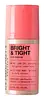
This brightening eye moisturizer is formulated around Niacinamide and Sodium Ascorbyl Phosphate to brighten dull-looking skin and fade the look of dark spots.

What's inside
What's inside
 Key Ingredients
Benefits
Concerns
Ingredients Side-by-side
Water
Skin ConditioningPropanediol
Solvent

Caprylic/Capric Triglyceride
Masking
Coco-Caprylate
Emollient
Tranexamic Acid
Astringent




Dimethicone
Emollient

Glycerin
Humectant
Squalane
Emollient
Mangifera Indica Seed Butter
Skin Conditioning

Stearic Acid
Cleansing
Cetearyl Alcohol
Emollient


Dilinoleic Acid/Propanediol Copolymer
EmollientArachidyl Alcohol
Emollient
Butylene Glycol
Humectant
Hydrogenated Polydecene
EmollientBis-Diglyceryl Polyacyladipate-2
Emollient
Tetrahexyldecyl Ascorbate
Antioxidant



Bakuchiol
Antimicrobial

Nicotiana Benthamiana Hexapeptide-40 Sh-Polypeptide-76
Skin Conditioning
Palmitoyl Tripeptide-5
Skin Conditioning
Ascorbyl Glucoside
Antioxidant
3-O-Ethyl Ascorbic Acid
Skin Conditioning
Coffea Arabica Seed Extract
Masking
Sodium Hyaluronate
Humectant
Glycyrrhiza Glabra Root Extract
Bleaching
Cedrus Atlantica Bark Extract
Perfuming


Caffeine
Skin Conditioning
Oryza Sativa Bran Extract
Skin Conditioning
Pistacia Lentiscus Gum
MaskingBacillus Ferment
Skin Conditioning
Leuconostoc/Radish Root Ferment Filtrate
Antimicrobial
Vaccinium Myrtillus Fruit Extract
Skin ConditioningSodium PCA
Humectant
Allantoin
Skin Conditioning
Silica
Abrasive
Rosmarinus Officinalis Leaf Extract
AntimicrobialBisabolol
Antioxidant
Helianthus Annuus Extract
Emollient
Xanthan Gum
EmulsifyingGlucose
Humectant
Tocopherol
Antioxidant
Sorbitan Isostearate
Emulsifying
Phospholipids
Skin Conditioning
Phytonadione
Lecithin
Emollient
Glyceryl Caprylate
EmollientPolyglyceryl-3 Caprate
EmulsifyingGlyceryl Caprylate/Caprate
EmollientEthylhexyl Palmitate
Emollient
C12-15 Alkyl Benzoate
AntimicrobialBehenyl Alcohol
Emollient
Phenoxyethanol
Preservative
Sorbitan Sesquioleate
Emulsifying
1,2-Hexanediol
Skin Conditioning
Caprylyl Glycol
Emollient
Cetearyl Glucoside
Emulsifying
Arachidyl Glucoside
EmulsifyingHydroxyacetophenone
Antioxidant
Citric Acid
Buffering
Hydroxyethyl Acrylate/Sodium Acryloyldimethyl Taurate Copolymer
Emulsion StabilisingSodium Phytate
Sodium Polyacrylate
Absorbent
Pentylene Glycol
Skin Conditioning
Dicaprylyl Carbonate
EmollientSilica Dimethyl Silylate
EmollientTitanium Dioxide
Cosmetic Colorant

CI 77891
Cosmetic ColorantMica
Cosmetic ColorantIron Oxides
CI 77492
Cosmetic ColorantCI 77491
Cosmetic ColorantWater, Propanediol, Caprylic/Capric Triglyceride, Coco-Caprylate, Tranexamic Acid, Dimethicone, Glycerin, Squalane, Mangifera Indica Seed Butter, Stearic Acid, Cetearyl Alcohol, Dilinoleic Acid/Propanediol Copolymer, Arachidyl Alcohol, Butylene Glycol, Hydrogenated Polydecene, Bis-Diglyceryl Polyacyladipate-2, Tetrahexyldecyl Ascorbate, Bakuchiol, Nicotiana Benthamiana Hexapeptide-40 Sh-Polypeptide-76, Palmitoyl Tripeptide-5, Ascorbyl Glucoside, 3-O-Ethyl Ascorbic Acid, Coffea Arabica Seed Extract, Sodium Hyaluronate, Glycyrrhiza Glabra Root Extract, Cedrus Atlantica Bark Extract, Caffeine, Oryza Sativa Bran Extract, Pistacia Lentiscus Gum, Bacillus Ferment, Leuconostoc/Radish Root Ferment Filtrate, Vaccinium Myrtillus Fruit Extract, Sodium PCA, Allantoin, Silica, Rosmarinus Officinalis Leaf Extract, Bisabolol, Helianthus Annuus Extract, Xanthan Gum, Glucose, Tocopherol, Sorbitan Isostearate, Phospholipids, Phytonadione, Lecithin, Glyceryl Caprylate, Polyglyceryl-3 Caprate, Glyceryl Caprylate/Caprate, Ethylhexyl Palmitate, C12-15 Alkyl Benzoate, Behenyl Alcohol, Phenoxyethanol, Sorbitan Sesquioleate, 1,2-Hexanediol, Caprylyl Glycol, Cetearyl Glucoside, Arachidyl Glucoside, Hydroxyacetophenone, Citric Acid, Hydroxyethyl Acrylate/Sodium Acryloyldimethyl Taurate Copolymer, Sodium Phytate, Sodium Polyacrylate, Pentylene Glycol, Dicaprylyl Carbonate, Silica Dimethyl Silylate, Titanium Dioxide, CI 77891, Mica, Iron Oxides, CI 77492, CI 77491
Water
Skin ConditioningCaprylic/Capric Triglyceride
Masking
Glycerin
Humectant
Niacinamide
Smoothing

Behenyl Alcohol
Emollient
Sorbitan Olivate
Emulsifying
Cetearyl Olivate
Sodium Ascorbyl Phosphate
Antioxidant
Butylene Glycol
Humectant
Diisostearyl Malate
EmollientTetrahexyldecyl Ascorbate
Antioxidant
Cetyl Palmitate
Emollient
Psidium Guajava Fruit Extract
AstringentAmmonium Acryloyldimethyltaurate/Vp Copolymer
Simmondsia Chinensis Seed Oil
Emollient
Psidium Guajava Seed Oil
Emollient
3-O-Ethyl Ascorbic Acid
Skin Conditioning
Ascorbyl Glucoside
Antioxidant
Magnesium Ascorbyl Phosphate
Antioxidant
Caffeine
Skin Conditioning
Acetyl Tetrapeptide-5
Humectant
Acetyl Hexapeptide-8
Humectant
Sodium Hyaluronate
Humectant
Polyglyceryl-10 Dioleate
Emulsifying
Sorbitan Palmitate
Emulsifying
Batyl Alcohol
EmollientHydroxyacetophenone
Antioxidant
Caprylyl Glycol
Emollient
Melia Azadirachta Extract
Skin Conditioning1,2-Hexanediol
Skin Conditioning
Citric Acid
Buffering
Polyglyceryl-10 Dipalmitate
Emollient
Sodium Citrate
BufferingSodium Phytate
Tocopherol
Antioxidant
Fraxinus Excelsior Bark Extract
Skin ConditioningMoringa Oleifera Seed Oil
Emollient
Phenoxyethanol
Preservative
Decyl Glucoside
Cleansing
Lauryl Glucoside
CleansingPyrus Malus Fruit Extract
Skin Conditioning
Potassium Citrate
BufferingSilanetriol
Musa Sapientum Fruit Extract
Skin ConditioningEthylhexylglycerin
Skin ConditioningPrunus Armeniaca Kernel Extract
Skin ConditioningPyrus Communis Fruit Extract
Skin ConditioningRubus Idaeus Fruit Extract
AstringentWater, Caprylic/Capric Triglyceride, Glycerin, Niacinamide, Behenyl Alcohol, Sorbitan Olivate, Cetearyl Olivate, Sodium Ascorbyl Phosphate, Butylene Glycol, Diisostearyl Malate, Tetrahexyldecyl Ascorbate, Cetyl Palmitate, Psidium Guajava Fruit Extract, Ammonium Acryloyldimethyltaurate/Vp Copolymer, Simmondsia Chinensis Seed Oil, Psidium Guajava Seed Oil, 3-O-Ethyl Ascorbic Acid, Ascorbyl Glucoside, Magnesium Ascorbyl Phosphate, Caffeine, Acetyl Tetrapeptide-5, Acetyl Hexapeptide-8, Sodium Hyaluronate, Polyglyceryl-10 Dioleate, Sorbitan Palmitate, Batyl Alcohol, Hydroxyacetophenone, Caprylyl Glycol, Melia Azadirachta Extract, 1,2-Hexanediol, Citric Acid, Polyglyceryl-10 Dipalmitate, Sodium Citrate, Sodium Phytate, Tocopherol, Fraxinus Excelsior Bark Extract, Moringa Oleifera Seed Oil, Phenoxyethanol, Decyl Glucoside, Lauryl Glucoside, Pyrus Malus Fruit Extract, Potassium Citrate, Silanetriol, Musa Sapientum Fruit Extract, Ethylhexylglycerin, Prunus Armeniaca Kernel Extract, Pyrus Communis Fruit Extract, Rubus Idaeus Fruit Extract
Reviews
Ingredients Explained
These ingredients are found in both products.
Ingredients higher up in an ingredient list are typically present in a larger amount.
1,2-Hexanediol is a synthetic liquid and another multi-functional powerhouse.
It is a:
- Humectant, drawing moisture into the skin
- Emollient, helping to soften skin
- Solvent, dispersing and stabilizing formulas
- Preservative booster, enhancing the antimicrobial activity of other preservatives
3-O-Ethyl Ascorbic Acid is one of the most popular "stable" vitamin C derivatives in skincare.
Plain ascorbic acid is fantastic but notoriously fragile; it browns, oxidizes, and loses potency fast. So attaching an ethyl group to the third carbon of the molecule gives it some cool perks:
In a formula, it does the 3 classic vitamin C jobs: it acts as an antioxidant, helps brighten skin tone by inhibiting tyrosinase, and supports collagen.
The evidence is reasonably solid for a cosmetic ingredient; Liao and colleagues (2018) showed it's significantly more stable than ascorbic acid while still being effective.
A 2021 study by Zerbinati and colleagues tested a serum with 30% 3-O-ethyl-l-ascorbic acid and 1% lactic acid significantly increased collagen production, reduced UVB-induced DNA damage, and decreased melanin on a reconstructed pigmented skin model.
Typical real world usage sits around 0.5-5% (and 1-2% is common for daily serums).
Amounts up to 30% have been shown to be non-irritating on human skin samples, but two isolated cases reported allergic contact dermatitis so a patch test is sensible if you have reactive skin.
Learn more about 3-O-Ethyl Ascorbic AcidAscorbyl Glucoside (AA-2G) is one of the most stable vitamin C derivatives out there.
It's made by attaching a glucose molecule to ascorbic acid; this glucose "cap" shields the vitamin C from air, light, heat, and metal ions that normally cause pure ascorbic acid to oxidize.
Once on your skin, the enzyme alpha-glucosidase snips off the glucose and gradually releases active ascorbic acid right where it's needed. Basically, it behaves like a slow-release pro-vitamin C with less of a stinging that high-strength ascorbic acid can cause.
The research supports the classic vitamin C benefits as well. In lab and human studies, AA-2G slowed down the skin's production of melanin (the pigment behind dark spots) and helped shield skin cells against sun damage better than ascorbyl phosphate.
These studies also showed AA-2G released vitamin C over a longer period.
A frequently cited manufacturer trial found that a 2% AA-2G face cream significantly improved wrinkle depth and skin roughness after 45 days.
And in 2009, a clinical trial showed it meaningfully lightened dark patches on the gums compared to a placebo.
There's also collagen-synthesis support (since vitamin C is a required cofactor for that) and an antioxidant effect too.
Typical usage is usually between 0.5-5% and most studies/products land around 2%.
AA-2G performs best when formulated at a mildly acidic pH (~5-7) which is much gentler than the pH that pure vitamin C demands (~2.5-3.5).
Just one thing worth knowing: the in-skin conversation rate is only about 55-60% by weight. So a 5% AA-2G product delivers roughly 2.75-3% of actual active vitamin C. On top of that, skin absorption is relatively low because the ingredient is water-soluble.
Learn more about Ascorbyl GlucosideBehenyl Alcohol is a type of fatty alcohol (these are different from the drying, solvent alcohols).
Fatty Alcohols have hydrating properties and are most often used as an emollient or to thicken a product. They are usually derived from natural fats and oils; behenyl alcohol is derived from the fats of vegetable oils.
Emollients help keep your skin soft and hydrated by creating a film that traps moisture in.
In 2000, Behenyl Alcohol was approved by the US as medicine to reduce the duration of cold sores.
Learn more about Behenyl AlcoholButylene Glycol (or BG) is used within cosmetic products for a few different reasons:
Overall, Butylene Glycol is a safe and well-rounded ingredient that works well with other ingredients.
Though this ingredient works well with most skin types, some people with sensitive skin may experience a reaction such as allergic rashes, closed comedones, or itchiness.
Learn more about Butylene GlycolCaffeine is a naturally occurring plant compound found in coffee beans, tea leaves, cocoa pods, and guarana.
As an antioxidant, caffeine protects your skin from free radical damage caused by UV exposure and envionrmnetal stressors.
Early research also shows that caffeine can help calm redness, soothe irritated skin, and support hair growth by stimulating microcirculation in the scalp.
You might have seen eye creams marketing caffeine as a depuffing ingredient. This is because it is a vasoconstrictor meaning it can temporarily constrict blood vessels, though clinical evidence for this specific use is still limited.
Most skincare products contain this ingredient at concentrations between 1-6%. It is able to penetrate skin easily regardless of skin type or thickness.
Just so you know, a very small number of case reports describe caffeine-induced allergy. This ingredient is generally well-tolerated, non-irritating, and non-sensitizing for the majority of people.
Learn more about CaffeineCaprylic/Capric Triglyceride (aka MCT Oil) is a lightweight emollient, solvent, and texture enhancer. It is considered a skin-softener by helping to prevent moisture loss.
Though it behaves like an oil, it is not technically one due to its chemical composition. One perk of this ingredient is that it is very stable, resistant to oxidation, and unlikely to go rancid.
In practice, that translates to a long shelf life and a consistently elegant skin feel.
While there is an assumption Caprylic Triglyceride can clog pores due to it being derived from coconut oil, there is no research supporting this. Just patch test if you have concerns.
Fractionated coconut oil and MCT Oil are both listed as Caprylic/Capric Triglyceride according to INCI. This is because INCI names are based on the ingredient’s final chemical composition and not its marketing name or source.
This ingredient is treated as the gold standard fungal acne safe oil. Even though it is coconut derived, the problematic lauric acid is stripped out.
This leaves just caprylic (C8) and capric (C10) acid. These chain lengths actually trend antifungal; a 2020 study found caprylic acid was enough to disrupt Malassezia furfur cell membrane, with a caprylic acid derivative damaging membrane structures at concentrations as low as 0.2%.
Learn more about Caprylic/Capric TriglycerideCaprylyl Glycol is a humectant, skin conditioner, emollient, and preservative booster derived from either caprylic acid or synthetically created.
Typical use levels vary from 0.3-1% as a preservative booster and go up to 2% to condition skin.
Because it is not a free-fatty acid, this ingredient is fungal acne safe (there's nothing for Malassezia to feed on).
Learn more about Caprylyl GlycolCitric Acid is an alpha hydroxy acid (AHA) naturally found in citrus fruits like oranges, lemons, and limes.
Like other AHAs, citric acid can exfoliate skin by breaking down the bonds that hold dead skin cells together. This helps reveal smoother and brighter skin underneath.
However, this exfoliating effect only happens at high concentrations (20%) which can be hard to find in cosmetic products.
Due to this, citric acid is usually included in small amounts as a pH adjuster. This helps keep products slightly more acidic and compatible with skin's natural pH.
In skincare formulas, citric acid can:
While it can provide some skin benefits, research shows lactic acid and glycolic acid are generally more effective and less irritating exfoliants.
Most citric acid used in skincare today is made by fermenting sugars (usually from molasses). This synthetic version is identical to the natural citrus form but easier to stabilize and use in formulations.
Read more about some other popular AHA's here:
Learn more about Citric AcidGlycerin (or glycerol) is a compound naturally found in your skin. It's a powerhouse humectant that pulls water into the stratum corneum.
Topically, glycerin does several things at once:
Your skin makes glycerin on its own (mostly from sebaceous oil breakdown) and shuttles it to your outermost layer of skin, or your epidermis, via aquaporin-3.
Aquaporin-3 is a transporter that is essential for normal skin hydration, elasticity, and repair. Interestingly, mice lacking in AQP3 have dry and less elastic skin that can be fully corrected with glycerin.
This ingredient is non-irritating, plays well with almost every ingredient, and works across all skin types. Typical use is anywhere between 3-10% but can go up to 79% in some leave-on products.
Just know very high concentrations (>40%) can feel tacky in low humidity.
Glycerin is the name for this ingredient in American English. British English uses Glycerol/Glycerine.
Learn more about GlycerinHydroxyacetophenone is a small phenolic molecule that earns its place in a formulas as an antioxidant and preservative booster.
As a phenol, it is able to neutralize free radicals to protect both the product and the skin from oxidative stress.
Though it can't kill microbes on its own, it works as a good supporting agent when combined with other preservatives like Phenoxyethanol or 1,2-Hexanediol.
This ingredient naturally occurs as piceol in Norwegian spruce needles (~0.4-1.1% dry weight and in cloudberries). Though the cosmetic-grade material is synthesized for purity and consistency.
You'll usually see it used at low levels and suppliers recommend up to 1% added to a water phase.
Safety testing was done at concentrations like 0.05% in SPF products and 0.5% in a Human Repeated Insult Patch Test. The safety evidence is assuring; this ingredient is safe for cosmetics in current use and also holds safety status as a food flavoring as well.
An honest caveat: the "soothing" and "anti-inflammatory" claims come mostly from supplier marketing rather than published clinical trials. The Cosmetic Ingredient Review's own literature search found no useful efficacy studies on this ingredient.
So the antioxidant and preservative-boosting roles are the well supported ones while the calming benefit is plausible but thinly evidenced.
Overall, this is a well-tolerated, low-irritation multitasker that quietly helps a formula stay fresh and stable.
Learn more about HydroxyacetophenonePhenoxyethanol is one of the most widely used preservatives in skincare (and for good reason!).
It has a large spectrum of antimicrobial activity and especially effective bacteria, yeast, and mold while only having a weak effect on your skin's natural microbiome.
On a cellular level, it disrupts the cell membranes of microbes by poking holes that make the cell leak. This shuts down the chemical reactions the microbe needs to make energy so it can no longer survive.
Another perk of this ingredient is that it stays functional across a wide pH range (3-10).
You'll often see it paired with boosters like Ethylhexylglycerin; one study showed that a 1:9 ratio of Ethylhexylglycerin to Phenoxyethanol damages bacterial membranes as effectively as doubling the Phenoxyethanol concentration on its own.
Typical use concentrations range from 0.3-1% depending on the formula, and this ingredient is capped at 1% int the EU.
Safety-wise, the fear mongering does not hold up to the evidence. The EU's Scientific Committee on Consumer Safety and FDA consider it safe as a preservative at up to 1%, including for children of all ages.
Adverse systemic effects only showed up in animal studies at exposures roughly 200x higher than what people get from cosmetics. And despite its very widespread use, this ingredient is a rare sensitizer and allergic reactions are uncommon.
Learn more about PhenoxyethanolSodium Hyaluronate is the salt form of hyaluronic acid. It is a long sugar chain that is naturally found in your skin, joints, and connective tissue that maintains hydration and elasticity.
In skincare, it works as a humectant. It pulls water from the environment and deeper layers of skin and binds it to the surface.
Interestingly, the size of the molecule affects its behavior:
Some clinical evidence links low molecular weight versions to improved wrinkle depth, elasticity, anti-inflammatory effects, and barrier repair.
Many serums use a blend of both weights so you can get surface hydration plus longer-lasting and deeper effects.
You'll typically see concentrations between 0.1-2% for this ingredient.
Learn more about Sodium HyaluronateSodium Phytate is the synthetic salt form of phytic acid. Phytic acid is an antioxidant and can be found in plant seeds.
Sodium Phytate is a chelating agent. Chelating agents help prevent metals from binding to water. This helps stabilize the ingredients and the product.
Tetrahexyldecyl Ascorbate (THD) is a stable and oil-soluble form of Vitamin C.
THD is special in that it has the ability to travel deeper into skin than traditional ascorbic acid while maintaining the same skin benefits (double win!).
Because it’s oil-soluble, THD dives deep into your skin’s fatty layers (think ceramides and cholesterol) to fight off the kind of free radicals that mess with your skin barrier. This makes it a great pair with water-based vitamin C (ascorbic acid) that mainly works on the surface.
Even at just 0.1%, THD is already showing great antioxidant activity. When used up to 2%, it helps keep your skin happy and calm, especially when it’s stressed from pollution or sun.
Want to fade dark spots or tackle hyperpigmentation? You’ll want 5% or more. Pairing it with brightening buddies like niacinamide or licorice root gives even better results. One study even used 30% THD with other brighteners and saw real results on stubborn discoloration, even in melasma-prone skin.
A note on THD: It’s has a slightly silky, oily texture and usually shows up colorless or pale yellow (though the exact shade can vary by supplier).
While you can sneak it into water-based formulas, it really shines when paired with silicones or oils, which help your skin soak it up better.
THD is pretty stable, but it’s still vulnerable to degradation like ascorbic acid. Too much light or heat (above 113°F / 45°C) can break it down over time. Go for dark and opaque packaging that keeps it safe and shady!
Read more about other types of Vitamin C:
Learn more about Tetrahexyldecyl AscorbateTocopherol is a fat-soluble antioxidant known as Vitamin E.
You'll find this ingredient in the vast majority of skincare (for good reason). It works to neutralize free radicals, or unstable molecules generated by UV exposure, pollution, and other environmental stressors, before they can cause oxidative damage to your skin cells.
Topically applied tocopherol has been shown to protect against UV damage by ramping up the skin's own natural defense enzymes.
It also acts as a skin conditioning agent; some studies show that regular topical use can improve the skin's water-binding capacity over 2-4 weeks.
This ingredient is especially loved for being a team player. When combined with Vitamin C, the photoprotective effect of both ingredients roughly doubles and the combo also helps reduce UV-induced DNA damage.
This ingredient has some brightening potential but it's more of a prevention ingredient than spot-fader. Cell studies show it can slow down melanin production but it's worth noting that it's not the most powerful brightener out there.
In formulations, it also serves as a stabilizer that helps protect other oxidation-prone ingredients from degrading.
Concentrations usually range from 0.1-1% in most leave-on products.
Learn more about TocopherolWater. It's the most common cosmetic ingredient of all. You'll usually see it at the top of ingredient lists, meaning that it makes up the largest part of the product.
So why is it so popular? Water most often acts as a solvent - this means that it helps dissolve other ingredients into the formulation.
You'll also recognize water as that liquid we all need to stay alive. If you see this, drink a glass of water. Remember to stay hydrated!
Learn more about Water

