
What's inside
What's inside
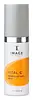 Key Ingredients
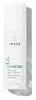
Benefits
Concerns
Ingredients Side-by-side
Aloe Barbadensis Leaf Juice
Skin Conditioning


Water
Skin ConditioningGlycerin
Humectant

Citrus Aurantium Dulcis Oil
Masking
Caprylic/Capric Triglyceride
Masking
Limonene
Perfuming




C12-15 Alkyl Benzoate
AntimicrobialCetearyl Olivate

Sorbitan Olivate
Emulsifying
Imperata Cylindrica Root Extract
Skin ConditioningMagnesium Ascorbyl Phosphate
Antioxidant




PPG-12/Smdi Copolymer
EmollientTetrahexyldecyl Ascorbate
Antioxidant
Glyceryl Stearate
Emollient
PEG-100 Stearate
Surfactant
Cetyl Alcohol
Emollient
Dimethicone
Emollient
Di-PPG-2 Myreth-10 Adipate
Emollient
Stearic Acid
Cleansing
Phenoxyethanol
Preservative
Ethylhexyl Methoxycinnamate
UV Absorber

Panthenol
Skin Conditioning
Prunus Amygdalus Dulcis Oil
Skin Conditioning
Xanthan Gum
EmulsifyingCaprylyl Glycol
Emollient
Butylene Glycol
Humectant
Tocopheryl Acetate
Antioxidant
Glycine Soja Sterols
Emollient
Linoleic Acid
Cleansing
Phospholipids
Skin Conditioning
Simmondsia Chinensis Seed Oil
Emollient
Squalene
Emollient
Propylene Glycol
Humectant
Ethylhexylglycerin
Skin ConditioningGlucosamine Hcl
Hexylene Glycol
EmulsifyingLinoleamidopropyl Pg-Dimonium Chloride Phosphate
PEG-8
HumectantPisum Sativum Extract
Skin ConditioningCitrus Nobilis Peel Oil
Masking
Dipotassium Glycyrrhizate
Humectant
Phyllanthus Emblica Fruit Extract
HumectantStearyl Glycyrrhetinate
Skin ConditioningBambusa Vulgaris Leaf/Stem Extract
HumectantTocopherol
Antioxidant
Magnesium Aluminum Silicate
Absorbent
Olea Europaea Leaf Extract
Perfuming
Disodium EDTA
Eugenia Caryophyllus Leaf Oil
Masking
Yeast Polysaccharides
Skin ConditioningSodium Hyaluronate
Humectant
Glyceryl Polymethacrylate
Carbomer
Emulsion StabilisingEugenol
Perfuming
Ascorbyl Palmitate
Antioxidant
Citric Acid
Buffering
Benzoic Acid
Masking
Camellia Sinensis Leaf Extract
Antimicrobial
Ascorbic Acid
Antioxidant
Sodium Lactate
Buffering
Polysorbate 20
Emulsifying
Acrylates/C10-30 Alkyl Acrylate Crosspolymer
Emulsion StabilisingSpiraea Ulmaria Flower Extract
Skin ConditioningTaurine
BufferingCorallina Officinalis Extract
Skin Conditioning
Vitis Vinifera Seed Extract
Antimicrobial
Centella Asiatica Flower/Leaf/Stem Extract
Skin Conditioning
Centella Asiatica Extract
Cleansing
Potassium Sorbate
Preservative
BHT
Antioxidant
Acetyl Hexapeptide-8
Humectant
Darutoside
Skin ConditioningPalmitoyl Pentapeptide-4
Skin Conditioning
Arginine
Masking
Leucine
Skin ConditioningLysine
Skin ConditioningSodium Benzoate
Masking
Valine
MaskingPalmitoyl Tripeptide-1
Skin Conditioning
Aloe Barbadensis Leaf Juice, Water, Glycerin, Citrus Aurantium Dulcis Oil, Caprylic/Capric Triglyceride, Limonene, C12-15 Alkyl Benzoate, Cetearyl Olivate, Sorbitan Olivate, Imperata Cylindrica Root Extract, Magnesium Ascorbyl Phosphate, PPG-12/Smdi Copolymer, Tetrahexyldecyl Ascorbate, Glyceryl Stearate, PEG-100 Stearate, Cetyl Alcohol, Dimethicone, Di-PPG-2 Myreth-10 Adipate, Stearic Acid, Phenoxyethanol, Ethylhexyl Methoxycinnamate, Panthenol, Prunus Amygdalus Dulcis Oil, Xanthan Gum, Caprylyl Glycol, Butylene Glycol, Tocopheryl Acetate, Glycine Soja Sterols, Linoleic Acid, Phospholipids, Simmondsia Chinensis Seed Oil, Squalene, Propylene Glycol, Ethylhexylglycerin, Glucosamine Hcl, Hexylene Glycol, Linoleamidopropyl Pg-Dimonium Chloride Phosphate, PEG-8, Pisum Sativum Extract, Citrus Nobilis Peel Oil, Dipotassium Glycyrrhizate, Phyllanthus Emblica Fruit Extract, Stearyl Glycyrrhetinate, Bambusa Vulgaris Leaf/Stem Extract, Tocopherol, Magnesium Aluminum Silicate, Olea Europaea Leaf Extract, Disodium EDTA, Eugenia Caryophyllus Leaf Oil, Yeast Polysaccharides, Sodium Hyaluronate, Glyceryl Polymethacrylate, Carbomer, Eugenol, Ascorbyl Palmitate, Citric Acid, Benzoic Acid, Camellia Sinensis Leaf Extract, Ascorbic Acid, Sodium Lactate, Polysorbate 20, Acrylates/C10-30 Alkyl Acrylate Crosspolymer, Spiraea Ulmaria Flower Extract, Taurine, Corallina Officinalis Extract, Vitis Vinifera Seed Extract, Centella Asiatica Flower/Leaf/Stem Extract, Centella Asiatica Extract, Potassium Sorbate, BHT, Acetyl Hexapeptide-8, Darutoside, Palmitoyl Pentapeptide-4, Arginine, Leucine, Lysine, Sodium Benzoate, Valine, Palmitoyl Tripeptide-1
Aloe Barbadensis Leaf Juice
Skin Conditioning
Water
Skin ConditioningSodium Lauroyl Methyl Isethionate
CleansingGlycerin
Humectant
PEG-18 Glyceryl Oleate/Cocoate
Emulsifying
Cocamidopropyl Betaine
Cleansing
PEG-120 Methyl Glucose Dioleate
Emulsifying
Sorbitol
Humectant
Decyl Glucoside
Cleansing
Phenoxyethanol
Preservative
Caprylic/Capric Triglyceride
Masking
Oryza Sativa Extract
Absorbent
Panthenol
Skin Conditioning
Trisodium Ethylenediamine Disuccinate
Camellia Sinensis Leaf Extract
Antimicrobial
Sodium Benzoate
Masking
Ethylhexylglycerin
Skin ConditioningAmyl Cinnamal
Perfuming
Citrus Aurantium Dulcis Fruit Extract
MaskingCitrus Limon Peel Extract
EmollientJuniperus Virginiana Wood Extract
Perfuming
Musa Sapientum Fruit Extract
Skin ConditioningPrunus Armeniaca Fruit Extract
Skin ConditioningPyrus Malus Fruit Extract
Skin Conditioning
Limonene
Perfuming
Arnica Montana Flower Extract
Masking
Calendula Officinalis Flower Extract
Masking
Chamomilla Recutita Flower Extract
Masking
Symphytum Officinale Root Extract
Skin ConditioningBenzyl Alcohol
Perfuming
Leuconostoc Ferment Filtrate
AntimicrobialAnanas Sativus Fruit Extract
Skin ConditioningButter Extract
Emollient
Citrus Paradisi Fruit Extract
Skin ConditioningCocos Nucifera Fruit Extract
Emollient
Coffea Arabica Leaf/Seed Extract
MaskingCucumis Melo Fruit Extract
Skin ConditioningFragaria Chiloensis Fruit Extract
Skin Conditioning
Olive Oil PEG-7 Esters
Emollient
Prunus Amygdalus Dulcis Fruit Extract
Skin ConditioningRubus Idaeus Fruit Extract
AstringentVanilla Planifolia Fruit Extract
Skin Conditioning
Sodium PEG-7 Olive Oil Carboxylate
Emulsifying
Avena Sativa Kernel Extract
Abrasive
Soybean Peroxidase
Antioxidant
Superoxide Dismutase
Antioxidant
Tocopherol
Antioxidant
Potassium Sorbate
Preservative
Aloe Barbadensis Leaf Juice, Water, Sodium Lauroyl Methyl Isethionate, Glycerin, PEG-18 Glyceryl Oleate/Cocoate, Cocamidopropyl Betaine, PEG-120 Methyl Glucose Dioleate, Sorbitol, Decyl Glucoside, Phenoxyethanol, Caprylic/Capric Triglyceride, Oryza Sativa Extract, Panthenol, Trisodium Ethylenediamine Disuccinate, Camellia Sinensis Leaf Extract, Sodium Benzoate, Ethylhexylglycerin, Amyl Cinnamal, Citrus Aurantium Dulcis Fruit Extract, Citrus Limon Peel Extract, Juniperus Virginiana Wood Extract, Musa Sapientum Fruit Extract, Prunus Armeniaca Fruit Extract, Pyrus Malus Fruit Extract, Limonene, Arnica Montana Flower Extract, Calendula Officinalis Flower Extract, Chamomilla Recutita Flower Extract, Symphytum Officinale Root Extract, Benzyl Alcohol, Leuconostoc Ferment Filtrate, Ananas Sativus Fruit Extract, Butter Extract, Citrus Paradisi Fruit Extract, Cocos Nucifera Fruit Extract, Coffea Arabica Leaf/Seed Extract, Cucumis Melo Fruit Extract, Fragaria Chiloensis Fruit Extract, Olive Oil PEG-7 Esters, Prunus Amygdalus Dulcis Fruit Extract, Rubus Idaeus Fruit Extract, Vanilla Planifolia Fruit Extract, Sodium PEG-7 Olive Oil Carboxylate, Avena Sativa Kernel Extract, Soybean Peroxidase, Superoxide Dismutase, Tocopherol, Potassium Sorbate
Ingredients Explained
These ingredients are found in both products.
Ingredients higher up in an ingredient list are typically present in a larger amount.
Aloe Barbadensis Leaf Juice comes from leaves of the aloe plant. Aloe Barbadensis Leaf Juice is best known for helping to soothe sunburns. It is also anti-inflammatory, moisturizing, antiseptic, and can help heal wounds.
Aloe is packed with good stuff including Vitamins A, C, and E. These vitamins are antioxidants, which help fight free-radicals and the damage they may cause. Free-radicals are molecules that may damage your skin cells, such as pollution.
Aloe Barbadensis Leaf Juice also contains sugars. These sugars come in the form of monosaccharides and polysaccharides, folic acid, and choline. These sugars are able to help bind moisture to skin.
It also contains minerals such as calcium, 12 anthraquinones, fatty acids, amino acids, and Vitamin B12.
Learn more about Aloe Barbadensis Leaf JuiceCamellia Sinensis Leaf Extract (tea extract) is one of the most well-researched plant extracts in skincare with an impressive resume.
Black tea, green tea, and oolong tea are all harvested from the Camellia Sinensis plant.
Studies show green tea extract and its catechins (like epigallocatechin gallate (EGCG)) help your skin cells product energy more efficiently and reducing the number of free-radicals that can damage your skin from the inside.
In lab-grown skin models, this translated to younger, healthier, and stronger skin.
There's also good sun protection data; researchers saw less DNA damage and redness on human skin when green tea was applied before UVB exposure. And the more they applied, the better the protection.
Needless to say, this ingredient shouldn't replace your sunscreen. But it is a great supportive ingredient that you can already find in many sunscreens and antioxidant serums.
A 2009 study found a 2% green tea lotion was effective for mild-to-moderate acne thanks to its anti-inflammatory and mild antimicrobial activity.
The quality of the extract matters a lot here:
Good extracts contain 50-90% catechins while lower quality ones are mostly there for marketing. We recommend reaching out to the brand if you have questions about the quality or source of their ingredients.
Human Repeated Insult Patch Testing showed no irritation or sensitization at use concentrations (0.86% in leave-on products and up to 30% as leaf water).
Learn more about Camellia Sinensis Leaf ExtractCaprylic/Capric Triglyceride (aka MCT Oil) is a lightweight emollient, solvent, and texture enhancer. It is considered a skin-softener by helping to prevent moisture loss.
Though it behaves like an oil, it is not technically one due to its chemical composition. One perk of this ingredient is that it is very stable, resistant to oxidation, and unlikely to go rancid.
In practice, that translates to a long shelf life and a consistently elegant skin feel.
While there is an assumption Caprylic Triglyceride can clog pores due to it being derived from coconut oil, there is no research supporting this. Just patch test if you have concerns.
Fractionated coconut oil and MCT Oil are both listed as Caprylic/Capric Triglyceride according to INCI. This is because INCI names are based on the ingredient’s final chemical composition and not its marketing name or source.
This ingredient is treated as the gold standard fungal acne safe oil. Even though it is coconut derived, the problematic lauric acid is stripped out.
This leaves just caprylic (C8) and capric (C10) acid. These chain lengths actually trend antifungal; a 2020 study found caprylic acid was enough to disrupt Malassezia furfur cell membrane, with a caprylic acid derivative damaging membrane structures at concentrations as low as 0.2%.
Learn more about Caprylic/Capric TriglycerideEthylhexylglycerin is created from glycerin. It is a multitasker ingredient that:
The CIR Expert Panel found minimal skin absorption or sensitization of any kind in a safety assessment. Though this ingredient is considered well-tolerated, a small number of cases of allergic dermatitis have been published since 2002. Just be sure to patch test if you are unsure.
Industry-reported use ranges from 8% in rinse-off products and 2% in leave-on formulations.
Learn more about EthylhexylglycerinGlycerin (or glycerol) is a compound naturally found in your skin. It's a powerhouse humectant that pulls water into the stratum corneum.
Topically, glycerin does several things at once:
Your skin makes glycerin on its own (mostly from sebaceous oil breakdown) and shuttles it to your outermost layer of skin, or your epidermis, via aquaporin-3.
Aquaporin-3 is a transporter that is essential for normal skin hydration, elasticity, and repair. Interestingly, mice lacking in AQP3 have dry and less elastic skin that can be fully corrected with glycerin.
This ingredient is non-irritating, plays well with almost every ingredient, and works across all skin types. Typical use is anywhere between 3-10% but can go up to 79% in some leave-on products.
Just know very high concentrations (>40%) can feel tacky in low humidity.
Glycerin is the name for this ingredient in American English. British English uses Glycerol/Glycerine.
Learn more about GlycerinLimonene is a fragrance that adds scent and taste to a formulation.
It's found in the peel oil of citrus fruits and other plants such as lavender and eucalyptus. The scent of limonene is generally described as "sweet citrus".
Limonene acts as an antioxidant, meaning it helps neutralize free radicals.
When exposed to air, oxidized limonene may sensitize the skin. Because of this, limonene is often avoided by people with sensitive skin.
The term 'fragrance' is not regulated in many countries. In many cases, it is up to the brand to define this term. For instance, many brands choose to label themselves as "fragrance-free" because they are not using synthetic fragrances. However, their products may still contain ingredients such as essential oils that are considered a fragrance.
Learn more about LimonenePanthenol is a common ingredient that helps hydrate and soothe the skin. It is found naturally in our skin and hair.
There are two forms of panthenol: D and L.
D-panthenol is also known as dexpanthenol. Most cosmetics use dexpanthenol or a mixture of D and L-panthenol.
Panthenol is famous due to its ability to go deeper into the skin's layers. Using this ingredient has numerous pros (and no cons):
Like hyaluronic acid, panthenol is a humectant. Humectants are able to bind and hold large amounts of water to keep skin hydrated.
This ingredient works well for wound healing. It works by increasing tissue in the wound and helps close open wounds.
Once oxidized, panthenol converts to pantothenic acid. Panthothenic acid is found in all living cells.
This ingredient is also referred to as pro-vitamin B5.
Learn more about PanthenolPhenoxyethanol is a preservative that has germicide, antimicrobial, and aromatic properties. Studies show that phenoxyethanol can prevent microbial growth. By itself, it has a scent that is similar to that of a rose.
It's often used in formulations along with Caprylyl Glycol to preserve the shelf life of products.
Potassium Sorbate is a preservative used to prevent yeast and mold in products. It is commonly found in both cosmetic and food products.
This ingredient comes from potassium salt derived from sorbic acid. Sorbic acid is a natural antibiotic and effective against fungus.
Both potassium sorbate and sorbic acid can be found in baked goods, cheeses, dried meats, dried fruit, ice cream, pickles, wine, yogurt, and more.
You'll often find this ingredient used with other preservatives.
Learn more about Potassium SorbateSodium Benzoate is a preservative. It's used in both cosmetic and food products to inhibit the growth of mold and bacteria. It is typically produced synthetically.
Both the US FDA and EU Health Committee have approved the use of sodium benzoate. In the US, levels of 0.1% (of the total product) are allowed.
Sodium benzoate works as a preservative by inhibiting the growth of bacteria inside of cells. It prevents the cell from fermenting a type of sugar using an enzyme called phosphofructokinase.
It is the salt of benzoic acid. Foods containing sodium benzoate include soda, salad dressings, condiments, fruit juices, wines, and snack foods.
Studies for using ascorbic acid and sodium benzoate in cosmetics are lacking, especially in skincare routines with multiple steps.
We always recommend speaking with a professional, such as a dermatologist, if you have any concerns.
Learn more about Sodium BenzoateTocopherol is a fat-soluble antioxidant known as Vitamin E.
You'll find this ingredient in the vast majority of skincare (for good reason). It works to neutralize free radicals, or unstable molecules generated by UV exposure, pollution, and other environmental stressors, before they can cause oxidative damage to your skin cells.
Topically applied tocopherol has been shown to protect against UV damage by ramping up the skin's own natural defense enzymes.
It also acts as a skin conditioning agent; some studies show that regular topical use can improve the skin's water-binding capacity over 2-4 weeks.
This ingredient is especially loved for being a team player. When combined with Vitamin C, the photoprotective effect of both ingredients roughly doubles and the combo also helps reduce UV-induced DNA damage.
This ingredient has some brightening potential but it's more of a prevention ingredient than spot-fader. Cell studies show it can slow down melanin production but it's worth noting that it's not the most powerful brightener out there.
In formulations, it also serves as a stabilizer that helps protect other oxidation-prone ingredients from degrading.
Concentrations usually range from 0.1-1% in most leave-on products.
Learn more about TocopherolWater. It's the most common cosmetic ingredient of all. You'll usually see it at the top of ingredient lists, meaning that it makes up the largest part of the product.
So why is it so popular? Water most often acts as a solvent - this means that it helps dissolve other ingredients into the formulation.
You'll also recognize water as that liquid we all need to stay alive. If you see this, drink a glass of water. Remember to stay hydrated!
Learn more about Water
