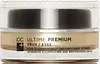
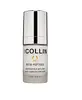
IDC Intensive Illuminating & Replenishing Cream Ultime Premium Eyes Versus G.M. Collin Bota-Peptide Eye Contour
This anti-aging eye moisturizer is formulated around Bakuchiol and Caffeine to soften the look of wrinkles.
This anti-aging eye moisturizer is formulated around Acetyl Hexapeptide-8 and Palmitoyl Tetrapeptide-7 to soften the look of wrinkles.

What's inside
What's inside
 Key Ingredients
Benefits
Concerns
Ingredients Side-by-side
Water
Skin ConditioningGlycerin
Humectant


Glyceryl Stearate Se
Emulsifying




Dimethicone
Emollient
Caprylic/Capric Triglyceride
Masking
Squalane
Emollient
Cetearyl Alcohol
Emollient
Synthetic Fluorphlogopite
Butylene Glycol
Humectant
Dipalmitoyl Hydroxyproline
Skin Conditioning
Glyceryl Stearate
Emollient
Jojoba Esters
Emollient
Citrus Grandis Fruit Water
Masking
Albizia Julibrissin Bark Extract
MaskingCitrullus Lanatus Fruit Extract
Skin Conditioning
Bakuchiol
Antimicrobial






Helianthus Annuus Seed Wax
Skin Conditioning
Caffeine
Skin Conditioning
Pyrus Malus Fruit Extract
Skin Conditioning
Sodium Hyaluronate
Humectant
Hydrolyzed Sodium Hyaluronate
Skin Conditioning
Gleditsia Triacanthos Seed Extract
Palmitoyl Tripeptide-38
Skin Conditioning
Palmitoyl Tripeptide-1
Skin Conditioning
Humulus Lupulus Oil
Masking
Palmitoyl Tetrapeptide-7
Skin Conditioning
Propanediol
Solvent
Polysilicone-11
Bisabolol
Antioxidant
Tocopheryl Acetate
Antioxidant
Lens Esculenta Fruit Extract
Skin ConditioningSodium Stearoyl Glutamate
CleansingAmmonium Acryloyldimethyltaurate/Vp Copolymer
Salicylic Acid
Masking





Polyacrylamide
Palmitic Acid
Emollient
Sodium Lactate
Buffering
Creatine
Skin ConditioningC13-14 Isoparaffin
Emollient
Tetrasodium Glutamate Diacetate
ChelatingTropaeolum Majus Flower/Leaf/Stem Extract
Skin ConditioningCaprylyl Glycol
Emollient
Alteromonas Ferment Extract
Skin Conditioning
Teprenone
Skin ConditioningHydroxypropyl Cyclodextrin
MaskingCarica Papaya Fruit Extract
Skin ConditioningCentella Asiatica Flower/Leaf/Stem Extract
Skin Conditioning
Iris Florentina Root Extract
MaskingPolyglycerin-3
Humectant
Andrographis Paniculata Leaf Extract
AstringentLaureth-7
EmulsifyingSodium PCA
Humectant
Carbomer
Emulsion StabilisingStyrene Oxide
Decyl Glucoside
Cleansing
Biosaccharide Gum-1
Humectant
Polysorbate 20
Emulsifying
Hexylene Glycol
EmulsifyingCitric Acid
Buffering
Darutoside
Skin ConditioningSodium Hydroxide
BufferingBenzyl Alcohol
Perfuming


Sorbic Acid
Preservative
Sodium Benzoate
Masking
Phenoxyethanol
Preservative
Potassium Sorbate
Preservative
1,2-Hexanediol
Skin Conditioning
Parfum
Masking
CI 77891
Cosmetic ColorantCI 77491
Cosmetic ColorantWater, Glycerin, Glyceryl Stearate Se, Dimethicone, Caprylic/Capric Triglyceride, Squalane, Cetearyl Alcohol, Synthetic Fluorphlogopite, Butylene Glycol, Dipalmitoyl Hydroxyproline, Glyceryl Stearate, Jojoba Esters, Citrus Grandis Fruit Water, Albizia Julibrissin Bark Extract, Citrullus Lanatus Fruit Extract, Bakuchiol, Helianthus Annuus Seed Wax, Caffeine, Pyrus Malus Fruit Extract, Sodium Hyaluronate, Hydrolyzed Sodium Hyaluronate, Gleditsia Triacanthos Seed Extract, Palmitoyl Tripeptide-38, Palmitoyl Tripeptide-1, Humulus Lupulus Oil, Palmitoyl Tetrapeptide-7, Propanediol, Polysilicone-11, Bisabolol, Tocopheryl Acetate, Lens Esculenta Fruit Extract, Sodium Stearoyl Glutamate, Ammonium Acryloyldimethyltaurate/Vp Copolymer, Salicylic Acid, Polyacrylamide, Palmitic Acid, Sodium Lactate, Creatine, C13-14 Isoparaffin, Tetrasodium Glutamate Diacetate, Tropaeolum Majus Flower/Leaf/Stem Extract, Caprylyl Glycol, Alteromonas Ferment Extract, Teprenone, Hydroxypropyl Cyclodextrin, Carica Papaya Fruit Extract, Centella Asiatica Flower/Leaf/Stem Extract, Iris Florentina Root Extract, Polyglycerin-3, Andrographis Paniculata Leaf Extract, Laureth-7, Sodium PCA, Carbomer, Styrene Oxide, Decyl Glucoside, Biosaccharide Gum-1, Polysorbate 20, Hexylene Glycol, Citric Acid, Darutoside, Sodium Hydroxide, Benzyl Alcohol, Sorbic Acid, Sodium Benzoate, Phenoxyethanol, Potassium Sorbate, 1,2-Hexanediol, Parfum, CI 77891, CI 77491
Water
Skin ConditioningButylene Glycol
Humectant
Glycerin
Humectant
Arachidyl Alcohol
Emollient
Cetearyl Isononanoate
Emollient
Propanediol Dicaprylate
EmollientSqualane
Emollient
Behenyl Alcohol
Emollient
Propanediol
Solvent
Ethylhexylglycerin
Skin ConditioningButyrospermum Parkii Butter
Skin Conditioning
Dimethicone
Emollient
Glyceryl Stearate Se
Emulsifying
PEG-100 Stearate
Surfactant
Citrullus Lanatus Fruit Extract
Skin Conditioning
Glycine Soja Sterols
Emollient
Lens Esculenta Fruit Extract
Skin ConditioningIrvingia Gabonensis Kernel Butter
Skin Conditioning
Pyrus Malus Fruit Extract
Skin Conditioning
Tocopheryl Acetate
Antioxidant
Hesperidin Methyl Chalcone
Antioxidant
Acmella Oleracea Extract
Skin ProtectingArgania Spinosa Kernel Oil
Emollient
Asparagopsis Armata Extract
Skin Protecting
Sodium Hyaluronate
Humectant
Retinyl Palmitate
Skin Conditioning
Ascophyllum Nodosum Extract
Skin Conditioning
Sodium PCA
Humectant
N-Hydroxysuccinimide
Skin ConditioningVaccinium Macrocarpon Fruit Extract
AstringentDipeptide-2
Skin Conditioning
Acetyl Tetrapeptide-5
Humectant
Acetyl Hexapeptide-8
Humectant
Palmitoyl Tetrapeptide-7
Skin Conditioning
Caffeine
Skin Conditioning
Palmitoyl Tripeptide-1
Skin Conditioning
Chrysin
Skin ConditioningChlorphenesin
Antimicrobial
Potassium Sorbate
Preservative
Chlorhexidine Digluconate
Antimicrobial
Sodium Benzoate
Masking
Phenoxyethanol
Preservative
Tocopherol
Antioxidant
Arachidyl Glucoside
EmulsifyingAcrylamide/Ammonium Acrylate Copolymer
Octyldodecanol
Emollient
Hydrogenated Starch Hydrolysate
HumectantParfum
Masking
Polyisobutene
Steareth-20
CleansingDisodium EDTA
ChelatingXanthan Gum
EmulsifyingHydrogenated Coco-Glycerides
Emollient
Sodium Lactate
Buffering
Triethanolamine
BufferingPolysorbate 20
Emulsifying
Sorbitan Isostearate
Emulsifying
Carbomer
Emulsion StabilisingHexamethylindanopyran
Masking
Sodium Citrate
BufferingLinalyl Acetate
Masking
Tetramethyl Acetyloctahydronaphthalenes
Masking
1,2-Hexanediol
Skin Conditioning
Caprylyl Glycol
Emollient
Citric Acid
Buffering
Biotin
AntiseborrhoeicWater, Butylene Glycol, Glycerin, Arachidyl Alcohol, Cetearyl Isononanoate, Propanediol Dicaprylate, Squalane, Behenyl Alcohol, Propanediol, Ethylhexylglycerin, Butyrospermum Parkii Butter, Dimethicone, Glyceryl Stearate Se, PEG-100 Stearate, Citrullus Lanatus Fruit Extract, Glycine Soja Sterols, Lens Esculenta Fruit Extract, Irvingia Gabonensis Kernel Butter, Pyrus Malus Fruit Extract, Tocopheryl Acetate, Hesperidin Methyl Chalcone, Acmella Oleracea Extract, Argania Spinosa Kernel Oil, Asparagopsis Armata Extract, Sodium Hyaluronate, Retinyl Palmitate, Ascophyllum Nodosum Extract, Sodium PCA, N-Hydroxysuccinimide, Vaccinium Macrocarpon Fruit Extract, Dipeptide-2, Acetyl Tetrapeptide-5, Acetyl Hexapeptide-8, Palmitoyl Tetrapeptide-7, Caffeine, Palmitoyl Tripeptide-1, Chrysin, Chlorphenesin, Potassium Sorbate, Chlorhexidine Digluconate, Sodium Benzoate, Phenoxyethanol, Tocopherol, Arachidyl Glucoside, Acrylamide/Ammonium Acrylate Copolymer, Octyldodecanol, Hydrogenated Starch Hydrolysate, Parfum, Polyisobutene, Steareth-20, Disodium EDTA, Xanthan Gum, Hydrogenated Coco-Glycerides, Sodium Lactate, Triethanolamine, Polysorbate 20, Sorbitan Isostearate, Carbomer, Hexamethylindanopyran, Sodium Citrate, Linalyl Acetate, Tetramethyl Acetyloctahydronaphthalenes, 1,2-Hexanediol, Caprylyl Glycol, Citric Acid, Biotin
Ingredients Explained
These ingredients are found in both products.
Ingredients higher up in an ingredient list are typically present in a larger amount.
1,2-Hexanediol is a synthetic liquid and another multi-functional powerhouse.
It is a:
- Humectant, drawing moisture into the skin
- Emollient, helping to soften skin
- Solvent, dispersing and stabilizing formulas
- Preservative booster, enhancing the antimicrobial activity of other preservatives
Butylene Glycol (or BG) is used within cosmetic products for a few different reasons:
Overall, Butylene Glycol is a safe and well-rounded ingredient that works well with other ingredients.
Though this ingredient works well with most skin types, some people with sensitive skin may experience a reaction such as allergic rashes, closed comedones, or itchiness.
Learn more about Butylene GlycolCaffeine is a naturally occurring plant compound found in coffee beans, tea leaves, cocoa pods, and guarana.
As an antioxidant, caffeine protects your skin from free radical damage caused by UV exposure and envionrmnetal stressors.
Early research also shows that caffeine can help calm redness, soothe irritated skin, and support hair growth by stimulating microcirculation in the scalp.
You might have seen eye creams marketing caffeine as a depuffing ingredient. This is because it is a vasoconstrictor meaning it can temporarily constrict blood vessels, though clinical evidence for this specific use is still limited.
Most skincare products contain this ingredient at concentrations between 1-6%. It is able to penetrate skin easily regardless of skin type or thickness.
Just so you know, a very small number of case reports describe caffeine-induced allergy. This ingredient is generally well-tolerated, non-irritating, and non-sensitizing for the majority of people.
Learn more about CaffeineCaprylyl Glycol is a humectant, skin conditioner, emollient, and preservative booster derived from either caprylic acid or synthetically created.
Typical use levels vary from 0.3-1% as a preservative booster and go up to 2% to condition skin.
Because it is not a free-fatty acid, this ingredient is fungal acne safe (there's nothing for Malassezia to feed on).
Learn more about Caprylyl GlycolCarbomer is a synthetic thickening and gelling agent. It's basically the ingredient that gives a lot of serums, gels, creams, and sunscreens their smooth, non-sticky texture.
Although legally permitted at very high levels, carbomers are normally used at concentrations below 1%.
It also needs to be neutralized to actually thicken, and because it is a large molecule, it doesn't really penetrate the skin barrier.
Allergy-wise, the risk is very low. Clinical studies show carbomers have low potential for skin irritation/sensitization even at concentrations up to 100%.
A 2024 UK study patch-tested 1,302 patients and found true allergy to the parent group of carbomer to be rare with no confirmed relevant reactions.
Learn more about CarbomerCitric Acid is an alpha hydroxy acid (AHA) naturally found in citrus fruits like oranges, lemons, and limes.
Like other AHAs, citric acid can exfoliate skin by breaking down the bonds that hold dead skin cells together. This helps reveal smoother and brighter skin underneath.
However, this exfoliating effect only happens at high concentrations (20%) which can be hard to find in cosmetic products.
Due to this, citric acid is usually included in small amounts as a pH adjuster. This helps keep products slightly more acidic and compatible with skin's natural pH.
In skincare formulas, citric acid can:
While it can provide some skin benefits, research shows lactic acid and glycolic acid are generally more effective and less irritating exfoliants.
Most citric acid used in skincare today is made by fermenting sugars (usually from molasses). This synthetic version is identical to the natural citrus form but easier to stabilize and use in formulations.
Rosacea skin has a lower threshold for acids generally, with 62.5% of rosacea subjects in one study reacting to lactic acid in a sting test. This is why we mark citric acid as a potential rosacea trigger.
However, this ingredient shows up as a pH adjuster or chelator at roughly 0.1-1% in many products. These low levels are unlikely to be an issue for rosacea skin and becomes a potential trigger at exfoliating concentrations (20%). Because everybody's skin is unique, we recommend a patch test if you are unsure.
Learn more about Citric AcidCitrullus Lanatus Fruit Extract comes from the watermelon. Watermelon has antioxidant and anti-inflammatory properties.
Watermelons are rich in antioxidants such as Vitamin A, Vitamin C and lycopene. It also contains sugars and amino acids, such as arginine and glutathione.
Lycopene is a potent antioxidant. Besides helping to protect your skin against free-radical molecules, it also helps soothe the skin. Lycopene gives watermelon the distinct red color.
Learn more about Citrullus Lanatus Fruit ExtractDimethicone is a type of synthetic silicone created from natural materials such as quartz. It is also known as polydimethylsiloxane.
What it does:
Dimethicone comes in different viscosities:
Depending on the viscosity, dimethicone has different properties.
Ingredients lists don't always show which type is used, so we recommend reaching out to the brand if you have questions about the viscosity.
This ingredient is unlikely to cause irritation because it does not get absorbed into skin. However, people with silicone allergies should be careful about using this ingredient.
Note: Dimethicone may contribute to pilling. This is because it is not oil or water soluble, so pilling may occur when layered with products. When mixed with heavy oils in a formula, the outcome is also quite greasy.
Learn more about DimethiconeGlycerin (or glycerol) is a compound naturally found in your skin. It's a powerhouse humectant that pulls water into the stratum corneum.
Topically, glycerin does several things at once:
Your skin makes glycerin on its own (mostly from sebaceous oil breakdown) and shuttles it to your outermost layer of skin, or your epidermis, via aquaporin-3.
Aquaporin-3 is a transporter that is essential for normal skin hydration, elasticity, and repair. Interestingly, mice lacking in AQP3 have dry and less elastic skin that can be fully corrected with glycerin.
This ingredient is non-irritating, plays well with almost every ingredient, and works across all skin types. Typical use is anywhere between 3-10% but can go up to 79% in some leave-on products.
Just know very high concentrations (>40%) can feel tacky in low humidity.
Glycerin is the name for this ingredient in American English. British English uses Glycerol/Glycerine.
Learn more about GlycerinGlyceryl Stearate SE is a self-emulsifying (SE) form of Glyceryl Stearate. It comes with a small amount of soap (usually potassium or sodium stearate) that gives it the "SE" part.
That soap lets it pull oil and water together on its own which is why it shows up as an emulsifier, thickener, and emollient.
Industry survey data shows this ingredient is used around 1-5% but Glyceryl Stearate goes as high at 17% in a leave-on deodorant.
Safety-wise, it's pretty boring: it's been deemed safe for topical use in 1982 and again most recently in 2021 by the CIR. Human repeat insult patch tests come back non-irritating, non-sensitizing, non-phototoxic, and non-photoallergenic.
This ingredient does carry a comedogenic rating of 3 from the old rabbit-ear assay. Just remember testing finished products in humans showed that formulas built with "comedogenic" ingredients are not necessarily comedogenic themselves. It's worth patch testing if you're breakout prone, and always listen to your skin.
The Malassezia yeast can potentially metabolize the stearic acid in this ingredient, so it may not be fungal acne safe.
Allergy is rare: a 310-patient patch test study of common emulsifiers found this ingredient was not a meaningful reactor. Isolated case reports do exist so a true contact allergy is possible but uncommon.
Learn more about Glyceryl Stearate SeWe don't have a description for Lens Esculenta Fruit Extract yet.
Palmitoyl Tetrapeptide-7 (formerly Palmitoyl Tetrapeptide-3) is a synthetic peptide. Its main job is to fight what researchers call "inflammaging".
"Inflammaging" is the slow, low-grade chronic inflammation that quietly breaks down collagen as we age.
This ingredient calms down a specific inflammation signal in your skin cells (called IL-6). When left unchecked, this signal triggers enzymes that break down collagen and elastin.
Clinical testing showed statistically significant improvements in:
Studies also found the more of this ingredient used, the more your skin produces Collagen I, fibronectin, and hyaluronic acid.
You'll likely see this ingredient paired with Palmitoyl Tripeptide-1 in the well-known Matrixyl 3000 complex for enhanced anti-aging effects.
A 3% concentration applied twice daily for two months showed meaningful skin rejuvenation results in clinical panels.
Fungal acne note:
Usually a palmitic acid component can feed Malassezia in unbound form, but here is is covalently bonded to the peptide. This means it is very difficult for Malassezia to access, and therefore very unlikely to cause fungal acne.
Palmitoyl Tripeptide-1 (aka Pal-GHK) is a synthetic signal peptide made of three amino acids attached to palmitic acid.
That fatty acid attachment is the key: it boosts the peptide's ability to penetrate the skin barrier. This puts it closer to the dermal cells where it can actually make a difference.
Once there, it acts as a matrikine, a signaling peptide that prompts fibroblasts to produce more collagen, fibronectin, and hyaluronic acid.
In vitro studies show it can boost collagen production in skin cells even when UV-damaged skin samples were treated with it at a tiny concentration (it almost fully restored dermal collagen at 5ppm). It achieved this at 100x lower concentration than retinoic acid, which needed 500 ppm to do the same thing.
Human clinical data is promising, but modest:
A study of 23 female volunteers found a small but statistically significant increase (~4%) in skin thickness after treatment at 4 ppm.
A separate small trial of 15 women showed statistically significant reductions in wrinkle length, depth, and skin roughness after applying it twice daily for four weeks.
You'll likely see Pal-GHK paired with Palmitoyl Tetrapeptide-7 as part of the Matrixyl 3000 complex.
Fungal acne note:
Usually a palmitic acid component can feed Malassezia in unbound form, but here is is covalently bonded to the peptide. This means it is very difficult for Malassezia to access, and therefore very unlikely to cause fungal acne.
Parfum is a catch-all term for an ingredient or more that is used to give a scent to products.
Also called "fragrance", this ingredient can be a blend of hundreds of chemicals or plant oils. This means every product with "fragrance" or "parfum" in the ingredients list is a different mixture.
For instance, Habanolide is a proprietary trade name for a specific aroma chemical. When used as a fragrance ingredient in cosmetics, most aroma chemicals fall under the broad labeling category of “FRAGRANCE” or “PARFUM” according to EU and US regulations.
The term 'parfum' or 'fragrance' is not regulated in many countries. In many cases, it is up to the brand to define this term.
For instance, many brands choose to label themselves as "fragrance-free" because they are not using synthetic fragrances. However, their products may still contain ingredients such as essential oils that are considered a fragrance by INCI standards.
One example is Calendula flower extract. Calendula is an essential oil that still imparts a scent or 'fragrance'.
Depending on the blend, the ingredients in the mixture can cause allergies and sensitivities on the skin. Some ingredients that are known EU allergens include linalool and citronellol.
Parfum can also be used to mask or cover an unpleasant scent.
The bottom line is: not all fragrances/parfum/ingredients are created equally. If you are worried about fragrances, we recommend taking a closer look at an ingredient. And of course, we always recommend speaking with a professional.
Learn more about ParfumPhenoxyethanol is one of the most widely used preservatives in skincare (and for good reason!).
It has a large spectrum of antimicrobial activity and especially effective bacteria, yeast, and mold while only having a weak effect on your skin's natural microbiome.
On a cellular level, it disrupts the cell membranes of microbes by poking holes that make the cell leak. This shuts down the chemical reactions the microbe needs to make energy so it can no longer survive.
Another perk of this ingredient is that it stays functional across a wide pH range (3-10).
You'll often see it paired with boosters like Ethylhexylglycerin; one study showed that a 1:9 ratio of Ethylhexylglycerin to Phenoxyethanol damages bacterial membranes as effectively as doubling the Phenoxyethanol concentration on its own.
Typical use concentrations range from 0.3-1% depending on the formula, and this ingredient is capped at 1% int the EU.
Safety-wise, the fear mongering does not hold up to the evidence. The EU's Scientific Committee on Consumer Safety and FDA consider it safe as a preservative at up to 1%, including for children of all ages.
Adverse systemic effects only showed up in animal studies at exposures roughly 200x higher than what people get from cosmetics. And despite its very widespread use, this ingredient is a rare sensitizer and allergic reactions are uncommon.
Learn more about PhenoxyethanolPolysorbate 20 is a gentle, water-soluble emulsifier and mild surfactant. It stops oil and water from separating to keep your formulas blended and stable.
It also acts as a mild penetration enhancer by helping active ingredients absorb slightly better.
The common safety discussion around this ingredient involves a manufacturing byproduct called 1,4-dioxane.
Trace amounts can form during production but the EU's Scientific Committee on Consumer Safety has concluded that levels at/below 10 ppm in finished products are safe (commercial products consistently fall within acceptable margins).
True allergic reactions are uncommon and the CIR Expert Panel has confirmed this ingredient to be safe as used in cosmetics.
Because it is derived from lauric acid, it may not be fungal acne safe.
Learn more about Polysorbate 20Potassium Sorbate is a preservative used to prevent yeast and mold in products. It is commonly found in both cosmetic and food products.
This ingredient comes from potassium salt derived from sorbic acid. Sorbic acid is a natural antibiotic and effective against fungus.
Both potassium sorbate and sorbic acid can be found in baked goods, cheeses, dried meats, dried fruit, ice cream, pickles, wine, yogurt, and more.
You'll often find this ingredient used with other preservatives.
Learn more about Potassium SorbatePropanediol is an all-star ingredient. It softens, hydrates, and smooths the skin.
It’s often used to:
Propanediol is not likely to cause sensitivity and considered safe to use. It is derived from corn or petroleum with a clear color and no scent.
Learn more about PropanediolPyrus Malus Fruit Extract is extract from Apples. Apples are rich in Vitamin C, sugars, and antioxidants.
The sugar in Apples are humectants and help hydrate the skin. On top of that, apples also contain some acids, such as malic acid. These acids may have a mild exfoliating effect.
Last, the phytochemicals found in apples are strong antioxidants. These antioxidants help with anti-aging as they protect your skin cells against oxidative damage.
Learn more about Pyrus Malus Fruit ExtractSodium Benzoate is a preservative. It's used in both cosmetic and food products to inhibit the growth of mold and bacteria. It is typically produced synthetically.
Both the US FDA and EU Health Committee have approved the use of sodium benzoate. In the US, levels of 0.1% (of the total product) are allowed.
Sodium benzoate works as a preservative by inhibiting the growth of bacteria inside of cells. It prevents the cell from fermenting a type of sugar using an enzyme called phosphofructokinase.
It is the salt of benzoic acid. Foods containing sodium benzoate include soda, salad dressings, condiments, fruit juices, wines, and snack foods.
Studies for using ascorbic acid and sodium benzoate in cosmetics are lacking, especially in skincare routines with multiple steps.
We always recommend speaking with a professional, such as a dermatologist, if you have any concerns.
Learn more about Sodium BenzoateSodium Hyaluronate is the salt form of hyaluronic acid. It is a long sugar chain that is naturally found in your skin, joints, and connective tissue that maintains hydration and elasticity.
In skincare, it works as a humectant. It pulls water from the environment and deeper layers of skin and binds it to the surface.
Interestingly, the size of the molecule affects its behavior:
Some clinical evidence links low molecular weight versions to improved wrinkle depth, elasticity, anti-inflammatory effects, and barrier repair.
Many serums use a blend of both weights so you can get surface hydration plus longer-lasting and deeper effects.
You'll typically see concentrations between 0.1-2% for this ingredient.
Learn more about Sodium HyaluronateSodium Lactate is the sodium salt of lactic acid, an AHA. It is a humectant and sometimes used to adjust the pH of a product.
This ingredient is part of our skin's NMF, or natural moisturizing factor. Our NMF is essential for the hydration of our top skin layers and plasticity of skin. NMF also influences our skin's natural acid mantle and pH, which protects our skin from harmful bacteria.
High percentages of Sodium Lactate can have an exfoliating effect.
Fun fact: Sodium Lactate is produced from fermented sugar.
Learn more about Sodium LactateSodium PCA (the salt of PCA) is one of the most well-established humectants in skincare.
Why is it so special? Your skin already makes it naturally; it's a natural component of your skin's Natural Moisturizing Factor (NMF), or the mix of water-binding compounds inside your skin cells that keeps things soft and hydrated.
As a cosmetic ingredient, it grabs water and holds it in the upper layers of skin to smooth roughness and ease dehydration.
There's some clinical support for the NMF approach with a study showing that a cream built to mimic the skin's NMF significantly boosted hydration.
Safety-wise, this ingredient non-irritating, non-comedogenic, and non-phototoxic in testing, with minimal skin absorption.
It also works really well with other hydrators like glycerin or hyaluronic acid, and typical usage is somewhere between 0.2-4%.
Learn more about Sodium PCASqualane is the hydrogenated and shelf-stable form of squalene (a lipid that naturally occurs in human sebum).
It is an emollient and skin conditioning agent that is able to integrate seamlessly into the skin's lipid barrier without clogging pores.
This is due to how structurally similar it is to what your skin already produces.
Though it is mostly an emollient that helps soften and hydrate skin, it also has some humectant and occlusive action. Humectants help the skin retain moisture while occlusives seal it in, making squalane a triple-threat moisturizer.
Research shows it has antioxidant capabilities that help protect against stressors like UV exposure, specifically UVA induced oxidative stress. This study also found that it supports collagen biosynthesis in human dermal fibroblasts.
No clinical study has reported significant adverse effects and irritation reactions are very rare from this ingredient (even at 100% concentration).
Overall, it's a fantastic ingredient for hydration and is suitable for all skin types.
This depends on the source. Squalane can be derived from both plants and animals. Most squalane used in skincare comes from plants.
Please note: the source of squalane is only known if disclosed by the brand. We recommend reaching out to the brand if you have any questions about their squalane.
Read more about squalene with an "e".
Though squalane is often called an oil, it’s technically not one. It is a hydrocarbon, meaning it is only made of carbon and hydrogen. True oils are triglycerides and made of fatty acids and glycerol.
The term “oil-free” isn’t regulated so companies can define it however they want. Some exclude all oils, while others just avoid mineral oil or comedogenic oils.
Squalane has a comedogenic rating of 1 from the original 1972 study that tested raw ingredients under occlusion on rabbit ears. This system is not standardized or peer-reviewed, and using the raw ingredients is very different from how diluted cosmetic formulations are used on human skin.
A comedogenic rating of 1 means it is "unlikely to clog pores" according to the original rating system.
The overall formula of a product matters more than the individual ingredients on whether or not it will cause clogged pores.
Learn more about SqualaneTocopheryl Acetate is a stable, shelf-friendly form of vitamin E.
Formulators love it because plain vitamin E oxidizes quickly once it hits air. This acetate version stays stable and resists going off, helping to extend a product's shelf life.
It's actually inactive on its own and works like a slow-release "storage" form; the enzymes in your skin called esterases gradually convert it into active vitamin E over time.
One in vivo study showed 5% of the acetate in the living layer of the epidermis converted to vitamin E after 5 days of application. This study also found the skin gained protection against UV damage even though the conversion was slow and small.
Once converted, vitamin E acts as a skin's main fat-soluble antioxidant that fights free radicals to protect skin from damage.
Topical vitamin E generally boosts the skin's photoprotection, and it reduced UV-damage in animal models.
This ingredient has some brightening potential but it's more of a prevention ingredient than spot-fader. Cell studies show it can slow down melanin production but it's worth noting that it's not the most powerful brightener out there.
Overall, it has a pretty solid safety profile and has been found to be non-irritating and non-comedogenic. Allergic reactions may happen but stay rare due to how widely the ingredient gets used.
The concentration will vary depending on the formula; industry data shows 0.1% in baby lotions, 3% in lipsticks, and 5% in foot powders. You can also find this ingredient at 100% in a pure vitamin E oil.
Most leave-on skincare keeps it at the lower end, often between 0.5-1%.
Learn more about Tocopheryl AcetateWater. It's the most common cosmetic ingredient of all. You'll usually see it at the top of ingredient lists, meaning that it makes up the largest part of the product.
So why is it so popular? Water most often acts as a solvent - this means that it helps dissolve other ingredients into the formulation.
You'll also recognize water as that liquid we all need to stay alive. If you see this, drink a glass of water. Remember to stay hydrated!
Learn more about Water

