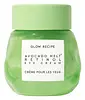
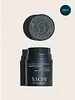
Glow Recipe Avocado Melt Retinol Eye Cream Versus Sachi Skin Ursolic Acid and Retinal Overnight Reform Serum
This anti-aging eye moisturizer is formulated around Retinol and Persea Gratissima Oil to soften the look of wrinkles and refine skin texture.
This anti-aging serum is formulated around Niacinamide and Retinal to soften the look of wrinkles and refine skin texture.


What's inside
What's inside
 Key Ingredients
Benefits
Concerns
Ingredients Side-by-side
Water
Skin ConditioningGlycerin
Humectant


Propanediol
Solvent
Cetearyl Alcohol
Emollient






Glyceryl Stearate
Emollient
Persea Gratissima Oil
Skin Conditioning
C9-12 Alkane
SolventStearic Acid
Cleansing
Butyrospermum Parkii Butter
Skin Conditioning
Kaolin
Abrasive



Sodium Lauroyl Glutamate
SurfactantPersea Gratissima Fruit Extract
EmollientSqualane
Emollient
Niacinamide
Smoothing





Ethylhexylglycerin
Skin ConditioningHexylresorcinol
Antimicrobial
Oryza Sativa Extract
Absorbent
Tocopheryl Acetate
Antioxidant

Aloe Barbadensis Leaf Juice
Skin Conditioning
Coffea Arabica Fruit Extract
Antioxidant
Hyaluronic Acid
Humectant
Ethylhexyl Palmitate
Emollient
Sodium Hyaluronate
Humectant
Retinol
Skin Conditioning

Pei-10
Hydrated Silica
Abrasive
Sodium Chloride
MaskingFructan
Skin ConditioningMaltodextrin
Absorbent
Spirulina Maxima Extract
SmoothingCI 75300
Cosmetic ColorantPotassium Chloride
Potassium Phosphate
BufferingButylene Glycol
Humectant
Sodium Phosphate
BufferingHydrogenated Starch Hydrolysate
HumectantMaltooligosyl Glucoside
Skin ConditioningArginine
Masking
Silica Dimethyl Silylate
EmollientSodium Dilauramidoglutamide Lysine
HumectantSodium Hydroxide
BufferingCitric Acid
Buffering
Caprylyl Glycol
Emollient
Carthamus Tinctorius Seed Extract
Skin ConditioningLavandula Angustifolia Flower/Leaf/Stem Extract
Masking
Malachite Extract
Antioxidant
Rosmarinus Officinalis Leaf Extract
AntimicrobialPPG-3 Benzyl Ether Myristate
EmollientPolyisobutene
Pvp
Emulsion StabilisingC13-15 Alkane
SolventAcrylates/C10-30 Alkyl Acrylate Crosspolymer
Emulsion StabilisingSodium Hydroxypropylsulfonate Laurylglucoside Crosspolymer
CleansingParfum
Masking
Hexylene Glycol
EmulsifyingPotassium Sorbate
Preservative
Sodium Benzoate
Masking
Phenoxyethanol
Preservative
Water, Glycerin, Propanediol, Cetearyl Alcohol, Glyceryl Stearate, Persea Gratissima Oil, C9-12 Alkane, Stearic Acid, Butyrospermum Parkii Butter, Kaolin, Sodium Lauroyl Glutamate, Persea Gratissima Fruit Extract, Squalane, Niacinamide, Ethylhexylglycerin, Hexylresorcinol, Oryza Sativa Extract, Tocopheryl Acetate, Aloe Barbadensis Leaf Juice, Coffea Arabica Fruit Extract, Hyaluronic Acid, Ethylhexyl Palmitate, Sodium Hyaluronate, Retinol, Pei-10, Hydrated Silica, Sodium Chloride, Fructan, Maltodextrin, Spirulina Maxima Extract, CI 75300, Potassium Chloride, Potassium Phosphate, Butylene Glycol, Sodium Phosphate, Hydrogenated Starch Hydrolysate, Maltooligosyl Glucoside, Arginine, Silica Dimethyl Silylate, Sodium Dilauramidoglutamide Lysine, Sodium Hydroxide, Citric Acid, Caprylyl Glycol, Carthamus Tinctorius Seed Extract, Lavandula Angustifolia Flower/Leaf/Stem Extract, Malachite Extract, Rosmarinus Officinalis Leaf Extract, PPG-3 Benzyl Ether Myristate, Polyisobutene, Pvp, C13-15 Alkane, Acrylates/C10-30 Alkyl Acrylate Crosspolymer, Sodium Hydroxypropylsulfonate Laurylglucoside Crosspolymer, Parfum, Hexylene Glycol, Potassium Sorbate, Sodium Benzoate, Phenoxyethanol
Water
Skin ConditioningNiacinamide
Smoothing
Glycerin
Humectant
Pentylene Glycol
Skin Conditioning
Silybum Marianum Seed Oil
Skin Conditioning
Cucumis Sativus Seed Oil
Emollient
Hydrogenated Starch Hydrolysate
HumectantSodium Hyaluronate
Humectant
Ursolic Acid
MaskingRetinal 0.05%
Skin Conditioning
Glutathione
Bakuchiol
Antimicrobial
Palmitoyl Tripeptide-38
Skin Conditioning
Phospholipids
Skin Conditioning
Superoxide Dismutase
Antioxidant
Nigella Sativa Seed Oil
Emollient
Rosa Rubiginosa Seed Oil
Emollient
Rubus Chamaemorus Seed Oil
Skin Conditioning
Daucus Carota Sativa Root Extract
Skin Conditioning
Ocimum Sanctum Leaf Extract
Skin ConditioningAvena Sativa Kernel Oil
Skin Conditioning
Zingiber Officinale Root Extract
Masking
Helianthus Annuus Seed Oil
Emollient
Bisabolol
Antioxidant
Lactobacillus Ferment
Skin Conditioning
Rosmarinus Officinalis Leaf Extract
AntimicrobialLonicera Caprifolium Flower Extract
Perfuming
Honokiol
Antioxidant
Magnolol
Antioxidant
Tocopherol
Antioxidant
Dimethyl Isosorbide
SolventCyclodextrin
AbsorbentArachidyl Alcohol
Emollient
Glyceryl Caprylate
EmollientBehenyl Alcohol
Emollient
Acrylates/C10-30 Alkyl Acrylate Crosspolymer
Emulsion StabilisingTocopheryl Acetate
Antioxidant
Butylene Glycol
Humectant
Arachidyl Glucoside
EmulsifyingPolyglyceryl-6 Laurate
Emulsifying
Caprylhydroxamic Acid
Polyglyceryl-10 Oleate
Skin Conditioning
Sodium Hydroxide
BufferingSorbitan Palmitate
Emulsifying
Hydroxypropyl Cyclodextrin
MaskingGlucose
Humectant
Citric Acid
Buffering
Lonicera Japonica Flower Extract
Skin ConditioningPotassium Sorbate
Preservative
Sodium Benzoate
Masking
Water, Niacinamide, Glycerin, Pentylene Glycol, Silybum Marianum Seed Oil, Cucumis Sativus Seed Oil, Hydrogenated Starch Hydrolysate, Sodium Hyaluronate, Ursolic Acid, Retinal 0.05%, Glutathione, Bakuchiol, Palmitoyl Tripeptide-38, Phospholipids, Superoxide Dismutase, Nigella Sativa Seed Oil, Rosa Rubiginosa Seed Oil, Rubus Chamaemorus Seed Oil, Daucus Carota Sativa Root Extract, Ocimum Sanctum Leaf Extract, Avena Sativa Kernel Oil, Zingiber Officinale Root Extract, Helianthus Annuus Seed Oil, Bisabolol, Lactobacillus Ferment, Rosmarinus Officinalis Leaf Extract, Lonicera Caprifolium Flower Extract, Honokiol, Magnolol, Tocopherol, Dimethyl Isosorbide, Cyclodextrin, Arachidyl Alcohol, Glyceryl Caprylate, Behenyl Alcohol, Acrylates/C10-30 Alkyl Acrylate Crosspolymer, Tocopheryl Acetate, Butylene Glycol, Arachidyl Glucoside, Polyglyceryl-6 Laurate, Caprylhydroxamic Acid, Polyglyceryl-10 Oleate, Sodium Hydroxide, Sorbitan Palmitate, Hydroxypropyl Cyclodextrin, Glucose, Citric Acid, Lonicera Japonica Flower Extract, Potassium Sorbate, Sodium Benzoate
Reviews
Ingredients Explained
These ingredients are found in both products.
Ingredients higher up in an ingredient list are typically present in a larger amount.
Acrylates/C10-30 Alkyl Acrylate Crosspolymer is a synthetic polymer. It is used to thicken, emulsify, and improve the texture of products.
As an emulsifier, it helps stabilize oil-in-water emulsions to give products an elegant feel when applied.
It can also form a thin protective film on skin. One study found that a formula using this polymer helped slow down how quickly other ingredients (like DEET) were absorbed through skin.
A 2024 study of over 1,300 patients confirmed that sensitization to this ingredient is rare. It is also non-mutagenic and has a clean track record.
Learn more about Acrylates/C10-30 Alkyl Acrylate CrosspolymerButylene Glycol (or BG) is used within cosmetic products for a few different reasons:
Overall, Butylene Glycol is a safe and well-rounded ingredient that works well with other ingredients.
Though this ingredient works well with most skin types, some people with sensitive skin may experience a reaction such as allergic rashes, closed comedones, or itchiness.
Learn more about Butylene GlycolCitric Acid is an alpha hydroxy acid (AHA) naturally found in citrus fruits like oranges, lemons, and limes.
Like other AHAs, citric acid can exfoliate skin by breaking down the bonds that hold dead skin cells together. This helps reveal smoother and brighter skin underneath.
However, this exfoliating effect only happens at high concentrations (20%) which can be hard to find in cosmetic products.
Due to this, citric acid is usually included in small amounts as a pH adjuster. This helps keep products slightly more acidic and compatible with skin's natural pH.
In skincare formulas, citric acid can:
While it can provide some skin benefits, research shows lactic acid and glycolic acid are generally more effective and less irritating exfoliants.
Most citric acid used in skincare today is made by fermenting sugars (usually from molasses). This synthetic version is identical to the natural citrus form but easier to stabilize and use in formulations.
Read more about some other popular AHA's here:
Learn more about Citric AcidGlycerin (or glycerol) is a compound naturally found in your skin. It's a powerhouse humectant that pulls water into the stratum corneum.
Topically, glycerin does several things at once:
Your skin makes glycerin on its own (mostly from sebaceous oil breakdown) and shuttles it to your outermost layer of skin, or your epidermis, via aquaporin-3.
Aquaporin-3 is a transporter that is essential for normal skin hydration, elasticity, and repair. Interestingly, mice lacking in AQP3 have dry and less elastic skin that can be fully corrected with glycerin.
This ingredient is non-irritating, plays well with almost every ingredient, and works across all skin types. Typical use is anywhere between 3-10% but can go up to 79% in some leave-on products.
Just know very high concentrations (>40%) can feel tacky in low humidity.
Glycerin is the name for this ingredient in American English. British English uses Glycerol/Glycerine.
Learn more about GlycerinHydrogenated Starch Hydrolysate is a made up of a mixture of sugar alcohols (like sorbitol) and is created by hydrogenating corn, wheat, or potato starch.
It acts as a humectant and draws water to the skin to keep it hydrated. Generally, this is a well-tolerated and non-irritating ingredient.
Niacinamide is a multitasking form of vitamin B3 that strengthens the skin barrier, reduces pores and dark spots, regulates oil, and improves signs of aging.
And the best part? It's gentle and well-tolerated by most skin types, including sensitive and reactive skin.
You might have heard of "niacin flush", or the reddening of skin that causes itchiness. Niacinamide has not been found to cause this.
In very rare cases, some individuals may not be able to tolerate niacinamide at all or experience an allergic reaction to it.
If you are experiencing flaking, irritation, and dryness with this ingredient, be sure to double check all your products as this ingredient can be found in all categories of skincare.
When incorporating niacinamide into your routine, look out for concentration amounts. Typically, 5% niacinamide provides benefits such as fading dark spots. However, if you have sensitive skin, it is better to begin with a smaller concentration.
When you apply niacinamide to your skin, your body converts it into nicotinamide adenine dinucleotide (NAD). NAD is an essential coenzyme that is already found in your cells as "fuel" and powers countless biological processes.
In your skin, NAD helps repair cell damage, produce new healthy cells, support collagen production, strengthen the skin barrier, and fight environmental stressors (like UV and pollution).
Our natural NAD levels start to decline with age, leading to slower skin repair, visible aging, and a weaker skin barrier. By providing your skin niacinamide, you're recharging your skin's NAD levels. This leads to stronger, healthier, and younger looking skin.
Another name for vitamin B3 is nicotinamide. This vitamin is water-soluble and our bodies don't store it. We obtain Vitamin B3 from either food or skincare. Meat, fish, wheat, yeast, and leafy greens contain vitamin B3.
The type of niacinamide used in skincare is synthetically created.
Learn more about NiacinamidePotassium Sorbate is a preservative used to prevent yeast and mold in products. It is commonly found in both cosmetic and food products.
This ingredient comes from potassium salt derived from sorbic acid. Sorbic acid is a natural antibiotic and effective against fungus.
Both potassium sorbate and sorbic acid can be found in baked goods, cheeses, dried meats, dried fruit, ice cream, pickles, wine, yogurt, and more.
You'll often find this ingredient used with other preservatives.
Learn more about Potassium SorbateThis is a botanical extract from the rosemary plant (the same one you cook with). In skincare, it mostly works as a skin conditioning agent.
Its activity comes from a handful of polyphenols, carnosic acid, carnosol, and rosmarinic acid. Almost 90% of the antioxidant activity of this ingredient can be attributed to canosol and carnosic acid.
These compounds protect your skin two ways:
1) They fight off free radicals, or the unstable molecules from things like sun and pollution that age and damage skin.
2) They help calm inflammation by switching off the chemical signals that tell skin to get red and irritated.
Lab studies also suggest that rosmarinic acid may help protect collagen and slow sugar-related damage to it.
The Cosmetic Ingredient Review has concluded rosemary-derived ingredients to be safe when formulated to be non-sensitizing.
Rosemary can occasionally cause allergic contact dermatitis (due to carnosol), so be sure to patch test if you have reactive or fragrance-sensitive skin.
Learn more about Rosmarinus Officinalis Leaf ExtractSodium Benzoate is a preservative. It's used in both cosmetic and food products to inhibit the growth of mold and bacteria. It is typically produced synthetically.
Both the US FDA and EU Health Committee have approved the use of sodium benzoate. In the US, levels of 0.1% (of the total product) are allowed.
Sodium benzoate works as a preservative by inhibiting the growth of bacteria inside of cells. It prevents the cell from fermenting a type of sugar using an enzyme called phosphofructokinase.
It is the salt of benzoic acid. Foods containing sodium benzoate include soda, salad dressings, condiments, fruit juices, wines, and snack foods.
Studies for using ascorbic acid and sodium benzoate in cosmetics are lacking, especially in skincare routines with multiple steps.
We always recommend speaking with a professional, such as a dermatologist, if you have any concerns.
Learn more about Sodium BenzoateSodium Hyaluronate is the salt form of hyaluronic acid. It is a long sugar chain that is naturally found in your skin, joints, and connective tissue that maintains hydration and elasticity.
In skincare, it works as a humectant. It pulls water from the environment and deeper layers of skin and binds it to the surface.
Interestingly, the size of the molecule affects its behavior:
Some clinical evidence links low molecular weight versions to improved wrinkle depth, elasticity, anti-inflammatory effects, and barrier repair.
Many serums use a blend of both weights so you can get surface hydration plus longer-lasting and deeper effects.
You'll typically see concentrations between 0.1-2% for this ingredient.
Learn more about Sodium HyaluronateSodium Hydroxide is also known as lye or caustic soda. It is used to adjust the pH of products; many ingredients require a specific pH to be effective.
In small amounts, sodium hydroxide is considered safe to use. However, large amounts may cause chemical burns due to its high alkaline.
Your skin has a natural pH and acid mantle. This acid mantle helps prevent harmful bacteria from breaking through. The acid mantle also helps keep your skin hydrated.
"Alkaline" refers to a high pH level. A low pH level would be considered acidic.
Learn more about Sodium HydroxideTocopheryl Acetate is a stable, shelf-friendly form of vitamin E.
Formulators love it because plain vitamin E oxidizes quickly once it hits air. This acetate version stays stable and resists going off, helping to extend a product's shelf life.
It's actually inactive on its own and works like a slow-release "storage" form; the enzymes in your skin called esterases gradually convert it into active vitamin E over time.
One in vivo study showed 5% of the acetate in the living layer of the epidermis converted to vitamin E after 5 days of application. This study also found the skin gained protection against UV damage even though the conversion was slow and small.
Once converted, vitamin E acts as a skin's main fat-soluble antioxidant that fights free radicals to protect skin from damage.
Topical vitamin E generally boosts the skin's photoprotection, and it reduced UV-damage in animal models.
This ingredient has some brightening potential but it's more of a prevention ingredient than spot-fader. Cell studies show it can slow down melanin production but it's worth noting that it's not the most powerful brightener out there.
Overall, it has a pretty solid safety profile and has been found to be non-irritating and non-comedogenic. Allergic reactions may happen but stay rare due to how widely the ingredient gets used.
The concentration will vary depending on the formula; industry data shows 0.1% in baby lotions, 3% in lipsticks, and 5% in foot powders. You can also find this ingredient at 100% in a pure vitamin E oil.
Most leave-on skincare keeps it at the lower end, often between 0.5-1%.
Learn more about Tocopheryl AcetateWater. It's the most common cosmetic ingredient of all. You'll usually see it at the top of ingredient lists, meaning that it makes up the largest part of the product.
So why is it so popular? Water most often acts as a solvent - this means that it helps dissolve other ingredients into the formulation.
You'll also recognize water as that liquid we all need to stay alive. If you see this, drink a glass of water. Remember to stay hydrated!
Learn more about Water

