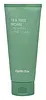
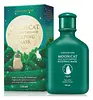
Farm Stay Tea Tree Biome Calming Acne Foam Versus Always Be Pure Mooncat Rich Moist Greenery Sleeping Mask
This salicylic acid foaming cleanser is formulated around Salicylic Acid to clear breakouts and unclog pores.
This hydrating overnight mask is formulated around Niacinamide and Squalane to hydrate skin and strengthen the skin barrier.

What's inside
What's inside
 Key Ingredients
Benefits
Concerns
Ingredients Side-by-side
Glycerin
Humectant


Water
Skin ConditioningMyristic Acid
Cleansing



Stearic Acid
Cleansing
Potassium Hydroxide
BufferingPalmitic Acid
Emollient
Lauric Acid
Cleansing
PEG-32
HumectantGlyceryl Stearate
Emollient
Propanediol
Solvent
Melaleuca Alternifolia Leaf Extract
Perfuming
PEG-100 Stearate
Surfactant
Cocamidopropyl Betaine
Cleansing

Potassium Cocoyl Glycinate
Surfactant
Salicylic Acid
Masking







Coco-Glucoside
Cleansing
Disodium Coco-Glucoside Citrate
Emulsifying
Sorbitol
Humectant
Melaleuca Alternifolia Leaf Oil
Antioxidant


Butylene Glycol
Humectant
Sodium Chloride
MaskingArachidic Acid
Cleansing
Sodium Benzoate
Masking
Acrylates/C10-30 Alkyl Acrylate Crosspolymer
Emulsion StabilisingPolyquaternium-7
Eucalyptus Dives Leaf Oil
Perfuming
Disodium EDTA
ChelatingHelianthus Annuus Seed Oil
Emollient
Citrus Aurantium Dulcis Peel Oil
Masking
Oleic Acid
Emollient
1,2-Hexanediol
Skin Conditioning
Lavandula Angustifolia Oil
Masking
Citrus Aurantium Flower Oil
Perfuming
Zea Mays Oil
Emulsifying
Capric Acid
Cleansing
Citrus Grandis Peel Oil
Masking
Citrus Limon Fruit Oil
Astringent
Juniperus Mexicana Oil
Masking
Citrus Aurantium Bergamia Fruit Oil
Masking
Bifida Ferment Lysate
Skin Conditioning

Lactose
HumectantCymbopogon Nardus Oil
Masking
Centella Asiatica Extract
Cleansing
Phenethyl Alcohol
MaskingMilk Protein
Skin ConditioningPanthenol
Skin Conditioning
Madecassoside
Antioxidant
Limonene
Perfuming
Glycerin, Water, Myristic Acid, Stearic Acid, Potassium Hydroxide, Palmitic Acid, Lauric Acid, PEG-32, Glyceryl Stearate, Propanediol, Melaleuca Alternifolia Leaf Extract, PEG-100 Stearate, Cocamidopropyl Betaine, Potassium Cocoyl Glycinate, Salicylic Acid, Coco-Glucoside, Disodium Coco-Glucoside Citrate, Sorbitol, Melaleuca Alternifolia Leaf Oil, Butylene Glycol, Sodium Chloride, Arachidic Acid, Sodium Benzoate, Acrylates/C10-30 Alkyl Acrylate Crosspolymer, Polyquaternium-7, Eucalyptus Dives Leaf Oil, Disodium EDTA, Helianthus Annuus Seed Oil, Citrus Aurantium Dulcis Peel Oil, Oleic Acid, 1,2-Hexanediol, Lavandula Angustifolia Oil, Citrus Aurantium Flower Oil, Zea Mays Oil, Capric Acid, Citrus Grandis Peel Oil, Citrus Limon Fruit Oil, Juniperus Mexicana Oil, Citrus Aurantium Bergamia Fruit Oil, Bifida Ferment Lysate, Lactose, Cymbopogon Nardus Oil, Centella Asiatica Extract, Phenethyl Alcohol, Milk Protein, Panthenol, Madecassoside, Limonene
Water
Skin Conditioning1,2-Hexanediol
Skin Conditioning
Niacinamide
Smoothing

Caprylic/Capric Triglyceride
Masking
Helianthus Annuus Seed Oil
Emollient
Camellia Sinensis Leaf Water
Masking
Dicaprylyl Ether
Emollient
Squalane
Emollient
Phoenix Dactylifera Fruit Extract
EmollientFicus Carica Fruit Extract
Humectant
Opuntia Ficus-Indica Extract
Skin Conditioning
Adansonia Digitata Seed Extract
Skin ConditioningPortulaca Oleracea Extract
Skin Conditioning
Opuntia Coccinellifera Fruit Extract
Skin ConditioningNelumbo Nucifera Germ Extract
Skin ConditioningBrassica Oleracea Italica Extract
AstringentCeramide NP
Skin Conditioning
Trehalose
Humectant
Panthenol
Skin Conditioning
Macadamia Ternifolia Seed Oil
Emollient
Xylitol
Humectant
Caprylic Acid
CleansingMadecassoside
Antioxidant
Asiaticoside
Antioxidant
Melia Azadirachta Leaf Extract
Skin ConditioningHydrogenated Lecithin
Emulsifying
Melia Azadirachta Flower Extract
Skin ConditioningHouttuynia Cordata Extract
Skin Conditioning
Vegetable Oil
Skin Conditioning
Coccinia Indica Fruit Extract
Skin Conditioning
Centella Asiatica Leaf Extract
Skin Conditioning
Solanum Melongena Fruit Juice
Skin ConditioningAmber Powder
Sodium Hyaluronate
Humectant
Curcuma Longa Root Extract
Antioxidant
Ocimum Sanctum Leaf Extract
Skin ConditioningDipotassium Glycyrrhizate
Humectant
Tocopherol
Antioxidant
Moringa Oleifera Seed Oil
Emollient
Corallina Officinalis Extract
Skin Conditioning
Sodium Polyacrylate
Absorbent
Allantoin
Skin Conditioning
Glyceryl Stearate
Emollient
Butylene Glycol
Humectant
Xanthan Gum
EmulsifyingAdenosine
Skin Conditioning
Glycerin
Humectant
Disodium EDTA
ChelatingEthylhexylglycerin
Skin ConditioningPentylene Glycol
Skin Conditioning
Caprylyl Glycol
Emollient
Water, 1,2-Hexanediol, Niacinamide, Caprylic/Capric Triglyceride, Helianthus Annuus Seed Oil, Camellia Sinensis Leaf Water, Dicaprylyl Ether, Squalane, Phoenix Dactylifera Fruit Extract, Ficus Carica Fruit Extract, Opuntia Ficus-Indica Extract, Adansonia Digitata Seed Extract, Portulaca Oleracea Extract, Opuntia Coccinellifera Fruit Extract, Nelumbo Nucifera Germ Extract, Brassica Oleracea Italica Extract, Ceramide NP, Trehalose, Panthenol, Macadamia Ternifolia Seed Oil, Xylitol, Caprylic Acid, Madecassoside, Asiaticoside, Melia Azadirachta Leaf Extract, Hydrogenated Lecithin, Melia Azadirachta Flower Extract, Houttuynia Cordata Extract, Vegetable Oil, Coccinia Indica Fruit Extract, Centella Asiatica Leaf Extract, Solanum Melongena Fruit Juice, Amber Powder, Sodium Hyaluronate, Curcuma Longa Root Extract, Ocimum Sanctum Leaf Extract, Dipotassium Glycyrrhizate, Tocopherol, Moringa Oleifera Seed Oil, Corallina Officinalis Extract, Sodium Polyacrylate, Allantoin, Glyceryl Stearate, Butylene Glycol, Xanthan Gum, Adenosine, Glycerin, Disodium EDTA, Ethylhexylglycerin, Pentylene Glycol, Caprylyl Glycol
Ingredients Explained
These ingredients are found in both products.
Ingredients higher up in an ingredient list are typically present in a larger amount.
1,2-Hexanediol is a synthetic liquid and another multi-functional powerhouse.
It is a:
- Humectant, drawing moisture into the skin
- Emollient, helping to soften skin
- Solvent, dispersing and stabilizing formulas
- Preservative booster, enhancing the antimicrobial activity of other preservatives
Butylene Glycol (or BG) is used within cosmetic products for a few different reasons:
Overall, Butylene Glycol is a safe and well-rounded ingredient that works well with other ingredients.
Though this ingredient works well with most skin types, some people with sensitive skin may experience a reaction such as allergic rashes, closed comedones, or itchiness.
Learn more about Butylene GlycolDisodium EDTA is a chelating agent. It grabs onto and deactivates metal ions that sneak into your products from water, packaging, or air.
This ingredient mainly works behind the scenes and helps with:
On top of that, this ingredient can counteract the effects of hard water by binding to the minerals in it.
One thing worth knowing is that Disodium EDTA has been shown to be a mild penetration enhancer. It can help other ingredients absorb into skin more effectively which can be a double-edged sword (great for actives, but can also make the active too strong if you have sensitive skin).
Clinical patch testing showed no significant skin irritation at typical use concentrations and minimal dermal absorption.
You'll most likely see this ingredient near the end of an ingredient list. It's typically found in concentrations less than 1%.
Learn more about Disodium EDTAGlycerin (or glycerol) is a compound naturally found in your skin. It's a powerhouse humectant that pulls water into the stratum corneum.
Topically, glycerin does several things at once:
Your skin makes glycerin on its own (mostly from sebaceous oil breakdown) and shuttles it to your outermost layer of skin, or your epidermis, via aquaporin-3.
Aquaporin-3 is a transporter that is essential for normal skin hydration, elasticity, and repair. Interestingly, mice lacking in AQP3 have dry and less elastic skin that can be fully corrected with glycerin.
This ingredient is non-irritating, plays well with almost every ingredient, and works across all skin types. Typical use is anywhere between 3-10% but can go up to 79% in some leave-on products.
Just know very high concentrations (>40%) can feel tacky in low humidity.
Glycerin is the name for this ingredient in American English. British English uses Glycerol/Glycerine.
Learn more about GlycerinGlyceryl Stearate is made by reacting glycerin with stearic acid (typically sourced from plant oils like palm or coconut). It's an emulsifier, emollient, and mild occlusive.
Emulsifiers help ingredients like oil and water stay mixed so your formula stays nicely blended and uniform in texture.
This ingredient is typically used in concentrations between 1-10%. Studies have found it to be non-sensitizing, non-phototoxic, and non-photoallergenic.
A close cousin of this ingredient is Glyceryl Stearate SE ("self-emulsifying"). This just has a small amount of sodium or potassium stearate added so it can emulsify without a co-emulsifier.
Since this ingredient is an ester of a C18 fatty acid, it may not be fungal acne safe. The Malassezia yeast can potentially metabolize within the C11-C24 range.
Fun fact: The human body also creates Glyceryl Stearate naturally.
Learn more about Glyceryl StearateHelianthus Annuus Seed Oil is a plant oil derived from the seeds of a sunflower.
It is rich in fatty acids, primarily linoleic acid and oleic acid. This gives it emollient and skin conditioning properties.
The reason this ingredient is so effective is because it forms a thin film on the skin that reduces transepidermal water loss (TEWL) while supplying linoleic acid to the stratum corneum to improve barrier strength.
The high linoleic acid content is particularly noteworthy for acne-prone skin.
Research suggests that acne-prone skin tends to be deficient in linoleic acid in sebum. Topical application may help replenish this to support a healthier follicular environment and less comedone-promoting sebum.
One randomized study found sunflower seed oil preserved skin barrier integrity in adult volunteers with and without atopic dermatitis (outperforming olive oil).
This ingredient is well-studied, gentle, and an effective emollient suitable for most skin types.
On fungal acne: This ingredient may not be Fungal acne (Malassezia folliculitis) safe. This is because it contains fatty acids with carbon chain lengths in the C11-C24 range.
Learn more about Helianthus Annuus Seed OilMadecassoside is one of four active compounds found in Centella asiatica and is one of the main reasons Centella is so effective at calming irritated skin and supporting the moisture barrier.
There's a solid body of peer-reviewed research backing Madecassoside for several skin benefits. Studies have found:
Madecassoside pairs well with other hydrating or antioxidant ingredients like Ascorbic Acid or Hyaluronic Acid.
Learn more about MadecassosidePanthenol is a common ingredient that helps hydrate and soothe the skin. It is found naturally in our skin and hair.
There are two forms of panthenol: D and L.
D-panthenol is also known as dexpanthenol. Most cosmetics use dexpanthenol or a mixture of D and L-panthenol.
Panthenol is famous due to its ability to go deeper into the skin's layers. Using this ingredient has numerous pros (and no cons):
Like hyaluronic acid, panthenol is a humectant. Humectants are able to bind and hold large amounts of water to keep skin hydrated.
This ingredient works well for wound healing. It works by increasing tissue in the wound and helps close open wounds.
Once oxidized, panthenol converts to pantothenic acid. Panthothenic acid is found in all living cells.
This ingredient is also referred to as pro-vitamin B5.
Learn more about PanthenolWater. It's the most common cosmetic ingredient of all. You'll usually see it at the top of ingredient lists, meaning that it makes up the largest part of the product.
So why is it so popular? Water most often acts as a solvent - this means that it helps dissolve other ingredients into the formulation.
You'll also recognize water as that liquid we all need to stay alive. If you see this, drink a glass of water. Remember to stay hydrated!
Learn more about Water

