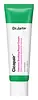
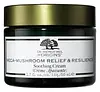
Dr. Jart+ Cicapair Intensive Soothing Repair Cream Versus Origins Mega-Mushroom Relief & Resilience Soothing Cream
This barrier-repair moisturizer is formulated around Niacinamide and Centella Asiatica Leaf Extract to strengthen the skin barrier and calm redness.
This calming moisturizer is formulated around Ganoderma Lucidum Extract and Lactobacillus Ferment to calm redness and strengthen the skin barrier.


What's inside
What's inside
 Key Ingredients
Benefits
Concerns
Ingredients Side-by-side
Water
Skin ConditioningDipropylene Glycol
HumectantCetearyl Alcohol
Emollient






Propanediol
Solvent

Polyglyceryl-3 Methylglucose Distearate
Emulsifying
Phytosteryl Isostearyl Dimer Dilinoleate
EmollientButylene Glycol
Humectant
Caprylic/Capric Triglyceride
Masking
Butyrospermum Parkii Butter
Skin Conditioning
Dicaprylyl Ether
Emollient
Niacinamide
Smoothing










Glyceryl Stearate Se
Emulsifying
Pentylene Glycol
Skin Conditioning
Synthetic Beeswax
Emulsion Stabilising
Diglycerin
Humectant
Cetyl Ethylhexanoate
EmollientVinyldimethicone

1,2-Hexanediol
Skin Conditioning
Macadamia Integrifolia Seed Oil
Skin Conditioning
Theobroma Cacao Extract
Skin ConditioningCentella Asiatica Leaf Extract
Skin Conditioning
Cetearyl Olivate
Glycerin
Humectant
Allantoin
Skin Conditioning
Asiaticoside
Antioxidant
Madecassic Acid
Skin Conditioning
Asiatic Acid
Skin Conditioning
Adenosine
Skin Conditioning
Polyglyceryl-4 Oleate
Emulsifying
Sodium Stearoyl Glutamate
CleansingPalmitoyl Tripeptide-8
Skin Conditioning
Sorbitan Olivate
Emulsifying
Hydroxyethyl Acrylate/Sodium Acryloyldimethyl Taurate Copolymer
Emulsion StabilisingXanthan Gum
EmulsifyingSodium Surfactin
CleansingCarbomer
Emulsion StabilisingTromethamine
BufferingIsopentyldiol
Humectant
Dextrin
AbsorbentDextran
Sorbitan Isostearate
Emulsifying
Trisodium Ethylenediamine Disuccinate
ChelatingTocopherol
Antioxidant
Phenoxyethanol
Preservative
CI 19140
Cosmetic ColorantCI 42090
Cosmetic ColorantWater, Dipropylene Glycol, Cetearyl Alcohol, Propanediol, Polyglyceryl-3 Methylglucose Distearate, Phytosteryl Isostearyl Dimer Dilinoleate, Butylene Glycol, Caprylic/Capric Triglyceride, Butyrospermum Parkii Butter, Dicaprylyl Ether, Niacinamide, Glyceryl Stearate Se, Pentylene Glycol, Synthetic Beeswax, Diglycerin, Cetyl Ethylhexanoate, Vinyldimethicone, 1,2-Hexanediol, Macadamia Integrifolia Seed Oil, Theobroma Cacao Extract, Centella Asiatica Leaf Extract, Cetearyl Olivate, Glycerin, Allantoin, Asiaticoside, Madecassic Acid, Asiatic Acid, Adenosine, Polyglyceryl-4 Oleate, Sodium Stearoyl Glutamate, Palmitoyl Tripeptide-8, Sorbitan Olivate, Hydroxyethyl Acrylate/Sodium Acryloyldimethyl Taurate Copolymer, Xanthan Gum, Sodium Surfactin, Carbomer, Tromethamine, Isopentyldiol, Dextrin, Dextran, Sorbitan Isostearate, Trisodium Ethylenediamine Disuccinate, Tocopherol, Phenoxyethanol, CI 19140, CI 42090
Water
Skin ConditioningCaprylic/Capric Triglyceride
Masking
Myristyl Myristate
Emollient
Stearic Acid
Cleansing
PEG-100 Stearate
Surfactant
Camelina Sativa Seed Oil
Skin Conditioning
Cetyl Alcohol
Emollient
Simmondsia Chinensis Seed Oil
Emollient
Bis-Diglyceryl Polyacyladipate-2
Emollient
Cetearyl Alcohol
Emollient
Butylene Glycol
Humectant
Citrus Aurantium Dulcis Oil
Masking
Lavandula Angustifolia Oil
Masking



Pogostemon Cablin Leaf Oil
Masking
Citrus Nobilis Peel Oil
Masking
Pelargonium Graveolens Flower Oil
Masking
Boswellia Carterii Oil
Masking
Linalool
Perfuming
Citronellol
Perfuming
Citral
Perfuming
Limonene
Perfuming
Geraniol
Perfuming
Behenyl Alcohol
Emollient
Ganoderma Lucidum Extract
Skin Protecting
Fuscoporia Obliqua Sclerotium Extract
Skin ConditioningCordyceps Sinensis Extract
Antioxidant
Ergothioneine
Antioxidant
Lactobacillus Ferment
Skin Conditioning
Hippophae Rhamnoides Extract
MaskingZingiber Officinale Root Extract
Masking
Olea Europaea Fruit Oil
Masking
Curcuma Longa Root Extract
Antioxidant
Triticum Vulgare Germ Extract
Skin ConditioningHordeum Vulgare Extract
EmollientSilybum Marianum Fruit Extract
Skin Conditioning
Ocimum Sanctum Leaf Extract
Skin ConditioningHelianthus Annuus Seed Oil
Emollient
Saccharomyces Ferment Filtrate
Humectant
Linoleic Acid
Cleansing
Tocotrienols
Skin Conditioning
Elaeis Guineensis Oil
Emollient
Gelidiella Acerosa Extract
Skin Protecting
Hypnea Musciformis Extract
Skin Protecting
Squalene
Emollient
Phytosterols
Skin Conditioning
Dimethicone
Emollient
Squalane
Emollient
Caffeine
Skin Conditioning
Polysorbate 20
Emulsifying
Ceteareth-20
Cleansing
Glyceryl Stearate
Emollient
Caprylyl Glycol
Emollient
Carbomer
Emulsion StabilisingTocopheryl Acetate
Antioxidant
Sodium Hyaluronate
Humectant
Magnesium Ascorbyl Phosphate
Antioxidant
Potassium Hydroxide
BufferingMaltodextrin
Absorbent
Xanthan Gum
EmulsifyingTocopherol
Antioxidant
BHT
Antioxidant
Potassium Sorbate
Preservative
Phenoxyethanol
Preservative
Essential Oils
Citrus Aurantium Dulcis Peel Oil
Masking
Pelargonium Graveolens Oil
Masking
Water, Caprylic/Capric Triglyceride, Myristyl Myristate, Stearic Acid, PEG-100 Stearate, Camelina Sativa Seed Oil, Cetyl Alcohol, Simmondsia Chinensis Seed Oil, Bis-Diglyceryl Polyacyladipate-2, Cetearyl Alcohol, Butylene Glycol, Citrus Aurantium Dulcis Oil, Lavandula Angustifolia Oil, Pogostemon Cablin Leaf Oil, Citrus Nobilis Peel Oil, Pelargonium Graveolens Flower Oil, Boswellia Carterii Oil, Linalool, Citronellol, Citral, Limonene, Geraniol, Behenyl Alcohol, Ganoderma Lucidum Extract, Fuscoporia Obliqua Sclerotium Extract, Cordyceps Sinensis Extract, Ergothioneine, Lactobacillus Ferment, Hippophae Rhamnoides Extract, Zingiber Officinale Root Extract, Olea Europaea Fruit Oil, Curcuma Longa Root Extract, Triticum Vulgare Germ Extract, Hordeum Vulgare Extract, Silybum Marianum Fruit Extract, Ocimum Sanctum Leaf Extract, Helianthus Annuus Seed Oil, Saccharomyces Ferment Filtrate, Linoleic Acid, Tocotrienols, Elaeis Guineensis Oil, Gelidiella Acerosa Extract, Hypnea Musciformis Extract, Squalene, Phytosterols, Dimethicone, Squalane, Caffeine, Polysorbate 20, Ceteareth-20, Glyceryl Stearate, Caprylyl Glycol, Carbomer, Tocopheryl Acetate, Sodium Hyaluronate, Magnesium Ascorbyl Phosphate, Potassium Hydroxide, Maltodextrin, Xanthan Gum, Tocopherol, BHT, Potassium Sorbate, Phenoxyethanol, Essential Oils, Citrus Aurantium Dulcis Peel Oil, Pelargonium Graveolens Oil
Reviews
Ingredients Explained
These ingredients are found in both products.
Ingredients higher up in an ingredient list are typically present in a larger amount.
Butylene Glycol (or BG) is used within cosmetic products for a few different reasons:
Overall, Butylene Glycol is a safe and well-rounded ingredient that works well with other ingredients.
Though this ingredient works well with most skin types, some people with sensitive skin may experience a reaction such as allergic rashes, closed comedones, or itchiness.
Learn more about Butylene GlycolCaprylic/Capric Triglyceride (aka MCT Oil) is a lightweight emollient, solvent, and texture enhancer. It is considered a skin-softener by helping to prevent moisture loss.
Though it behaves like an oil, it is not technically one due to its chemical composition. One perk of this ingredient is that it is very stable, resistant to oxidation, and unlikely to go rancid.
In practice, that translates to a long shelf life and a consistently elegant skin feel.
While there is an assumption Caprylic Triglyceride can clog pores due to it being derived from coconut oil, there is no research supporting this. Just patch test if you have concerns.
Fractionated coconut oil and MCT Oil are both listed as Caprylic/Capric Triglyceride according to INCI. This is because INCI names are based on the ingredient’s final chemical composition and not its marketing name or source.
This ingredient is treated as the gold standard fungal acne safe oil. Even though it is coconut derived, the problematic lauric acid is stripped out.
This leaves just caprylic (C8) and capric (C10) acid. These chain lengths actually trend antifungal; a 2020 study found caprylic acid was enough to disrupt Malassezia furfur cell membrane, with a caprylic acid derivative damaging membrane structures at concentrations as low as 0.2%.
Learn more about Caprylic/Capric TriglycerideCarbomer is a synthetic thickening and gelling agent. It's basically the ingredient that gives a lot of serums, gels, creams, and sunscreens their smooth, non-sticky texture.
Although legally permitted at very high levels, carbomers are normally used at concentrations below 1%.
It also needs to be neutralized to actually thicken, and because it is a large molecule, it doesn't really penetrate the skin barrier.
Allergy-wise, the risk is very low. Clinical studies show carbomers have low potential for skin irritation/sensitization even at concentrations up to 100%.
A 2024 UK study patch-tested 1,302 patients and found true allergy to the parent group of carbomer to be rare with no confirmed relevant reactions.
Learn more about CarbomerCetearyl alcohol is a waxy mixture of two fatty alcohols: cetyl alcohol and stearyl alcohol. It is an emollient and emulsifier.
Despite having "alcohol" in its name, it has nothing to do with drying solvent alcohols; the FDA also allows "alcohol-free" products to contain fatty alcohols like this ingredient.
It plays several roles in a formula:
Typical use levels for this ingredient sit around 1-10% and the Cosmetic Ingredient Review Expert Panel has affirmed safety at concentrations up to 25% in leave-on products.
Multiple assessments have found it to be non-irritating and non-sensitizing to most people.
However, there have been some cases of allergic contact dermatitis in patients with chronically compromised skin barriers.
Cetearyl alcohol has a comedogenic rating of 2 and irritancy rating of 1. Both of these numbers come from the 1989 study that used rabbit ears; a "2" means mildly comedogenic and a "1" means low irritancy.
Here's the catch: rabbit skin is more sensitive than human skin and throws a lot of false positives. A 1996 reappraisal found that ingredients rated 1-2 in the rabbit ear tests are generally safe for humans.
Remember comedogenic ratings are unable to assess the entire formula of a product or how it will react on your skin. Just be sure to patch test if you are unsure about certain ingredients.
This ingredient is not fungal acne safe. Cetearyl alcohol is a fatty alcohol with chain lengths that fall within the range that Malassezia can metabolize.
A 2019 study has also observed Malassezia growth in the presence of this ingredient, confirming it to be not-fungal acne safe.
Learn more about Cetearyl AlcoholPhenoxyethanol is one of the most widely used preservatives in skincare (and for good reason!).
It has a large spectrum of antimicrobial activity and especially effective bacteria, yeast, and mold while only having a weak effect on your skin's natural microbiome.
On a cellular level, it disrupts the cell membranes of microbes by poking holes that make the cell leak. This shuts down the chemical reactions the microbe needs to make energy so it can no longer survive.
Another perk of this ingredient is that it stays functional across a wide pH range (3-10).
You'll often see it paired with boosters like Ethylhexylglycerin; one study showed that a 1:9 ratio of Ethylhexylglycerin to Phenoxyethanol damages bacterial membranes as effectively as doubling the Phenoxyethanol concentration on its own.
Typical use concentrations range from 0.3-1% depending on the formula, and this ingredient is capped at 1% int the EU.
Safety-wise, the fear mongering does not hold up to the evidence. The EU's Scientific Committee on Consumer Safety and FDA consider it safe as a preservative at up to 1%, including for children of all ages.
Adverse systemic effects only showed up in animal studies at exposures roughly 200x higher than what people get from cosmetics. And despite its very widespread use, this ingredient is a rare sensitizer and allergic reactions are uncommon.
Learn more about PhenoxyethanolTocopherol is a fat-soluble antioxidant known as Vitamin E.
You'll find this ingredient in the vast majority of skincare (for good reason). It works to neutralize free radicals, or unstable molecules generated by UV exposure, pollution, and other environmental stressors, before they can cause oxidative damage to your skin cells.
Topically applied tocopherol has been shown to protect against UV damage by ramping up the skin's own natural defense enzymes.
It also acts as a skin conditioning agent; some studies show that regular topical use can improve the skin's water-binding capacity over 2-4 weeks.
This ingredient is especially loved for being a team player. When combined with Vitamin C, the photoprotective effect of both ingredients roughly doubles and the combo also helps reduce UV-induced DNA damage.
This ingredient has some brightening potential but it's more of a prevention ingredient than spot-fader. Cell studies show it can slow down melanin production but it's worth noting that it's not the most powerful brightener out there.
In formulations, it also serves as a stabilizer that helps protect other oxidation-prone ingredients from degrading.
Concentrations usually range from 0.1-1% in most leave-on products.
Learn more about TocopherolWater. It's the most common cosmetic ingredient of all. You'll usually see it at the top of ingredient lists, meaning that it makes up the largest part of the product.
So why is it so popular? Water most often acts as a solvent - this means that it helps dissolve other ingredients into the formulation.
You'll also recognize water as that liquid we all need to stay alive. If you see this, drink a glass of water. Remember to stay hydrated!
Learn more about WaterXanthan gum is used as a stabilizer and thickener within cosmetic products. It helps give products a sticky, thick feeling - preventing them from being too runny.
On the technical side of things, xanthan gum is a polysaccharide - a combination consisting of multiple sugar molecules bonded together.
Xanthan gum is a pretty common and great ingredient. It is a natural, non-toxic, non-irritating ingredient that is also commonly used in food products.
Learn more about Xanthan Gum

