Dr. Jart+ Cicapair Intensive Soothing Repair Cream Versus Uriage Cica Daily Concentrated Repair Cream
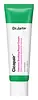
This barrier-repair moisturizer is formulated around Niacinamide and Centella Asiatica Leaf Extract to strengthen the skin barrier and calm redness.
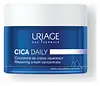
This barrier-repair moisturizer is formulated around Centella Asiatica Leaf Extract and Panthenol to strengthen the skin barrier and calm redness.


What's inside
What's inside
 Key Ingredients
Benefits
Concerns
Ingredients Side-by-side
Water
Skin ConditioningDipropylene Glycol
HumectantCetearyl Alcohol
Emollient






Propanediol
Solvent

Polyglyceryl-3 Methylglucose Distearate
Emulsifying
Phytosteryl Isostearyl Dimer Dilinoleate
EmollientButylene Glycol
Humectant
Caprylic/Capric Triglyceride
Masking
Butyrospermum Parkii Butter
Skin Conditioning
Dicaprylyl Ether
Emollient
Niacinamide
Smoothing










Glyceryl Stearate Se
Emulsifying
Pentylene Glycol
Skin Conditioning
Synthetic Beeswax
Emulsion Stabilising
Diglycerin
Humectant
Cetyl Ethylhexanoate
EmollientVinyldimethicone

1,2-Hexanediol
Skin Conditioning
Macadamia Integrifolia Seed Oil
Skin Conditioning
Theobroma Cacao Extract
Skin ConditioningCentella Asiatica Leaf Extract
Skin Conditioning
Cetearyl Olivate
Glycerin
Humectant
Allantoin
Skin Conditioning
Asiaticoside
Antioxidant
Madecassic Acid
Skin Conditioning
Asiatic Acid
Skin Conditioning
Adenosine
Skin Conditioning
Polyglyceryl-4 Oleate
Emulsifying
Sodium Stearoyl Glutamate
CleansingPalmitoyl Tripeptide-8
Skin Conditioning
Sorbitan Olivate
Emulsifying
Hydroxyethyl Acrylate/Sodium Acryloyldimethyl Taurate Copolymer
Emulsion StabilisingXanthan Gum
EmulsifyingSodium Surfactin
CleansingCarbomer
Emulsion StabilisingTromethamine
BufferingIsopentyldiol
Humectant
Dextrin
AbsorbentDextran
Sorbitan Isostearate
Emulsifying
Trisodium Ethylenediamine Disuccinate
ChelatingTocopherol
Antioxidant
Phenoxyethanol
Preservative
CI 19140
Cosmetic ColorantCI 42090
Cosmetic ColorantWater, Dipropylene Glycol, Cetearyl Alcohol, Propanediol, Polyglyceryl-3 Methylglucose Distearate, Phytosteryl Isostearyl Dimer Dilinoleate, Butylene Glycol, Caprylic/Capric Triglyceride, Butyrospermum Parkii Butter, Dicaprylyl Ether, Niacinamide, Glyceryl Stearate Se, Pentylene Glycol, Synthetic Beeswax, Diglycerin, Cetyl Ethylhexanoate, Vinyldimethicone, 1,2-Hexanediol, Macadamia Integrifolia Seed Oil, Theobroma Cacao Extract, Centella Asiatica Leaf Extract, Cetearyl Olivate, Glycerin, Allantoin, Asiaticoside, Madecassic Acid, Asiatic Acid, Adenosine, Polyglyceryl-4 Oleate, Sodium Stearoyl Glutamate, Palmitoyl Tripeptide-8, Sorbitan Olivate, Hydroxyethyl Acrylate/Sodium Acryloyldimethyl Taurate Copolymer, Xanthan Gum, Sodium Surfactin, Carbomer, Tromethamine, Isopentyldiol, Dextrin, Dextran, Sorbitan Isostearate, Trisodium Ethylenediamine Disuccinate, Tocopherol, Phenoxyethanol, CI 19140, CI 42090
1,2-Hexanediol
Skin Conditioning
Acrylates/C10-30 Alkyl Acrylate Crosspolymer
Emulsion StabilisingWater
Skin ConditioningCaprylic/Capric Triglyceride
Masking
Centella Asiatica Leaf Extract
Skin Conditioning
Citric Acid
Buffering
Dicaprylyl Ether
Emollient
Glycerin
Humectant
Glyceryl Behenate
Emollient
Glyceryl Stearate
Emollient
Hydroxyacetophenone
Antioxidant
Inulin
Skin Conditioning
Panthenol
Skin Conditioning
Pentaerythrityl Distearate
Emulsifying
Potassium Cetyl Phosphate
EmulsifyingSafflower Oil/Palm Oil Aminopropanediol Esters
Skin Conditioning
Sodium Hyaluronate
Humectant
Sodium Hydroxide
BufferingSodium Polyacrylate
Absorbent
Squalane
Emollient
Tocopherol
Antioxidant
Tocopheryl Acetate
Antioxidant
Xanthan Gum
EmulsifyingPolyglyceryl-3 Methylglucose Distearate
Emulsifying
1,2-Hexanediol, Acrylates/C10-30 Alkyl Acrylate Crosspolymer, Water, Caprylic/Capric Triglyceride, Centella Asiatica Leaf Extract, Citric Acid, Dicaprylyl Ether, Glycerin, Glyceryl Behenate, Glyceryl Stearate, Hydroxyacetophenone, Inulin, Panthenol, Pentaerythrityl Distearate, Potassium Cetyl Phosphate, Safflower Oil/Palm Oil Aminopropanediol Esters, Sodium Hyaluronate, Sodium Hydroxide, Sodium Polyacrylate, Squalane, Tocopherol, Tocopheryl Acetate, Xanthan Gum, Polyglyceryl-3 Methylglucose Distearate
Reviews
Ingredients Explained
These ingredients are found in both products.
Ingredients higher up in an ingredient list are typically present in a larger amount.
1,2-Hexanediol is a synthetic liquid and another multi-functional powerhouse.
It is a:
- Humectant, drawing moisture into the skin
- Emollient, helping to soften skin
- Solvent, dispersing and stabilizing formulas
- Preservative booster, enhancing the antimicrobial activity of other preservatives
Caprylic/Capric Triglyceride (aka MCT Oil) is a lightweight emollient, solvent, and texture enhancer. It is considered a skin-softener by helping to prevent moisture loss.
Though it behaves like an oil, it is not technically one due to its chemical composition. One perk of this ingredient is that it is very stable, resistant to oxidation, and unlikely to go rancid.
In practice, that translates to a long shelf life and a consistently elegant skin feel.
While there is an assumption Caprylic Triglyceride can clog pores due to it being derived from coconut oil, there is no research supporting this. Just patch test if you have concerns.
Fractionated coconut oil and MCT Oil are both listed as Caprylic/Capric Triglyceride according to INCI. This is because INCI names are based on the ingredient’s final chemical composition and not its marketing name or source.
This ingredient is treated as the gold standard fungal acne safe oil. Even though it is coconut derived, the problematic lauric acid is stripped out.
This leaves just caprylic (C8) and capric (C10) acid. These chain lengths actually trend antifungal; a 2020 study found caprylic acid was enough to disrupt Malassezia furfur cell membrane, with a caprylic acid derivative damaging membrane structures at concentrations as low as 0.2%.
Learn more about Caprylic/Capric TriglycerideCentella Asiatica Leaf Extract comes from the leaves of an herb plant native to Southeast Asia. Centella Asiatica is rich in antioxidants and amino acids. It can help reduce irritation and soothe the skin.
Many active components found in centella asiatica, such as Madecassic Acid and Asiaticoside, encourage the skin to naturally produce hyaluronic acid. This helps keep our skin hydrated. Many of these components also show antioxidant activity and may help reduce the signs of aging.
Research shows centella asiatica can help increase Type I collagen production by increasing fibroblast production. Fibroblast helps form connective tissue.
The combination of all these properties makes centella asiatica leaf extract effective at soothing the skin.
Other components of centella asiatica leaf extract include Vitamin A, vitamin C, several B vitamins, and Asiatic Acid.
Recent studies found madecassoside may help prevent damage from UV rays by preventing UV-induced inflammation. Further research is needed.
This plant has been used as a medicine and in food for many centuries. As a medicine, it is used to treat burns, scratches, and wounds.
Learn more about Centella Asiatica Leaf ExtractDicaprylyl Ether is created from caprylic acid. It is a texture-enhancer and emollient.
As an emollient, Dicaprylyl Ether is non-comedogenic. It helps soften and smooth the skin by creating a barrier on top. This barrier helps trap moisture in, helping to hydrate the skin.
Dicaprylyl Ether gives a non-greasy feel and better spreadability to products.
Learn more about Dicaprylyl EtherGlycerin (or glycerol) is a compound naturally found in your skin. It's a powerhouse humectant that pulls water into the stratum corneum.
Topically, glycerin does several things at once:
Your skin makes glycerin on its own (mostly from sebaceous oil breakdown) and shuttles it to your outermost layer of skin, or your epidermis, via aquaporin-3.
Aquaporin-3 is a transporter that is essential for normal skin hydration, elasticity, and repair. Interestingly, mice lacking in AQP3 have dry and less elastic skin that can be fully corrected with glycerin.
This ingredient is non-irritating, plays well with almost every ingredient, and works across all skin types. Typical use is anywhere between 3-10% but can go up to 79% in some leave-on products.
Just know very high concentrations (>40%) can feel tacky in low humidity.
Glycerin is the name for this ingredient in American English. British English uses Glycerol/Glycerine.
Learn more about GlycerinPolyglyceryl-3 Methylglucose Distearate is a plant-derived emulsifier whose only job is to keep the oily and watery parts of a formula blended so it doesn't separate into layers.
It's compatible with a wide-range of active ingredients and especially good at making emulsions survive heat/freeze cycles.
Typical use concentrations range from 2-3% and it works across a pH of 4.5-8.5.
This ingredient has been found safe to use in cosmetics and has a low irritation profile.
Because it's build on stearic acid, it may not be fungal acne safe. Stearic acid is a C18 fatty acid that falls within the range (C11-24) that Malassezia can feed on.
Learn more about Polyglyceryl-3 Methylglucose DistearateTocopherol is a fat-soluble antioxidant known as Vitamin E.
You'll find this ingredient in the vast majority of skincare (for good reason). It works to neutralize free radicals, or unstable molecules generated by UV exposure, pollution, and other environmental stressors, before they can cause oxidative damage to your skin cells.
Topically applied tocopherol has been shown to protect against UV damage by ramping up the skin's own natural defense enzymes.
It also acts as a skin conditioning agent; some studies show that regular topical use can improve the skin's water-binding capacity over 2-4 weeks.
This ingredient is especially loved for being a team player. When combined with Vitamin C, the photoprotective effect of both ingredients roughly doubles and the combo also helps reduce UV-induced DNA damage.
This ingredient has some brightening potential but it's more of a prevention ingredient than spot-fader. Cell studies show it can slow down melanin production but it's worth noting that it's not the most powerful brightener out there.
In formulations, it also serves as a stabilizer that helps protect other oxidation-prone ingredients from degrading.
Concentrations usually range from 0.1-1% in most leave-on products.
Learn more about TocopherolWater. It's the most common cosmetic ingredient of all. You'll usually see it at the top of ingredient lists, meaning that it makes up the largest part of the product.
So why is it so popular? Water most often acts as a solvent - this means that it helps dissolve other ingredients into the formulation.
You'll also recognize water as that liquid we all need to stay alive. If you see this, drink a glass of water. Remember to stay hydrated!
Learn more about WaterXanthan gum is used as a stabilizer and thickener within cosmetic products. It helps give products a sticky, thick feeling - preventing them from being too runny.
On the technical side of things, xanthan gum is a polysaccharide - a combination consisting of multiple sugar molecules bonded together.
Xanthan gum is a pretty common and great ingredient. It is a natural, non-toxic, non-irritating ingredient that is also commonly used in food products.
Learn more about Xanthan Gum

