Dermalogica Prisma Protect SPF30 Moisturizer Versus Tropic Skincare Skin Feast Nourishing Moisturiser
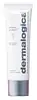
This chemical sunscreen covers most of the UV range, lighter on the deep UVA that drives aging.
This barrier-repair moisturizer is formulated around Squalane and Simmondsia Chinensis Seed Oil to strengthen the skin barrier and hydrate skin.


What's inside
What's inside
 Key Ingredients
Benefits
Concerns
Ingredients Side-by-side
Water
Skin ConditioningHomosalate
Skin Conditioning

Octocrylene
UV Absorber

Silica
Abrasive


Butylene Glycol
Humectant

Ethylhexyl Salicylate
UV Absorber
Butyl Methoxydibenzoylmethane
UV Absorber
Coconut Alkanes
Emollient

Dimethicone
Emollient

Glycerin
Humectant
Dimethyl Capramide
Emulsion StabilisingPolyglyceryl-2 Stearate
Emulsifying

Vp/Eicosene Copolymer
Chlorella Vulgaris Extract
Skin ConditioningPalmitoyl Oligopeptide
Cleansing

Saccharide Isomerate
Humectant
Zingiber Officinale Root Oil
Masking



Sclareolide
Masking
Tocopherol
Antioxidant



Camellia Sinensis Leaf Extract
Antimicrobial
Tocopheryl Acetate
Antioxidant
Coco-Caprylate/Caprate
Emollient
Glyceryl Stearate Se
Emulsifying
PEG-100 Stearate
Surfactant
Potassium Cetyl Phosphate
EmulsifyingArachidyl Alcohol
Emollient
Dimethicone Crosspolymer
Emulsion Stabilising
Behenyl Alcohol
Emollient
Benzyl Alcohol
Perfuming



Caprylic/Capric Triglyceride
Masking
Xanthan Gum
EmulsifyingAcrylates/C10-30 Alkyl Acrylate Crosspolymer
Emulsion StabilisingArachidyl Glucoside
EmulsifyingEthylhexylglycerin
Skin ConditioningMethicone
Emollient
Sodium Hydroxide
BufferingTrisodium Ethylenediamine Disuccinate
ChelatingCitric Acid
Buffering
Sodium Citrate
BufferingCaprylyl Glycol
Emollient
Propanediol
Solvent
Geraniol
Perfuming
Limonene
Perfuming
Citral
Perfuming
Polyvinyl Alcohol
Sodium Benzoate
Masking
Potassium Sorbate
Preservative
1,2-Hexanediol
Skin Conditioning
Phenoxyethanol
Preservative
Water, Homosalate, Octocrylene, Silica, Butylene Glycol, Ethylhexyl Salicylate, Butyl Methoxydibenzoylmethane, Coconut Alkanes, Dimethicone, Glycerin, Dimethyl Capramide, Polyglyceryl-2 Stearate, Vp/Eicosene Copolymer, Chlorella Vulgaris Extract, Palmitoyl Oligopeptide, Saccharide Isomerate, Zingiber Officinale Root Oil, Sclareolide, Tocopherol, Camellia Sinensis Leaf Extract, Tocopheryl Acetate, Coco-Caprylate/Caprate, Glyceryl Stearate Se, PEG-100 Stearate, Potassium Cetyl Phosphate, Arachidyl Alcohol, Dimethicone Crosspolymer, Behenyl Alcohol, Benzyl Alcohol, Caprylic/Capric Triglyceride, Xanthan Gum, Acrylates/C10-30 Alkyl Acrylate Crosspolymer, Arachidyl Glucoside, Ethylhexylglycerin, Methicone, Sodium Hydroxide, Trisodium Ethylenediamine Disuccinate, Citric Acid, Sodium Citrate, Caprylyl Glycol, Propanediol, Geraniol, Limonene, Citral, Polyvinyl Alcohol, Sodium Benzoate, Potassium Sorbate, 1,2-Hexanediol, Phenoxyethanol
Water
Skin ConditioningGlycerin
Humectant
Squalane
Emollient
Simmondsia Chinensis Seed Oil
Emollient
Butyrospermum Parkii Butter
Skin Conditioning
Propanediol
Solvent
Candelilla/Jojoba/Rice Bran Polyglyceryl-3 Esters
Emulsifying
Saccharide Isomerate
Humectant
Cetearyl Alcohol
Emollient
Argania Spinosa Kernel Oil
Emollient
Rosa Canina Seed Extract
EmollientAloe Barbadensis Leaf Extract
Emollient
Glyceryl Stearate
Emollient
Cetearyl Glucoside
Emulsifying
Sodium Stearoyl Lactylate
EmulsifyingBeta-Glucan
Skin Conditioning
Ectoin
Skin Conditioning
Vaccinium Macrocarpon Seed Oil
Skin Conditioning
Vaccinium Corymbosum Seed Oil
Antioxidant
Fragaria Ananassa Seed Oil
Antioxidant
Rubus Idaeus Seed Oil
Emollient
Ribes Nigrum Seed Oil
Emollient
Pectin
Emulsion StabilisingSclerotium Gum
Emulsion StabilisingSodium Gluconate
ChelatingTocopherol
Antioxidant
Ascorbyl Palmitate
Antioxidant
Lecithin
Emollient
Salvia Hispanica Seed Oil
Emollient
Reseda Luteola Flower/Leaf/Stem Extract
Skin ConditioningSodium Hyaluronate
Humectant
Terminalia Ferdinandiana Fruit Extract
Antioxidant
Sodium Levulinate
Skin ConditioningLevulinic Acid
Perfuming
Sodium Anisate
AntimicrobialHelianthus Annuus Seed Oil
Emollient
Citrus Aurantium Dulcis Peel Oil Expressed
Perfuming
Pelargonium Graveolens Oil
Masking
Lavandula Angustifolia Oil
Masking
Boswellia Carterii Gum Oil
Perfuming
Citric Acid
Buffering
Sodium Citrate
BufferingXanthan Gum
EmulsifyingCitral
Perfuming
Citronellol
Perfuming
Linalool
Perfuming
Limonene
Perfuming
Water, Glycerin, Squalane, Simmondsia Chinensis Seed Oil, Butyrospermum Parkii Butter, Propanediol, Candelilla/Jojoba/Rice Bran Polyglyceryl-3 Esters, Saccharide Isomerate, Cetearyl Alcohol, Argania Spinosa Kernel Oil, Rosa Canina Seed Extract, Aloe Barbadensis Leaf Extract, Glyceryl Stearate, Cetearyl Glucoside, Sodium Stearoyl Lactylate, Beta-Glucan, Ectoin, Vaccinium Macrocarpon Seed Oil, Vaccinium Corymbosum Seed Oil, Fragaria Ananassa Seed Oil, Rubus Idaeus Seed Oil, Ribes Nigrum Seed Oil, Pectin, Sclerotium Gum, Sodium Gluconate, Tocopherol, Ascorbyl Palmitate, Lecithin, Salvia Hispanica Seed Oil, Reseda Luteola Flower/Leaf/Stem Extract, Sodium Hyaluronate, Terminalia Ferdinandiana Fruit Extract, Sodium Levulinate, Levulinic Acid, Sodium Anisate, Helianthus Annuus Seed Oil, Citrus Aurantium Dulcis Peel Oil Expressed, Pelargonium Graveolens Oil, Lavandula Angustifolia Oil, Boswellia Carterii Gum Oil, Citric Acid, Sodium Citrate, Xanthan Gum, Citral, Citronellol, Linalool, Limonene
Reviews
Ingredients Explained
These ingredients are found in both products.
Ingredients higher up in an ingredient list are typically present in a larger amount.
Citral is the molecule responsible for the fresh lemon scent in lemon, lime, and lemongrass. It is a fragrance ingredient that can be created from plant essential oils or synthetically.
Though Citral has documented antimicrobial activity against acne bacteria (which is where the marketing claims about it being good for acne-prone skin originate), real formulas use it at fragrance-level concentrations under 1% so there's likely no skin benefit.
You should know this ingredient is a known EU fragrance allergen.
Animal studies classifies this ingredient as a weak-to-moderate skin sensitizer and clinical patch testing on eczema patients confirmed it to be both a contact allergen and irritant.
The term 'citral' is a collective term for two geometric isomers: geranial/Citral A and neral/Citral B.
The term 'fragrance' is not regulated in many countries. In many cases, it is up to the brand to define this term. For instance, many brands choose to label themselves as "fragrance-free" because they are not using synthetic fragrances. However, their products may still contain ingredients such as essential oils that are considered a fragrance.
Learn more about CitralCitric Acid is an alpha hydroxy acid (AHA) naturally found in citrus fruits like oranges, lemons, and limes.
Like other AHAs, citric acid can exfoliate skin by breaking down the bonds that hold dead skin cells together. This helps reveal smoother and brighter skin underneath.
However, this exfoliating effect only happens at high concentrations (20%) which can be hard to find in cosmetic products.
Due to this, citric acid is usually included in small amounts as a pH adjuster. This helps keep products slightly more acidic and compatible with skin's natural pH.
In skincare formulas, citric acid can:
While it can provide some skin benefits, research shows lactic acid and glycolic acid are generally more effective and less irritating exfoliants.
Most citric acid used in skincare today is made by fermenting sugars (usually from molasses). This synthetic version is identical to the natural citrus form but easier to stabilize and use in formulations.
Rosacea skin has a lower threshold for acids generally, with 62.5% of rosacea subjects in one study reacting to lactic acid in a sting test. This is why we mark citric acid as a potential rosacea trigger.
However, this ingredient shows up as a pH adjuster or chelator at roughly 0.1-1% in many products. These low levels are unlikely to be an issue for rosacea skin and becomes a potential trigger at exfoliating concentrations (20%). Because everybody's skin is unique, we recommend a patch test if you are unsure.
Learn more about Citric AcidGlycerin (or glycerol) is a compound naturally found in your skin. It's a powerhouse humectant that pulls water into the stratum corneum.
Topically, glycerin does several things at once:
Your skin makes glycerin on its own (mostly from sebaceous oil breakdown) and shuttles it to your outermost layer of skin, or your epidermis, via aquaporin-3.
Aquaporin-3 is a transporter that is essential for normal skin hydration, elasticity, and repair. Interestingly, mice lacking in AQP3 have dry and less elastic skin that can be fully corrected with glycerin.
This ingredient is non-irritating, plays well with almost every ingredient, and works across all skin types. Typical use is anywhere between 3-10% but can go up to 79% in some leave-on products.
Just know very high concentrations (>40%) can feel tacky in low humidity.
Glycerin is the name for this ingredient in American English. British English uses Glycerol/Glycerine.
Learn more about GlycerinLimonene is the compound that gives citrus peel its smell.
In skincare, it shows up as a standalone fragrance ingredient or as a natural compound of citrus and other essential oils.
You'll typically see this ingredient used in very small amounts; anything above 0.001% in a leave-on product or 0.01% in a rinse-off has to be named on the label in the EU. The citrus oils that carry it sit around 0.5-1% in a finished formula.
Fresh limonene is a weak allergen; the real issue is that it slowly reacts with air and then breaks down from oxidation to create hydroperoxides (which are strong sensitizers). This is why suppliers are required to keep the peroxide value below 20 mmol.
Positive reactions in people being investigated for eczema vary:
It's worth skipping if you have a known fragrance allergy or a compromised barrier, but the risk is low for most people.
Older or long-opened products are also more likely to bother you than fresh ones due to oxidation.
Learn more about LimonenePropanediol is an all-star ingredient. It softens, hydrates, and smooths the skin.
It’s often used to:
Propanediol is not likely to cause sensitivity and considered safe to use. It is derived from corn or petroleum with a clear color and no scent.
Learn more about PropanediolSaccharide Isomerate comes from sugars found in corn. It is a skin hydrator.
The structure of this ingredient can be altered to be more similar to the carbohydrates found in our skin. This ability to mimic our skin gives it hydrating properties.
Specifically, saccharide Isomerate is a humectant. Humectants draw moisture from the air to our skin.
Research shows Saccharide Isomerate to be an effective moisturizer.
Learn more about Saccharide IsomerateSodium Citrate is the sodium salts of citric acid. In skincare, it is used to alter pH levels and acts as a preservative.
Its main functions are to maintain the pH of a product and neutralize metal ions.
The acidity of our skin is maintained by our glands and skin biome; normal pH level of skin is slightly acidic (~4.75-5.5).
Being slightly acidic allows our skin to create an "acid mantle". This acid mantle is a thin barrier that protects our skin from bacteria and contaminants.
Learn more about Sodium CitrateTocopherol is a fat-soluble antioxidant known as Vitamin E.
You'll find this ingredient in the vast majority of skincare (for good reason). It works to neutralize free radicals, or unstable molecules generated by UV exposure, pollution, and other environmental stressors, before they can cause oxidative damage to your skin cells.
Topically applied tocopherol has been shown to protect against UV damage by ramping up the skin's own natural defense enzymes.
It also acts as a skin conditioning agent; some studies show that regular topical use can improve the skin's water-binding capacity over 2-4 weeks.
This ingredient is especially loved for being a team player. When combined with Vitamin C, the photoprotective effect of both ingredients roughly doubles and the combo also helps reduce UV-induced DNA damage.
This ingredient has some brightening potential but it's more of a prevention ingredient than spot-fader. Cell studies show it can slow down melanin production but it's worth noting that it's not the most powerful brightener out there.
In formulations, it also serves as a stabilizer that helps protect other oxidation-prone ingredients from degrading.
Concentrations usually range from 0.1-1% in most leave-on products.
Learn more about TocopherolWater. It's the most common cosmetic ingredient of all. You'll usually see it at the top of ingredient lists, meaning that it makes up the largest part of the product.
So why is it so popular? Water most often acts as a solvent - this means that it helps dissolve other ingredients into the formulation.
You'll also recognize water as that liquid we all need to stay alive. If you see this, drink a glass of water. Remember to stay hydrated!
Learn more about WaterXanthan gum is used as a stabilizer and thickener within cosmetic products. It helps give products a sticky, thick feeling - preventing them from being too runny.
On the technical side of things, xanthan gum is a polysaccharide - a combination consisting of multiple sugar molecules bonded together.
Xanthan gum is a pretty common and great ingredient. It is a natural, non-toxic, non-irritating ingredient that is also commonly used in food products.
Learn more about Xanthan Gum

