This barrier-repair moisturizer is formulated around Squalane and Simmondsia Chinensis Seed Oil to strengthen the skin barrier and hydrate skin.

What's inside
What's inside
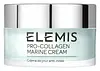 Key Ingredients
Benefits
Concerns
Ingredients Side-by-side
Water
Skin ConditioningGlycerin
Humectant


Caprylic/Capric Triglyceride
Masking
Glyceryl Stearate Se
Emulsifying




Isononyl Isononanoate
EmollientDicaprylyl Carbonate
EmollientDimethicone
Emollient
Triticum Vulgare Germ Oil
Emollient
Butyrospermum Parkii Butter
Skin Conditioning
Chlorella Vulgaris Extract
Skin ConditioningPadina Pavonica Thallus Extract
Skin ConditioningDaucus Carota Sativa Root Extract
Skin Conditioning
Porphyridium Cruentum Extract
Skin ConditioningAcacia Decurrens Flower Extract
Masking
Rosa Centifolia Flower Extract
Astringent
Ginkgo Biloba Leaf Extract
Skin Conditioning
Tocopherol
Antioxidant




Phenoxyethanol
Preservative
Polyacrylate-13
Stearic Acid
Cleansing
Tocopheryl Acetate
Antioxidant
Coco-Caprylate/Caprate
Emollient
Cetyl Alcohol
Emollient
Xanthan Gum
EmulsifyingGlyceryl Polyacrylate
Polyisobutene
Parfum
Masking

Citric Acid
Buffering
Chlorphenesin
Antimicrobial
Glyceryl Acrylate/Acrylic Acid Copolymer
HumectantSodium Dehydroacetate
Preservative
Disodium EDTA
ChelatingPolysorbate 20
Emulsifying
Sorbitan Isostearate
Emulsifying
Hydroxyisohexyl 3-Cyclohexene Carboxaldehyde
Masking
Butylphenyl Methylpropional
Perfuming
Linalool
Perfuming
Citronellol
Perfuming
Potassium Sorbate
Preservative
Sodium Benzoate
Masking
Citrus Limon Peel Oil
Masking

Cuminum Cyminum Seed Oil
Masking
Cedrus Atlantica Bark Oil
Masking
Limonene
Perfuming
Water, Glycerin, Caprylic/Capric Triglyceride, Glyceryl Stearate Se, Isononyl Isononanoate, Dicaprylyl Carbonate, Dimethicone, Triticum Vulgare Germ Oil, Butyrospermum Parkii Butter, Chlorella Vulgaris Extract, Padina Pavonica Thallus Extract, Daucus Carota Sativa Root Extract, Porphyridium Cruentum Extract, Acacia Decurrens Flower Extract, Rosa Centifolia Flower Extract, Ginkgo Biloba Leaf Extract, Tocopherol, Phenoxyethanol, Polyacrylate-13, Stearic Acid, Tocopheryl Acetate, Coco-Caprylate/Caprate, Cetyl Alcohol, Xanthan Gum, Glyceryl Polyacrylate, Polyisobutene, Parfum, Citric Acid, Chlorphenesin, Glyceryl Acrylate/Acrylic Acid Copolymer, Sodium Dehydroacetate, Disodium EDTA, Polysorbate 20, Sorbitan Isostearate, Hydroxyisohexyl 3-Cyclohexene Carboxaldehyde, Butylphenyl Methylpropional, Linalool, Citronellol, Potassium Sorbate, Sodium Benzoate, Citrus Limon Peel Oil, Cuminum Cyminum Seed Oil, Cedrus Atlantica Bark Oil, Limonene
Water
Skin ConditioningGlycerin
Humectant
Squalane
Emollient
Simmondsia Chinensis Seed Oil
Emollient
Butyrospermum Parkii Butter
Skin Conditioning
Propanediol
Solvent
Candelilla/Jojoba/Rice Bran Polyglyceryl-3 Esters
Emulsifying
Saccharide Isomerate
Humectant
Cetearyl Alcohol
Emollient
Argania Spinosa Kernel Oil
Emollient
Rosa Canina Seed Extract
EmollientAloe Barbadensis Leaf Extract
Emollient
Glyceryl Stearate
Emollient
Cetearyl Glucoside
Emulsifying
Sodium Stearoyl Lactylate
EmulsifyingBeta-Glucan
Skin Conditioning
Ectoin
Skin Conditioning
Vaccinium Macrocarpon Seed Oil
Skin Conditioning
Vaccinium Corymbosum Seed Oil
Antioxidant
Fragaria Ananassa Seed Oil
Antioxidant
Rubus Idaeus Seed Oil
Emollient
Ribes Nigrum Seed Oil
Emollient
Pectin
Emulsion StabilisingSclerotium Gum
Emulsion StabilisingSodium Gluconate
ChelatingTocopherol
Antioxidant
Ascorbyl Palmitate
Antioxidant
Lecithin
Emollient
Salvia Hispanica Seed Oil
Emollient
Reseda Luteola Flower/Leaf/Stem Extract
Skin ConditioningSodium Hyaluronate
Humectant
Terminalia Ferdinandiana Fruit Extract
Antioxidant
Sodium Levulinate
Skin ConditioningLevulinic Acid
Perfuming
Sodium Anisate
AntimicrobialHelianthus Annuus Seed Oil
Emollient
Citrus Aurantium Dulcis Peel Oil Expressed
Perfuming
Pelargonium Graveolens Oil
Masking
Lavandula Angustifolia Oil
Masking
Boswellia Carterii Gum Oil
Perfuming
Citric Acid
Buffering
Sodium Citrate
BufferingXanthan Gum
EmulsifyingCitral
Perfuming
Citronellol
Perfuming
Linalool
Perfuming
Limonene
Perfuming
Water, Glycerin, Squalane, Simmondsia Chinensis Seed Oil, Butyrospermum Parkii Butter, Propanediol, Candelilla/Jojoba/Rice Bran Polyglyceryl-3 Esters, Saccharide Isomerate, Cetearyl Alcohol, Argania Spinosa Kernel Oil, Rosa Canina Seed Extract, Aloe Barbadensis Leaf Extract, Glyceryl Stearate, Cetearyl Glucoside, Sodium Stearoyl Lactylate, Beta-Glucan, Ectoin, Vaccinium Macrocarpon Seed Oil, Vaccinium Corymbosum Seed Oil, Fragaria Ananassa Seed Oil, Rubus Idaeus Seed Oil, Ribes Nigrum Seed Oil, Pectin, Sclerotium Gum, Sodium Gluconate, Tocopherol, Ascorbyl Palmitate, Lecithin, Salvia Hispanica Seed Oil, Reseda Luteola Flower/Leaf/Stem Extract, Sodium Hyaluronate, Terminalia Ferdinandiana Fruit Extract, Sodium Levulinate, Levulinic Acid, Sodium Anisate, Helianthus Annuus Seed Oil, Citrus Aurantium Dulcis Peel Oil Expressed, Pelargonium Graveolens Oil, Lavandula Angustifolia Oil, Boswellia Carterii Gum Oil, Citric Acid, Sodium Citrate, Xanthan Gum, Citral, Citronellol, Linalool, Limonene
Reviews
Ingredients Explained
These ingredients are found in both products.
Ingredients higher up in an ingredient list are typically present in a larger amount.
This ingredient is also known as shea butter. It is a plant-derived extract from the nuts of the Africa shea tree and one of the most well-studied emollients.
Because it has a high concentration of fatty acids (primarily oleic, stearic, and linoleic) it is able to form a protective barrier on the skin's surface. This helps seal in moisture and prevents transepidermal water loss (TEWL).
In vitro research found an increase in skin hydration by 58% and a decrease in TEWL by 37.8% after 24 hours of applying this ingredient (pretty impressive for a single ingredient!).
Besides hydration, shea butter also contains triterpenes that have anti-inflammatory potential. In particule, lupeol cinnamate has shown the highest anti-inflammatory activity in vivo.
Shea butter also contains vitamins A and E which may contribute to antioxidant activity.
While Shea Butter has an SPF rating of about 3-4, it is not a sunscreen replacement.
This ingredient may not be fungal acne safe because its fatty acids fall within the C11-C24 range that the Malassezia yeast can metabolize.
This ingredient shows up on a lot of "pore-clogging" lists but there's no real evidence behind that. It doesn't even have a comedogenic rating from an actual study; the numbers you'll find online come from blogs citing other blogs.
Ratings for other ingredients mostly come from a 1980s rabbit ear test. This test doesn't translate well to human skin or to real products because the ingredient sits at a much lower percentage.
Some people still find it breaks them out. So if that's you, definitely trust your skin. Just know this one's based on experience and not evidence.
Learn more about Butyrospermum Parkii ButterCitric Acid is an alpha hydroxy acid (AHA) naturally found in citrus fruits like oranges, lemons, and limes.
Like other AHAs, citric acid can exfoliate skin by breaking down the bonds that hold dead skin cells together. This helps reveal smoother and brighter skin underneath.
However, this exfoliating effect only happens at high concentrations (20%) which can be hard to find in cosmetic products.
Due to this, citric acid is usually included in small amounts as a pH adjuster. This helps keep products slightly more acidic and compatible with skin's natural pH.
In skincare formulas, citric acid can:
While it can provide some skin benefits, research shows lactic acid and glycolic acid are generally more effective and less irritating exfoliants.
Most citric acid used in skincare today is made by fermenting sugars (usually from molasses). This synthetic version is identical to the natural citrus form but easier to stabilize and use in formulations.
Rosacea skin has a lower threshold for acids generally, with 62.5% of rosacea subjects in one study reacting to lactic acid in a sting test. This is why we mark citric acid as a potential rosacea trigger.
However, this ingredient shows up as a pH adjuster or chelator at roughly 0.1-1% in many products. These low levels are unlikely to be an issue for rosacea skin and becomes a potential trigger at exfoliating concentrations (20%). Because everybody's skin is unique, we recommend a patch test if you are unsure.
Learn more about Citric AcidCitronellol is used to add fragrance/parfum to a product. It is often derived from plants such as roses. In fact, it can be found in many essential oils including geranium, lavender, neroli, and more. The scent of Citronellol is often described as "fresh, grassy, and citrus-like".
Since the Citronellol molecule is already unstable, Citronellol becomes irritating on the skin when exposed to air.
Citronellol is a modified terpene. Terpenes are unsaturated hydrocarbons found in plants. They make up the primary part of essential oils.
Citronellol is not able to be absorbed into deeper layers of the skin. It has low permeability,
Citronellol is also a natural insect repellent.
Learn more about CitronellolGlycerin (or glycerol) is a compound naturally found in your skin. It's a powerhouse humectant that pulls water into the stratum corneum.
Topically, glycerin does several things at once:
Your skin makes glycerin on its own (mostly from sebaceous oil breakdown) and shuttles it to your outermost layer of skin, or your epidermis, via aquaporin-3.
Aquaporin-3 is a transporter that is essential for normal skin hydration, elasticity, and repair. Interestingly, mice lacking in AQP3 have dry and less elastic skin that can be fully corrected with glycerin.
This ingredient is non-irritating, plays well with almost every ingredient, and works across all skin types. Typical use is anywhere between 3-10% but can go up to 79% in some leave-on products.
Just know very high concentrations (>40%) can feel tacky in low humidity.
Glycerin is the name for this ingredient in American English. British English uses Glycerol/Glycerine.
Learn more about GlycerinLimonene is the compound that gives citrus peel its smell.
In skincare, it shows up as a standalone fragrance ingredient or as a natural compound of citrus and other essential oils.
You'll typically see this ingredient used in very small amounts; anything above 0.001% in a leave-on product or 0.01% in a rinse-off has to be named on the label in the EU. The citrus oils that carry it sit around 0.5-1% in a finished formula.
Fresh limonene is a weak allergen; the real issue is that it slowly reacts with air and then breaks down from oxidation to create hydroperoxides (which are strong sensitizers). This is why suppliers are required to keep the peroxide value below 20 mmol.
Positive reactions in people being investigated for eczema vary:
It's worth skipping if you have a known fragrance allergy or a compromised barrier, but the risk is low for most people.
Older or long-opened products are also more likely to bother you than fresh ones due to oxidation.
Learn more about LimoneneLinalool is a small, naturally occurring scent molecule found in plants like lavender, coriander, bergamot, and more.
It is one of the two most-used fragrance ingredients in cosmetics and added purely for smell. Since it's not used for a skin benefit, there's no "effective dose". Concentration depends on the fragrance load of the product.
The EU requires it to be named on the label above 0.001% in leave-on and 0.01% in rinse-off products.
Fresh linalool is a weak sensitizer but air exposure turns some of it into hydroperoxides, which are strong sensitizers. Those oxidation products are the actual allergy concern.
Patch-test clinics see positive reactions to linalool hydroperoxides in about 4% to 12% of dermatitis patients depending on country and test concentration.
Resassuringly, one analytical study found hydroperoxide levels in real fragranced products to be orders of magnitude below what induced sensitization in animal studies with no evidence of oxidation building up during normal storage.
The practical takeaway is that linalool is fine for most people but worth avoiding if you have a confirmed fragrance contact allergy or a badly compromised barrier.
Products stored a long time after opening are also the high-risk scenario since that is when oxidation happens.
The scent of linalool is described as floral, spicy tropical, and citrus-like.
Learn more about LinaloolTocopherol is a fat-soluble antioxidant known as Vitamin E.
You'll find this ingredient in the vast majority of skincare (for good reason). It works to neutralize free radicals, or unstable molecules generated by UV exposure, pollution, and other environmental stressors, before they can cause oxidative damage to your skin cells.
Topically applied tocopherol has been shown to protect against UV damage by ramping up the skin's own natural defense enzymes.
It also acts as a skin conditioning agent; some studies show that regular topical use can improve the skin's water-binding capacity over 2-4 weeks.
This ingredient is especially loved for being a team player. When combined with Vitamin C, the photoprotective effect of both ingredients roughly doubles and the combo also helps reduce UV-induced DNA damage.
This ingredient has some brightening potential but it's more of a prevention ingredient than spot-fader. Cell studies show it can slow down melanin production but it's worth noting that it's not the most powerful brightener out there.
In formulations, it also serves as a stabilizer that helps protect other oxidation-prone ingredients from degrading.
Concentrations usually range from 0.1-1% in most leave-on products.
Learn more about TocopherolWater. It's the most common cosmetic ingredient of all. You'll usually see it at the top of ingredient lists, meaning that it makes up the largest part of the product.
So why is it so popular? Water most often acts as a solvent - this means that it helps dissolve other ingredients into the formulation.
You'll also recognize water as that liquid we all need to stay alive. If you see this, drink a glass of water. Remember to stay hydrated!
Learn more about WaterXanthan gum is used as a stabilizer and thickener within cosmetic products. It helps give products a sticky, thick feeling - preventing them from being too runny.
On the technical side of things, xanthan gum is a polysaccharide - a combination consisting of multiple sugar molecules bonded together.
Xanthan gum is a pretty common and great ingredient. It is a natural, non-toxic, non-irritating ingredient that is also commonly used in food products.
Learn more about Xanthan Gum

