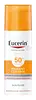
This chemical sunscreen covers the full UV range and blocks ~98% of UVB at SPF 50.
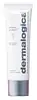
This chemical sunscreen covers most of the UV range, lighter on the deep UVA that drives aging.


What's inside
What's inside
 Key Ingredients
Benefits
Concerns
Ingredients Side-by-side
Water
Skin ConditioningC12-15 Alkyl Benzoate
AntimicrobialAlcohol Denat.
Antimicrobial




Butyl Methoxydibenzoylmethane
UV Absorber
Ethylhexyl Triazone
UV Absorber
Butylene Glycol Dicaprylate/Dicaprate
EmollientBis-Ethylhexyloxyphenol Methoxyphenyl Triazine
UV Absorber
Dibutyl Adipate
EmollientGlyceryl Stearate Citrate
Emollient
Silica
Abrasive


Phenylbenzimidazole Sulfonic Acid
UV Absorber
Diethylamino Hydroxybenzoyl Hexyl Benzoate
UV Filter
Tapioca Starch
Silica Dimethyl Silylate
EmollientCetearyl Alcohol
Emollient



Behenyl Alcohol
Emollient
Isobutylamido Thiazolyl Resorcinol
Bleaching


Glycyrrhiza Inflata Root Extract
Skin Conditioning
Glycyrrhetinic Acid
Skin Conditioning
Tocopheryl Acetate
Antioxidant


Glycerin
Humectant

Copernicia Cerifera Cera
Emollient
Xanthan Gum
EmulsifyingCarrageenan
Hydroxypropyl Methylcellulose
Emulsion StabilisingSodium Hydroxide
BufferingTrisodium EDTA
ChelatingHydroxyacetophenone
Antioxidant
Phenoxyethanol
Preservative
Ethylhexylglycerin
Skin ConditioningParfum
Masking

Water, C12-15 Alkyl Benzoate, Alcohol Denat., Butyl Methoxydibenzoylmethane, Ethylhexyl Triazone, Butylene Glycol Dicaprylate/Dicaprate, Bis-Ethylhexyloxyphenol Methoxyphenyl Triazine, Dibutyl Adipate, Glyceryl Stearate Citrate, Silica, Phenylbenzimidazole Sulfonic Acid, Diethylamino Hydroxybenzoyl Hexyl Benzoate, Tapioca Starch, Silica Dimethyl Silylate, Cetearyl Alcohol, Behenyl Alcohol, Isobutylamido Thiazolyl Resorcinol, Glycyrrhiza Inflata Root Extract, Glycyrrhetinic Acid, Tocopheryl Acetate, Glycerin, Copernicia Cerifera Cera, Xanthan Gum, Carrageenan, Hydroxypropyl Methylcellulose, Sodium Hydroxide, Trisodium EDTA, Hydroxyacetophenone, Phenoxyethanol, Ethylhexylglycerin, Parfum
Water
Skin ConditioningHomosalate
Skin Conditioning
Octocrylene
UV Absorber
Silica
Abrasive
Butylene Glycol
Humectant
Ethylhexyl Salicylate
UV Absorber
Butyl Methoxydibenzoylmethane
UV Absorber
Coconut Alkanes
Emollient
Dimethicone
Emollient
Glycerin
Humectant
Dimethyl Capramide
Emulsion StabilisingPolyglyceryl-2 Stearate
Emulsifying
Vp/Eicosene Copolymer
Chlorella Vulgaris Extract
Skin ConditioningPalmitoyl Oligopeptide
Cleansing

Saccharide Isomerate
Humectant
Zingiber Officinale Root Oil
Masking


Sclareolide
Masking
Tocopherol
Antioxidant
Camellia Sinensis Leaf Extract
Antimicrobial
Tocopheryl Acetate
Antioxidant
Coco-Caprylate/Caprate
Emollient
Glyceryl Stearate Se
Emulsifying
PEG-100 Stearate
Surfactant
Potassium Cetyl Phosphate
EmulsifyingArachidyl Alcohol
Emollient
Dimethicone Crosspolymer
Emulsion Stabilising
Behenyl Alcohol
Emollient
Benzyl Alcohol
Perfuming
Caprylic/Capric Triglyceride
Masking
Xanthan Gum
EmulsifyingAcrylates/C10-30 Alkyl Acrylate Crosspolymer
Emulsion StabilisingArachidyl Glucoside
EmulsifyingEthylhexylglycerin
Skin ConditioningMethicone
Emollient
Sodium Hydroxide
BufferingTrisodium Ethylenediamine Disuccinate
ChelatingCitric Acid
Buffering
Sodium Citrate
BufferingCaprylyl Glycol
Emollient
Propanediol
Solvent
Geraniol
Perfuming
Limonene
Perfuming
Citral
Perfuming
Polyvinyl Alcohol
Sodium Benzoate
Masking
Potassium Sorbate
Preservative
1,2-Hexanediol
Skin Conditioning
Phenoxyethanol
Preservative
Water, Homosalate, Octocrylene, Silica, Butylene Glycol, Ethylhexyl Salicylate, Butyl Methoxydibenzoylmethane, Coconut Alkanes, Dimethicone, Glycerin, Dimethyl Capramide, Polyglyceryl-2 Stearate, Vp/Eicosene Copolymer, Chlorella Vulgaris Extract, Palmitoyl Oligopeptide, Saccharide Isomerate, Zingiber Officinale Root Oil, Sclareolide, Tocopherol, Camellia Sinensis Leaf Extract, Tocopheryl Acetate, Coco-Caprylate/Caprate, Glyceryl Stearate Se, PEG-100 Stearate, Potassium Cetyl Phosphate, Arachidyl Alcohol, Dimethicone Crosspolymer, Behenyl Alcohol, Benzyl Alcohol, Caprylic/Capric Triglyceride, Xanthan Gum, Acrylates/C10-30 Alkyl Acrylate Crosspolymer, Arachidyl Glucoside, Ethylhexylglycerin, Methicone, Sodium Hydroxide, Trisodium Ethylenediamine Disuccinate, Citric Acid, Sodium Citrate, Caprylyl Glycol, Propanediol, Geraniol, Limonene, Citral, Polyvinyl Alcohol, Sodium Benzoate, Potassium Sorbate, 1,2-Hexanediol, Phenoxyethanol
Reviews
Ingredients Explained
These ingredients are found in both products.
Ingredients higher up in an ingredient list are typically present in a larger amount.
Behenyl Alcohol is a type of fatty alcohol (these are different from the drying, solvent alcohols).
Fatty Alcohols have hydrating properties and are most often used as an emollient or to thicken a product. They are usually derived from natural fats and oils; behenyl alcohol is derived from the fats of vegetable oils.
Emollients help keep your skin soft and hydrated by creating a film that traps moisture in.
In 2000, Behenyl Alcohol was approved by the US as medicine to reduce the duration of cold sores.
Learn more about Behenyl AlcoholAlso known as Avobenzone, this ingredient is an oil-soluble used to absorb the full spectrum of UVA rays (peak 357 nm).
It's one of the most effective UVA filters available but has a major caveat of photostability: avobenzone is susceptible to photodegradation.
This means it can lose efficacy when exposed to sunlight without the help of a stabilizing agent.
Studies show antioxidants (like vitamin E or vitamin C) and some UV filters (like octocrylene and Tinosorb S) can meaningfully improve its stability in a formulation.
The maximum allowable concentration according to regulation is 3% in the US + Canada, and 5% in the EU, Australia, China, Korea, and ASEAN countries.
It has a well-support safety profile: a comprehensive 2025 review found minimal toxicity with no evidence of carcinogenicity.
Overall, avobenzone is a safe and regulated ingredient used in sunscreen for over 40 years.
Learn more about Butyl MethoxydibenzoylmethaneEthylhexylglycerin is created from glycerin. It is a multitasker ingredient that:
The CIR Expert Panel found minimal skin absorption or sensitization of any kind in a safety assessment. Though this ingredient is considered well-tolerated, a small number of cases of allergic dermatitis have been published since 2002. Just be sure to patch test if you are unsure.
Industry-reported use ranges from 8% in rinse-off products and 2% in leave-on formulations.
Learn more about EthylhexylglycerinGlycerin (or glycerol) is a compound naturally found in your skin. It's a powerhouse humectant that pulls water into the stratum corneum.
Topically, glycerin does several things at once:
Your skin makes glycerin on its own (mostly from sebaceous oil breakdown) and shuttles it to your outermost layer of skin, or your epidermis, via aquaporin-3.
Aquaporin-3 is a transporter that is essential for normal skin hydration, elasticity, and repair. Interestingly, mice lacking in AQP3 have dry and less elastic skin that can be fully corrected with glycerin.
This ingredient is non-irritating, plays well with almost every ingredient, and works across all skin types. Typical use is anywhere between 3-10% but can go up to 79% in some leave-on products.
Just know very high concentrations (>40%) can feel tacky in low humidity.
Glycerin is the name for this ingredient in American English. British English uses Glycerol/Glycerine.
Learn more about GlycerinPhenoxyethanol is one of the most widely used preservatives in skincare (and for good reason!).
It has a large spectrum of antimicrobial activity and especially effective bacteria, yeast, and mold while only having a weak effect on your skin's natural microbiome.
On a cellular level, it disrupts the cell membranes of microbes by poking holes that make the cell leak. This shuts down the chemical reactions the microbe needs to make energy so it can no longer survive.
Another perk of this ingredient is that it stays functional across a wide pH range (3-10).
You'll often see it paired with boosters like Ethylhexylglycerin; one study showed that a 1:9 ratio of Ethylhexylglycerin to Phenoxyethanol damages bacterial membranes as effectively as doubling the Phenoxyethanol concentration on its own.
Typical use concentrations range from 0.3-1% depending on the formula, and this ingredient is capped at 1% int the EU.
Safety-wise, the fear mongering does not hold up to the evidence. The EU's Scientific Committee on Consumer Safety and FDA consider it safe as a preservative at up to 1%, including for children of all ages.
Adverse systemic effects only showed up in animal studies at exposures roughly 200x higher than what people get from cosmetics. And despite its very widespread use, this ingredient is a rare sensitizer and allergic reactions are uncommon.
Learn more about PhenoxyethanolSilica, also known as silicon dioxide, is a naturally occurring mineral. It is used as a fine, spherical, and porous powder in cosmetics.
Though it has exfoliant properties, the function of silica varies depending on the product.
The unique structure of silica enhances the spreadability and adds smoothness, making it a great texture enhancer.
It is also used as an active carrier, emulsifier, and mattifier due to its ability to absorb excess oil.
In some products, tiny microneedles called spicules are made from silica or hydrolyzed sponge. When you rub them in, they lightly polish away dead skin layers and enhance the penetration of active ingredients.
Learn more about SilicaSodium Hydroxide is also known as lye or caustic soda. It is used to adjust the pH of products; many ingredients require a specific pH to be effective.
In small amounts, sodium hydroxide is considered safe to use. However, large amounts may cause chemical burns due to its high alkaline.
Your skin has a natural pH and acid mantle. This acid mantle helps prevent harmful bacteria from breaking through. The acid mantle also helps keep your skin hydrated.
"Alkaline" refers to a high pH level. A low pH level would be considered acidic.
Learn more about Sodium HydroxideTocopheryl Acetate is a stable, shelf-friendly form of vitamin E.
Formulators love it because plain vitamin E oxidizes quickly once it hits air. This acetate version stays stable and resists going off, helping to extend a product's shelf life.
It's actually inactive on its own and works like a slow-release "storage" form; the enzymes in your skin called esterases gradually convert it into active vitamin E over time.
One in vivo study showed 5% of the acetate in the living layer of the epidermis converted to vitamin E after 5 days of application. This study also found the skin gained protection against UV damage even though the conversion was slow and small.
Once converted, vitamin E acts as a skin's main fat-soluble antioxidant that fights free radicals to protect skin from damage.
Topical vitamin E generally boosts the skin's photoprotection, and it reduced UV-damage in animal models.
This ingredient has some brightening potential but it's more of a prevention ingredient than spot-fader. Cell studies show it can slow down melanin production but it's worth noting that it's not the most powerful brightener out there.
Overall, it has a pretty solid safety profile and has been found to be non-irritating and non-comedogenic. Allergic reactions may happen but stay rare due to how widely the ingredient gets used.
The concentration will vary depending on the formula; industry data shows 0.1% in baby lotions, 3% in lipsticks, and 5% in foot powders. You can also find this ingredient at 100% in a pure vitamin E oil.
Most leave-on skincare keeps it at the lower end, often between 0.5-1%.
Learn more about Tocopheryl AcetateWater. It's the most common cosmetic ingredient of all. You'll usually see it at the top of ingredient lists, meaning that it makes up the largest part of the product.
So why is it so popular? Water most often acts as a solvent - this means that it helps dissolve other ingredients into the formulation.
You'll also recognize water as that liquid we all need to stay alive. If you see this, drink a glass of water. Remember to stay hydrated!
Learn more about WaterXanthan gum is used as a stabilizer and thickener within cosmetic products. It helps give products a sticky, thick feeling - preventing them from being too runny.
On the technical side of things, xanthan gum is a polysaccharide - a combination consisting of multiple sugar molecules bonded together.
Xanthan gum is a pretty common and great ingredient. It is a natural, non-toxic, non-irritating ingredient that is also commonly used in food products.
Learn more about Xanthan Gum

