Dermalogica Powerbright Dark Spot Peel Versus Dr. Dennis Gross Skincare Alpha Beta® Extra Strength Daily Peel
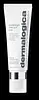
This brightening treatment is formulated around Glycolic Acid and Niacinamide to fade the look of dark spots and refine skin texture.
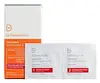
This smoothing treatment is formulated around Glycolic Acid and Salicylic Acid to refine skin texture and brighten dull-looking skin.

What's inside
What's inside
 Key Ingredients
Benefits
Concerns
Ingredients Side-by-side
Water
Skin ConditioningGlycerin
Humectant


Butylene Glycol
Humectant
Lactobacillus/Pumpkin Fruit Ferment Filtrate
Skin ConditioningGlycolic Acid
Buffering










Polysorbate 20
Emulsifying
Niacinamide
Smoothing


C12-18 Alkanoyl Glycerin/Sebacic Acid Copolymer
Gluconolactone
Chelating
Phytic Acid
Chelating
Mandelic Acid
Antimicrobial
Butyrospermum Parkii Butter
Skin Conditioning


Elaeis Guineensis Butter
Emollient
Sodium Hydroxide
BufferingTetrahydroxypropyl Ethylenediamine
ChelatingHectorite
AbsorbentBehenyl Alcohol
Emollient
Arachidyl Alcohol
Emollient
Tranexamic Acid
Astringent
Dipotassium Glycyrrhizate
Humectant
Simmondsia Chinensis Seed Oil
Emollient
Citrus Aurantium Dulcis Peel Oil
Masking
Citrus Aurantium Bergamia Fruit Oil
Masking

Citrus Limon Peel Oil
Masking
Citrus Paradisi Peel Oil
Masking
Ricinus Communis Seed Oil
Masking
Zingiber Officinale Root Oil
Masking
Lavandula Angustifolia Oil
Masking
Jasminum Sambac Flower Extract
Masking
Vanilla Planifolia Fruit
MaskingViola Odorata Leaf Extract
MaskingCocos Nucifera Oil
Masking
Leuconostoc/Radish Root Ferment Filtrate
Antimicrobial
Peat Extract
Skin ConditioningJuniperus Virginiana Oil
Masking
Curcuma Longa Root Extract
Antioxidant
Prunus Amygdalus Dulcis Oil
Skin Conditioning
Isochrysis Galbana Extract
Skin ConditioningNannochloropsis Gaditana Extract
Antioxidant
Ilex Paraguariensis Leaf Extract
Perfuming
Cucumis Sativus Seed Oil
Emollient
Mimosa Tenuiflora Bark Extract
Skin ProtectingTocopherol
Antioxidant
Squalene
Emollient
Phosphatidylcholine
EmulsifyingCaprylyl Glycol
Emollient
Lecithin
Emollient
Glyceryl Stearate
Emollient
Lauryl Alcohol
Emollient
Ethoxydiglycol
HumectantArachidyl Glucoside
EmulsifyingPalmitic Acid
Emollient
Myristyl Alcohol
Emollient
Bisabolol
Antioxidant
Polyquaternium-80
CleansingDidecyldimonium Chloride
EmulsifyingBeta-Sitosterol
Emulsion Stabilising
Dipteryx Odorata Seed Extract
MaskingXanthan Gum
EmulsifyingMethylpropanediol
SolventCetyl Alcohol
Emollient
Titanium Dioxide
Cosmetic Colorant

Tetrasodium Glutamate Diacetate
ChelatingCitric Acid
Buffering
Stearic Acid
Cleansing
Hydroxyethylcellulose
Emulsion StabilisingCistus Ladaniferus Resin
MaskingStyrax Benzoin Resin Extract
Masking
Sodium Benzoate
Masking
Potassium Sorbate
Preservative
Limonene
Perfuming
Water, Glycerin, Butylene Glycol, Lactobacillus/Pumpkin Fruit Ferment Filtrate, Glycolic Acid, Polysorbate 20, Niacinamide, C12-18 Alkanoyl Glycerin/Sebacic Acid Copolymer, Gluconolactone, Phytic Acid, Mandelic Acid, Butyrospermum Parkii Butter, Elaeis Guineensis Butter, Sodium Hydroxide, Tetrahydroxypropyl Ethylenediamine, Hectorite, Behenyl Alcohol, Arachidyl Alcohol, Tranexamic Acid, Dipotassium Glycyrrhizate, Simmondsia Chinensis Seed Oil, Citrus Aurantium Dulcis Peel Oil, Citrus Aurantium Bergamia Fruit Oil, Citrus Limon Peel Oil, Citrus Paradisi Peel Oil, Ricinus Communis Seed Oil, Zingiber Officinale Root Oil, Lavandula Angustifolia Oil, Jasminum Sambac Flower Extract, Vanilla Planifolia Fruit, Viola Odorata Leaf Extract, Cocos Nucifera Oil, Leuconostoc/Radish Root Ferment Filtrate, Peat Extract, Juniperus Virginiana Oil, Curcuma Longa Root Extract, Prunus Amygdalus Dulcis Oil, Isochrysis Galbana Extract, Nannochloropsis Gaditana Extract, Ilex Paraguariensis Leaf Extract, Cucumis Sativus Seed Oil, Mimosa Tenuiflora Bark Extract, Tocopherol, Squalene, Phosphatidylcholine, Caprylyl Glycol, Lecithin, Glyceryl Stearate, Lauryl Alcohol, Ethoxydiglycol, Arachidyl Glucoside, Palmitic Acid, Myristyl Alcohol, Bisabolol, Polyquaternium-80, Didecyldimonium Chloride, Beta-Sitosterol, Dipteryx Odorata Seed Extract, Xanthan Gum, Methylpropanediol, Cetyl Alcohol, Titanium Dioxide, Tetrasodium Glutamate Diacetate, Citric Acid, Stearic Acid, Hydroxyethylcellulose, Cistus Ladaniferus Resin, Styrax Benzoin Resin Extract, Sodium Benzoate, Potassium Sorbate, Limonene
Water
Skin ConditioningAlcohol Denat.
Antimicrobial
Glycolic Acid
Buffering
Potassium Hydroxide
BufferingHamamelis Virginiana Water
Astringent
Salicylic Acid
Masking
Polysorbate 20
Emulsifying
Lactic Acid
Buffering
Mandelic Acid
Antimicrobial
Malic Acid
Buffering
Citric Acid
Buffering
Salix Alba Bark Extract
Astringent
Menthone Glycerin Acetal
Refreshing
Camellia Sinensis Leaf Extract
Antimicrobial
Achillea Millefolium Extract
CleansingAnthemis Nobilis Flower Extract
Masking
Soy Isoflavones
Skin ConditioningCopper PCA
HumectantZinc PCA
Humectant
Lecithin
Emollient
Disodium EDTA
ChelatingAlcohol
Antimicrobial
Polysorbate 80
Emulsifying
Parfum
Masking
Linalool
Perfuming
Benzyl Salicylate
Perfuming
Benzoic Acid
Masking
Phenoxyethanol
Preservative
Sodium Benzoate
Masking
Sodium Bicarbonate
Abrasive
Resveratrol
Antioxidant
Retinol
Skin Conditioning
Ascorbic Acid
Antioxidant
Ubiquinone
Antioxidant
Ascorbyl Palmitate
Antioxidant
Phospholipids
Skin Conditioning
Retinyl Palmitate
Skin Conditioning
Tocopheryl Acetate
Antioxidant
Raphanus Sativus Root Extract
AstringentSodium PCA
Humectant
BHT
Antioxidant
Octoxynol-9
EmulsifyingSimethicone
Emollient
Tetrasodium EDTA
ChelatingWater, Alcohol Denat., Glycolic Acid, Potassium Hydroxide, Hamamelis Virginiana Water, Salicylic Acid, Polysorbate 20, Lactic Acid, Mandelic Acid, Malic Acid, Citric Acid, Salix Alba Bark Extract, Menthone Glycerin Acetal, Camellia Sinensis Leaf Extract, Achillea Millefolium Extract, Anthemis Nobilis Flower Extract, Soy Isoflavones, Copper PCA, Zinc PCA, Lecithin, Disodium EDTA, Alcohol, Polysorbate 80, Parfum, Linalool, Benzyl Salicylate, Benzoic Acid, Phenoxyethanol, Sodium Benzoate, Sodium Bicarbonate, Resveratrol, Retinol, Ascorbic Acid, Ubiquinone, Ascorbyl Palmitate, Phospholipids, Retinyl Palmitate, Tocopheryl Acetate, Raphanus Sativus Root Extract, Sodium PCA, BHT, Octoxynol-9, Simethicone, Tetrasodium EDTA
Reviews
Ingredients Explained
These ingredients are found in both products.
Ingredients higher up in an ingredient list are typically present in a larger amount.
Citric Acid is an alpha hydroxy acid (AHA) naturally found in citrus fruits like oranges, lemons, and limes.
Like other AHAs, citric acid can exfoliate skin by breaking down the bonds that hold dead skin cells together. This helps reveal smoother and brighter skin underneath.
However, this exfoliating effect only happens at high concentrations (20%) which can be hard to find in cosmetic products.
Due to this, citric acid is usually included in small amounts as a pH adjuster. This helps keep products slightly more acidic and compatible with skin's natural pH.
In skincare formulas, citric acid can:
While it can provide some skin benefits, research shows lactic acid and glycolic acid are generally more effective and less irritating exfoliants.
Most citric acid used in skincare today is made by fermenting sugars (usually from molasses). This synthetic version is identical to the natural citrus form but easier to stabilize and use in formulations.
Rosacea skin has a lower threshold for acids generally, with 62.5% of rosacea subjects in one study reacting to lactic acid in a sting test. This is why we mark citric acid as a potential rosacea trigger.
However, this ingredient shows up as a pH adjuster or chelator at roughly 0.1-1% in many products. These low levels are unlikely to be an issue for rosacea skin and becomes a potential trigger at exfoliating concentrations (20%). Because everybody's skin is unique, we recommend a patch test if you are unsure.
Learn more about Citric AcidGlycolic Acid is arguably the most famous alpha hydroxy acid (AHA) with tons of research backing its benefits.
It is found naturally in sugar cane but the form used in skincare is usually synthetic for purity and stability.
Glycolic acid removes the top layer of dead skin cells to allow newer and fresher ones to emerge.
AHAs work by breaking down the structural “glue” that holds old skin cells in place. When that buildup is gone, your skin can renew itself more efficiently.
Research also shows glycolic acid stimulates collagen production, helping to firm and thicken the skin over time. This is one of its biggest advantages over other AHAs.
Overall, glycolic acid helps with:
Fun fact: Glycolic acid boosts skin hydration by helping it produce molecules that increase hyaluronic acid naturally.
To work best, glycolic acid products should have a pH between 3-4 (that’s where exfoliation is most effective but still gentle on skin).
The pH and concentration of a product are key to its effectiveness:
It is normal to feel a slight stinging sensation when using glycolic acid. This usually fades as your skin adjusts.
Because glycolic acid has the smallest molecular size in the AHA family, it can penetrate deeper, which enhances its effectiveness but also makes it more likely to irritate sensitive skin.
If your skin is very sensitive or prone to rosacea, glycolic acid may be too strong; in that case, try milder options like lactic acid or a PHA instead.
Recent studies suggest glycolic acid might even help protect against UV damage. But don’t skip sunscreen! Freshly exfoliated skin is more sensitive to the sun.
Glycolic acid is a skincare superstar. It smooths, brightens, hydrates, and firms the skin. Unless you’re highly sensitive, it’s well worth adding to your routine.
Read more about some other popular AHA's here:
Learn more about Glycolic AcidLecithin is a term for a group of substances found in the cell membranes of plants, animals, and humans. They are made up of phospholipids.
Thanks to its amphiphilic structure (water-loving head and oil-loving tail), it is a true multitasker:
It plays well with most ingredients and is typically used at 0.1-1%. However, concentrations up to 50% have been reported in moisturizers.
Learn more about LecithinMandelic Acid is an alpha hydroxy acid (AHA).
Like other AHAs, it helps exfoliate the surface of the skin by breaking down the bonds that hold dead skin cells together. This helps reveal smoother and brighter skin underneath.
Mandelic acid helps with:
Due to it having a larger molecular size than glycolic acid, mandelic acid is able to penetrate the skin more slowly and evenly. This makes it gentler and less irritating, making it a great option for sensitive or beginner skin.
Despite being milder, mandelic acid is still an effective exfoliant that improves skin texture and tone over time.
What makes mandelic acid stand out from other AHAs? It has antibacterial and antioxidant properties.
These traits make it a great option for acne-prone or problem skin by reducing active breakouts and fading post-acne marks. Studies show that mandelic acid (especially when combined with salicylic acid) can significantly reduce pimples and hyperpigmentation while causing fewer side effects than stronger acids.
Mandelic acid is effective in concentrations of 5% and up with an ideal pH range of 3-4 for at-home use.
Like other AHAs, it’s important to wear sunscreen daily to protect your newly exfoliated skin.
However, unlike glycolic acid, mandelic acid is light-sensitive. Be sure your mandelic acid is packaged in opaque containers to ensure it stays stable and effective.
In short, mandelic acid is a gentle yet powerful AHA that exfoliates, brightens, and helps clarify skin while keeping irritation low. Its antibacterial action makes it especially beneficial for those with acne-prone, sensitive, or uneven skin, offering smoother, clearer, and more even-toned results over time.
Read more about some other popular AHA's here:
Learn more about Mandelic AcidPolysorbate 20 is a gentle, water-soluble emulsifier and mild surfactant. It stops oil and water from separating to keep your formulas blended and stable.
It also acts as a mild penetration enhancer by helping active ingredients absorb slightly better.
The common safety discussion around this ingredient involves a manufacturing byproduct called 1,4-dioxane.
Trace amounts can form during production but the EU's Scientific Committee on Consumer Safety has concluded that levels at/below 10 ppm in finished products are safe (commercial products consistently fall within acceptable margins).
True allergic reactions are uncommon and the CIR Expert Panel has confirmed this ingredient to be safe as used in cosmetics.
Because it is derived from lauric acid, it may not be fungal acne safe.
Learn more about Polysorbate 20Sodium Benzoate is a preservative. It's used in both cosmetic and food products to inhibit the growth of mold and bacteria. It is typically produced synthetically.
Both the US FDA and EU Health Committee have approved the use of sodium benzoate. In the US, levels of 0.1% (of the total product) are allowed.
Sodium benzoate works as a preservative by inhibiting the growth of bacteria inside of cells. It prevents the cell from fermenting a type of sugar using an enzyme called phosphofructokinase.
It is the salt of benzoic acid. Foods containing sodium benzoate include soda, salad dressings, condiments, fruit juices, wines, and snack foods.
Studies for using ascorbic acid and sodium benzoate in cosmetics are lacking, especially in skincare routines with multiple steps.
We always recommend speaking with a professional, such as a dermatologist, if you have any concerns.
Learn more about Sodium BenzoateWater. It's the most common cosmetic ingredient of all. You'll usually see it at the top of ingredient lists, meaning that it makes up the largest part of the product.
So why is it so popular? Water most often acts as a solvent - this means that it helps dissolve other ingredients into the formulation.
You'll also recognize water as that liquid we all need to stay alive. If you see this, drink a glass of water. Remember to stay hydrated!
Learn more about Water

