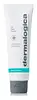
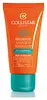
Dermalogica Oil Free Matte SPF 30 Versus COLLISTAR Milano Active Protection Sun Face Cream Hyper-sensitive Skins SPF 50+
This chemical sunscreen covers most of the UV range, lighter on the deep UVA that drives aging.
This chemical sunscreen covers the full UV range and blocks ~98% of UVB at SPF 50.


What's inside
What's inside
 Key Ingredients
Benefits
Concerns
Ingredients Side-by-side
Water
Skin ConditioningHomosalate
Skin Conditioning

Benzophenone-3
UV Absorber

Ethylhexyl Salicylate
UV Absorber
Butylene Glycol
Humectant

Butyl Methoxydibenzoylmethane
UV Absorber
PPG-3 Benzyl Ether Ethylhexanoate
EmollientNylon-12

Aluminum Starch Octenylsuccinate
Absorbent
Arachidyl Alcohol
Emollient
Stearic Acid
Cleansing

Polysorbate 80
Emulsifying
Leuconostoc/Radish Root Ferment Filtrate
Antimicrobial
Carthamus Tinctorius Oleosomes
Emollient
Camellia Sinensis Leaf Extract
Antimicrobial





Citrus Grandis Fruit Extract
Astringent
Aesculus Hippocastanum Seed Extract
Skin ConditioningAmmonium Glycyrrhizate
MaskingEnantia Chlorantha Bark Extract
Skin ConditioningPanthenol
Skin Conditioning
Zinc Gluconate
Skin Conditioning

Caffeine
Skin Conditioning
Biotin
AntiseborrhoeicOleanolic Acid
Skin ConditioningTocopheryl Acetate
Antioxidant
Yeast Extract
Skin ConditioningNiacinamide
Smoothing


Vinyl Dimethicone/Methicone Silsesquioxane Crosspolymer

Hydroxyethyl Acrylate/Sodium Acryloyldimethyl Taurate Copolymer
Emulsion StabilisingIsohexadecane
EmollientPolysorbate 60
Emulsifying
Behenyl Alcohol
Emollient
Arachidyl Glucoside
EmulsifyingAcrylates/C10-30 Alkyl Acrylate Crosspolymer
Emulsion StabilisingXanthan Gum
EmulsifyingSorbitan Stearate
Emulsifying
Cetyl Alcohol
Emollient
Glyceryl Stearate Se
Emulsifying

Gluconic Acid
Chelating
Propylene Glycol
Humectant
Sodium Benzoate
Masking
Potassium Sorbate
Preservative
Disodium EDTA
ChelatingSodium Hydroxide
BufferingLimonene
Perfuming
Citral
Perfuming
Water, Homosalate, Benzophenone-3, Ethylhexyl Salicylate, Butylene Glycol, Butyl Methoxydibenzoylmethane, PPG-3 Benzyl Ether Ethylhexanoate, Nylon-12, Aluminum Starch Octenylsuccinate, Arachidyl Alcohol, Stearic Acid, Polysorbate 80, Leuconostoc/Radish Root Ferment Filtrate, Carthamus Tinctorius Oleosomes, Camellia Sinensis Leaf Extract, Citrus Grandis Fruit Extract, Aesculus Hippocastanum Seed Extract, Ammonium Glycyrrhizate, Enantia Chlorantha Bark Extract, Panthenol, Zinc Gluconate, Caffeine, Biotin, Oleanolic Acid, Tocopheryl Acetate, Yeast Extract, Niacinamide, Vinyl Dimethicone/Methicone Silsesquioxane Crosspolymer, Hydroxyethyl Acrylate/Sodium Acryloyldimethyl Taurate Copolymer, Isohexadecane, Polysorbate 60, Behenyl Alcohol, Arachidyl Glucoside, Acrylates/C10-30 Alkyl Acrylate Crosspolymer, Xanthan Gum, Sorbitan Stearate, Cetyl Alcohol, Glyceryl Stearate Se, Gluconic Acid, Propylene Glycol, Sodium Benzoate, Potassium Sorbate, Disodium EDTA, Sodium Hydroxide, Limonene, Citral
Water
Skin ConditioningDibutyl Adipate
EmollientC12-15 Alkyl Benzoate
AntimicrobialDiethylamino Hydroxybenzoyl Hexyl Benzoate
UV Filter
Ethylhexyl Salicylate
UV Absorber
Phenylbenzimidazole Sulfonic Acid
UV Absorber
Arginine
Masking
Ethylhexyl Triazone
UV Absorber
Bis-Ethylhexyloxyphenol Methoxyphenyl Triazine
UV Absorber
Diethylhexyl Butamido Triazone
UV Absorber
Polyester-5
Tris-Biphenyl Triazine
UV Absorber
Pentylene Glycol
Skin Conditioning
Methylene Bis-Benzotriazolyl Tetramethylbutylphenol
UV Filter
Coco-Caprylate
Emollient
Polyacrylate Crosspolymer-6
Emulsion StabilisingLauroyl Lysine
Skin Conditioning
1,2-Hexanediol
Skin Conditioning
Acrylates/Palmeth-25 Acrylate Copolymer
Potassium Cetyl Phosphate
EmulsifyingDecyl Glucoside
Cleansing
Hydroxyacetophenone
Antioxidant
Caprylyl Glycol
Emollient
Chlorphenesin
Antimicrobial
Caprylhydroxamic Acid
ChelatingXanthan Gum
EmulsifyingEthylhexylglycerin
Skin ConditioningSodium Stearoyl Glutamate
CleansingPolyglyceryl-3 Cocoate
Emulsifying
Lecithin
Emollient
Tetrasodium Glutamate Diacetate
ChelatingTocopheryl Acetate
Antioxidant
Glycerin
Humectant
Opuntia Ficus-Indica Stem Extract
Skin Conditioning
Tocopherol
Antioxidant
Butylene Glycol
Humectant
Disodium Phosphate
BufferingEctoin
Skin Conditioning
Ascorbyl Palmitate
Antioxidant
Saccharomyces Ferment Lysate Filtrate
Skin Conditioning
Propylene Glycol
Humectant
Canola Oil
Emollient
Amylopectin
Citric Acid
Buffering
Humulus Lupulus Extract
AntimicrobialSodium Benzoate
Masking
Potassium Sorbate
Preservative
Caprylic/Capric Triglyceride
Masking
Daucus Carota Sativa Root Extract
Skin Conditioning
Daucus Carota Sativa Seed Oil
Emollient
Ascorbyl Tetraisopalmitate
Antioxidant
Carbomer
Emulsion StabilisingBeta-Carotene
Skin ConditioningHelianthus Annuus Seed Oil
Emollient
DNA
Skin ConditioningWater, Dibutyl Adipate, C12-15 Alkyl Benzoate, Diethylamino Hydroxybenzoyl Hexyl Benzoate, Ethylhexyl Salicylate, Phenylbenzimidazole Sulfonic Acid, Arginine, Ethylhexyl Triazone, Bis-Ethylhexyloxyphenol Methoxyphenyl Triazine, Diethylhexyl Butamido Triazone, Polyester-5, Tris-Biphenyl Triazine, Pentylene Glycol, Methylene Bis-Benzotriazolyl Tetramethylbutylphenol, Coco-Caprylate, Polyacrylate Crosspolymer-6, Lauroyl Lysine, 1,2-Hexanediol, Acrylates/Palmeth-25 Acrylate Copolymer, Potassium Cetyl Phosphate, Decyl Glucoside, Hydroxyacetophenone, Caprylyl Glycol, Chlorphenesin, Caprylhydroxamic Acid, Xanthan Gum, Ethylhexylglycerin, Sodium Stearoyl Glutamate, Polyglyceryl-3 Cocoate, Lecithin, Tetrasodium Glutamate Diacetate, Tocopheryl Acetate, Glycerin, Opuntia Ficus-Indica Stem Extract, Tocopherol, Butylene Glycol, Disodium Phosphate, Ectoin, Ascorbyl Palmitate, Saccharomyces Ferment Lysate Filtrate, Propylene Glycol, Canola Oil, Amylopectin, Citric Acid, Humulus Lupulus Extract, Sodium Benzoate, Potassium Sorbate, Caprylic/Capric Triglyceride, Daucus Carota Sativa Root Extract, Daucus Carota Sativa Seed Oil, Ascorbyl Tetraisopalmitate, Carbomer, Beta-Carotene, Helianthus Annuus Seed Oil, DNA
Ingredients Explained
These ingredients are found in both products.
Ingredients higher up in an ingredient list are typically present in a larger amount.
Butylene Glycol (or BG) is used within cosmetic products for a few different reasons:
Overall, Butylene Glycol is a safe and well-rounded ingredient that works well with other ingredients.
Though this ingredient works well with most skin types, some people with sensitive skin may experience a reaction such as allergic rashes, closed comedones, or itchiness.
Learn more about Butylene GlycolEthylhexyl Salicylate (also called Octisalate or Octyl Salicylate) is an oil-soluble organic UV filter that's been used in sunscreen since the 1950's.
It absorbs UVB light in the 280-320 nm range with a peak absorbance around 306 nm.
You'll often see it paired with other UV filters to boost overall SPF because octisalate is a fairly week filter on its own.
The reason you'll see it so often is because it can help solubilize and stabilize the trickier filters like oxybenzone and avobenzone.
Unlike these filters, octisalate has pretty good photostability and doesn't create skin-damaging free radicals when exposed to sunlight.
The fatty-alcohol part of the molecule also gives it a light, emollient feel so it doubles as a nice texture enhancer.
Usage levels vary around the world:
Safety-wise, this ingredient has a pretty reassuring track record. The EU's Scientific Committee on Consumer Products (SCCP) found very low skin penetration in human skin tests and negative results for irritation, phototoxicity, and photoallergy.
The real-world allergy risk is pretty low too; a 2012 European study of 1,031 people recorded only 2 reactions to it (a rate of 0.19%).
You might have seen scary headlines about sunscreen getting into your blood.
In 2019, the FDA found that several chemical filters can absorb through the skin and show up in the bloodstream at small but measurable levels.
Here's the important part: these tiny levels are just a cutoff the FDA uses to decide which ingredients need more testing and doesn't mean anything harmful was found.
The researchers were clear that the results are no reason to stop wearing sunscreen.
Learn more about Ethylhexyl SalicylatePotassium Sorbate is a preservative used to prevent yeast and mold in products. It is commonly found in both cosmetic and food products.
This ingredient comes from potassium salt derived from sorbic acid. Sorbic acid is a natural antibiotic and effective against fungus.
Both potassium sorbate and sorbic acid can be found in baked goods, cheeses, dried meats, dried fruit, ice cream, pickles, wine, yogurt, and more.
You'll often find this ingredient used with other preservatives.
Learn more about Potassium SorbatePropylene Glycol is a synthetic, colorless, odorless liquid that has been a staple in cosmetics for decades. It is a skin conditioning agent, humectant, and solvent.
As a humectant, it draw water to the skin to reduce flaking and restore suppleness. It's also a solvent that helps dissolve other actives and keeps formulas stable across temperature changes.
The CIR Expert Panel has confirmed this ingredient to be nontoxic and clinical studies show no sensitization at cosmetic use concentrations.
True allergic reactions are quite rare: a 15-year retrospective study of 6,751 patients found only 0.31% had a positive reaction (and less than half were considered clinically relevant).
It seemed that when sensitization does occur, it's most commonly linked to topical medication (like corticosteroids) and not cosmetics. Allergic contact dermatitis also appears largely limited to individuals with underlying skin conditions.
Overall, propylene glycol is a well-studied ingredient that most people can tolerate without issue.
Learn more about Propylene GlycolSodium Benzoate is a preservative. It's used in both cosmetic and food products to inhibit the growth of mold and bacteria. It is typically produced synthetically.
Both the US FDA and EU Health Committee have approved the use of sodium benzoate. In the US, levels of 0.1% (of the total product) are allowed.
Sodium benzoate works as a preservative by inhibiting the growth of bacteria inside of cells. It prevents the cell from fermenting a type of sugar using an enzyme called phosphofructokinase.
It is the salt of benzoic acid. Foods containing sodium benzoate include soda, salad dressings, condiments, fruit juices, wines, and snack foods.
Studies for using ascorbic acid and sodium benzoate in cosmetics are lacking, especially in skincare routines with multiple steps.
We always recommend speaking with a professional, such as a dermatologist, if you have any concerns.
Learn more about Sodium BenzoateTocopheryl Acetate is a stable, shelf-friendly form of vitamin E.
Formulators love it because plain vitamin E oxidizes quickly once it hits air. This acetate version stays stable and resists going off, helping to extend a product's shelf life.
It's actually inactive on its own and works like a slow-release "storage" form; the enzymes in your skin called esterases gradually convert it into active vitamin E over time.
One in vivo study showed 5% of the acetate in the living layer of the epidermis converted to vitamin E after 5 days of application. This study also found the skin gained protection against UV damage even though the conversion was slow and small.
Once converted, vitamin E acts as a skin's main fat-soluble antioxidant that fights free radicals to protect skin from damage.
Topical vitamin E generally boosts the skin's photoprotection, and it reduced UV-damage in animal models.
This ingredient has some brightening potential but it's more of a prevention ingredient than spot-fader. Cell studies show it can slow down melanin production but it's worth noting that it's not the most powerful brightener out there.
Overall, it has a pretty solid safety profile and has been found to be non-irritating and non-comedogenic. Allergic reactions may happen but stay rare due to how widely the ingredient gets used.
The concentration will vary depending on the formula; industry data shows 0.1% in baby lotions, 3% in lipsticks, and 5% in foot powders. You can also find this ingredient at 100% in a pure vitamin E oil.
Most leave-on skincare keeps it at the lower end, often between 0.5-1%.
Learn more about Tocopheryl AcetateWater. It's the most common cosmetic ingredient of all. You'll usually see it at the top of ingredient lists, meaning that it makes up the largest part of the product.
So why is it so popular? Water most often acts as a solvent - this means that it helps dissolve other ingredients into the formulation.
You'll also recognize water as that liquid we all need to stay alive. If you see this, drink a glass of water. Remember to stay hydrated!
Learn more about WaterXanthan gum is used as a stabilizer and thickener within cosmetic products. It helps give products a sticky, thick feeling - preventing them from being too runny.
On the technical side of things, xanthan gum is a polysaccharide - a combination consisting of multiple sugar molecules bonded together.
Xanthan gum is a pretty common and great ingredient. It is a natural, non-toxic, non-irritating ingredient that is also commonly used in food products.
Learn more about Xanthan Gum

