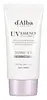
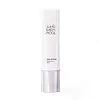
D'Alba UV Essence Waterfull Tone-Up Purple Correcting Sun Cream SPF 50+ Versus Jung Saem Mool Skin Setting Smoothing Base
This hybrid sunscreen covers the full UV range and blocks ~98% of UVB at SPF 50.

What's inside
What's inside
 Key Ingredients
Benefits
Concerns
Ingredients Side-by-side
Water
Skin ConditioningPropanediol
Solvent

Butyloctyl Salicylate
Skin Conditioning

Titanium Dioxide
Cosmetic Colorant
Dibutyl Adipate
EmollientDicaprylyl Carbonate
EmollientDiethylamino Hydroxybenzoyl Hexyl Benzoate
UV Filter
Polysilicone-15
UV Filter
Niacinamide
Smoothing










Diisopropyl Sebacate
EmollientDiphenylsiloxy Phenyl Trimethicone
Skin Conditioning
2,3-Butanediol
HumectantEthylhexyl Triazone
UV Absorber
1,2-Hexanediol
Skin Conditioning
Pentylene Glycol
Skin Conditioning
Tuber Magnatum Extract
Skin ConditioningTocopherol
Antioxidant

Coccinia Indica Fruit Extract
Skin Conditioning
Eclipta Prostrata Extract
Skin Conditioning
Stellaria Media Extract
Skin ConditioningPortulaca Oleracea Extract
Skin Conditioning
Houttuynia Cordata Extract
Skin Conditioning
Lavandula Angustifolia Flower Extract
Cleansing

Adansonia Digitata Leaf Extract
Skin ConditioningCentella Asiatica Extract
Cleansing
Buddleja Davidii Extract
Skin ConditioningOlea Europaea Leaf Extract
Perfuming
Thymus Vulgaris Extract
Perfuming
Citrus Aurantium Dulcis Oil
Masking
Simmondsia Chinensis Seed Oil
Emollient

Citrus Nobilis Peel Oil
Masking
Litsea Cubeba Fruit Oil
Masking
Salvia Officinalis Leaf Water
MaskingCentaurea Cyanus Flower Water
Skin Conditioning
Butylene Glycol
Humectant
Polymethylsilsesquioxane
Coco-Caprylate/Caprate
Emollient
Methylpropanediol
SolventVp/Eicosene Copolymer
Polyglyceryl-2 Caprate
EmulsifyingGlycerin
Humectant
Polyhydroxystearic Acid
Emulsifying
Sucrose Stearate
EmollientAmmonium Acryloyldimethyltaurate/Vp Copolymer
Polyacrylate Crosspolymer-6
Emulsion StabilisingInulin Lauryl Carbamate
Emulsion StabilisingHydroxypropyl Methylcellulose Stearoxy Ether
Stearic Acid
Cleansing
Ethylhexylglycerin
Skin ConditioningAlumina
Abrasive
Glyceryl Caprylate
EmollientAluminum Hydroxide
EmollientTriethoxycaprylylsilane
Xanthan Gum
EmulsifyingAdenosine
Skin Conditioning
Squalane
Emollient
Polyether-1
Lactobacillus Ferment
Skin Conditioning
Glutathione
Allantoin
Skin Conditioning
Panthenol
Skin Conditioning
Caesalpinia Spinosa Gum
Skin ConditioningBiosaccharide Gum-1
Humectant
Hydrolyzed Hyaluronic Acid
Humectant
Maltodextrin
Absorbent
Wine
Skin ConditioningUltramarines
Limonene
Perfuming
Water, Propanediol, Butyloctyl Salicylate, Titanium Dioxide, Dibutyl Adipate, Dicaprylyl Carbonate, Diethylamino Hydroxybenzoyl Hexyl Benzoate, Polysilicone-15, Niacinamide, Diisopropyl Sebacate, Diphenylsiloxy Phenyl Trimethicone, 2,3-Butanediol, Ethylhexyl Triazone, 1,2-Hexanediol, Pentylene Glycol, Tuber Magnatum Extract, Tocopherol, Coccinia Indica Fruit Extract, Eclipta Prostrata Extract, Stellaria Media Extract, Portulaca Oleracea Extract, Houttuynia Cordata Extract, Lavandula Angustifolia Flower Extract, Adansonia Digitata Leaf Extract, Centella Asiatica Extract, Buddleja Davidii Extract, Olea Europaea Leaf Extract, Thymus Vulgaris Extract, Citrus Aurantium Dulcis Oil, Simmondsia Chinensis Seed Oil, Citrus Nobilis Peel Oil, Litsea Cubeba Fruit Oil, Salvia Officinalis Leaf Water, Centaurea Cyanus Flower Water, Butylene Glycol, Polymethylsilsesquioxane, Coco-Caprylate/Caprate, Methylpropanediol, Vp/Eicosene Copolymer, Polyglyceryl-2 Caprate, Glycerin, Polyhydroxystearic Acid, Sucrose Stearate, Ammonium Acryloyldimethyltaurate/Vp Copolymer, Polyacrylate Crosspolymer-6, Inulin Lauryl Carbamate, Hydroxypropyl Methylcellulose Stearoxy Ether, Stearic Acid, Ethylhexylglycerin, Alumina, Glyceryl Caprylate, Aluminum Hydroxide, Triethoxycaprylylsilane, Xanthan Gum, Adenosine, Squalane, Polyether-1, Lactobacillus Ferment, Glutathione, Allantoin, Panthenol, Caesalpinia Spinosa Gum, Biosaccharide Gum-1, Hydrolyzed Hyaluronic Acid, Maltodextrin, Wine, Ultramarines, Limonene
Water
Skin ConditioningCyclopentasiloxane
Emollient
Trimethylsiloxysilicate
Emollient
Alcohol Denat.
Antimicrobial

Methyl Methacrylate Crosspolymer
PEG-10 Dimethicone
Skin Conditioning
Synthetic Fluorphlogopite
Butylene Glycol
Humectant
Caprylyl Methicone
Skin Conditioning
Cetyl Ethylhexanoate
EmollientPentylene Glycol
Skin Conditioning
Triethylhexanoin
MaskingDisteardimonium Hectorite
StabilisingGlycerin
Humectant
Aluminum Starch Octenylsuccinate
Absorbent
Diphenylsiloxy Phenyl Trimethicone
Skin Conditioning
Lauryl PEG-8 Dimethicone
Surfactant
Silica
Abrasive
Magnesium Sulfate
Tribehenin
Emollient
Phenoxyethanol
Preservative
Vinyldimethicone
PEG-Crosspolymer
CI 77891
Cosmetic ColorantTriethoxycaprylylsilane
Ethylhexylglycerin
Skin ConditioningParfum
Masking
Aluminum Hydroxide
EmollientStearic Acid
Cleansing
Disodium EDTA
ChelatingEthylhexyl Palmitate
Emollient
Sodium PCA
Humectant
Magnesium PCA
Humectant
Zinc PCA
Humectant
Silica Dimethyl Silylate
EmollientCaprylyl Glycol
Emollient
Manganese PCA
HumectantPotassium Sorbate
Preservative
Sodium Hyaluronate
Humectant
Hexylene Glycol
EmulsifyingGossypium Herbaceum Seed Extract
Skin ConditioningWater, Cyclopentasiloxane, Trimethylsiloxysilicate, Alcohol Denat., Methyl Methacrylate Crosspolymer, PEG-10 Dimethicone, Synthetic Fluorphlogopite, Butylene Glycol, Caprylyl Methicone, Cetyl Ethylhexanoate, Pentylene Glycol, Triethylhexanoin, Disteardimonium Hectorite, Glycerin, Aluminum Starch Octenylsuccinate, Diphenylsiloxy Phenyl Trimethicone, Lauryl PEG-8 Dimethicone, Silica, Magnesium Sulfate, Tribehenin, Phenoxyethanol, Vinyldimethicone, PEG-Crosspolymer, CI 77891, Triethoxycaprylylsilane, Ethylhexylglycerin, Parfum, Aluminum Hydroxide, Stearic Acid, Disodium EDTA, Ethylhexyl Palmitate, Sodium PCA, Magnesium PCA, Zinc PCA, Silica Dimethyl Silylate, Caprylyl Glycol, Manganese PCA, Potassium Sorbate, Sodium Hyaluronate, Hexylene Glycol, Gossypium Herbaceum Seed Extract
Reviews
Ingredients Explained
These ingredients are found in both products.
Ingredients higher up in an ingredient list are typically present in a larger amount.
Aluminum Hydroxide is a form of aluminum. It can be naturally found in nature as the mineral gibbsite. In cosmetics, Aluminum Hydroxide is used as a colorant, pH adjuster, and absorbent.
As a colorant, Aluminum Hydroxide may add opacity, or reduce the transparency. Aluminum hydroxide is contains both basic and acidic properties.
According to manufacturers, this ingredient is an emollient and humectant. This means it helps hydrate the skin.
In medicine, this ingredient is used to help relieve heartburn and help heal ulcers.
There is currently no credible scientific evidence linking aluminum hydroxide in cosmetics to increased cancer risk.
Major health organizations allow the use of aluminum hydroxide in personal care products and have not flagged it as a carcinogenic risk at typical usage levels.
Learn more about Aluminum HydroxideButylene Glycol (or BG) is used within cosmetic products for a few different reasons:
Overall, Butylene Glycol is a safe and well-rounded ingredient that works well with other ingredients.
Though this ingredient works well with most skin types, some people with sensitive skin may experience a reaction such as allergic rashes, closed comedones, or itchiness.
Learn more about Butylene GlycolDiphenylsiloxy Phenyl Trimethicone is a silicone. It has a high refractive index and adds shine to formulations.
According to the safety review by the Cosmetic Ingredient Review (CIR) Expert Panel, it is safe for use in cosmetics under the current practices and concentrations.
Ethylhexylglycerin is created from glycerin. It is a multitasker ingredient that:
The CIR Expert Panel found minimal skin absorption or sensitization of any kind in a safety assessment. Though this ingredient is considered well-tolerated, a small number of cases of allergic dermatitis have been published since 2002. Just be sure to patch test if you are unsure.
Industry-reported use ranges from 8% in rinse-off products and 2% in leave-on formulations.
Learn more about EthylhexylglycerinGlycerin (or glycerol) is a compound naturally found in your skin. It's a powerhouse humectant that pulls water into the stratum corneum.
Topically, glycerin does several things at once:
Your skin makes glycerin on its own (mostly from sebaceous oil breakdown) and shuttles it to your outermost layer of skin, or your epidermis, via aquaporin-3.
Aquaporin-3 is a transporter that is essential for normal skin hydration, elasticity, and repair. Interestingly, mice lacking in AQP3 have dry and less elastic skin that can be fully corrected with glycerin.
This ingredient is non-irritating, plays well with almost every ingredient, and works across all skin types. Typical use is anywhere between 3-10% but can go up to 79% in some leave-on products.
Just know very high concentrations (>40%) can feel tacky in low humidity.
Glycerin is the name for this ingredient in American English. British English uses Glycerol/Glycerine.
Learn more about GlycerinPentylene Glycol (1,2-pentanediol) is a multitasking little diol with three main roles in a formula:
Research on alkanediols (the family pentylene glycol belongs to) show they work by disrupting microbial cell membranes. This disruption helps the primary preservative system in a product work more effectively at lower doses.
On the safety side, the Cosmetic Ingredient Review Expert Panel has concluded this ingredient to be safe as used in current cosmetic practices + concentrations.
Typical use levels in a formula run about 1-5%.
Learn more about Pentylene GlycolStearic Acid is a fatty acid that is already found in your skin. It's one of the free fatty acids that works alongside ceramides and cholesterols to maintain your barrier.
In cosmetics, it is a multitasker:
Safety-wise, the CIR Expert Panel has concluded it to be safe in cosmetics when formulated to be non-irritating and non-sensitizing.
Free stearic acid is a C18 fatty acid that the Malassezia yeast can substrate, so this ingredient may not be fungal acne safe.
Learn more about Stearic AcidTriethoxycaprylylsilane is a silicon-based surface modifier that makes sunscreens feel silky and makeup stay put.
Its main job is to coat mineral particles like titanium dioxide, zinc oxide, and color pigments in a thin, oily layer so they spread smoothly, don't clump, and stick to skin better.
This ingredient is typically used at low levels (up to 2.5% in eyeshadow and 1% in lipstick).
Learn more about TriethoxycaprylylsilaneWater. It's the most common cosmetic ingredient of all. You'll usually see it at the top of ingredient lists, meaning that it makes up the largest part of the product.
So why is it so popular? Water most often acts as a solvent - this means that it helps dissolve other ingredients into the formulation.
You'll also recognize water as that liquid we all need to stay alive. If you see this, drink a glass of water. Remember to stay hydrated!
Learn more about Water

