
What's inside
What's inside
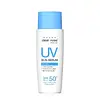 Key Ingredients
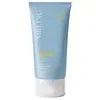
Benefits
Concerns
Ingredients Side-by-side
Water
Skin ConditioningCyclopentasiloxane
Emollient
Ethylhexyl Salicylate
UV Absorber

Octocrylene
UV Absorber

Butyl Methoxydibenzoylmethane
UV Absorber
Propylene Glycol
Humectant

Cetyl Alcohol
Emollient


C12-15 Alkyl Benzoate
AntimicrobialSilica
Abrasive


Titanium Dioxide
Cosmetic Colorant
Zinc Oxide
Cosmetic Colorant
Dicaprylyl Carbonate
EmollientVp/Hexadecene Copolymer
Glyceryl Stearate
Emollient
PEG-100 Stearate
Surfactant
Phenoxyethanol
Preservative
Ethylhexyl Triazone
UV Absorber
Polyacrylamide
Chlorphenesin
Antimicrobial
Niacinamide
Smoothing









C13-14 Isoparaffin
Emollient
Cetearyl Olivate
Cetearyl Alcohol
Emollient
Sorbitan Olivate
Emulsifying
Acacia Senegal Gum
MaskingPotassium Cetyl Phosphate
EmulsifyingTocopheryl Acetate
Antioxidant

Disodium EDTA
Xanthan Gum
EmulsifyingCoco-Glucoside
Cleansing
Ethylhexylglycerin
Skin ConditioningLaureth-7
EmulsifyingGlycerin
Humectant
Butylene Glycol
Humectant
Allantoin
Skin Conditioning
Bisabolol
Antioxidant
Aloe Barbadensis Leaf Juice
Skin Conditioning
Salix Nigra Bark Extract
Skin ProtectingHamamelis Virginiana Leaf Extract
Skin Conditioning
Camellia Sinensis Leaf Extract
Antimicrobial
Betaine
Humectant
Palmaria Palmata Extract
Skin ProtectingTocopherol
Antioxidant
Centella Asiatica Extract
Cleansing
Methicone
Emollient
1,2-Hexanediol
Skin Conditioning
Terminalia Ferdinandiana Fruit Extract
Antioxidant
Vitis Vinifera Seed Extract
Antimicrobial
Sodium Benzoate
Masking
Potassium Sorbate
Preservative
Calendula Officinalis Flower Extract
Masking
Polyglutamic Acid
Skin Conditioning
Melaleuca Alternifolia Leaf Extract
Perfuming
Saccharide Isomerate
Humectant
Geranium Robertianum Extract
AstringentScutellaria Baicalensis Root Extract
Astringent
Houttuynia Cordata Extract
Skin Conditioning
Citrus Reticulata Peel Extract
Skin ConditioningCentaurea Cyanus Flower Extract
Astringent
Aspalathus Linearis Extract
Skin ConditioningEisenia Arborea Extract
Skin ConditioningPorphyra Yezoensis Extract
Skin ConditioningPhaseolus Radiatus Sprout Extract
HumectantMagnesium PCA
Humectant
Sodium Lactate
Buffering
Copper Tripeptide-1
Skin Conditioning
Serine
Masking
Sucrose
Humectant
Urea
Buffering
Glycine
Buffering
Calcium Chloride
AstringentPotassium Hydroxide
BufferingOrnithine
Skin ConditioningSea Salt
Abrasive
Alanine
Masking
Magnesium Chloride
Threonine
Histidine
Humectant
Aspartic Acid
Masking
Valine
MaskingProline
Skin Conditioning
Dipotassium Phosphate
BufferingLysine
Skin ConditioningLeucine
Skin ConditioningTyrosine
MaskingIsoleucine
Skin ConditioningMagnesium Citrate
Skin ConditioningGlucosamine Hcl
Glutamic Acid
Humectant
Phenylalanine
Masking
Arginine
Masking
1-Methylhydantoin-2-Imide
Skin ConditioningAsparagine
MaskingCitrulline
Skin ConditioningUric Acid
BufferingMethionine
Skin ConditioningTaurine
BufferingTryptophan
MaskingFormic Acid
Preservative
Ammonia
Buffering
Cysteine
Antioxidant
Glutamine
Skin ConditioningWater, Cyclopentasiloxane, Ethylhexyl Salicylate, Octocrylene, Butyl Methoxydibenzoylmethane, Propylene Glycol, Cetyl Alcohol, C12-15 Alkyl Benzoate, Silica, Titanium Dioxide, Zinc Oxide, Dicaprylyl Carbonate, Vp/Hexadecene Copolymer, Glyceryl Stearate, PEG-100 Stearate, Phenoxyethanol, Ethylhexyl Triazone, Polyacrylamide, Chlorphenesin, Niacinamide, C13-14 Isoparaffin, Cetearyl Olivate, Cetearyl Alcohol, Sorbitan Olivate, Acacia Senegal Gum, Potassium Cetyl Phosphate, Tocopheryl Acetate, Disodium EDTA, Xanthan Gum, Coco-Glucoside, Ethylhexylglycerin, Laureth-7, Glycerin, Butylene Glycol, Allantoin, Bisabolol, Aloe Barbadensis Leaf Juice, Salix Nigra Bark Extract, Hamamelis Virginiana Leaf Extract, Camellia Sinensis Leaf Extract, Betaine, Palmaria Palmata Extract, Tocopherol, Centella Asiatica Extract, Methicone, 1,2-Hexanediol, Terminalia Ferdinandiana Fruit Extract, Vitis Vinifera Seed Extract, Sodium Benzoate, Potassium Sorbate, Calendula Officinalis Flower Extract, Polyglutamic Acid, Melaleuca Alternifolia Leaf Extract, Saccharide Isomerate, Geranium Robertianum Extract, Scutellaria Baicalensis Root Extract, Houttuynia Cordata Extract, Citrus Reticulata Peel Extract, Centaurea Cyanus Flower Extract, Aspalathus Linearis Extract, Eisenia Arborea Extract, Porphyra Yezoensis Extract, Phaseolus Radiatus Sprout Extract, Magnesium PCA, Sodium Lactate, Copper Tripeptide-1, Serine, Sucrose, Urea, Glycine, Calcium Chloride, Potassium Hydroxide, Ornithine, Sea Salt, Alanine, Magnesium Chloride, Threonine, Histidine, Aspartic Acid, Valine, Proline, Dipotassium Phosphate, Lysine, Leucine, Tyrosine, Isoleucine, Magnesium Citrate, Glucosamine Hcl, Glutamic Acid, Phenylalanine, Arginine, 1-Methylhydantoin-2-Imide, Asparagine, Citrulline, Uric Acid, Methionine, Taurine, Tryptophan, Formic Acid, Ammonia, Cysteine, Glutamine
Water
Skin ConditioningEthylhexyl Methoxycinnamate
UV Absorber
Dibutyl Adipate
EmollientPropanediol
Solvent
Methyl Methacrylate Crosspolymer
Diethylamino Hydroxybenzoyl Hexyl Benzoate
UV Filter
Ethylhexyl Triazone
UV Absorber
Methylene Bis-Benzotriazolyl Tetramethylbutylphenol
UV Filter
Poly C10-30 Alkyl Acrylate
Emulsion StabilisingCoco-Caprylate/Caprate
Emollient
Diethylhexyl Butamido Triazone
UV Absorber
Polyglyceryl-3 Methylglucose Distearate
Emulsifying
Glycerin
Humectant
Phenoxyethanol
Preservative
1,2-Hexanediol
Skin Conditioning
Behenyl Alcohol
Emollient
Pentylene Glycol
Skin Conditioning
Polyacrylate Crosspolymer-6
Emulsion StabilisingDecyl Glucoside
Cleansing
Sodium Acrylates Crosspolymer-2
AbsorbentHydroxyethyl Urea
Humectant
Bisabolol
Antioxidant
Sodium Stearoyl Glutamate
CleansingChlorphenesin
Antimicrobial
Glycogen
HumectantMaltodextrin
Absorbent
Propylene Glycol
Humectant
Xanthan Gum
EmulsifyingAlpha-Glucan
HumectantCaesalpinia Sappan Extract
Skin ConditioningGlucosyl Ceramide
Skin Conditioning
Glucose
Humectant
Hydrolyzed Pea Protein
EmollientSodium Chloride
MaskingHelianthus Annuus Sprout Extract
Skin ConditioningSodium Succinate
BufferingWater, Ethylhexyl Methoxycinnamate, Dibutyl Adipate, Propanediol, Methyl Methacrylate Crosspolymer, Diethylamino Hydroxybenzoyl Hexyl Benzoate, Ethylhexyl Triazone, Methylene Bis-Benzotriazolyl Tetramethylbutylphenol, Poly C10-30 Alkyl Acrylate, Coco-Caprylate/Caprate, Diethylhexyl Butamido Triazone, Polyglyceryl-3 Methylglucose Distearate, Glycerin, Phenoxyethanol, 1,2-Hexanediol, Behenyl Alcohol, Pentylene Glycol, Polyacrylate Crosspolymer-6, Decyl Glucoside, Sodium Acrylates Crosspolymer-2, Hydroxyethyl Urea, Bisabolol, Sodium Stearoyl Glutamate, Chlorphenesin, Glycogen, Maltodextrin, Propylene Glycol, Xanthan Gum, Alpha-Glucan, Caesalpinia Sappan Extract, Glucosyl Ceramide, Glucose, Hydrolyzed Pea Protein, Sodium Chloride, Helianthus Annuus Sprout Extract, Sodium Succinate
Ingredients Explained
These ingredients are found in both products.
Ingredients higher up in an ingredient list are typically present in a larger amount.
1,2-Hexanediol is a synthetic liquid and another multi-functional powerhouse.
It is a:
- Humectant, drawing moisture into the skin
- Emollient, helping to soften skin
- Solvent, dispersing and stabilizing formulas
- Preservative booster, enhancing the antimicrobial activity of other preservatives
Bisabolol is a gentle skin conditioner, antioxidant, and soothing ingredient.
It's primary claim to fame is soothing and research shows topically applied bisabolol can quiet the chemical messengers that cause your skin to become inflamed, helping to sooth any irritation.
A clinical study found that applying 0.5% bisabolol daily for 8 weeks produced an average 9% decrease in skin pigmentation. Researchers found it can also suppress the process that leads to excess melanin production in skin.
In vitro studies found that bisabolol combined with propylene glycol significantly increased skin permeability by increasing lipid fluidity in the stratum corneum.
You'll likely see use concentrations quite low, usually 0.1-0.2%.
Overall, this is a well-tolerated ingredient that works well in formulas designed for sensitive, reactive, or post-procedure skin.
Learn more about BisabololChlorphenesin is a synthetic preservative. It helps protect a product against bacteria in order to extend shelf life. In most cases, Chlorphenesin is paired with other preservatives such as phenoxyethanol and caprylyl glycol.
Chlorphenesin is a biocide. This means it is able to help fight the microorganisms on our skin. It is also able to fight odor-releasing bacteria.
Chlorphenesin is soluble in both water and glycerin.
Studies show Chlorphenesin is easily absorbed by our skin. You should speak with a skincare professional if you have concerns about using Chlorphenesin.
Learn more about ChlorphenesinEthylhexyl Triazone (aka Octyl Triazone) is an oil-soluble organic UVB filter. It has peak absorption around 314 nm, right in the middle of the UVB range.
This ingredient is described as one of the most effective UVB filters available and small concentrations are enough to deliver a high SPF thanks to its strong UV absorbing power.
Formulators love it for its stability; its ability to filter UV stays practically unchanged even under intense radiation and it can also help boost the photostability of less stable filters like avobenzone.
It's also a great pick for water resistant products because it's insoluble in water and has a good affinity for keratin.
Because it's a big, heavy molecule, the European Scientific Committee has found to to have very low dermal penetration and negative results for allergenicity.
In vitro testing also showed a low absorption rate and clean results on irritation.
Typical use levels are 1-5% with 5% being the maximum in the EU, Japan, and other markets that allow it. However, this ingredient is not approved yet in the US or Canada.
Learn more about Ethylhexyl TriazoneGlycerin (or glycerol) is a compound naturally found in your skin. It's a powerhouse humectant that pulls water into the stratum corneum.
Topically, glycerin does several things at once:
Your skin makes glycerin on its own (mostly from sebaceous oil breakdown) and shuttles it to your outermost layer of skin, or your epidermis, via aquaporin-3.
Aquaporin-3 is a transporter that is essential for normal skin hydration, elasticity, and repair. Interestingly, mice lacking in AQP3 have dry and less elastic skin that can be fully corrected with glycerin.
This ingredient is non-irritating, plays well with almost every ingredient, and works across all skin types. Typical use is anywhere between 3-10% but can go up to 79% in some leave-on products.
Just know very high concentrations (>40%) can feel tacky in low humidity.
Glycerin is the name for this ingredient in American English. British English uses Glycerol/Glycerine.
Learn more about GlycerinPhenoxyethanol is one of the most widely used preservatives in skincare (and for good reason!).
It has a large spectrum of antimicrobial activity and especially effective bacteria, yeast, and mold while only having a weak effect on your skin's natural microbiome.
On a cellular level, it disrupts the cell membranes of microbes by poking holes that make the cell leak. This shuts down the chemical reactions the microbe needs to make energy so it can no longer survive.
Another perk of this ingredient is that it stays functional across a wide pH range (3-10).
You'll often see it paired with boosters like Ethylhexylglycerin; one study showed that a 1:9 ratio of Ethylhexylglycerin to Phenoxyethanol damages bacterial membranes as effectively as doubling the Phenoxyethanol concentration on its own.
Typical use concentrations range from 0.3-1% depending on the formula, and this ingredient is capped at 1% int the EU.
Safety-wise, the fear mongering does not hold up to the evidence. The EU's Scientific Committee on Consumer Safety and FDA consider it safe as a preservative at up to 1%, including for children of all ages.
Adverse systemic effects only showed up in animal studies at exposures roughly 200x higher than what people get from cosmetics. And despite its very widespread use, this ingredient is a rare sensitizer and allergic reactions are uncommon.
Learn more about PhenoxyethanolPropylene Glycol is a synthetic, colorless, odorless liquid that has been a staple in cosmetics for decades. It is a skin conditioning agent, humectant, and solvent.
As a humectant, it draw water to the skin to reduce flaking and restore suppleness. It's also a solvent that helps dissolve other actives and keeps formulas stable across temperature changes.
The CIR Expert Panel has confirmed this ingredient to be nontoxic and clinical studies show no sensitization at cosmetic use concentrations.
True allergic reactions are quite rare: a 15-year retrospective study of 6,751 patients found only 0.31% had a positive reaction (and less than half were considered clinically relevant).
It seemed that when sensitization does occur, it's most commonly linked to topical medication (like corticosteroids) and not cosmetics. Allergic contact dermatitis also appears largely limited to individuals with underlying skin conditions.
Overall, propylene glycol is a well-studied ingredient that most people can tolerate without issue.
Learn more about Propylene GlycolWater. It's the most common cosmetic ingredient of all. You'll usually see it at the top of ingredient lists, meaning that it makes up the largest part of the product.
So why is it so popular? Water most often acts as a solvent - this means that it helps dissolve other ingredients into the formulation.
You'll also recognize water as that liquid we all need to stay alive. If you see this, drink a glass of water. Remember to stay hydrated!
Learn more about WaterXanthan gum is used as a stabilizer and thickener within cosmetic products. It helps give products a sticky, thick feeling - preventing them from being too runny.
On the technical side of things, xanthan gum is a polysaccharide - a combination consisting of multiple sugar molecules bonded together.
Xanthan gum is a pretty common and great ingredient. It is a natural, non-toxic, non-irritating ingredient that is also commonly used in food products.
Learn more about Xanthan Gum

