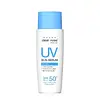
This hybrid sunscreen covers the full UV range and blocks ~98% of UVB at SPF 50.


What's inside
What's inside
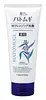 Key Ingredients
Benefits
Concerns
Ingredients Side-by-side
Dipotassium Glycyrrhizate
Humectant

Glycerin
Humectant


Myristic Acid
Cleansing



Stearic Acid
Cleansing
PEG-8
HumectantPotassium Hydroxide
BufferingLauric Acid
Cleansing
Palmitic Acid
Emollient
Glyceryl Stearate Se
Emulsifying
Polyquaternium-7
Glycol Distearate
Emollient
Cetearyl Alcohol
Emollient

Coix Lacryma-Jobi Ma-Yuen Seed Extract
Skin ConditioningButylene Glycol
Humectant
Aloe Barbadensis Leaf Extract
Emollient
Prunus Persica Leaf Extract
Emollient
Alcohol
Antimicrobial


Sodium Hyaluronate
Humectant

Hexadesyloxy Pg Hydroxyethyl Hexadecanamide
Arginine
Masking
Camellia Oleifera Seed Oil
Skin Conditioning
EDTA
ChelatingCitric Acid
Buffering

Methylparaben
Preservative


Parfum
Masking

Dipotassium Glycyrrhizate, Glycerin, Myristic Acid, Stearic Acid, PEG-8, Potassium Hydroxide, Lauric Acid, Palmitic Acid, Glyceryl Stearate Se, Polyquaternium-7, Glycol Distearate, Cetearyl Alcohol, Coix Lacryma-Jobi Ma-Yuen Seed Extract, Butylene Glycol, Aloe Barbadensis Leaf Extract, Prunus Persica Leaf Extract, Alcohol, Sodium Hyaluronate, Hexadesyloxy Pg Hydroxyethyl Hexadecanamide, Arginine, Camellia Oleifera Seed Oil, EDTA, Citric Acid, Methylparaben, Parfum
Water
Skin ConditioningCyclopentasiloxane
Emollient
Ethylhexyl Salicylate
UV Absorber
Octocrylene
UV Absorber
Butyl Methoxydibenzoylmethane
UV Absorber
Propylene Glycol
Humectant
Cetyl Alcohol
Emollient
C12-15 Alkyl Benzoate
AntimicrobialSilica
Abrasive


Titanium Dioxide
Cosmetic Colorant
Zinc Oxide
Cosmetic Colorant
Dicaprylyl Carbonate
EmollientVp/Hexadecene Copolymer
Glyceryl Stearate
Emollient
PEG-100 Stearate
Surfactant
Phenoxyethanol
Preservative
Ethylhexyl Triazone
UV Absorber
Polyacrylamide
Chlorphenesin
Antimicrobial
Niacinamide
Smoothing



C13-14 Isoparaffin
Emollient
Cetearyl Olivate
Cetearyl Alcohol
Emollient
Sorbitan Olivate
Emulsifying
Acacia Senegal Gum
MaskingPotassium Cetyl Phosphate
EmulsifyingTocopheryl Acetate
Antioxidant

Disodium EDTA
ChelatingXanthan Gum
EmulsifyingCoco-Glucoside
Cleansing
Ethylhexylglycerin
Skin ConditioningLaureth-7
EmulsifyingGlycerin
Humectant
Butylene Glycol
Humectant
Allantoin
Skin Conditioning
Bisabolol
Antioxidant
Aloe Barbadensis Leaf Juice
Skin Conditioning
Salix Nigra Bark Extract
Skin ProtectingHamamelis Virginiana Leaf Extract
Skin Conditioning
Camellia Sinensis Leaf Extract
Antimicrobial
Betaine
Humectant
Palmaria Palmata Extract
Skin Protecting
Tocopherol
Antioxidant
Centella Asiatica Extract
Cleansing
Methicone
Emollient
1,2-Hexanediol
Skin Conditioning
Terminalia Ferdinandiana Fruit Extract
Antioxidant
Vitis Vinifera Seed Extract
Antimicrobial
Sodium Benzoate
Masking
Potassium Sorbate
Preservative
Calendula Officinalis Flower Extract
Masking
Polyglutamic Acid
Skin Conditioning
Melaleuca Alternifolia Leaf Extract
Perfuming
Saccharide Isomerate
Humectant
Geranium Robertianum Extract
AstringentScutellaria Baicalensis Root Extract
Astringent
Houttuynia Cordata Extract
Skin Conditioning
Citrus Reticulata Peel Extract
Skin ConditioningCentaurea Cyanus Flower Extract
Astringent
Aspalathus Linearis Extract
Skin ConditioningEisenia Arborea Extract
Skin ConditioningPorphyra Yezoensis Extract
Skin ConditioningPhaseolus Radiatus Sprout Extract
HumectantMagnesium PCA
Humectant
Sodium Lactate
Buffering
Copper Tripeptide-1
Skin Conditioning
Serine
Masking
Sucrose
Humectant
Urea
Buffering
Glycine
Buffering
Calcium Chloride
AstringentPotassium Hydroxide
BufferingOrnithine
Skin ConditioningSea Salt
Abrasive
Alanine
Masking
Magnesium Chloride
Threonine
Histidine
Humectant
Aspartic Acid
Masking
Valine
MaskingProline
Skin Conditioning
Dipotassium Phosphate
BufferingLysine
Skin ConditioningLeucine
Skin ConditioningTyrosine
MaskingIsoleucine
Skin ConditioningMagnesium Citrate
Skin ConditioningGlucosamine Hcl
Glutamic Acid
Humectant
Phenylalanine
Masking
Arginine
Masking
1-Methylhydantoin-2-Imide
Skin ConditioningAsparagine
MaskingCitrulline
Skin ConditioningUric Acid
BufferingMethionine
Skin ConditioningTaurine
BufferingTryptophan
MaskingFormic Acid
Preservative
Ammonia
Buffering
Cysteine
Antioxidant
Glutamine
Skin ConditioningWater, Cyclopentasiloxane, Ethylhexyl Salicylate, Octocrylene, Butyl Methoxydibenzoylmethane, Propylene Glycol, Cetyl Alcohol, C12-15 Alkyl Benzoate, Silica, Titanium Dioxide, Zinc Oxide, Dicaprylyl Carbonate, Vp/Hexadecene Copolymer, Glyceryl Stearate, PEG-100 Stearate, Phenoxyethanol, Ethylhexyl Triazone, Polyacrylamide, Chlorphenesin, Niacinamide, C13-14 Isoparaffin, Cetearyl Olivate, Cetearyl Alcohol, Sorbitan Olivate, Acacia Senegal Gum, Potassium Cetyl Phosphate, Tocopheryl Acetate, Disodium EDTA, Xanthan Gum, Coco-Glucoside, Ethylhexylglycerin, Laureth-7, Glycerin, Butylene Glycol, Allantoin, Bisabolol, Aloe Barbadensis Leaf Juice, Salix Nigra Bark Extract, Hamamelis Virginiana Leaf Extract, Camellia Sinensis Leaf Extract, Betaine, Palmaria Palmata Extract, Tocopherol, Centella Asiatica Extract, Methicone, 1,2-Hexanediol, Terminalia Ferdinandiana Fruit Extract, Vitis Vinifera Seed Extract, Sodium Benzoate, Potassium Sorbate, Calendula Officinalis Flower Extract, Polyglutamic Acid, Melaleuca Alternifolia Leaf Extract, Saccharide Isomerate, Geranium Robertianum Extract, Scutellaria Baicalensis Root Extract, Houttuynia Cordata Extract, Citrus Reticulata Peel Extract, Centaurea Cyanus Flower Extract, Aspalathus Linearis Extract, Eisenia Arborea Extract, Porphyra Yezoensis Extract, Phaseolus Radiatus Sprout Extract, Magnesium PCA, Sodium Lactate, Copper Tripeptide-1, Serine, Sucrose, Urea, Glycine, Calcium Chloride, Potassium Hydroxide, Ornithine, Sea Salt, Alanine, Magnesium Chloride, Threonine, Histidine, Aspartic Acid, Valine, Proline, Dipotassium Phosphate, Lysine, Leucine, Tyrosine, Isoleucine, Magnesium Citrate, Glucosamine Hcl, Glutamic Acid, Phenylalanine, Arginine, 1-Methylhydantoin-2-Imide, Asparagine, Citrulline, Uric Acid, Methionine, Taurine, Tryptophan, Formic Acid, Ammonia, Cysteine, Glutamine
Reviews
Ingredients Explained
These ingredients are found in both products.
Ingredients higher up in an ingredient list are typically present in a larger amount.
Arginine is a semi-essential amino acid. This just means our bodies can product a bit on its own, but sometimes needs a little boost from food sources.
It is a part of your skin's natural moisturizing factor (NMF), or the water-loving molecules in your outermost layer of skin (stratum corneum) that keeps everything hydrated and happy.
Here's an interesting thing about Arginine: your skin converts it into urea through the Krebs-Henseleit urea cycle. Urea is one of the most effective humectants your skin naturally produces.
A clinical study showed applying 2.5% arginine hydrochloride to atopic dermatitis skin showed significant urea levels in the stratum corneum and improved moisture in just four weeks.
Arginine is also a precursor to nitric oxide; nitric oxide improves microcirculation and supports wound healing and collagen synthesis.
One study found that an amino acid complex containing Arginine reduced skin irritation, improved hydration, and accelerated skin repair in clinical / in-vivo studies.
Arginine itself is an amino acid and not a fatty acid, oil, or ester. On its own, it's not a direct food source for Malassezia, or the yeast that causes fungal acne.
Learn more about ArginineButylene Glycol (or BG) is used within cosmetic products for a few different reasons:
Overall, Butylene Glycol is a safe and well-rounded ingredient that works well with other ingredients.
Though this ingredient works well with most skin types, some people with sensitive skin may experience a reaction such as allergic rashes, closed comedones, or itchiness.
Learn more about Butylene GlycolCetearyl alcohol is a waxy mixture of two fatty alcohols: cetyl alcohol and stearyl alcohol. It is an emollient and emulsifier.
Despite having "alcohol" in its name, it has nothing to do with drying solvent alcohols; the FDA also allows "alcohol-free" products to contain fatty alcohols like this ingredient.
It plays several roles in a formula:
Typical use levels for this ingredient sit around 1-10% and the Cosmetic Ingredient Review Expert Panel has affirmed safety at concentrations up to 25% in leave-on products.
Multiple assessments have found it to be non-irritating and non-sensitizing to most people.
However, there have been some cases of allergic contact dermatitis in patients with chronically compromised skin barriers.
Cetearyl alcohol has a comedogenic rating of 2 and irritancy rating of 1. Both of these numbers come from the 1989 study that used rabbit ears; a "2" means mildly comedogenic and a "1" means low irritancy.
Here's the catch: rabbit skin is more sensitive than human skin and throws a lot of false positives. A 1996 reappraisal found that ingredients rated 1-2 in the rabbit ear tests are generally safe for humans.
Remember comedogenic ratings are unable to assess the entire formula of a product or how it will react on your skin. Just be sure to patch test if you are unsure about certain ingredients.
This ingredient is not fungal acne safe. Cetearyl alcohol is a fatty alcohol with chain lengths that fall within the range that Malassezia can metabolize.
A 2019 study has also observed Malassezia growth in the presence of this ingredient, confirming it to be not-fungal acne safe.
Learn more about Cetearyl AlcoholGlycerin (or glycerol) is a compound naturally found in your skin. It's a powerhouse humectant that pulls water into the stratum corneum.
Topically, glycerin does several things at once:
Your skin makes glycerin on its own (mostly from sebaceous oil breakdown) and shuttles it to your outermost layer of skin, or your epidermis, via aquaporin-3.
Aquaporin-3 is a transporter that is essential for normal skin hydration, elasticity, and repair. Interestingly, mice lacking in AQP3 have dry and less elastic skin that can be fully corrected with glycerin.
This ingredient is non-irritating, plays well with almost every ingredient, and works across all skin types. Typical use is anywhere between 3-10% but can go up to 79% in some leave-on products.
Just know very high concentrations (>40%) can feel tacky in low humidity.
Glycerin is the name for this ingredient in American English. British English uses Glycerol/Glycerine.
Learn more about GlycerinPotassium Hydroxide (also known as potash) is a strong alkaline ingredient that does one job: it nudges a product's pH up so the whole formula lands in a skin-friendly range.
It's also the base that turns oils into liquid soap during the soap making process.
An expert safety panel reviewed it and found it safe when formulations are made to be non-irritating.
As a pH adjuster, it's typically used well under 1% though regulatory caps go much higher: 5% in nail cuticle removers and 2-4.5% in hair straighteners.
Though there is some concern for irritation from raw or high pH material, a well-balanced formula will be a non-issue for the vast majority of people.
Learn more about Potassium Hydroxide

