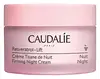
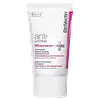
Caudalie Resveratrol Lift Retinol Alternative Firming Night Cream Versus StriVectin SD Advanced ™ PLUS Intensive Moisturizer For Wrinkles & Stretch Marks
This anti-aging night moisturizer is formulated around Palmitoyl Grapevine Shoot Extract and Adenosine to soften the look of wrinkles.
This anti-aging moisturizer is formulated around Palmitoyl Tripeptide-38 and Copper Tripeptide-1 to soften the look of wrinkles and refine skin texture.


What's inside
What's inside
 Key Ingredients
Benefits
Concerns
Ingredients Side-by-side
Water
Skin ConditioningButylene Glycol
Humectant

Glycerin
Humectant
Coco-Caprylate/Caprate
Emollient
Squalane
Emollient
Cetearyl Alcohol
Emollient





Caprylic/Capric Triglyceride
Masking
Hydrogenated Vegetable Oil
Emollient
Triheptanoin
Skin ConditioningVitis Vinifera Seed Oil
Emollient
Palmitoyl Grapevine Shoot Extract
Antioxidant


Citrus Aurantium Amara Flower Water
MaskingArachidyl Alcohol
Emollient
Carbomer
Emulsion StabilisingBehenyl Alcohol
Emollient
Potassium Sorbate
Preservative
Caprylyl Glycol
Emollient
Cetearyl Glucoside
Emulsifying
Arachidyl Glucoside
EmulsifyingHydrolyzed Hyaluronic Acid
Humectant
Tocopheryl Acetate
Antioxidant
Xanthan Gum
EmulsifyingSodium Hydroxide
BufferingAdenosine
Skin Conditioning
Tilia Platyphyllos Flower Extract
Skin ConditioningVerbena Officinalis Leaf Extract
MaskingAcetyl Dipeptide-1 Cetyl Ester
Skin Conditioning
Hyaluronic Acid
Humectant
Khaya Senegalensis Bark Extract
Skin ProtectingMaltodextrin
Absorbent
Citric Acid
Buffering
Paeonia Lactiflora Root Extract
Skin ConditioningSodium Benzoate
Masking
Parfum
Masking


Linalool
Perfuming
Limonene
Perfuming
Coumarin
Perfuming
Water, Butylene Glycol, Glycerin, Coco-Caprylate/Caprate, Squalane, Cetearyl Alcohol, Caprylic/Capric Triglyceride, Hydrogenated Vegetable Oil, Triheptanoin, Vitis Vinifera Seed Oil, Palmitoyl Grapevine Shoot Extract, Citrus Aurantium Amara Flower Water, Arachidyl Alcohol, Carbomer, Behenyl Alcohol, Potassium Sorbate, Caprylyl Glycol, Cetearyl Glucoside, Arachidyl Glucoside, Hydrolyzed Hyaluronic Acid, Tocopheryl Acetate, Xanthan Gum, Sodium Hydroxide, Adenosine, Tilia Platyphyllos Flower Extract, Verbena Officinalis Leaf Extract, Acetyl Dipeptide-1 Cetyl Ester, Hyaluronic Acid, Khaya Senegalensis Bark Extract, Maltodextrin, Citric Acid, Paeonia Lactiflora Root Extract, Sodium Benzoate, Parfum, Linalool, Limonene, Coumarin
Water
Skin ConditioningGlycerin
Humectant
Pentaerythrityl Tetraisostearate
Emollient
Trimethylolpropane Tricaprylate/Tricaprate
EmollientNeopentyl Glycol Diheptanoate
EmollientPropanediol
Solvent
Myristyl Nicotinate
Skin ConditioningCetearyl Alcohol
Emollient
Butylene Glycol
Humectant
Bis-Stearyl Dimethicone
Emollient
Glyceryl Stearate
Emollient
Theobroma Grandiflorum Seed Butter
Skin Conditioning
Dimethicone
Emollient
Sorbitan Stearate
Emulsifying
Stearoxymethicone/Dimethicone Copolymer
Emollient
1,2-Hexanediol
Skin Conditioning
Palmitoyl Tripeptide-38
Skin Conditioning
Oryza Sativa Bran Extract
Skin Conditioning
Palmitoyl Tetrapeptide-7
Skin Conditioning
Astrocaryum Murumuru Seed Butter
Emollient
Palmitoyl Tripeptide-1
Skin Conditioning
Copper Tripeptide-1
Skin Conditioning
Saccharide Isomerate
Humectant
Panthenol
Skin Conditioning
Hydroxyethyl Acrylate/Sodium Acryloyldimethyl Taurate Copolymer
Emulsion StabilisingPEG-40 Stearate
Emulsifying
Astrocaryum Vulgare Kernel Oil
Skin Conditioning
Polysilicone-11

Butyrospermum Parkii Butter
Skin Conditioning
Ceteareth-20
Cleansing
Bisabolol
Antioxidant
Caprylhydroxamic Acid
ChelatingNicotiana Benthamiana Hexapeptide-40 Sh-Oligopeptide-1
Skin Conditioning
Phaseolus Lunatus Seed Extract
EmollientAloe Barbadensis Leaf Juice
Skin Conditioning
Bacillus/Sea Salt Ferment Filtrate
Skin ConditioningZingiber Officinale Root Extract
Masking
Rosmarinus Officinalis Leaf Extract
AntimicrobialPolyglyceryl-4 Diisostearate/Polyhydroxystearate/Sebacate
Emulsifying
Pentaclethra Macroloba Seed Oil/Behenic Acid/Aminopropanediol Amides/Esters
Emollient
Helianthus Annuus Extract
Emollient
Hydrolyzed Hyaluronic Acid
Humectant
Evodia Rutaecarpa Fruit Extract
Skin ConditioningSodium Hyaluronate Crosspolymer
Humectant
Nymphaea Alba Flower Extract
Skin ConditioningMethylglucoside Phosphate
Skin ConditioningCetyl Hydroxyethylcellulose
Emulsion StabilisingAdenosine
Skin Conditioning
Isohexadecane
EmollientSorbitan Isostearate
Emulsifying
Hydroxypropyl Cyclodextrin
MaskingCopper Lysinate/Prolinate
Skin ConditioningAminomethyl Propanol
BufferingDicaprylyl Ether
Emollient
Dipotassium Phosphate
BufferingEthylhexyl Stearate
Emollient
Sodium Isostearate
CleansingPolysorbate 60
Emulsifying
Resveratrol
Antioxidant
Xanthan Gum
EmulsifyingDisodium EDTA
ChelatingParfum
Masking
Lactic Acid
Buffering
Mica
Cosmetic ColorantRutin
Antioxidant
Tocopherol
Antioxidant
Sodium Citrate
BufferingCitric Acid
Buffering
CI 77891
Cosmetic ColorantCI 77491
Cosmetic ColorantWater, Glycerin, Pentaerythrityl Tetraisostearate, Trimethylolpropane Tricaprylate/Tricaprate, Neopentyl Glycol Diheptanoate, Propanediol, Myristyl Nicotinate, Cetearyl Alcohol, Butylene Glycol, Bis-Stearyl Dimethicone, Glyceryl Stearate, Theobroma Grandiflorum Seed Butter, Dimethicone, Sorbitan Stearate, Stearoxymethicone/Dimethicone Copolymer, 1,2-Hexanediol, Palmitoyl Tripeptide-38, Oryza Sativa Bran Extract, Palmitoyl Tetrapeptide-7, Astrocaryum Murumuru Seed Butter, Palmitoyl Tripeptide-1, Copper Tripeptide-1, Saccharide Isomerate, Panthenol, Hydroxyethyl Acrylate/Sodium Acryloyldimethyl Taurate Copolymer, PEG-40 Stearate, Astrocaryum Vulgare Kernel Oil, Polysilicone-11, Butyrospermum Parkii Butter, Ceteareth-20, Bisabolol, Caprylhydroxamic Acid, Nicotiana Benthamiana Hexapeptide-40 Sh-Oligopeptide-1, Phaseolus Lunatus Seed Extract, Aloe Barbadensis Leaf Juice, Bacillus/Sea Salt Ferment Filtrate, Zingiber Officinale Root Extract, Rosmarinus Officinalis Leaf Extract, Polyglyceryl-4 Diisostearate/Polyhydroxystearate/Sebacate, Pentaclethra Macroloba Seed Oil/Behenic Acid/Aminopropanediol Amides/Esters, Helianthus Annuus Extract, Hydrolyzed Hyaluronic Acid, Evodia Rutaecarpa Fruit Extract, Sodium Hyaluronate Crosspolymer, Nymphaea Alba Flower Extract, Methylglucoside Phosphate, Cetyl Hydroxyethylcellulose, Adenosine, Isohexadecane, Sorbitan Isostearate, Hydroxypropyl Cyclodextrin, Copper Lysinate/Prolinate, Aminomethyl Propanol, Dicaprylyl Ether, Dipotassium Phosphate, Ethylhexyl Stearate, Sodium Isostearate, Polysorbate 60, Resveratrol, Xanthan Gum, Disodium EDTA, Parfum, Lactic Acid, Mica, Rutin, Tocopherol, Sodium Citrate, Citric Acid, CI 77891, CI 77491
Reviews
Ingredients Explained
These ingredients are found in both products.
Ingredients higher up in an ingredient list are typically present in a larger amount.
Adenosine is a purine nucleoside that your body already makes in every cell. In skincare, it acts mainly as a skin conditioning and anti-aging agent.
The way it works is fairly well mapped out:
Your skin has cells called fibroblasts that build collagen (the stuff that keeps skin firm and smooth). Adenosine basically flips a switch on these cells that tells them to get to work making more collagen and other proteins. These cells slow down on their own as skin ages, so Adenosine helps give them a little nudge to keep going.
The clinical backing is pretty solid too.
A blind, randomized, placebo-controlled trial of 126 women aged 45-65 tested a 0.1% cream twice daily and found real improvements in crow's feet and frown lines using a precise 3D skin-mapping technique; these changes showed up by week 3 and held at 2 months.
A later study using Adenosine-loaded dissolving microneedle patches reported gains in wrinkle depth, dermal density, elasticity, and hydration.
On concentrations, South Korea's Ministry of Food and Drug Safety has set 0.04% as the approved functional anti-wrinkle level. You'll typically see this ingredient used somewhere in the 0.04-0.1% range since it works at low doses.
This ingredient has been found safe for cosmetics with the data showing no irritation or sensitization.
Overall, this is a great ingredient for any anti-aging routine and has no photosensitizing effect, so it suits both AM and PM use.
Learn more about AdenosineButylene Glycol (or BG) is used within cosmetic products for a few different reasons:
Overall, Butylene Glycol is a safe and well-rounded ingredient that works well with other ingredients.
Though this ingredient works well with most skin types, some people with sensitive skin may experience a reaction such as allergic rashes, closed comedones, or itchiness.
Learn more about Butylene GlycolCetearyl alcohol is a waxy mixture of two fatty alcohols: cetyl alcohol and stearyl alcohol. It is an emollient and emulsifier.
Despite having "alcohol" in its name, it has nothing to do with drying solvent alcohols; the FDA also allows "alcohol-free" products to contain fatty alcohols like this ingredient.
It plays several roles in a formula:
Typical use levels for this ingredient sit around 1-10% and the Cosmetic Ingredient Review Expert Panel has affirmed safety at concentrations up to 25% in leave-on products.
Multiple assessments have found it to be non-irritating and non-sensitizing to most people.
However, there have been some cases of allergic contact dermatitis in patients with chronically compromised skin barriers.
Cetearyl alcohol has a comedogenic rating of 2 and irritancy rating of 1. Both of these numbers come from the 1989 study that used rabbit ears; a "2" means mildly comedogenic and a "1" means low irritancy.
Here's the catch: rabbit skin is more sensitive than human skin and throws a lot of false positives. A 1996 reappraisal found that ingredients rated 1-2 in the rabbit ear tests are generally safe for humans.
Remember comedogenic ratings are unable to assess the entire formula of a product or how it will react on your skin. Just be sure to patch test if you are unsure about certain ingredients.
This ingredient is not fungal acne safe. Cetearyl alcohol is a fatty alcohol with chain lengths that fall within the range that Malassezia can metabolize.
A 2019 study has also observed Malassezia growth in the presence of this ingredient, confirming it to be not-fungal acne safe.
Learn more about Cetearyl AlcoholCitric Acid is an alpha hydroxy acid (AHA) naturally found in citrus fruits like oranges, lemons, and limes.
Like other AHAs, citric acid can exfoliate skin by breaking down the bonds that hold dead skin cells together. This helps reveal smoother and brighter skin underneath.
However, this exfoliating effect only happens at high concentrations (20%) which can be hard to find in cosmetic products.
Due to this, citric acid is usually included in small amounts as a pH adjuster. This helps keep products slightly more acidic and compatible with skin's natural pH.
In skincare formulas, citric acid can:
While it can provide some skin benefits, research shows lactic acid and glycolic acid are generally more effective and less irritating exfoliants.
Most citric acid used in skincare today is made by fermenting sugars (usually from molasses). This synthetic version is identical to the natural citrus form but easier to stabilize and use in formulations.
Rosacea skin has a lower threshold for acids generally, with 62.5% of rosacea subjects in one study reacting to lactic acid in a sting test. This is why we mark citric acid as a potential rosacea trigger.
However, this ingredient shows up as a pH adjuster or chelator at roughly 0.1-1% in many products. These low levels are unlikely to be an issue for rosacea skin and becomes a potential trigger at exfoliating concentrations (20%). Because everybody's skin is unique, we recommend a patch test if you are unsure.
Learn more about Citric AcidGlycerin (or glycerol) is a compound naturally found in your skin. It's a powerhouse humectant that pulls water into the stratum corneum.
Topically, glycerin does several things at once:
Your skin makes glycerin on its own (mostly from sebaceous oil breakdown) and shuttles it to your outermost layer of skin, or your epidermis, via aquaporin-3.
Aquaporin-3 is a transporter that is essential for normal skin hydration, elasticity, and repair. Interestingly, mice lacking in AQP3 have dry and less elastic skin that can be fully corrected with glycerin.
This ingredient is non-irritating, plays well with almost every ingredient, and works across all skin types. Typical use is anywhere between 3-10% but can go up to 79% in some leave-on products.
Just know very high concentrations (>40%) can feel tacky in low humidity.
Glycerin is the name for this ingredient in American English. British English uses Glycerol/Glycerine.
Learn more about GlycerinHydrolyzed Hyaluronic Acid is hyaluronic acid (HA) that is broken down into lower molecular weight fragments.
It's a humectant that pulls and holds water in the skin to help with hydration, plumpness, and reduce transepidermal water loss.
Because hydrolyzed hyaluronic acid is smaller in size, it can slip past your outermost layer of skin more easily than full-sized HA.
Most formulations will combine all sizes to get the best of both worlds.
Typical usage levels range from 0.01-1%. Any percentage higher than 2% might become goopy and tacky.
Learn more about Hydrolyzed Hyaluronic AcidParfum is a catch-all term for an ingredient or more that is used to give a scent to products.
Also called "fragrance", this ingredient can be a blend of hundreds of chemicals or plant oils. This means every product with "fragrance" or "parfum" in the ingredients list is a different mixture.
For instance, Habanolide is a proprietary trade name for a specific aroma chemical. When used as a fragrance ingredient in cosmetics, most aroma chemicals fall under the broad labeling category of “FRAGRANCE” or “PARFUM” according to EU and US regulations.
The term 'parfum' or 'fragrance' is not regulated in many countries. In many cases, it is up to the brand to define this term.
For instance, many brands choose to label themselves as "fragrance-free" because they are not using synthetic fragrances. However, their products may still contain ingredients such as essential oils that are considered a fragrance by INCI standards.
One example is Calendula flower extract. Calendula is an essential oil that still imparts a scent or 'fragrance'.
Depending on the blend, the ingredients in the mixture can cause allergies and sensitivities on the skin. Some ingredients that are known EU allergens include linalool and citronellol.
Parfum can also be used to mask or cover an unpleasant scent.
The bottom line is: not all fragrances/parfum/ingredients are created equally. If you are worried about fragrances, we recommend taking a closer look at an ingredient. And of course, we always recommend speaking with a professional.
Learn more about ParfumWater. It's the most common cosmetic ingredient of all. You'll usually see it at the top of ingredient lists, meaning that it makes up the largest part of the product.
So why is it so popular? Water most often acts as a solvent - this means that it helps dissolve other ingredients into the formulation.
You'll also recognize water as that liquid we all need to stay alive. If you see this, drink a glass of water. Remember to stay hydrated!
Learn more about WaterXanthan gum is used as a stabilizer and thickener within cosmetic products. It helps give products a sticky, thick feeling - preventing them from being too runny.
On the technical side of things, xanthan gum is a polysaccharide - a combination consisting of multiple sugar molecules bonded together.
Xanthan gum is a pretty common and great ingredient. It is a natural, non-toxic, non-irritating ingredient that is also commonly used in food products.
Learn more about Xanthan Gum

