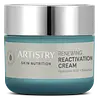
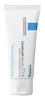
Artistry Beauty Skin Nutrition Renewing Reactivation Cream Versus La Roche-Posay Cicaplast Baume B5+
This anti-aging moisturizer is formulated around Squalane and Panthenol to soften the look of wrinkles and hydrate skin.
This barrier-repair moisturizer is formulated around Panthenol and Centella Asiatica Leaf Extract to strengthen the skin barrier and calm redness.


What's inside
What's inside
 Key Ingredients
Benefits
Concerns
Ingredients Side-by-side
Water
Skin ConditioningGlycerin
Humectant


Isostearyl Palmitate
Emollient

Propanediol
Solvent
Triethylhexanoin
MaskingGlyceryl Stearate
Emollient
PEG-100 Stearate
Surfactant
Squalane
Emollient
Limnanthes Alba Seed Oil
Skin Conditioning
Petrolatum
Emollient

Butylene Glycol
Humectant
Caprylic/Capric Triglyceride
Masking
Salvia Hispanica Seed Oil
Emollient
Butyrospermum Parkii Butter
Skin Conditioning

Panthenol
Skin Conditioning

Punica Granatum Sterols
Skin Conditioning
Sorbitan Stearate
Emulsifying
Hdi/Trimethylol Hexyllactone Crosspolymer
Cetyl Alcohol
Emollient
Phenoxyethanol
Preservative
Dimethicone
Emollient
Spinacia Oleracea Leaf Extract
Skin ConditioningArginine
Masking
Chlorphenesin
Antimicrobial
Behenyl Alcohol
Emollient
Carbomer
Emulsion StabilisingPentylene Glycol
Skin Conditioning
Allantoin
Skin Conditioning
Disodium EDTA
ChelatingIsononyl Isononanoate
EmollientOsmanthus Fragrans Flower Extract
MaskingOphiopogon Japonicus Root Extract
Skin ConditioningAcetyl Glucosamine
Skin Conditioning

Tocopheryl Acetate
Antioxidant

Lecithin
Emollient
Parfum
Masking

Chlorella Vulgaris Extract
Skin ConditioningDipotassium Glycyrrhizate
Humectant
Salvia Hispanica Seed Extract
Emollient
Silica
Abrasive


Sodium Hyaluronate
Humectant
Yeast Extract
Skin ConditioningPunica Granatum Fruit Extract
Antioxidant
Sodium Benzoate
Masking
Beta-Glucan
Skin Conditioning
Zinc PCA
Humectant

Potassium Sorbate
Preservative
Xanthan Gum
Emulsifying1,2-Hexanediol
Skin Conditioning
Caprylyl Glycol
Emollient
Curcuma Longa Root Extract
Antioxidant
Gluconolactone
Chelating

Ethylhexylglycerin
Skin ConditioningCeramide NP
Skin Conditioning
Beta-Sitosterol
Emulsion Stabilising
Oenothera Biennis Seed Extract
Skin ConditioningPerilla Ocymoides Seed Oil
Skin Conditioning
Oenothera Biennis Oil
Emollient
Tocopherol
Antioxidant
Carrageenan
Glucose
Humectant
Glycine Soja Oil
Emollient
Rosmarinus Officinalis Leaf Extract
AntimicrobialExtracts
CI 60730
Cosmetic ColorantCI 42090
Cosmetic ColorantHelianthus Annuus Seed Oil
Emollient
BHT
Antioxidant
Dipeptide-4
Skin Conditioning
Water, Glycerin, Isostearyl Palmitate, Propanediol, Triethylhexanoin, Glyceryl Stearate, PEG-100 Stearate, Squalane, Limnanthes Alba Seed Oil, Petrolatum, Butylene Glycol, Caprylic/Capric Triglyceride, Salvia Hispanica Seed Oil, Butyrospermum Parkii Butter, Panthenol, Punica Granatum Sterols, Sorbitan Stearate, Hdi/Trimethylol Hexyllactone Crosspolymer, Cetyl Alcohol, Phenoxyethanol, Dimethicone, Spinacia Oleracea Leaf Extract, Arginine, Chlorphenesin, Behenyl Alcohol, Carbomer, Pentylene Glycol, Allantoin, Disodium EDTA, Isononyl Isononanoate, Osmanthus Fragrans Flower Extract, Ophiopogon Japonicus Root Extract, Acetyl Glucosamine, Tocopheryl Acetate, Lecithin, Parfum, Chlorella Vulgaris Extract, Dipotassium Glycyrrhizate, Salvia Hispanica Seed Extract, Silica, Sodium Hyaluronate, Yeast Extract, Punica Granatum Fruit Extract, Sodium Benzoate, Beta-Glucan, Zinc PCA, Potassium Sorbate, Xanthan Gum, 1,2-Hexanediol, Caprylyl Glycol, Curcuma Longa Root Extract, Gluconolactone, Ethylhexylglycerin, Ceramide NP, Beta-Sitosterol, Oenothera Biennis Seed Extract, Perilla Ocymoides Seed Oil, Oenothera Biennis Oil, Tocopherol, Carrageenan, Glucose, Glycine Soja Oil, Rosmarinus Officinalis Leaf Extract, Extracts, CI 60730, CI 42090, Helianthus Annuus Seed Oil, BHT, Dipeptide-4
Water
Skin ConditioningHydrogenated Polyisobutene
EmollientDimethicone
Emollient
Glycerin
Humectant
Butyrospermum Parkii Butter
Skin Conditioning
Panthenol
Skin Conditioning
Zea Mays Starch
Absorbent
Propanediol
Solvent
Butylene Glycol
Humectant
Cetyl PEG/PPG-10/1 Dimethicone
Emulsifying
Trihydroxystearin
Skin Conditioning
Centella Asiatica Leaf Extract
Skin Conditioning
Polymnia Sonchifolia Root Juice
Skin ConditioningZinc Gluconate
Skin Conditioning
Madecassoside
Antioxidant
Manganese Gluconate
Skin ConditioningAlpha-Glucan Oligosaccharide
Cleansing
Silica
Abrasive
Aluminum Hydroxide
EmollientMagnesium Sulfate
Mannose
HumectantCapryloyl Glycine
CleansingCaprylyl Glycol
Emollient
Vitreoscilla Ferment
Skin Conditioning
Citric Acid
Buffering
Trisodium Ethylenediamine Disuccinate
ChelatingLactobacillus
Skin ConditioningAcetylated Glycol Stearate
Emollient
Maltodextrin
Absorbent
Polyglyceryl-4 Isostearate
Emulsifying
Tocopherol
Antioxidant
Pentaerythrityl Tetra-Di-T-Butyl Hydroxyhydrocinnamate
Antioxidant
Titanium Dioxide
Cosmetic Colorant

Water, Hydrogenated Polyisobutene, Dimethicone, Glycerin, Butyrospermum Parkii Butter, Panthenol, Zea Mays Starch, Propanediol, Butylene Glycol, Cetyl PEG/PPG-10/1 Dimethicone, Trihydroxystearin, Centella Asiatica Leaf Extract, Polymnia Sonchifolia Root Juice, Zinc Gluconate, Madecassoside, Manganese Gluconate, Alpha-Glucan Oligosaccharide, Silica, Aluminum Hydroxide, Magnesium Sulfate, Mannose, Capryloyl Glycine, Caprylyl Glycol, Vitreoscilla Ferment, Citric Acid, Trisodium Ethylenediamine Disuccinate, Lactobacillus, Acetylated Glycol Stearate, Maltodextrin, Polyglyceryl-4 Isostearate, Tocopherol, Pentaerythrityl Tetra-Di-T-Butyl Hydroxyhydrocinnamate, Titanium Dioxide
Reviews
Ingredients Explained
These ingredients are found in both products.
Ingredients higher up in an ingredient list are typically present in a larger amount.
Butylene Glycol (or BG) is used within cosmetic products for a few different reasons:
Overall, Butylene Glycol is a safe and well-rounded ingredient that works well with other ingredients.
Though this ingredient works well with most skin types, some people with sensitive skin may experience a reaction such as allergic rashes, closed comedones, or itchiness.
Learn more about Butylene GlycolThis ingredient is also known as shea butter. It is a plant-derived extract from the nuts of the Africa shea tree and one of the most well-studied emollients.
Because it has a high concentration of fatty acids (primarily oleic, stearic, and linoleic) it is able to form a protective barrier on the skin's surface. This helps seal in moisture and prevents transepidermal water loss (TEWL).
In vitro research found an increase in skin hydration by 58% and a decrease in TEWL by 37.8% after 24 hours of applying this ingredient (pretty impressive for a single ingredient!).
Besides hydration, shea butter also contains triterpenes that have anti-inflammatory potential. In particule, lupeol cinnamate has shown the highest anti-inflammatory activity in vivo.
Shea butter also contains vitamins A and E which may contribute to antioxidant activity.
While Shea Butter has an SPF rating of about 3-4, it is not a sunscreen replacement.
This ingredient may not be fungal acne safe because its fatty acids fall within the C11-C24 range that the Malassezia yeast can metabolize.
This ingredient shows up on a lot of "pore-clogging" lists but there's no real evidence behind that. It doesn't even have a comedogenic rating from an actual study; the numbers you'll find online come from blogs citing other blogs.
Ratings for other ingredients mostly come from a 1980s rabbit ear test. This test doesn't translate well to human skin or to real products because the ingredient sits at a much lower percentage.
Some people still find it breaks them out. So if that's you, definitely trust your skin. Just know this one's based on experience and not evidence.
Learn more about Butyrospermum Parkii ButterCaprylyl Glycol is a humectant, skin conditioner, emollient, and preservative booster derived from either caprylic acid or synthetically created.
Typical use levels vary from 0.3-1% as a preservative booster and go up to 2% to condition skin.
Because it is not a free-fatty acid, this ingredient is fungal acne safe (there's nothing for Malassezia to feed on).
Learn more about Caprylyl GlycolDimethicone is a type of synthetic silicone created from natural materials such as quartz. It is also known as polydimethylsiloxane.
What it does:
Dimethicone comes in different viscosities:
Depending on the viscosity, dimethicone has different properties.
Ingredients lists don't always show which type is used, so we recommend reaching out to the brand if you have questions about the viscosity.
This ingredient is unlikely to cause irritation because it does not get absorbed into skin. However, people with silicone allergies should be careful about using this ingredient.
Note: Dimethicone may contribute to pilling. This is because it is not oil or water soluble, so pilling may occur when layered with products. When mixed with heavy oils in a formula, the outcome is also quite greasy.
Learn more about DimethiconeGlycerin (or glycerol) is a compound naturally found in your skin. It's a powerhouse humectant that pulls water into the stratum corneum.
Topically, glycerin does several things at once:
Your skin makes glycerin on its own (mostly from sebaceous oil breakdown) and shuttles it to your outermost layer of skin, or your epidermis, via aquaporin-3.
Aquaporin-3 is a transporter that is essential for normal skin hydration, elasticity, and repair. Interestingly, mice lacking in AQP3 have dry and less elastic skin that can be fully corrected with glycerin.
This ingredient is non-irritating, plays well with almost every ingredient, and works across all skin types. Typical use is anywhere between 3-10% but can go up to 79% in some leave-on products.
Just know very high concentrations (>40%) can feel tacky in low humidity.
Glycerin is the name for this ingredient in American English. British English uses Glycerol/Glycerine.
Learn more about GlycerinPanthenol is a common ingredient that helps hydrate and soothe the skin. It is found naturally in our skin and hair.
There are two forms of panthenol: D and L.
D-panthenol is also known as dexpanthenol. Most cosmetics use dexpanthenol or a mixture of D and L-panthenol.
Panthenol is famous due to its ability to go deeper into the skin's layers. Using this ingredient has numerous pros (and no cons):
Like hyaluronic acid, panthenol is a humectant. Humectants are able to bind and hold large amounts of water to keep skin hydrated.
This ingredient works well for wound healing. It works by increasing tissue in the wound and helps close open wounds.
Once oxidized, panthenol converts to pantothenic acid. Panthothenic acid is found in all living cells.
This ingredient is also referred to as pro-vitamin B5.
Learn more about PanthenolPropanediol is an all-star ingredient. It softens, hydrates, and smooths the skin.
It’s often used to:
Propanediol is not likely to cause sensitivity and considered safe to use. It is derived from corn or petroleum with a clear color and no scent.
Learn more about PropanediolSilica, also known as silicon dioxide, is a naturally occurring mineral. It is used as a fine, spherical, and porous powder in cosmetics.
Though it has exfoliant properties, the function of silica varies depending on the product.
The unique structure of silica enhances the spreadability and adds smoothness, making it a great texture enhancer.
It is also used as an active carrier, emulsifier, and mattifier due to its ability to absorb excess oil.
In some products, tiny microneedles called spicules are made from silica or hydrolyzed sponge. When you rub them in, they lightly polish away dead skin layers and enhance the penetration of active ingredients.
Learn more about SilicaTocopherol is a fat-soluble antioxidant known as Vitamin E.
You'll find this ingredient in the vast majority of skincare (for good reason). It works to neutralize free radicals, or unstable molecules generated by UV exposure, pollution, and other environmental stressors, before they can cause oxidative damage to your skin cells.
Topically applied tocopherol has been shown to protect against UV damage by ramping up the skin's own natural defense enzymes.
It also acts as a skin conditioning agent; some studies show that regular topical use can improve the skin's water-binding capacity over 2-4 weeks.
This ingredient is especially loved for being a team player. When combined with Vitamin C, the photoprotective effect of both ingredients roughly doubles and the combo also helps reduce UV-induced DNA damage.
This ingredient has some brightening potential but it's more of a prevention ingredient than spot-fader. Cell studies show it can slow down melanin production but it's worth noting that it's not the most powerful brightener out there.
In formulations, it also serves as a stabilizer that helps protect other oxidation-prone ingredients from degrading.
Concentrations usually range from 0.1-1% in most leave-on products.
Learn more about TocopherolWater. It's the most common cosmetic ingredient of all. You'll usually see it at the top of ingredient lists, meaning that it makes up the largest part of the product.
So why is it so popular? Water most often acts as a solvent - this means that it helps dissolve other ingredients into the formulation.
You'll also recognize water as that liquid we all need to stay alive. If you see this, drink a glass of water. Remember to stay hydrated!
Learn more about Water

