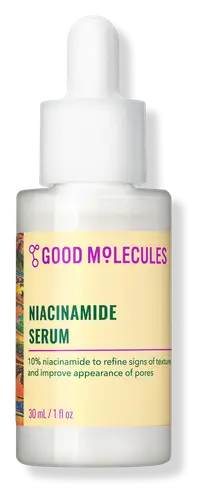
What's inside
What's inside
 Key Ingredients
Benefits
Concerns
Ingredients Side-by-side
Water
Skin ConditioningDimethyl Isosorbide
SolventPropanediol
Solvent

Tetrahexyldecyl Ascorbate
Antioxidant






Ethylhexyl Olivate
Skin Conditioning
Capryloyl Glycerin/Sebacic Acid Copolymer
Skin ConditioningDiheptyl Succinate
EmollientArachidyl Alcohol
Emollient
Butyrospermum Parkii Butter
Skin Conditioning

Hydrolyzed Rhodophyceae Extract
Phloretin
Antioxidant
Ferulic Acid
Antimicrobial
Pullulan
Sea Water
HumectantSqualane
Emollient
Sodium Hyaluronate
Humectant
Tocopherol
Antioxidant

Helianthus Annuus Extract
Emollient
Aloe Barbadensis Leaf Juice
Skin Conditioning
Oryza Sativa Bran Extract
Skin Conditioning
Rosmarinus Officinalis Leaf Extract
AntimicrobialBehenyl Alcohol
Emollient
Citric Acid
Buffering

Arachidyl Glucoside
EmulsifyingXanthan Gum
EmulsifyingSodium Citrate
BufferingPotassium Sorbate
Preservative
Sodium Stearoyl Glutamate
CleansingPanthenol
Skin Conditioning
Dipotassium Glycyrrhizate
Humectant
Ethylhexylglycerin
Skin ConditioningTetrasodium Glutamate Diacetate
Hydroxyethyl Acrylate/Sodium Acryloyldimethyl Taurate Copolymer
Emulsion StabilisingT-Butyl Alcohol
Perfuming


Sorbitan Isostearate
Emulsifying
Glucose
Humectant
Polyacrylate Crosspolymer-6
Emulsion StabilisingPhenoxyethanol
Preservative
Iron Oxides
Water, Dimethyl Isosorbide, Propanediol, Tetrahexyldecyl Ascorbate, Ethylhexyl Olivate, Capryloyl Glycerin/Sebacic Acid Copolymer, Diheptyl Succinate, Arachidyl Alcohol, Butyrospermum Parkii Butter, Hydrolyzed Rhodophyceae Extract, Phloretin, Ferulic Acid, Pullulan, Sea Water, Squalane, Sodium Hyaluronate, Tocopherol, Helianthus Annuus Extract, Aloe Barbadensis Leaf Juice, Oryza Sativa Bran Extract, Rosmarinus Officinalis Leaf Extract, Behenyl Alcohol, Citric Acid, Arachidyl Glucoside, Xanthan Gum, Sodium Citrate, Potassium Sorbate, Sodium Stearoyl Glutamate, Panthenol, Dipotassium Glycyrrhizate, Ethylhexylglycerin, Tetrasodium Glutamate Diacetate, Hydroxyethyl Acrylate/Sodium Acryloyldimethyl Taurate Copolymer, T-Butyl Alcohol, Sorbitan Isostearate, Glucose, Polyacrylate Crosspolymer-6, Phenoxyethanol, Iron Oxides
Water
Skin ConditioningButylene Glycol
Humectant
Propanediol
Solvent
Ethylhexyl Olivate
Skin Conditioning
Cetearyl Alcohol
Emollient
Chlorogenic Acids
Antioxidant
Niacinamide
Smoothing


Lauryl Lactate
EmollientDimethyl Isosorbide
SolventPyrroloquinoline Quinone Allyl Ester
Antioxidant
Hydrolyzed Sodium Hyaluronate
Skin Conditioning
Glycyrrhiza Glabra Root Extract
Bleaching
Tetrahexyldecyl Ascorbate
Antioxidant
Ergothioneine
Antioxidant
Benzylidene Dimethoxydimethylindanone
Skin ProtectingArabidopsis Thaliana Extract
Antioxidant
Carnosine
Skin Conditioning
Camellia Sinensis Leaf Extract
Antimicrobial
Vitis Vinifera Seed Extract
Antimicrobial
Theobroma Cacao Seed Extract
Antioxidant
Curcuma Longa Root Extract
Masking
Olea Europaea Fruit Extract
BleachingEuterpe Oleracea Fruit Extract
Trifluoroacetyl Tripeptide-2
Skin Conditioning
Buddleja Officinalis Flower Extract
UV FilterCoffea Arabica Leaf Cell Extract
Antioxidant
Crocus Sativus Leaf Cell Culture Extract
Skin ProtectingSuperoxide Dismutase
Antioxidant
Ubiquinone
Antioxidant
Plankton Extract
Skin ConditioningMicrococcus Lysate
Skin ConditioningArginine
Masking
Zingiber Officinale Root Extract
Masking
Ceramide NP
Skin Conditioning
Ceramide AP
Skin Conditioning
Ceramide EOP
Skin Conditioning
Linoleic Acid
Cleansing
Linolenic Acid
Cleansing
Sea Whip Extract
Skin ConditioningBisabolol
Antioxidant
Tocopherol
Antioxidant
Tocopheryl Acetate
Antioxidant
Cholesterol
Emollient
Phytosphingosine
Skin Conditioning
Jojoba Esters
Emollient
Sodium PCA
Humectant
Pentylene Glycol
Skin Conditioning
Methyl Gluceth-20
Humectant
Glycerin
Humectant
Helianthus Annuus Seed Wax
Skin Conditioning
Acacia Decurrens Flower Wax
Emollient
Lecithin
Emollient
Sodium Lauroyl Lactylate
EmulsifyingDicetyl Phosphate
EmulsifyingPropanediol Dicaprylate/Caprate
EmollientPolyglycerin-3
Humectant
Ceteth-20 Phosphate
CleansingDiisostearyl Malate
EmollientXanthan Gum
EmulsifyingSteareth-2
EmulsifyingAcacia Senegal Gum
MaskingPentaerythrityl Tetra-Di-T-Butyl Hydroxyhydrocinnamate
Antioxidant
Carbomer
Emulsion StabilisingAcrylates/C10-30 Alkyl Acrylate Crosspolymer
Emulsion StabilisingDextran
Ricinoleth-40
CleansingSodium Hydroxide
BufferingCitric Acid
Buffering
Sodium Phytate
Ethylhexylglycerin
Skin ConditioningPhenoxyethanol
Preservative
Water, Butylene Glycol, Propanediol, Ethylhexyl Olivate, Cetearyl Alcohol, Chlorogenic Acids, Niacinamide, Lauryl Lactate, Dimethyl Isosorbide, Pyrroloquinoline Quinone Allyl Ester, Hydrolyzed Sodium Hyaluronate, Glycyrrhiza Glabra Root Extract, Tetrahexyldecyl Ascorbate, Ergothioneine, Benzylidene Dimethoxydimethylindanone, Arabidopsis Thaliana Extract, Carnosine, Camellia Sinensis Leaf Extract, Vitis Vinifera Seed Extract, Theobroma Cacao Seed Extract, Curcuma Longa Root Extract, Olea Europaea Fruit Extract, Euterpe Oleracea Fruit Extract, Trifluoroacetyl Tripeptide-2, Buddleja Officinalis Flower Extract, Coffea Arabica Leaf Cell Extract, Crocus Sativus Leaf Cell Culture Extract, Superoxide Dismutase, Ubiquinone, Plankton Extract, Micrococcus Lysate, Arginine, Zingiber Officinale Root Extract, Ceramide NP, Ceramide AP, Ceramide EOP, Linoleic Acid, Linolenic Acid, Sea Whip Extract, Bisabolol, Tocopherol, Tocopheryl Acetate, Cholesterol, Phytosphingosine, Jojoba Esters, Sodium PCA, Pentylene Glycol, Methyl Gluceth-20, Glycerin, Helianthus Annuus Seed Wax, Acacia Decurrens Flower Wax, Lecithin, Sodium Lauroyl Lactylate, Dicetyl Phosphate, Propanediol Dicaprylate/Caprate, Polyglycerin-3, Ceteth-20 Phosphate, Diisostearyl Malate, Xanthan Gum, Steareth-2, Acacia Senegal Gum, Pentaerythrityl Tetra-Di-T-Butyl Hydroxyhydrocinnamate, Carbomer, Acrylates/C10-30 Alkyl Acrylate Crosspolymer, Dextran, Ricinoleth-40, Sodium Hydroxide, Citric Acid, Sodium Phytate, Ethylhexylglycerin, Phenoxyethanol
Reviews
Ingredients Explained
These ingredients are found in both products.
Ingredients higher up in an ingredient list are typically present in a larger amount.
Citric Acid is an alpha hydroxy acid (AHA) naturally found in citrus fruits like oranges, lemons, and limes.
Like other AHAs, citric acid can exfoliate skin by breaking down the bonds that hold dead skin cells together. This helps reveal smoother and brighter skin underneath.
However, this exfoliating effect only happens at high concentrations (20%) which can be hard to find in cosmetic products.
Due to this, citric acid is usually included in small amounts as a pH adjuster. This helps keep products slightly more acidic and compatible with skin's natural pH.
In skincare formulas, citric acid can:
While it can provide some skin benefits, research shows lactic acid and glycolic acid are generally more effective and less irritating exfoliants.
Most citric acid used in skincare today is made by fermenting sugars (usually from molasses). This synthetic version is identical to the natural citrus form but easier to stabilize and use in formulations.
Read more about some other popular AHA's here:
Learn more about Citric AcidDimethyl Isosorbide is a low-irritation solvent that helps deliver actives into your skin. It is created from glucose.
Research shows how well this ingredient works depends on the active and formulation rather than the concentration alone. This means adding more Dimethyl Isosorbide does not guarantee better penetration of ingredients into the skin.
Ethylhexyl Olivate isn't fungal acne safe.
Ethylhexylglycerin is created from glycerin. It is a multitasker ingredient that:
The CIR Expert Panel found minimal skin absorption or sensitization of any kind in a safety assessment. Though this ingredient is considered well-tolerated, a small number of cases of allergic dermatitis have been published since 2002. Just be sure to patch test if you are unsure.
Industry-reported use ranges from 8% in rinse-off products and 2% in leave-on formulations.
Learn more about EthylhexylglycerinPhenoxyethanol is a preservative that has germicide, antimicrobial, and aromatic properties. Studies show that phenoxyethanol can prevent microbial growth. By itself, it has a scent that is similar to that of a rose.
It's often used in formulations along with Caprylyl Glycol to preserve the shelf life of products.
Propanediol is an all-star ingredient. It softens, hydrates, and smooths the skin.
It’s often used to:
Propanediol is not likely to cause sensitivity and considered safe to use. It is derived from corn or petroleum with a clear color and no scent.
Learn more about PropanediolTetrahexyldecyl Ascorbate (THD) is a stable and oil-soluble form of Vitamin C.
THD is special in that it has the ability to travel deeper into skin than traditional ascorbic acid while maintaining the same skin benefits (double win!).
Because it’s oil-soluble, THD dives deep into your skin’s fatty layers (think ceramides and cholesterol) to fight off the kind of free radicals that mess with your skin barrier. This makes it a great pair with water-based vitamin C (ascorbic acid) that mainly works on the surface.
Even at just 0.1%, THD is already showing great antioxidant activity. When used up to 2%, it helps keep your skin happy and calm, especially when it’s stressed from pollution or sun.
Want to fade dark spots or tackle hyperpigmentation? You’ll want 5% or more. Pairing it with brightening buddies like niacinamide or licorice root gives even better results. One study even used 30% THD with other brighteners and saw real results on stubborn discoloration, even in melasma-prone skin.
A note on THD: It’s has a slightly silky, oily texture and usually shows up colorless or pale yellow (though the exact shade can vary by supplier).
While you can sneak it into water-based formulas, it really shines when paired with silicones or oils, which help your skin soak it up better.
THD is pretty stable, but it’s still vulnerable to degradation like ascorbic acid. Too much light or heat (above 113°F / 45°C) can break it down over time. Go for dark and opaque packaging that keeps it safe and shady!
Read more about other types of Vitamin C:
Learn more about Tetrahexyldecyl AscorbateTocopherol is a fat-soluble antioxidant known as Vitamin E.
You'll find this ingredient in the vast majority of skincare (for good reason). It works to neutralize free radicals, or unstable molecules generated by UV exposure, pollution, and other environmental stressors, before they can cause oxidative damage to your skin cells.
Topically applied tocopherol has been shown to protect against UV damage by ramping up the skin's own natural defense enzymes.
It also acts as a skin conditioning agent; some studies show that regular topical use can improve the skin's water-binding capacity over 2-4 weeks.
This ingredient is especially loved for being a team player. When combined with Vitamin C, the photoprotective effect of both ingredients roughly doubles and the combo also helps reduce UV-induced DNA damage.
This ingredient has some brightening potential but it's more of a prevention ingredient than spot-fader. Cell studies show it can slow down melanin production but it's worth noting that it's not the most powerful brightener out there.
In formulations, it also serves as a stabilizer that helps protect other oxidation-prone ingredients from degrading.
Concentrations usually range from 0.1-1% in most leave-on products.
Learn more about TocopherolWater. It's the most common cosmetic ingredient of all. You'll usually see it at the top of ingredient lists, meaning that it makes up the largest part of the product.
So why is it so popular? Water most often acts as a solvent - this means that it helps dissolve other ingredients into the formulation.
You'll also recognize water as that liquid we all need to stay alive. If you see this, drink a glass of water. Remember to stay hydrated!
Learn more about WaterXanthan gum is used as a stabilizer and thickener within cosmetic products. It helps give products a sticky, thick feeling - preventing them from being too runny.
On the technical side of things, xanthan gum is a polysaccharide - a combination consisting of multiple sugar molecules bonded together.
Xanthan gum is a pretty common and great ingredient. It is a natural, non-toxic, non-irritating ingredient that is also commonly used in food products.
Learn more about Xanthan Gum