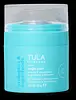
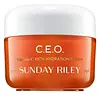
Tula Skincare Bright Start Vitamin C Antioxidant Brightening Moisturizer Versus Sunday Riley C.E.O Vitamin C Rich Hydration Cream
This brightening moisturizer is formulated around 3-O-Ethyl Ascorbic Acid and Tetrahexyldecyl Ascorbate to brighten dull-looking skin and fade the look of dark spots.
This brightening moisturizer is formulated around Squalane and Tetrahexyldecyl Ascorbate to brighten dull-looking skin and hydrate skin.

What's inside
What's inside
 Key Ingredients
Benefits
Concerns
Ingredients Side-by-side
Water
Skin ConditioningOctyldodecyl Neopentanoate
Emollient3-O-Ethyl Ascorbic Acid
Skin Conditioning





Tetrahexyldecyl Ascorbate
Antioxidant
Glyceryl Stearate
Emollient

Cetyl Alcohol
Emollient

Lactococcus Ferment Lysate
Skin Conditioning
Tranexamic Acid
Astringent


Ferulic Acid
Antimicrobial
Lactobacillus Ferment
Skin Conditioning
Inulin
Skin Conditioning
Citrus Junos Seed Extract
Antioxidant
Citrus Unshiu Peel Extract
MaskingAcetyl Tetrapeptide-2
Skin Conditioning
Sodium Hyaluronate
Humectant
Beta Vulgaris Root Extract
Skin ConditioningLactobacillus
Skin ConditioningLactic Acid
Buffering



Curcuma Longa Root Extract
Antioxidant
Alpha-Glucan Oligosaccharide
Cleansing
Helianthus Annuus Seed Oil
Emollient
Hedychium Coronarium Root Extract
MaskingCitrus Aurantium Dulcis Peel Oil
Masking
Citrus Reticulata Peel Oil
Masking
Daucus Carota Sativa Seed Oil
Emollient

Dicaprylyl Carbonate
EmollientPolymnia Sonchifolia Root Juice
Skin ConditioningMaltodextrin
Absorbent
Vanilla Planifolia Fruit Extract
Skin Conditioning
Caesalpinia Spinosa Fruit Extract
Skin ProtectingMelia Azadirachta Leaf Extract
Skin ConditioningMelia Azadirachta Flower Extract
Skin ConditioningKappaphycus Alvarezii Extract
Skin Conditioning
Corallina Officinalis Extract
Skin Conditioning
Ocimum Basilicum Flower/Leaf Extract
TonicEugenia Caryophyllus Flower Extract
AstringentOcimum Sanctum Leaf Extract
Skin ConditioningDaucus Carota Sativa Root Extract
Skin Conditioning
Biotin
AntiseborrhoeicStearyl Alcohol
Emollient
Propanediol
Solvent
Hydroxyacetophenone
Antioxidant
Glycerin
Humectant
Carbomer
Emulsion StabilisingTriethyl Citrate
Masking
Cetearyl Olivate
Sorbitan Olivate
Emulsifying
Potassium Stearate
CleansingTrisodium Ethylenediamine Disuccinate
ChelatingOctyldodecanol
Emollient
Sodium Chloride
MaskingBeta-Carotene
Skin ConditioningTocopherol
Antioxidant
Ascorbyl Palmitate
Antioxidant
Sodium Citrate
BufferingSodium Hydroxide
BufferingButylene Glycol
Humectant
Citric Acid
Buffering
1,2-Hexanediol
Skin Conditioning
Phenoxyethanol
Preservative
Sodium Benzoate
Masking
Potassium Sorbate
Preservative
Limonene
Perfuming
Water, Octyldodecyl Neopentanoate, 3-O-Ethyl Ascorbic Acid, Tetrahexyldecyl Ascorbate, Glyceryl Stearate, Cetyl Alcohol, Lactococcus Ferment Lysate, Tranexamic Acid, Ferulic Acid, Lactobacillus Ferment, Inulin, Citrus Junos Seed Extract, Citrus Unshiu Peel Extract, Acetyl Tetrapeptide-2, Sodium Hyaluronate, Beta Vulgaris Root Extract, Lactobacillus, Lactic Acid, Curcuma Longa Root Extract, Alpha-Glucan Oligosaccharide, Helianthus Annuus Seed Oil, Hedychium Coronarium Root Extract, Citrus Aurantium Dulcis Peel Oil, Citrus Reticulata Peel Oil, Daucus Carota Sativa Seed Oil, Dicaprylyl Carbonate, Polymnia Sonchifolia Root Juice, Maltodextrin, Vanilla Planifolia Fruit Extract, Caesalpinia Spinosa Fruit Extract, Melia Azadirachta Leaf Extract, Melia Azadirachta Flower Extract, Kappaphycus Alvarezii Extract, Corallina Officinalis Extract, Ocimum Basilicum Flower/Leaf Extract, Eugenia Caryophyllus Flower Extract, Ocimum Sanctum Leaf Extract, Daucus Carota Sativa Root Extract, Biotin, Stearyl Alcohol, Propanediol, Hydroxyacetophenone, Glycerin, Carbomer, Triethyl Citrate, Cetearyl Olivate, Sorbitan Olivate, Potassium Stearate, Trisodium Ethylenediamine Disuccinate, Octyldodecanol, Sodium Chloride, Beta-Carotene, Tocopherol, Ascorbyl Palmitate, Sodium Citrate, Sodium Hydroxide, Butylene Glycol, Citric Acid, 1,2-Hexanediol, Phenoxyethanol, Sodium Benzoate, Potassium Sorbate, Limonene
Water
Skin ConditioningSqualane
Emollient
Dicaprylyl Carbonate
EmollientTetrahexyldecyl Ascorbate
Antioxidant
C10-18 Triglycerides
Emollient
PEG-8 Beeswax
Emulsifying
Polyglyceryl-6 Distearate
Emulsifying
Tapioca Starch
Hydrogenated Vegetable Oil
Emollient
Prunus Amygdalus Dulcis Oil
Skin Conditioning
Citric Acid
Buffering
PPG-12/Smdi Copolymer
EmollientGlycerin
Humectant
Citrus Tangerina Peel Oil
Masking
Sodium Acrylates Copolymer
Bisabolol
Antioxidant
Jojoba Esters
Emollient
Tocopherol
Antioxidant
Caprylic/Capric Triglyceride
Masking
Limonene
Perfuming
Phenoxyethanol
Preservative
Lecithin
Emollient
Nylon-12

Rosa Centifolia Flower Wax
Skin ConditioningRosa Damascena Flower Wax
MaskingSodium Phytate
ChelatingCetyl Alcohol
Emollient
Polyglyceryl-3 Beeswax
Emulsifying
Butylene Glycol
Humectant
Caprylyl Glycol
Emollient
Alcohol Denat.
Antimicrobial

Chlorphenesin
Antimicrobial
Citrus Australasica Fruit Extract
Antioxidant
Polymethylsilsesquioxane

Terminalia Ferdinandiana Fruit Extract
Antioxidant
Butyrospermum Parkii Butter Extract
Skin Conditioning
Camellia Sinensis Leaf Extract
Antimicrobial
Citrus Junos Fruit Extract
Skin ConditioningCurcuma Longa Root Extract
Antioxidant
Euterpe Oleracea Fruit Extract
Lippia Citriodora Flower Extract
Perfuming
Oenothera Biennis Seed Extract
Skin ConditioningRosa Canina Fruit Extract
Astringent
Alteromonas Ferment Extract
Skin Conditioning
Benzyl Alcohol
Perfuming
Sodium Hyaluronate
Humectant
Linalool
Perfuming
Dehydroacetic Acid
Preservative
Water, Squalane, Dicaprylyl Carbonate, Tetrahexyldecyl Ascorbate, C10-18 Triglycerides, PEG-8 Beeswax, Polyglyceryl-6 Distearate, Tapioca Starch, Hydrogenated Vegetable Oil, Prunus Amygdalus Dulcis Oil, Citric Acid, PPG-12/Smdi Copolymer, Glycerin, Citrus Tangerina Peel Oil, Sodium Acrylates Copolymer, Bisabolol, Jojoba Esters, Tocopherol, Caprylic/Capric Triglyceride, Limonene, Phenoxyethanol, Lecithin, Nylon-12, Rosa Centifolia Flower Wax, Rosa Damascena Flower Wax, Sodium Phytate, Cetyl Alcohol, Polyglyceryl-3 Beeswax, Butylene Glycol, Caprylyl Glycol, Alcohol Denat., Chlorphenesin, Citrus Australasica Fruit Extract, Polymethylsilsesquioxane, Terminalia Ferdinandiana Fruit Extract, Butyrospermum Parkii Butter Extract, Camellia Sinensis Leaf Extract, Citrus Junos Fruit Extract, Curcuma Longa Root Extract, Euterpe Oleracea Fruit Extract, Lippia Citriodora Flower Extract, Oenothera Biennis Seed Extract, Rosa Canina Fruit Extract, Alteromonas Ferment Extract, Benzyl Alcohol, Sodium Hyaluronate, Linalool, Dehydroacetic Acid
Reviews
Ingredients Explained
These ingredients are found in both products.
Ingredients higher up in an ingredient list are typically present in a larger amount.
Butylene Glycol (or BG) is used within cosmetic products for a few different reasons:
Overall, Butylene Glycol is a safe and well-rounded ingredient that works well with other ingredients.
Though this ingredient works well with most skin types, some people with sensitive skin may experience a reaction such as allergic rashes, closed comedones, or itchiness.
Learn more about Butylene GlycolCetyl Alcohol is a fatty alcohol. Fatty Alcohols are most often used as an emollient or to thicken a product.
Its main roles are:
Though it has "alcohol" in the name, it is not related to denatured alcohol or ethyl alcohol.
The FDA allows products labeled "alcohol-free" to have fatty alcohols.
This ingredient may not be fungal acne safe. It is a primary fatty alcohol with a chain length above 12 carbons. A study from 2019 show Malassezia can feed on fatty alcohols in this range, so it may trigger fungal acne in those prone to it.
Learn more about Cetyl AlcoholCitric Acid is an alpha hydroxy acid (AHA) naturally found in citrus fruits like oranges, lemons, and limes.
Like other AHAs, citric acid can exfoliate skin by breaking down the bonds that hold dead skin cells together. This helps reveal smoother and brighter skin underneath.
However, this exfoliating effect only happens at high concentrations (20%) which can be hard to find in cosmetic products.
Due to this, citric acid is usually included in small amounts as a pH adjuster. This helps keep products slightly more acidic and compatible with skin's natural pH.
In skincare formulas, citric acid can:
While it can provide some skin benefits, research shows lactic acid and glycolic acid are generally more effective and less irritating exfoliants.
Most citric acid used in skincare today is made by fermenting sugars (usually from molasses). This synthetic version is identical to the natural citrus form but easier to stabilize and use in formulations.
Rosacea skin has a lower threshold for acids generally, with 62.5% of rosacea subjects in one study reacting to lactic acid in a sting test. This is why we mark citric acid as a potential rosacea trigger.
However, this ingredient shows up as a pH adjuster or chelator at roughly 0.1-1% in many products. These low levels are unlikely to be an issue for rosacea skin and becomes a potential trigger at exfoliating concentrations (20%). Because everybody's skin is unique, we recommend a patch test if you are unsure.
Learn more about Citric AcidCurcuma Longa Root Extract comes from the rhizome (underground stem) of the turmeric plant.
While the official EU Cosing Database lists this ingredient as a fragrance, it actually does more than give products a scent.
This ingredient contains a group of yellow pigments called curcuminoids (mostly curcumin) that give it genuine antioxidant and anti-inflammatory activity in skin.
Reviews of topical clinical studies have found turmeric/curcumin to be generally well-tolerated and useful across conditions like eczema and mild inflammation.
One thing working in its favor is that curcumin barely penetrates; in lab skin-permeation testing, the curcuminoids mostly stayed in the outermost layer of skin. This is a good thing because its soothing and antioxidant activity is a surface-level job anyway.
At this time, industry data shows there's no single "correct" cosmetic percentage. It's used across a wide range depending on the product and varies from tiny fractions of a percent up to a few percent.
Allergy-wise, curcumin is a documented (but uncommon) contact allergen. It can also cross react with related plants, so anyone with a turmeric/ginger/cinnamon allergy or reactive skin should patch test first.
Learn more about Curcuma Longa Root ExtractDicaprylyl Carbonate comes from carbonic acid and caprylyl alcohol, a fatty alcohol. It is an emollient and gives skin a velvet feel. The sources of Dicaprylyl Carbonate may be synthetic or from animals.
As an emollient, Dicaprylyl Carbonate creates a film on the skin. This film traps moisture in, keeping your skin soft and hydrated.
Glycerin (or glycerol) is a compound naturally found in your skin. It's a powerhouse humectant that pulls water into the stratum corneum.
Topically, glycerin does several things at once:
Your skin makes glycerin on its own (mostly from sebaceous oil breakdown) and shuttles it to your outermost layer of skin, or your epidermis, via aquaporin-3.
Aquaporin-3 is a transporter that is essential for normal skin hydration, elasticity, and repair. Interestingly, mice lacking in AQP3 have dry and less elastic skin that can be fully corrected with glycerin.
This ingredient is non-irritating, plays well with almost every ingredient, and works across all skin types. Typical use is anywhere between 3-10% but can go up to 79% in some leave-on products.
Just know very high concentrations (>40%) can feel tacky in low humidity.
Glycerin is the name for this ingredient in American English. British English uses Glycerol/Glycerine.
Learn more about GlycerinLimonene is the compound that gives citrus peel its smell.
In skincare, it shows up as a standalone fragrance ingredient or as a natural compound of citrus and other essential oils.
You'll typically see this ingredient used in very small amounts; anything above 0.001% in a leave-on product or 0.01% in a rinse-off has to be named on the label in the EU. The citrus oils that carry it sit around 0.5-1% in a finished formula.
Fresh limonene is a weak allergen; the real issue is that it slowly reacts with air and then breaks down from oxidation to create hydroperoxides (which are strong sensitizers). This is why suppliers are required to keep the peroxide value below 20 mmol.
Positive reactions in people being investigated for eczema vary:
It's worth skipping if you have a known fragrance allergy or a compromised barrier, but the risk is low for most people.
Older or long-opened products are also more likely to bother you than fresh ones due to oxidation.
Learn more about LimonenePhenoxyethanol is one of the most widely used preservatives in skincare (and for good reason!).
It has a large spectrum of antimicrobial activity and especially effective bacteria, yeast, and mold while only having a weak effect on your skin's natural microbiome.
On a cellular level, it disrupts the cell membranes of microbes by poking holes that make the cell leak. This shuts down the chemical reactions the microbe needs to make energy so it can no longer survive.
Another perk of this ingredient is that it stays functional across a wide pH range (3-10).
You'll often see it paired with boosters like Ethylhexylglycerin; one study showed that a 1:9 ratio of Ethylhexylglycerin to Phenoxyethanol damages bacterial membranes as effectively as doubling the Phenoxyethanol concentration on its own.
Typical use concentrations range from 0.3-1% depending on the formula, and this ingredient is capped at 1% int the EU.
Safety-wise, the fear mongering does not hold up to the evidence. The EU's Scientific Committee on Consumer Safety and FDA consider it safe as a preservative at up to 1%, including for children of all ages.
Adverse systemic effects only showed up in animal studies at exposures roughly 200x higher than what people get from cosmetics. And despite its very widespread use, this ingredient is a rare sensitizer and allergic reactions are uncommon.
Learn more about PhenoxyethanolSodium Hyaluronate is the salt form of hyaluronic acid. It is a long sugar chain that is naturally found in your skin, joints, and connective tissue that maintains hydration and elasticity.
In skincare, it works as a humectant. It pulls water from the environment and deeper layers of skin and binds it to the surface.
Interestingly, the size of the molecule affects its behavior:
Some clinical evidence links low molecular weight versions to improved wrinkle depth, elasticity, anti-inflammatory effects, and barrier repair.
Many serums use a blend of both weights so you can get surface hydration plus longer-lasting and deeper effects.
You'll typically see concentrations between 0.1-2% for this ingredient.
Learn more about Sodium HyaluronateTetrahexyldecyl Ascorbate (THD) is a stable and oil-soluble form of Vitamin C.
THD is special in that it has the ability to travel deeper into skin than traditional ascorbic acid while maintaining the same skin benefits (double win!).
Because it’s oil-soluble, THD dives deep into your skin’s fatty layers (think ceramides and cholesterol) to fight off the kind of free radicals that mess with your skin barrier. This makes it a great pair with water-based vitamin C (ascorbic acid) that mainly works on the surface.
Even at just 0.1%, THD is already showing great antioxidant activity. When used up to 2%, it helps keep your skin happy and calm, especially when it’s stressed from pollution or sun.
Want to fade dark spots or tackle hyperpigmentation? You’ll want 5% or more. Pairing it with brightening buddies like niacinamide or licorice root gives even better results. One study even used 30% THD with other brighteners and saw real results on stubborn discoloration, even in melasma-prone skin.
A note on THD: It’s has a slightly silky, oily texture and usually shows up colorless or pale yellow (though the exact shade can vary by supplier).
While you can sneak it into water-based formulas, it really shines when paired with silicones or oils, which help your skin soak it up better.
THD is pretty stable, but it’s still vulnerable to degradation like ascorbic acid. Too much light or heat (above 113°F / 45°C) can break it down over time. Go for dark and opaque packaging that keeps it safe and shady!
Read more about other types of Vitamin C:
Learn more about Tetrahexyldecyl AscorbateTocopherol is a fat-soluble antioxidant known as Vitamin E.
You'll find this ingredient in the vast majority of skincare (for good reason). It works to neutralize free radicals, or unstable molecules generated by UV exposure, pollution, and other environmental stressors, before they can cause oxidative damage to your skin cells.
Topically applied tocopherol has been shown to protect against UV damage by ramping up the skin's own natural defense enzymes.
It also acts as a skin conditioning agent; some studies show that regular topical use can improve the skin's water-binding capacity over 2-4 weeks.
This ingredient is especially loved for being a team player. When combined with Vitamin C, the photoprotective effect of both ingredients roughly doubles and the combo also helps reduce UV-induced DNA damage.
This ingredient has some brightening potential but it's more of a prevention ingredient than spot-fader. Cell studies show it can slow down melanin production but it's worth noting that it's not the most powerful brightener out there.
In formulations, it also serves as a stabilizer that helps protect other oxidation-prone ingredients from degrading.
Concentrations usually range from 0.1-1% in most leave-on products.
Learn more about TocopherolWater. It's the most common cosmetic ingredient of all. You'll usually see it at the top of ingredient lists, meaning that it makes up the largest part of the product.
So why is it so popular? Water most often acts as a solvent - this means that it helps dissolve other ingredients into the formulation.
You'll also recognize water as that liquid we all need to stay alive. If you see this, drink a glass of water. Remember to stay hydrated!
Learn more about Water

