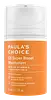
This brightening moisturizer is formulated around 3-O-Ethyl Ascorbic Acid and Ascorbyl Glucoside to brighten dull-looking skin.
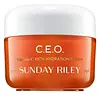
This brightening moisturizer is formulated around Squalane and Tetrahexyldecyl Ascorbate to brighten dull-looking skin and hydrate skin.

What's inside
What's inside
 Key Ingredients
Benefits
Concerns
Ingredients Side-by-side
Water
Skin ConditioningDicaprylyl Carbonate
Emollient3-O-Ethyl Ascorbic Acid
Skin Conditioning





Dimethicone
Emollient
Butylene Glycol
Humectant

Polyglyceryl-6 Distearate
Emulsifying

Ascorbyl Glucoside
Antioxidant

Squalane
Emollient
Hydroxyethyl Acrylate/Sodium Acryloyldimethyl Taurate Copolymer
Emulsion StabilisingAcetyl Sh-Hexapeptide-5 Amide Acetate
Skin Conditioning
Citrullus Lanatus Seed Oil
Emollient

Hydrogenated Lecithin
Emulsifying
Theobroma Cacao Seed Butter
Emollient


Hydrogenated Phosphatidylcholine
Emulsifying
Pentaerythrityl Tetra-Di-T-Butyl Hydroxyhydrocinnamate
Antioxidant
Sodium Hyaluronate
Humectant
Oryza Sativa Bran Extract
Skin Conditioning
Propanediol
Solvent
Jojoba Esters
Emollient
Tocopherol
Antioxidant

Acetyl Zingerone
Antioxidant
Cetyl Palmitate
Emollient
Caprylyl Glycol
Emollient
Cetyl Alcohol
Emollient
Polyglyceryl-3 Beeswax
Emulsifying
Sodium Hydroxide
BufferingSorbitan Olivate
Emulsifying
Sorbitan Palmitate
Emulsifying
Helianthus Annuus Extract
Emollient
Ethylhexylglycerin
Skin ConditioningHexylene Glycol
EmulsifyingSodium Phytate
ChelatingPolysorbate 60
Emulsifying
Sorbitan Isostearate
Emulsifying
Lecithin
Emollient
Rosmarinus Officinalis Leaf Extract
AntimicrobialGlycine Soja Oil
Emollient
Lysolecithin
EmulsifyingBacillus Ferment
Skin Conditioning
Citric Acid
Buffering
Polyglutamic Acid
Skin Conditioning
Beta-Sitosterol
Emulsion Stabilising
Phytic Acid
Chelating
Squalene
Emollient
Phenoxyethanol
Preservative
Sodium Benzoate
Masking
Potassium Sorbate
Preservative
Water, Dicaprylyl Carbonate, 3-O-Ethyl Ascorbic Acid, Dimethicone, Butylene Glycol, Polyglyceryl-6 Distearate, Ascorbyl Glucoside, Squalane, Hydroxyethyl Acrylate/Sodium Acryloyldimethyl Taurate Copolymer, Acetyl Sh-Hexapeptide-5 Amide Acetate, Citrullus Lanatus Seed Oil, Hydrogenated Lecithin, Theobroma Cacao Seed Butter, Hydrogenated Phosphatidylcholine, Pentaerythrityl Tetra-Di-T-Butyl Hydroxyhydrocinnamate, Sodium Hyaluronate, Oryza Sativa Bran Extract, Propanediol, Jojoba Esters, Tocopherol, Acetyl Zingerone, Cetyl Palmitate, Caprylyl Glycol, Cetyl Alcohol, Polyglyceryl-3 Beeswax, Sodium Hydroxide, Sorbitan Olivate, Sorbitan Palmitate, Helianthus Annuus Extract, Ethylhexylglycerin, Hexylene Glycol, Sodium Phytate, Polysorbate 60, Sorbitan Isostearate, Lecithin, Rosmarinus Officinalis Leaf Extract, Glycine Soja Oil, Lysolecithin, Bacillus Ferment, Citric Acid, Polyglutamic Acid, Beta-Sitosterol, Phytic Acid, Squalene, Phenoxyethanol, Sodium Benzoate, Potassium Sorbate
Water
Skin ConditioningSqualane
Emollient
Dicaprylyl Carbonate
EmollientTetrahexyldecyl Ascorbate
Antioxidant
C10-18 Triglycerides
Emollient
PEG-8 Beeswax
Emulsifying
Polyglyceryl-6 Distearate
Emulsifying
Tapioca Starch
Hydrogenated Vegetable Oil
Emollient
Prunus Amygdalus Dulcis Oil
Skin Conditioning
Citric Acid
Buffering
PPG-12/Smdi Copolymer
EmollientGlycerin
Humectant
Citrus Tangerina Peel Oil
Masking
Sodium Acrylates Copolymer
Bisabolol
Antioxidant
Jojoba Esters
Emollient
Tocopherol
Antioxidant
Caprylic/Capric Triglyceride
Masking
Limonene
Perfuming

Phenoxyethanol
Preservative
Lecithin
Emollient
Nylon-12


Rosa Centifolia Flower Wax
Skin ConditioningRosa Damascena Flower Wax
MaskingSodium Phytate
ChelatingCetyl Alcohol
Emollient
Polyglyceryl-3 Beeswax
Emulsifying
Butylene Glycol
Humectant
Caprylyl Glycol
Emollient
Alcohol Denat.
Antimicrobial

Chlorphenesin
Antimicrobial
Citrus Australasica Fruit Extract
Antioxidant
Polymethylsilsesquioxane
Terminalia Ferdinandiana Fruit Extract
Antioxidant
Butyrospermum Parkii Butter Extract
Skin Conditioning
Camellia Sinensis Leaf Extract
Antimicrobial
Citrus Junos Fruit Extract
Skin ConditioningCurcuma Longa Root Extract
Antioxidant
Euterpe Oleracea Fruit Extract
Lippia Citriodora Flower Extract
Perfuming
Oenothera Biennis Seed Extract
Skin ConditioningRosa Canina Fruit Extract
Astringent
Alteromonas Ferment Extract
Skin Conditioning
Benzyl Alcohol
Perfuming
Sodium Hyaluronate
Humectant
Linalool
Perfuming
Dehydroacetic Acid
Preservative
Water, Squalane, Dicaprylyl Carbonate, Tetrahexyldecyl Ascorbate, C10-18 Triglycerides, PEG-8 Beeswax, Polyglyceryl-6 Distearate, Tapioca Starch, Hydrogenated Vegetable Oil, Prunus Amygdalus Dulcis Oil, Citric Acid, PPG-12/Smdi Copolymer, Glycerin, Citrus Tangerina Peel Oil, Sodium Acrylates Copolymer, Bisabolol, Jojoba Esters, Tocopherol, Caprylic/Capric Triglyceride, Limonene, Phenoxyethanol, Lecithin, Nylon-12, Rosa Centifolia Flower Wax, Rosa Damascena Flower Wax, Sodium Phytate, Cetyl Alcohol, Polyglyceryl-3 Beeswax, Butylene Glycol, Caprylyl Glycol, Alcohol Denat., Chlorphenesin, Citrus Australasica Fruit Extract, Polymethylsilsesquioxane, Terminalia Ferdinandiana Fruit Extract, Butyrospermum Parkii Butter Extract, Camellia Sinensis Leaf Extract, Citrus Junos Fruit Extract, Curcuma Longa Root Extract, Euterpe Oleracea Fruit Extract, Lippia Citriodora Flower Extract, Oenothera Biennis Seed Extract, Rosa Canina Fruit Extract, Alteromonas Ferment Extract, Benzyl Alcohol, Sodium Hyaluronate, Linalool, Dehydroacetic Acid
Reviews
Ingredients Explained
These ingredients are found in both products.
Ingredients higher up in an ingredient list are typically present in a larger amount.
Butylene Glycol (or BG) is used within cosmetic products for a few different reasons:
Overall, Butylene Glycol is a safe and well-rounded ingredient that works well with other ingredients.
Though this ingredient works well with most skin types, some people with sensitive skin may experience a reaction such as allergic rashes, closed comedones, or itchiness.
Learn more about Butylene GlycolCaprylyl Glycol is a humectant, skin conditioner, emollient, and preservative booster derived from either caprylic acid or synthetically created.
Typical use levels vary from 0.3-1% as a preservative booster and go up to 2% to condition skin.
Because it is not a free-fatty acid, this ingredient is fungal acne safe (there's nothing for Malassezia to feed on).
Learn more about Caprylyl GlycolCetyl Alcohol is a fatty alcohol. Fatty Alcohols are most often used as an emollient or to thicken a product.
Its main roles are:
Though it has "alcohol" in the name, it is not related to denatured alcohol or ethyl alcohol.
The FDA allows products labeled "alcohol-free" to have fatty alcohols.
This ingredient may not be fungal acne safe. It is a primary fatty alcohol with a chain length above 12 carbons. A study from 2019 show Malassezia can feed on fatty alcohols in this range, so it may trigger fungal acne in those prone to it.
Learn more about Cetyl AlcoholCitric Acid is an alpha hydroxy acid (AHA) naturally found in citrus fruits like oranges, lemons, and limes.
Like other AHAs, citric acid can exfoliate skin by breaking down the bonds that hold dead skin cells together. This helps reveal smoother and brighter skin underneath.
However, this exfoliating effect only happens at high concentrations (20%) which can be hard to find in cosmetic products.
Due to this, citric acid is usually included in small amounts as a pH adjuster. This helps keep products slightly more acidic and compatible with skin's natural pH.
In skincare formulas, citric acid can:
While it can provide some skin benefits, research shows lactic acid and glycolic acid are generally more effective and less irritating exfoliants.
Most citric acid used in skincare today is made by fermenting sugars (usually from molasses). This synthetic version is identical to the natural citrus form but easier to stabilize and use in formulations.
Rosacea skin has a lower threshold for acids generally, with 62.5% of rosacea subjects in one study reacting to lactic acid in a sting test. This is why we mark citric acid as a potential rosacea trigger.
However, this ingredient shows up as a pH adjuster or chelator at roughly 0.1-1% in many products. These low levels are unlikely to be an issue for rosacea skin and becomes a potential trigger at exfoliating concentrations (20%). Because everybody's skin is unique, we recommend a patch test if you are unsure.
Learn more about Citric AcidDicaprylyl Carbonate comes from carbonic acid and caprylyl alcohol, a fatty alcohol. It is an emollient and gives skin a velvet feel. The sources of Dicaprylyl Carbonate may be synthetic or from animals.
As an emollient, Dicaprylyl Carbonate creates a film on the skin. This film traps moisture in, keeping your skin soft and hydrated.
Jojoba Esters is a wax created from Jojoba oil. It is an emollient and film-forming ingredient. In bead form, it is an exfoliator.
This ingredient has high oxidative stability, meaning it doesn't break down when exposed to oxygen.
Its similarity to our skin's natural oils makes it a great emollient. Emollients help soften and soothe our skin by creating a barrier on top. This barrier helps trap moisture in, keeping skin hydrated.
It is created using either the hydrogenation or transesterification processes on jojoba oil.
Learn more about Jojoba EstersLecithin is a term for a group of substances found in the cell membranes of plants, animals, and humans. They are made up of phospholipids.
Thanks to its amphiphilic structure (water-loving head and oil-loving tail), it is a true multitasker:
It plays well with most ingredients and is typically used at 0.1-1%. However, concentrations up to 50% have been reported in moisturizers.
Learn more about LecithinPhenoxyethanol is one of the most widely used preservatives in skincare (and for good reason!).
It has a large spectrum of antimicrobial activity and especially effective bacteria, yeast, and mold while only having a weak effect on your skin's natural microbiome.
On a cellular level, it disrupts the cell membranes of microbes by poking holes that make the cell leak. This shuts down the chemical reactions the microbe needs to make energy so it can no longer survive.
Another perk of this ingredient is that it stays functional across a wide pH range (3-10).
You'll often see it paired with boosters like Ethylhexylglycerin; one study showed that a 1:9 ratio of Ethylhexylglycerin to Phenoxyethanol damages bacterial membranes as effectively as doubling the Phenoxyethanol concentration on its own.
Typical use concentrations range from 0.3-1% depending on the formula, and this ingredient is capped at 1% int the EU.
Safety-wise, the fear mongering does not hold up to the evidence. The EU's Scientific Committee on Consumer Safety and FDA consider it safe as a preservative at up to 1%, including for children of all ages.
Adverse systemic effects only showed up in animal studies at exposures roughly 200x higher than what people get from cosmetics. And despite its very widespread use, this ingredient is a rare sensitizer and allergic reactions are uncommon.
Learn more about PhenoxyethanolThis ingredient is a modified version of natural beeswax where the free fatty acids have been swapped for polyglycerol esters to make it more hydrophilic (water-loving).
It mainly works as an emulsifier to help oil and water stay mixed in a formula. You'll also see it in stick formulas because it also thickens and stabilizes oils to prevent the oils from bleeding.
Emulsifiers like this tend to be well tolerated unless you have a known bee-product allergy. Due to this ingredient being an ester of beeswax fatty acids, it may not be fungal acne safe.
Learn more about Polyglyceryl-3 BeeswaxPolyglyceryl-6 Distearate isn't fungal acne safe.
Sodium Hyaluronate is the salt form of hyaluronic acid. It is a long sugar chain that is naturally found in your skin, joints, and connective tissue that maintains hydration and elasticity.
In skincare, it works as a humectant. It pulls water from the environment and deeper layers of skin and binds it to the surface.
Interestingly, the size of the molecule affects its behavior:
Some clinical evidence links low molecular weight versions to improved wrinkle depth, elasticity, anti-inflammatory effects, and barrier repair.
Many serums use a blend of both weights so you can get surface hydration plus longer-lasting and deeper effects.
You'll typically see concentrations between 0.1-2% for this ingredient.
Learn more about Sodium HyaluronateSodium Phytate is the sodium salt of Phytic acid, a compound that plants store phosphorus in. It's the plant-derived alternative to ingredients like Disodium EDTA.
In skincare, this ingredient is a chelator that grabs onto trace metal ions like iron and copper that sneak into formulas through water/raw materials.
Those metals speed up oxidation so binding them keeps oils, fragrance, and actives from going off, stops color changes, and helps the preservative system work harder.
Survey data shows usage levels range from 0.0099%-0.5% in leave-on products, 0.025%-0.3% in rinse-off, and up to 0.05% in eye-area products. Suppliers typically recommend a range between 0.05-0.5%.
Learn more about Sodium PhytateSqualane is the hydrogenated and shelf-stable form of squalene (a lipid that naturally occurs in human sebum).
It is an emollient and skin conditioning agent that is able to integrate seamlessly into the skin's lipid barrier without clogging pores.
This is due to how structurally similar it is to what your skin already produces.
Though it is mostly an emollient that helps soften and hydrate skin, it also has some humectant and occlusive action. Humectants help the skin retain moisture while occlusives seal it in, making squalane a triple-threat moisturizer.
Research shows it has antioxidant capabilities that help protect against stressors like UV exposure, specifically UVA induced oxidative stress. This study also found that it supports collagen biosynthesis in human dermal fibroblasts.
No clinical study has reported significant adverse effects and irritation reactions are very rare from this ingredient (even at 100% concentration).
Overall, it's a fantastic ingredient for hydration and is suitable for all skin types.
This depends on the source. Squalane can be derived from both plants and animals. Most squalane used in skincare comes from plants.
Please note: the source of squalane is only known if disclosed by the brand. We recommend reaching out to the brand if you have any questions about their squalane.
Read more about squalene with an "e".
Though squalane is often called an oil, it’s technically not one. It is a hydrocarbon, meaning it is only made of carbon and hydrogen. True oils are triglycerides and made of fatty acids and glycerol.
The term “oil-free” isn’t regulated so companies can define it however they want. Some exclude all oils, while others just avoid mineral oil or comedogenic oils.
Squalane has a comedogenic rating of 1 from the original 1972 study that tested raw ingredients under occlusion on rabbit ears. This system is not standardized or peer-reviewed, and using the raw ingredients is very different from how diluted cosmetic formulations are used on human skin.
A comedogenic rating of 1 means it is "unlikely to clog pores" according to the original rating system.
The overall formula of a product matters more than the individual ingredients on whether or not it will cause clogged pores.
Learn more about SqualaneTocopherol is a fat-soluble antioxidant known as Vitamin E.
You'll find this ingredient in the vast majority of skincare (for good reason). It works to neutralize free radicals, or unstable molecules generated by UV exposure, pollution, and other environmental stressors, before they can cause oxidative damage to your skin cells.
Topically applied tocopherol has been shown to protect against UV damage by ramping up the skin's own natural defense enzymes.
It also acts as a skin conditioning agent; some studies show that regular topical use can improve the skin's water-binding capacity over 2-4 weeks.
This ingredient is especially loved for being a team player. When combined with Vitamin C, the photoprotective effect of both ingredients roughly doubles and the combo also helps reduce UV-induced DNA damage.
This ingredient has some brightening potential but it's more of a prevention ingredient than spot-fader. Cell studies show it can slow down melanin production but it's worth noting that it's not the most powerful brightener out there.
In formulations, it also serves as a stabilizer that helps protect other oxidation-prone ingredients from degrading.
Concentrations usually range from 0.1-1% in most leave-on products.
Learn more about TocopherolWater. It's the most common cosmetic ingredient of all. You'll usually see it at the top of ingredient lists, meaning that it makes up the largest part of the product.
So why is it so popular? Water most often acts as a solvent - this means that it helps dissolve other ingredients into the formulation.
You'll also recognize water as that liquid we all need to stay alive. If you see this, drink a glass of water. Remember to stay hydrated!
Learn more about Water

